Why Well Water Often Requires Dual-Stage Filtration for Coffee
Your well water likely needs dual-stage filtration because it carries sediment, iron, and mineral imbalances that harm both your espresso machine and coffee taste. The first stage traps dirt and iron with a 5-micron filter or specialized media, preventing clogs and stains. The second stage adjusts hardness and adds beneficial minerals like calcium and magnesium for better extraction. Without this, scale builds up and flavors turn flat or metallic. Systems like the Pentair EQ-600 or iSpring WGB32B handle both steps effectively. Skipping water testing or maintenance risks poor performance. You’ll get better results by matching the system to your specific water profile-find the right setup and see the difference it makes.
Notable Insights
- Well water often contains sediment and iron that can damage equipment and affect coffee taste.
- Standard filters don’t remove bacteria or balance minerals essential for optimal coffee extraction.
- Dual-stage systems combine sediment/iron removal with mineral optimization for safe, great-tasting coffee.
- Water hardness in wells risks scaling espresso machines and under-extracting coffee without softening.
- Testing and proper filtration stages ensure consistent water quality tailored to coffee brewing needs.
Why Well Water Needs Dual-Stage Filtration
While city water often comes pretreated, well water is raw and variable, which means you’re responsible for managing its quality-especially if you care about your coffee. You’re likely dealing with water hardness that can damage equipment and alter extraction, leading to flat or bitter brews. Hard water scales espresso machines fast, so softening is often necessary. But unlike city systems, well water also risks bacterial contamination, which isn’t just a taste issue-it’s a health concern. Standard carbon filters won’t kill bacteria or adjust mineral content effectively. That’s where dual-stage filtration comes in. One stage can target water hardness with ion exchange, while another uses UV or chemical treatment to handle bacterial contamination. Systems like those from Aquasana or Pelican combine these steps, giving you safer, better-tasting coffee. Relying on just one stage leaves risks unaddressed. Dual-stage isn’t overkill-it’s practical insurance for consistent, high-quality results.
Stage 1: Filter Out Sediment and Iron
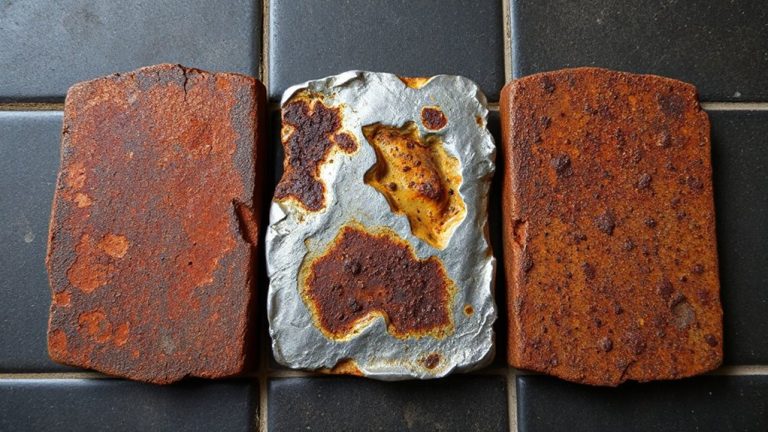
Sediment and iron are the first enemies of clean water in your coffee system, especially with well water. You need to tackle sediment accumulation early, or it’ll clog your pipes and damage your espresso machine’s pump. A 5-micron sediment filter catches sand, dirt, and rust before they reach your gear. Iron buildup is just as risky-dissolved iron can oxidize and form reddish deposits that stain fixtures and affect flow. Use an iron-specific filter, like those with catalytic media or manganese greensand, to trap it before problems start. These filters handle moderate iron levels effectively, but if your test results show over 0.3 ppm, you might need an aeration or chemical-assisted system. Don’t skip water testing-you can’t fix what you don’t measure. Stage 1 is about protection, plain and simple. Get it right, and you avoid costly repairs down the line.
Stage 2: Optimize Minerals for Great Coffee
Since water makes up over 98% of your brew, getting the mineral balance right is critical for flavor extraction and machine longevity. You need enough calcium and magnesium to support even extraction, but too much leads to scale buildup that damages equipment. Stage 2 focuses on adjusting these minerals to an ideal range-typically 50–150 ppm total hardness. This optimized mineral balance improves taste enhancement, bringing out clarity, sweetness, and acidity in your coffee. Systems like re-mineralization cartridges or alkaline filters add back beneficial minerals after aggressive filtration. Unlike basic filters that only remove impurities, these second-stage options actively shape water quality. For well water, which often lacks consistent mineral levels, this step isn’t optional-it’s essential. You’ll notice better crema, cleaner cups, and longer-lasting machines. Always test your water pre- and post-filter to verify results.
Pick the Right Dual-Stage Filter System
How do you choose a dual-stage filter system that actually delivers great coffee and protects your gear? Start by matching the system to your well water’s mineral content and contaminants. Look for models like the Pentair EQ-600 or iSpring WGB32B, known for reliable sediment and carbon filtration. Check the filter lifespan-some last 6 months, others up to a year-so you’re not replacing them too often. Make sure the system maintains proper water pressure; too low and your coffee machine runs slow, too high and it risks damage. Most under-sink dual-stage filters handle standard home pressure, but test yours first. Also, confirm filter compatibility with your plumbing size. A poorly fitted system leaks or underperforms. Prioritize durability and ease of change. Pick one that balances filter lifespan, water pressure tolerance, and straightforward maintenance for steady, coffee-ready water.
Keep Filters Fresh for Better Taste
A fresh filter makes a noticeable difference in both the taste of your coffee and the life of your machine. Over time, even the best dual-stage filters lose effectiveness as particles and minerals build up. Replacing them on schedule guarantees clean water and consistent flavor. Your filter lifespan typically ranges from 2 to 6 months, depending on usage and your well water’s mineral content. Don’t wait until you notice an off-taste-by then, performance has already declined. Store replacement filters in a cool, dry place to preserve their integrity; avoid damp basements or humid cabinets, as poor water storage conditions can promote mold or degrade materials prematurely. Sealed plastic packaging helps, but once opened, use them promptly. Following manufacturer guidelines extends both filter lifespan and machine reliability. Staying on top of freshness isn’t just about taste-it’s a small step that supports better extraction and long-term equipment health.
Avoid Common Dual-Stage Filtration Mistakes
You’ve already seen how keeping filters fresh improves taste and machine performance, but even with timely replacements, mistakes in setup and maintenance can undermine your system. Skipping water testing is a common error-without it, you won’t know if your filters handle the right contaminants. Hard water, iron, or sulfur can slip through if your setup isn’t matched to your well’s profile. Don’t assume both stages work the same; the first should trap sediment, the second target chemicals and taste. Misplacing them reduces efficiency. Neglecting filter maintenance, like failing to flush new cartridges or sticking to schedules without checking flow rate, leads to clogs and poor results. Use a TDS meter and test strips regularly to verify performance. Brands like Pentair or GE offer test kits that pair well with home systems. Adjust based on water testing-your coffee, and machine, depend on it.
On a final note
You need dual-stage filtration for well water because it tackles both grit and mineral balance. First, a sediment filter removes iron and particles that can clog machines. Then, a carbon or scale-inhibiting stage improves taste and protects your gear. Systems like the Aquasana Rhino or iSpring WGB21B handle this well. Change filters on schedule-every 6–12 months-to keep coffee clean and equipment running. Skip it, and you risk off-flavors or costly damage.