Why Low-Alkalinity Water Enhances Brightness in Kenyan Coffees
You’re brewing Kenyan coffee, and if your tap water’s high in alkalinity, it’s neutralizing those bright, citrusy notes you want. Low-alkalinity water lacks bicarbonates that mute acidity, so it preserves the bean’s natural vibrancy. Kenyan mills use soft, volcanic-runoff water for this reason. At home, try filtered or bottled water with 50–75 ppm hardness, or use Third Wave Water. Hard water dulls flavor and damages gear-switching makes a clear difference. Better water choice reveals what the beans can really do.
Notable Insights
- Low-alkalinity water preserves the inherent acidity of Kenyan coffee beans, enhancing their bright, crisp flavor profile.
- Volcanic soils in Kenya produce slightly acidic rainwater with low alkalinity, influencing the beans’ vibrant characteristics during growth.
- High-alkalinity water neutralizes acids due to its buffering capacity, muting the bright notes in the final cup.
- Using low-alkalinity water during brewing allows citrus and wine-like notes to remain pronounced and fully expressed.
- Kenyan coffee mills use naturally soft mountain water to maintain brightness and clarity in washed, high-acid coffees.
Why Is Kenyan Coffee So Bright?
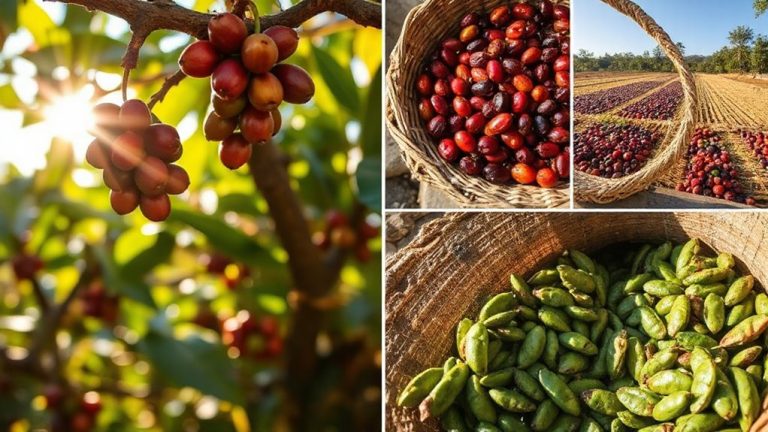
What if the brightness in Kenyan coffee isn’t just about the beans, but the water they’re grown in? You’re likely familiar with its lively, citrusy kick-but that sharpness ties closely to low-alkalinity water in the coffee origin. When rain filters through volcanic soils, it stays soft and slightly acidic, influencing how the coffee plants absorb nutrients. This mineral profile subtly shapes the bean development, enhancing the inherent acidity that defines Kenyan profiles. When you brew these beans at home, the original water conditions still matter. Your local tap water, if too hard, can distort the flavor perception, muting that crisp brightness. For accuracy, use filtered or bottled water with low mineral content. It’s a small step, but it respects the coffee’s origin character and guarantees the flavor perception stays true-from farm to cup.
How Does Water Alkalinity Shape Acidity?
How exactly does the water’s alkalinity affect the acidity in your cup? It comes down to how alkaline water interacts with the coffee’s natural acids during brewing. Water with high alkalinity has more buffering capacity, meaning it neutralizes acids, muting bright, vibrant notes. This happens because the mineral content-especially bicarbonates-resists changes in pH, softening perceived acidity. In contrast, low-alkalinity water lacks that buffering, so acids extract more fully and remain pronounced. Your water’s mineral content also influences flavor extraction overall: too many minerals can over-extract bitter compounds, too few can under-extract, yielding flat coffee. For Kenyan beans, known for sharp acidity, using water with balanced, low alkalinity preserves those lively notes without distortion. Brewers often use filtered or custom water (like Third Wave Water) to control this, optimizing both extraction and acidity clarity. Precision here isn’t perfectionism-it’s practical chemistry.
Can Low-Alkalinity Water Lock In Bright Flavors?
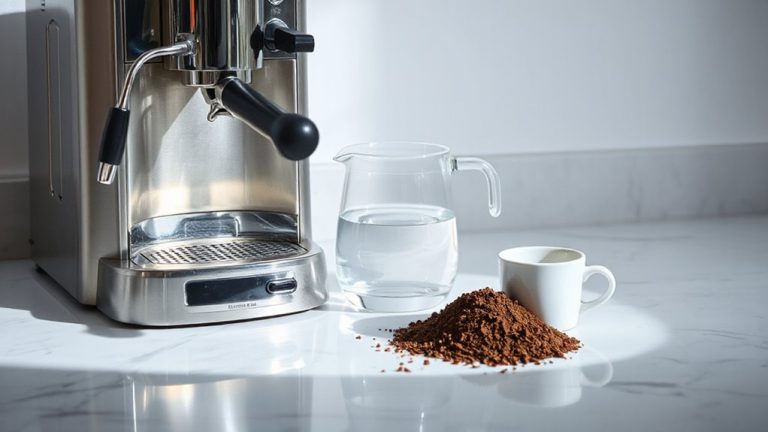
Why do some coffees taste sharper and more vibrant than others, even when brewed from the same beans? The answer often lies in your water. Low-alkalinity water can lock in bright flavors by minimizing interference during extraction. When alkalinity is low, the water doesn’t buffer acids too much, letting Kenyan coffee’s natural citrus and wine-like notes shine. This supports better flavor preservation, especially for light roasts rich in delicate compounds. The key is mineral balance-too few minerals and extraction suffers; too many, and harshness or dullness creeps in. Aim for 50–75 ppm total hardness with balanced calcium and magnesium. Brands like Third Wave Water or Barista Hustle’s kits offer premixed options tailored to this. You’ll notice clearer acidity and more consistent results. It’s not magic-it’s chemistry working in your favor. Adjust your water, and you’re not just brewing, you’re protecting the bean’s true character.
What Happens When Kenyan Coffee Is Processed With Hard Water?
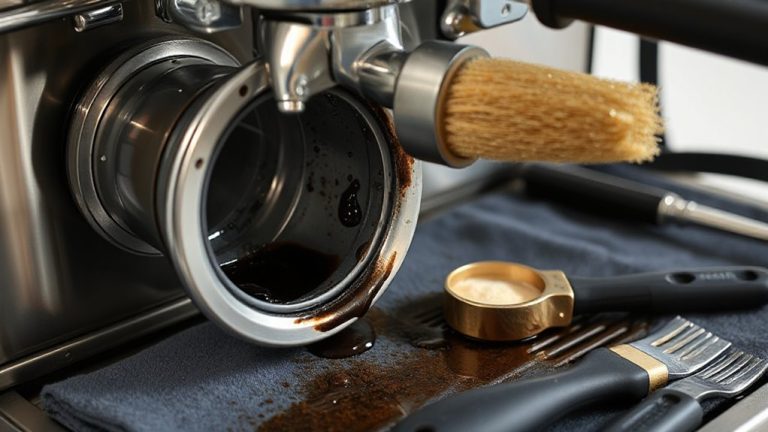
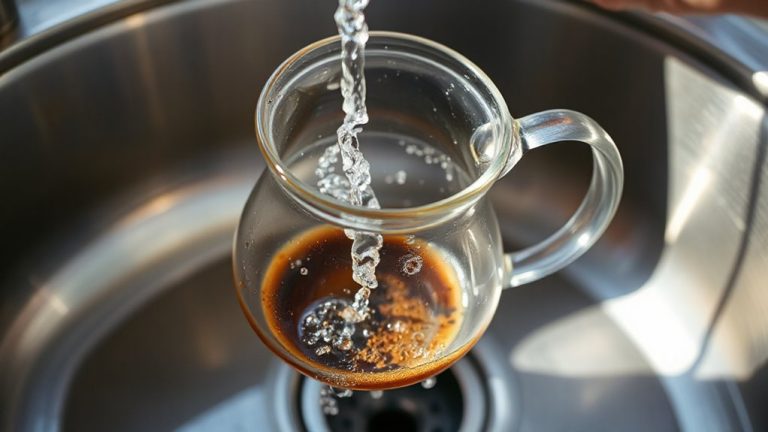
Ever wonder why your Kenyan coffee sometimes tastes flat or harsh, even with a solid brew setup? It might be due to hard water during processing. Hard water contains high levels of calcium and magnesium, which interfere with proper extraction. Since Kenyan beans rely on vibrant acidity, excess minerals suppress those delicate bright notes. You’re left with muted flavors and a dull cup. Worse, using hard water contributes to mineral buildup and equipment scaling over time. That scaling reduces heat transfer in machines, lowering brewing efficiency and risking costly repairs. Even well-maintained grinders and brewers can’t fix flawed water chemistry. While soft or low-alkalinity water preserves the fruity, wine-like complexity these beans are known for, hard water simply masks it. If you’re chasing clarity and punch in your mug, water quality matters just as much as roast or origin. Check your source-especially if brewing at home with unfiltered tap.
How Are Kenyan Mills Optimizing Water For Quality?
Where does the secret to Kenya’s brightest, cleanest coffees really start? It starts with the water-and how mills manage it. You’re not just washing beans; you’re shaping flavor. Smart water sourcing from mountain streams guarantees lower alkalinity, critical for preserving acidity. Mills now pre-test pH and adjust flow rates to maintain consistency. Fermentation control is tighter, thanks to timed channels and temperature checks.
| Stage | Water Source | Impact on Quality |
|---|---|---|
| Pulping | Fresh mountain run-off | Minimizes bitterness |
| Fermentation | Controlled tanks | Enhances sweetness, clarity |
| Washing | Low-alkalinity | Boosts brightness |
| Reuse | Filtered runoff | Lowers environmental impact |
This precision means fewer defects, more nuanced cups. You’ll notice the difference in the cupping bowl-clean lines, vibrant notes. It’s not magic-it’s management. Water isn’t just a tool; it’s an ingredient.
On a final note
You get brighter Kenyan coffee when low-alkalinity water preserves its natural acids. Hard water with high alkalinity softens those sharp, fruity notes you want. Many Kenyan mills now filter water to boost clarity and acidity. If you’re brewing at home, use filtered water under 50 ppm alkalinity-like Third Wave Water’s barista blend-for truer brightness. It’s a small change that makes a real difference in taste.