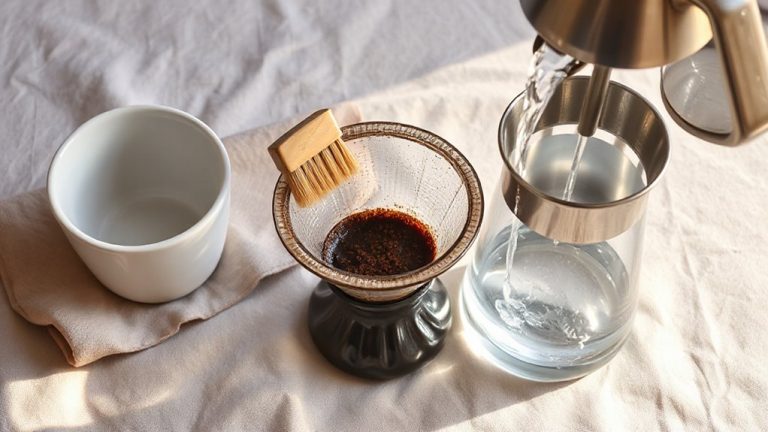
Vanilla Bean Cold Brew: Whole Pod Infusion (16–18 Hr Method)
Use a whole Grade B Madagascar vanilla pod for best results-split it lengthwise and mix with coarsely ground coffee before adding cold, filtered water. Stick to a 1:4 coffee-to-water ratio and steep in a sealed mason jar or OXO Cold Brew Maker for 16 to 18 hours in the fridge. This method gives rich, creamy flavor without bitterness. One pod can be reused. You’ll get more tips on storing and serving next.
Notable Insights
- Use Grade B Madagascar vanilla beans for optimal flavor and cost-effective infusion in cold brew.
- Split the whole vanilla pod lengthwise and add it to coarsely ground coffee before steeping.
- Steep the coffee and vanilla together in cold, filtered water for 16–18 hours for balanced extraction.
- Use a coarse grind and a 1:4 coffee-to-water ratio for smooth, rich cold brew with minimal sediment.
- Rinse and store used pods in sugar or alcohol to preserve flavor for future reuse.
Choosing the Best Vanilla Beans for Cold Brew
Quality starts with the bean-so when picking vanilla for cold brew, your best bet is Grade B Madagascar vanilla. This vanilla origin offers a rich, creamy flavor with strong alcohol-soluble vanillin content, ideal for slow cold infusion. Grade B beans have lower moisture content than Grade A, making them less expensive and better suited for extraction over days. While bean grading doesn’t guarantee flavor, Grade B’s concentrated profile works efficiently in cold brew. Avoid Grade A Tahitian beans here-they’re more floral and delicate, better for desserts than robust coffee. Stick with Madagascar’s Bourbon variety for consistent results. Store your beans in an airtight container; proper storage preserves potency. Don’t powder them unless necessary-whole beans give more control. If you’re infusing directly, split the pod but leave it intact to ease removal. Your cold brew’s vanilla depth starts with these practical, no-frills choices-focus on origin, grading, and function.
Brewing Cold Brew With a Whole Vanilla Pod
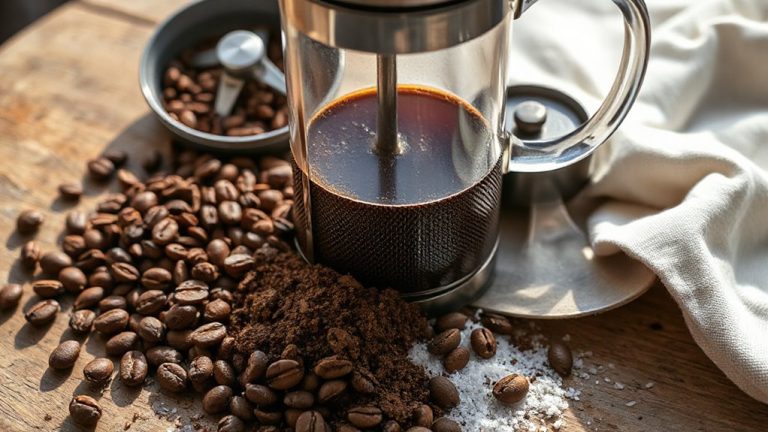
While you can add vanilla extract or powder to cold brew, using a whole pod gives you more control over flavor and intensity. For best results, slit the pod lengthwise and add it directly to coarsely ground coffee before pouring in cold, filtered water. This method maximizes vanilla extraction by exposing the inner seeds and aromatic compounds. Use a wide-mouth mason jar or an airtight pitcher-like a 32-oz OXO Cold Brew Maker-for easy mixing and steeping. Stir once to guarantee even saturation, then cover and refrigerate. Whole pod flavor infusion is slower but deeper than extracts, delivering a smoother, more nuanced profile. You’ll notice richer notes without artificial aftertastes. Avoid pre-ground vanilla beans, as they lose potency faster. With proper storage, one high-quality Madagascar or Ugandan pod can be reused once. This approach requires minimal gear and no special techniques-just time and attention to detail. A dedicated at-home cold brew maker can simplify both infusion and filtration.
Ideal Steep Time for Vanilla Cold Brew
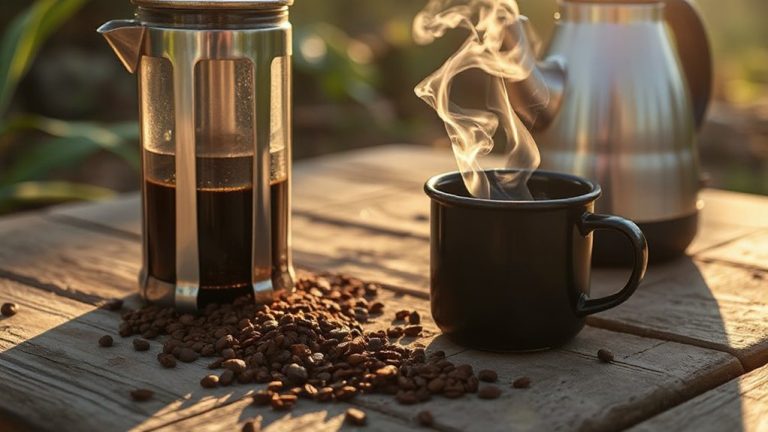
If you’re aiming for a balanced, smooth vanilla cold brew, steeping for 16 to 18 hours is your sweet spot. This window maximizes extraction efficiency, pulling rich coffee notes and subtle vanilla without tipping into bitterness or overpowering sweetness. Shorter steep times-like 12 hours-often lack full flavor saturation, leaving the brew weak and underdeveloped. Steeping longer than 20 hours risks over-extraction, especially with room-temperature methods, leading to harsh or muddy notes. A 16- to 18-hour soak in the fridge slows extraction just enough to preserve clarity while still achieving deep flavor saturation. Use a sealed container to prevent contamination and guarantee even infusion. This timing works reliably with standard mason jars or French presses, as long as the grind and ratio stay consistent. Stick to this range, and you’ll get clean, aromatic cold brew with well-rounded vanilla character every time. For the best results, choose a coarse-ground coffee for cold brew that enhances smoothness and minimizes bitterness.
Grind Size and Ratio Tips
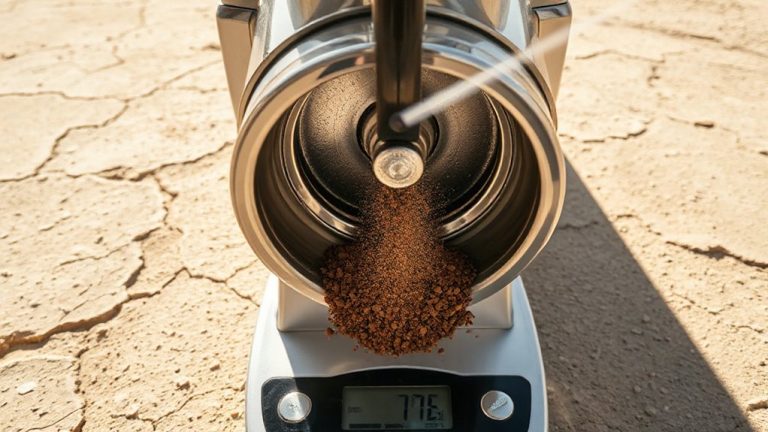
A coarse, even grind is your best bet for smooth cold brew with vanilla bean. It prevents over-extraction and sediment, especially during long steeps. Use a burr grinder if possible-blades often create uneven particles, hurting grind consistency. Aim for grounds that resemble coarse sea salt. Poor consistency leads to bitter or weak spots in your brew. For coffee ratio, stick to 1:4 (coffee to water) as a starting point. That’s about 1 cup of grounds per 4 cups of water. You can dilute later with water or milk. This ratio balances strength and smoothness without wasting beans. If you like it weaker, go 1:5. Stronger, try 1:3-but watch for bitterness. Always weigh your coffee if you can; volume measurements vary too much. A dependable scale and grinder make a real difference. For optimal results, consider a quality cold brew grinder that ensures uniform particle size and enhances flavor clarity.
Storing and Reusing Vanilla Beans After Brewing
Don’t toss those vanilla beans after brewing-used pods still hold flavor and can be reused or stored for later use. Proper vanilla preservation extends their life. After cold brew, rinse beans, dry thoroughly, and store in an airtight container with sugar or alcohol. This keeps them usable for future infusions or baking. For long-term storage, keep them in a cool, dark place-vanilla beans last months this way. When they’re spent, consider bean composting: add chopped pods to compost bins to enrich soil naturally. Avoid mold by ensuring pods are dry before storage. Reusing maximizes value and reduces waste.
| Method | Best For | Notes |
|---|---|---|
| Sugar curing | Baking, extracts | Preserves oils, adds flavor |
| Alcohol soak | Vanilla extract | Use vodka or bourbon, 4+ weeks |
| Composting | Eco-disposal | Boosts soil; chop beans first |
Serving Ideas for Vanilla Cold Brew
Once you’ve made the most of your vanilla beans by reusing or storing them properly, turn your attention to how you serve the finished cold brew. Serve it straight over ice for a smooth, aromatic drink, or dilute slightly with cold water or milk to taste. For iced latte variations, try oat, almond, or whole milk-each changes the mouthfeel and sweetness. Add a shot of espresso for a stronger kick. Consider flavor pairing suggestions like cinnamon, almond, or dark chocolate to enhance complexity. Drizzle in a touch of honey or maple syrup if you prefer sweeter notes. Avoid overloading with syrups to preserve the vanilla’s subtle depth. Use a tall glass and a straw for better aroma release. These serving options aren’t fussy, just flexible ways to match your taste and tools on hand. Keep it simple, consistent, and tailored to your daily routine.
How Vanilla Beans Add Creamy Depth to Cold Brew
Vanilla beans bring more than just aroma-they’re a secret weapon for adding creamy depth to cold brew without dairy or artificial additives. When you use the whole pod in a slow-steep vanilla infusion, the beans release vanillin and subtle floral compounds that soften the brew’s bitterness. This method works best with coarsely cracked beans, left in cold brew for 12–24 hours; too long and it turns perfumy. The flavor synergy between cold brew’s smooth, chocolatey notes and vanilla’s warm sweetness creates a rounded profile, like adding cream without texture changes. Pure extract won’t give the same depth-whole beans offer richer, more nuanced results. For best outcomes, use Grade B beans, like Madagascar or Tahitian, which are less moist and better for infusions. Store leftover pods in a jar with sugar or more beans to extend use. Cold brew’s low acidity preserves the vanilla character longer than hot brewing, making this an efficient, low-waste technique.
On a final note
You’ve got everything you need to make smooth, flavorful vanilla cold brew using a whole pod. Just seal the beans with coarsely ground coffee and cold water, then let it steep 12–24 hours. Reuse the pod once for savings, but expect weaker flavor. Store beans properly to avoid mold. This method beats extracts-offering richer depth without artificial aftertaste. Serve over ice, with cream, or as a coffee base for drinks.