The Effect of Bean Moisture Content on Required Grind Size for Consistency
Moisture in coffee beans affects how they break when ground. Fresh, moist beans are denser and shatter less, needing a finer grind for even extraction. Drier, older beans crumble easily, producing too many fines, so you’ll need a coarser setting to avoid clogging and bitterness. High moisture causes clumping; low moisture increases static and fines. Adjust your grinder based on roast age and storage. For light roasts, go finer; for dark or old beans, go coarser. You’ll get better shots by matching grind to moisture. There’s more to optimizing your setup once you see how environment plays a role.
Notable Insights
- Drier beans produce more fines due to brittle fracture, requiring a coarser grind setting for consistent extraction.
- Moister beans are softer and less brittle, leading to uneven particle sizes and necessitating a finer grind.
- As moisture decreases with bean aging, grind size must be adjusted coarser to maintain flow and prevent over-extraction.
- High moisture increases clumping, which disrupts dose uniformity and may require grind adjustments for consistent tamping.
- Optimal grind size depends on moisture-induced changes in bean hardness and fracture behavior during grinding.
Why Bean Moisture Affects Grind Consistency
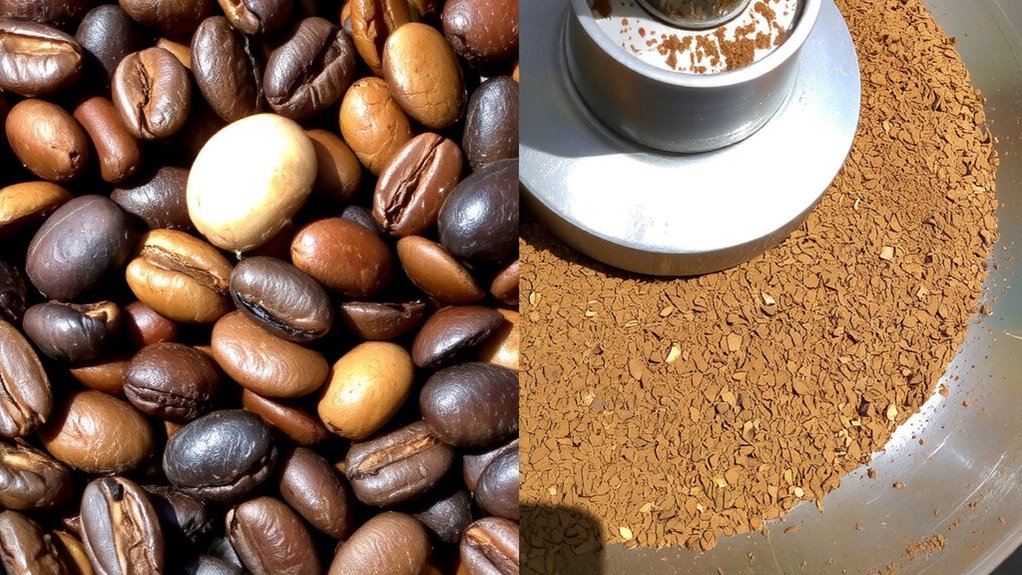
While moisture content might seem like a minor detail, it actually plays a key role in how evenly your coffee beans grind. When beans hold more moisture, they’re slightly softer, causing them to fracture unevenly during grinding. This leads to inconsistent particle sizes, which messes with extraction. Freshly roasted beans often have higher moisture, but as bean age increases, moisture slowly escapes, altering coffee density. Drier beans tend to brittle-shatter more cleanly, producing a uniform grind-ideal for espresso or pour-over. However, if beans become too dry, they can crumble into fines. Coffee density shifts over time, so storing beans properly matters. You’ll get better consistency using beans within 2–6 weeks post-roast, depending on the roast level. Adjust your grinder slightly as bean age progresses-especially with light roasts, which retain moisture longer than dark. Track changes weekly for best results.
How Moisture Changes Coffee Bean Structure
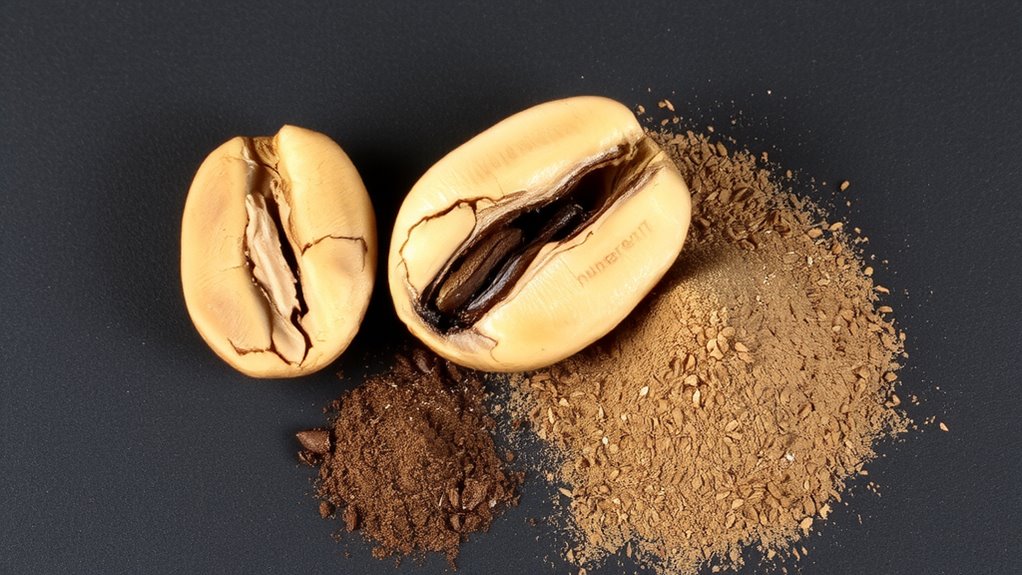
Moisture doesn’t just affect how beans grind-it changes their internal structure over time. As beans absorb or lose moisture, you’ll see shifts in bean porosity and gradual cellular degradation. This alters how the coffee responds during grinding, even if it looks unchanged. Over time, higher moisture increases softness, making beans less brittle and more prone to uneven fracture. Below is how moisture levels typically impact structural traits:
| Moisture Level | Structural Effect |
|---|---|
| Very Low | Brittle, high fracture variability |
| Low | Ideal hardness, stable grind |
| Medium | Slight softening, increased static |
| High | Reduced brittleness, uneven break |
| Very High | Cellular degradation, poor crush |
You should store beans in airtight containers away from humidity. High bean porosity accelerates moisture absorption, speeding up cellular degradation and harming grind performance over time.
Why Wet Beans Clump When Ground
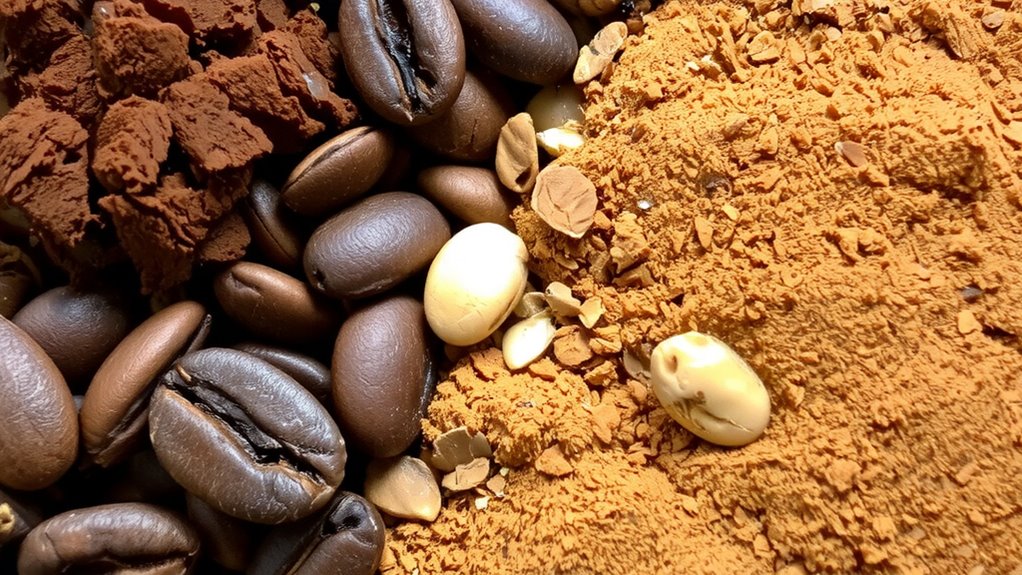
When you grind beans with high moisture content, you’ll likely notice fine particles clumping together instead of flowing freely. This happens because moisture increases particle adhesion-the tiny coffee fragments stick to each other more easily. Water acts like a bridge between particles, enhancing surface tension and reducing airflow that should separate grounds. At the same time, static charge builds up during grinding, especially in low-humidity environments, which pulls damp particles together even more. The result? Clumps that disrupt dose consistency and block water flow in espresso shots. You’ll see this often with beans stored in humid conditions or roasted recently without proper degassing. To reduce clumping, let beans rest a few days post-roast or use a grinder with anti-static features like the Niche Zero or Kinu M47. Keeping grinders clean and using a light tamp can also help maintain even distribution.
Why Dry Beans Create Too Many Fines
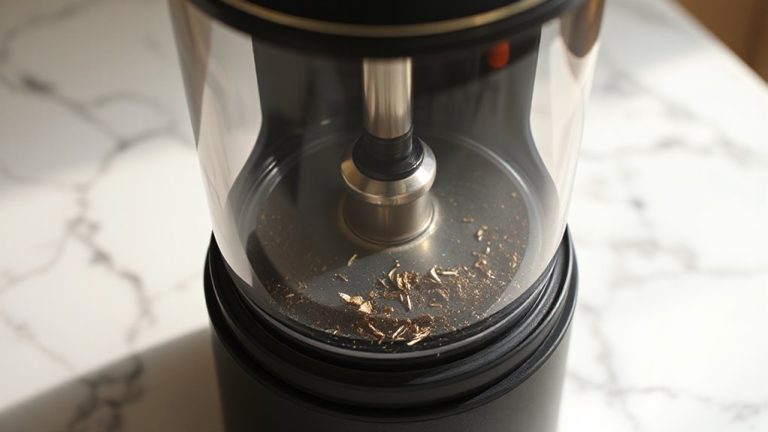
Dry beans, especially those stored for longer periods or roasted darker, tend to fracture differently during grinding, producing a higher volume of ultra-fine particles. Because they’re so dry, they undergo a brittle fracture-shattering rather than breaking cleanly. This creates uneven particle sizes, with too many fines that can clog filters and lead to over-extraction. You’ve probably noticed your grinder spitting out dusty coffee powder and clumps sticking to the bin-much of that is static electricity building up more easily in low-moisture beans. The lack of moisture reduces particle cohesion, letting static spread and repel grounds, which worsens distribution. Even with a high-quality grinder like a Baratza Encore or Lelit, dry beans demand extra handling to manage fines. If you’re grinding for espresso or pour-over, this inconsistency can hurt clarity and shot time. You’ll need to adjust other variables, though we’ll cover that next.
How to Adjust Grind for Moisture Level
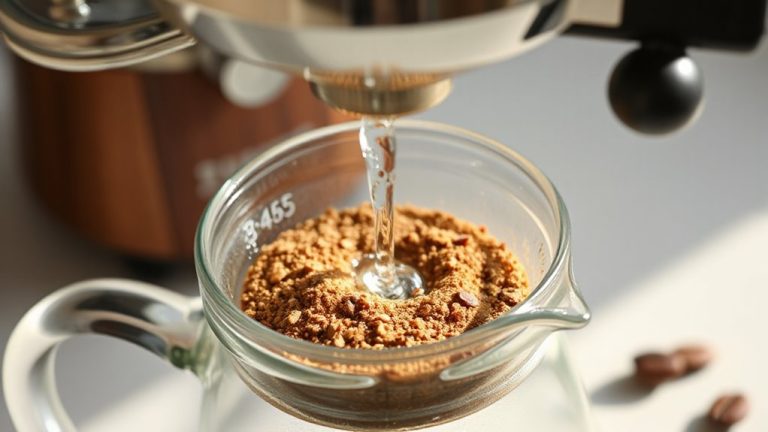
If you’ve ever noticed your shots pulling slower or your pour-over tasting muddled, the moisture content in your beans might be the culprit, even if you haven’t changed your grind setting. Drier beans are less dense, so they break apart more easily, creating fines and clogging filters. That means you’ll need to go coarser to maintain flow. Fresher, moister beans have higher coffee density and resist grinding, requiring a finer setting for the same extraction. Adjust your grinder accordingly-slightly finer for dense, high-moisture beans, coarser for older, drier ones. Your grinding speed also shifts: drier beans grind faster, increasing heat and inconsistency. Slower grinding helps preserve particle uniformity, especially with older beans. Always tweak in small steps, then test. It’s not just about time since roast-it’s about how the beans behave now. Match your grind to their current state, not the bag’s date.
How to Check Moisture Before Grinding
You’ve adjusted your grind based on roast date and shot performance, but that doesn’t always tell the full story-moisture content plays a direct role in how beans behave during grinding. To check it, start with bean storage: beans stored in airtight containers with one-way valves help stabilize moisture, while porous or opened packaging doesn’t. Environmental humidity heavily influences moisture levels; if your kitchen is humid, especially in summer, beans absorb more water. A simple test: weigh a sample of beans, leave them in a 100°C oven for two hours, then reweigh. The weight loss is moisture loss. For most specialty beans, expect 1–3% loss. Though not everyday practical, this helps calibrate your sense of how beans from different batches respond. Digital moisture meters exist but vary in accuracy. Observe grind consistency-if you’re getting excessive fines or clumping, high moisture’s likely the culprit. Adjust storage or grind accordingly.
On a final note
You need to adjust your grind size based on bean moisture to get consistent extraction. Wet beans clump and clog, so use a slightly coarser setting-common with freshly roasted or humid-stored beans. Dry beans fracture into fines, calling for a finer grind to avoid over-extraction. Check beans by feel and brew performance: uneven flow or sour/bitter notes signal adjustments are needed. A quality burr grinder gives you the control you need.