Exploring the Impact of High Altitude on Pacas Coffee Bean Development in El Salvador
You get denser, sweeter Pacas beans when grown above 1,400 meters in El Salvador’s volcanic highlands. Cooler temps slow cherry ripening, boosting sugar development and acidity. Volcanic soil adds essential minerals, improving bean quality and flavor clarity. These dense beans roast evenly, especially with medium profiles, highlighting citrus and green apple notes. Hand-harvesting guarantees only ripe cherries are picked, but steep slopes increase labor costs. Higher elevations deliver better cups, though success depends on precise farming and processing practices worth understanding further.
Notable Insights
- Pacas coffee beans grown above 1,400 meters develop denser structures due to slower cherry maturation at high altitudes.
- High elevation extends sugar accumulation time, enhancing sweetness and acidity in Pacas variety beans.
- Volcanic soils in El Salvador’s highlands provide essential nutrients that support healthy Pacas plant growth and bean density.
- Daily temperature fluctuations in high-altitude zones increase flavor complexity in Pacas coffee cherries.
- Selective hand-harvesting at elevation ensures only ripe cherries are picked, preserving cup quality and flavor clarity.
How Altitude Boosts Pacas Coffee Sweetness
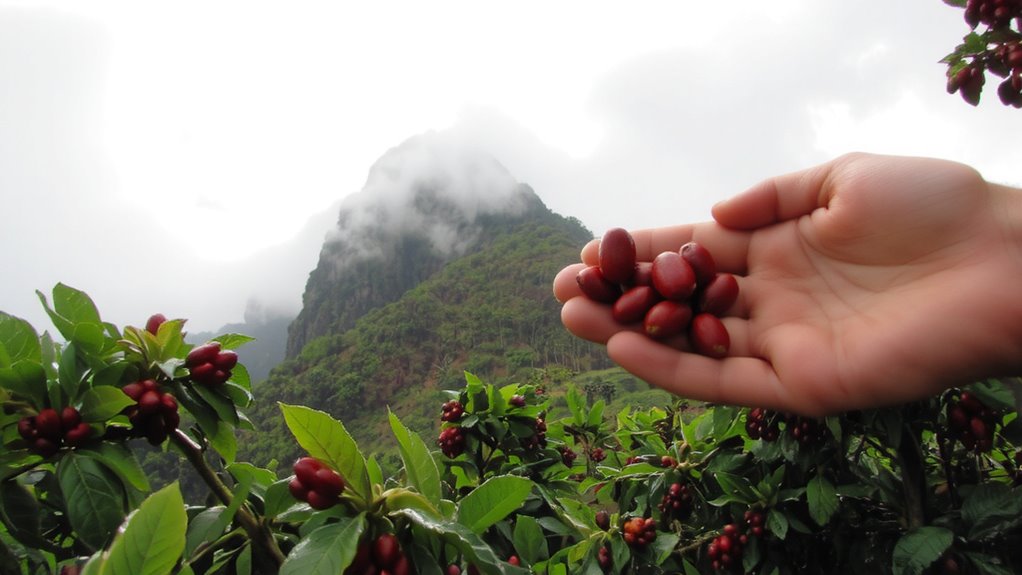
While higher elevations don’t automatically make Pacas beans sweeter, they do create conditions that often lead to more complex sugars during development. You’ll notice slower maturation at these heights, which extends the time for sugar accumulation in the cherry. That prolonged growing period also increases bean density, a trait linked to more even roasting and concentrated flavor. Denser beans, like those from Pacas plants grown above 1,400 meters, respond well to medium roasts that highlight sweetness without burning off delicate notes. Though high altitude isn’t a guarantee of quality, it consistently improves the odds. You’re better off selecting beans from highland farms if you prefer balanced, sugary profiles with bright acidity. Just remember: proper post-harvest processing still matters-altitude sets the stage, but doesn’t replace careful drying and milling.
Why Volcanic Highlands Enhance Pacas Bean Quality
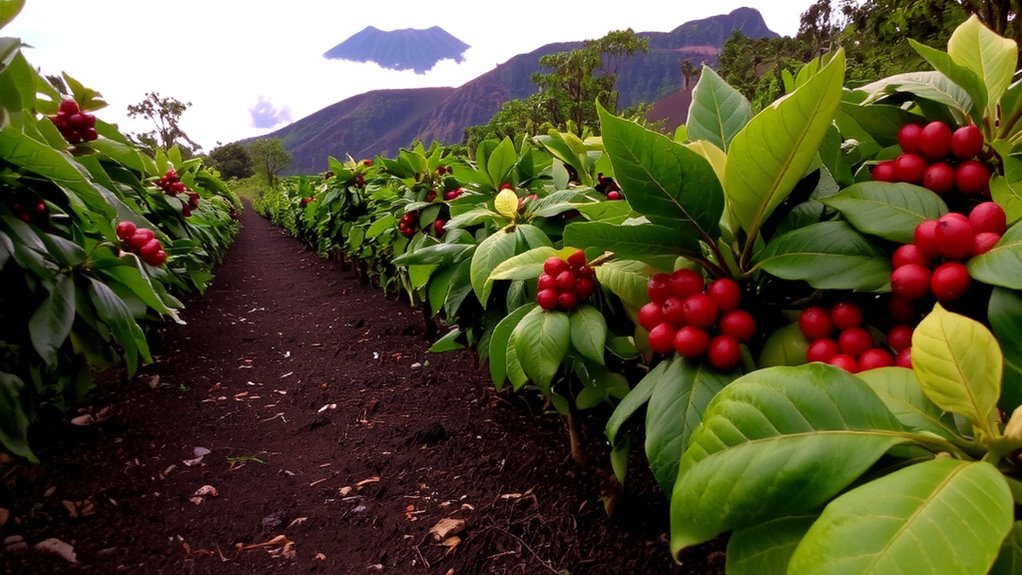
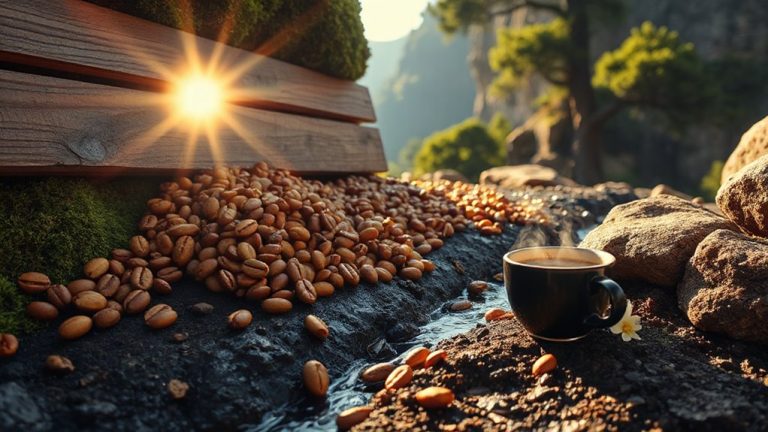
Because they’re rooted in mineral-rich volcanic soil, Pacas coffee plants in El Salvador’s highlands develop beans with more consistent flavor clarity and acidity. You’ll notice that soil mineralization from decomposed volcanic rock supplies essential nutrients like potassium and magnesium, which support healthy bean development. These minerals don’t just feed the plant-they fine-tune the bean’s structure and chemical composition. The volcanic microclimate also stabilizes temperature swings and retains moisture, helping plants grow at a steady pace. That balance reduces stress on the plant, leading to more uniform beans, which roast more predictably. Unlike lowland farms with dense humidity or erratic soil, highland volcanic zones offer cleaner drainage and fewer diseases. When you’re selecting beans, look for those grown above 1,200 meters on volcanic slopes-like Santa Ana or Izalco-for better density and cup performance. These conditions are hard to replicate elsewhere.
How High Elevation Concentrates Pacas Flavor
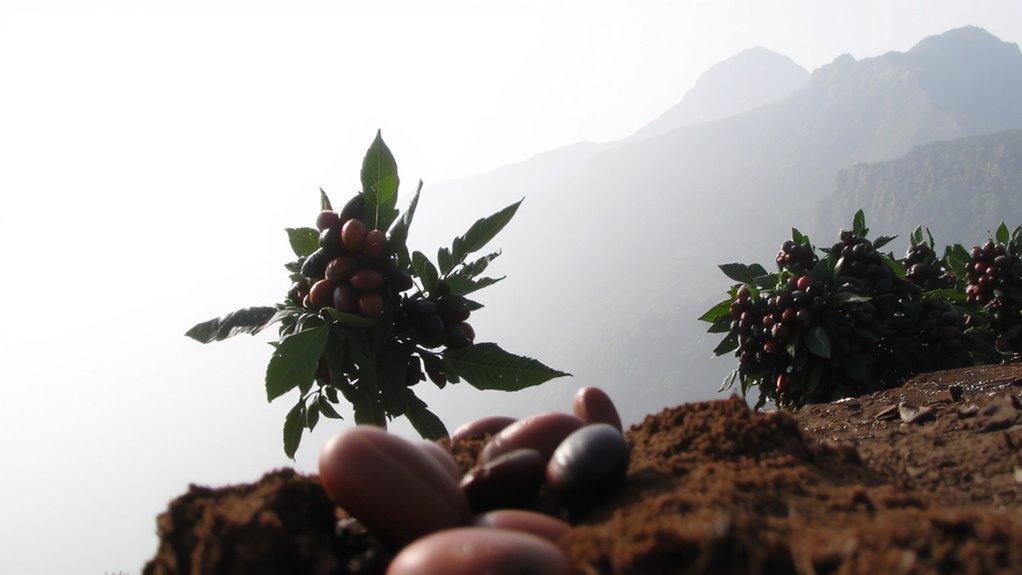
Altitude isn’t just a number on a farm profile-it’s a flavor multiplier. When you grow Pacas beans above 1,200 meters, cooler temperatures slow cherry development, letting sugars and acids build more evenly. This slow maturation means denser beans, which often roast more uniformly and express clearer flavors. The soil composition in El Salvador’s highlands-rich in volcanic minerals-supports this process by improving nutrient uptake and drainage. You’ll notice the microclimate influence too: morning mists and strong sun exposure create daily temperature swings that boost complexity in the bean. These conditions aren’t just ideal-they’re specific. Lower farms don’t get the same thermal variation, and non-volcanic soils may lack key minerals. So if you’re choosing beans for richer, more concentrated notes, elevation matters because it shapes how the plant responds to its environment from the ground up.
Tasting the Difference in High-Altitude Pacas
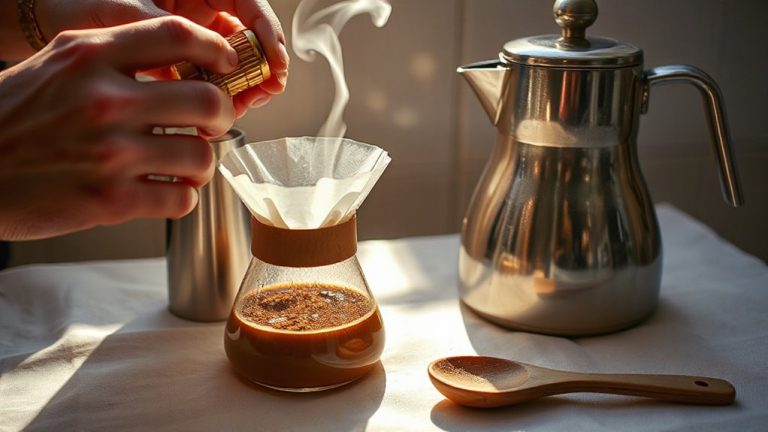
You can see how elevation shapes Pacas beans in the cup, not just on paper. At higher altitudes, cooler temps slow bean development, boosting density and acidity. You’ll notice this in the flavor-bright notes of citrus and green apple come through clean and sharp. Shade variation on these slopes helps regulate sun exposure, protecting beans and promoting even ripening, which supports consistent quality. Harvest timing is essential; mistiming by even a few days can mean underripe or overripe cherries, muddying those delicate high-elevation traits. Pickers must move selectively, returning often to grab only the ripest fruit. When roasted with care-light to medium-these beans reveal their full potential. If you’re brewing, use a pour-over or flat-bottom cone for clarity. Avoid dark roasts or fast brewing; they mute the complexity you’re paying for.
Low Vs. High: Comparing Pacas Coffee Profiles
What sets apart a low-grown Pacas bean from one grown at high elevation? You’ll notice differences in bean size and harvest timing right away. At lower altitudes, beans grow larger due to faster development, but they often lack complexity. High-altitude Pacas beans are smaller and denser because of cooler temperatures and slower maturation, which enhances flavor clarity. Harvest timing also shifts-higher farms pick later, as the beans take longer to ripen. This delay allows more sugar development, contributing to brighter acidity and floral or fruity notes you can taste. Low-grown lots tend to be more uniform in size but deliver simpler, earthier profiles. If you’re roasting, expect high-altitude Pacas to respond better to precise heat control, revealing more nuance. For brewing, use a medium grind and water just off boil to highlight their delicate structure. Choose based on flavor goals-consistency or complexity.
What Growing at Altitude Costs Salvadoran Farmers?
How do the benefits of high-altitude Pacas beans weigh against the real costs faced by Salvadoran farmers? You face increased labor costs because steeper terrain makes hand-harvesting slow and tough, demanding more workers for fewer beans. Mechanization isn’t feasible, so every cherry is picked by hand, raising production expenses. You also deal with limited infrastructure access-roads are often unpaved or poorly maintained, delaying transport and increasing wear on vehicles. This affects how quickly beans reach mills, risking quality loss. While high elevations boost bean density and flavor complexity, those gains can be offset by financial strain. You must weigh premium prices against rising costs. Choosing higher altitudes only works if you can manage labor demands and navigate supply challenges. For many, it’s a narrow margin-rewarding but risky.
On a final note
You’ll notice high-altitude Pacas beans deliver cleaner, sweeter cups thanks to slower maturation in cooler air. Grown above 1,200 meters in El Salvador’s volcanic highlands, they develop denser structure and more complex acidity. While costs rise for farmers due to terrain and yield loss, the quality gain is measurable. For brewing, use a precise grinder like the Baratza Encore and a scale to highlight these nuanced flavors.