Why Zomba Plateau Coffee Offers a Smoother, Less Acidic Profile
You get a smoother, less acidic cup from Zomba Plateau coffee because its beans grow slowly at 5,000–6,000 feet, where cool temps and iron-rich laterite soil limit harsh acids. Volcanic minerals and wet processing further reduce sharpness, while medium roasting preserves balance. The dense, low-acid beans resist over-extraction, giving a mellow brew even at 205°F-outperforming Brazilian Santos in smoothness. There’s more to how this all comes together under the right conditions.
Notable Insights
- Deep laterite soils rich in iron and aluminum enhance low-acid traits in heirloom Arabica beans.
- High altitude slows bean development, increasing density and reducing harsh acid formation.
- Volcanic soil buffers pH and filters excess acidity-inducing compounds through gradual rainwater passage.
- Wet processing with controlled fermentation minimizes sourness and preserves a gentle flavor profile.
- Medium roasting and proper brewing temperatures maintain balance without accentuating acidity.
What Makes Zomba Plateau Coffee Low in Acid?
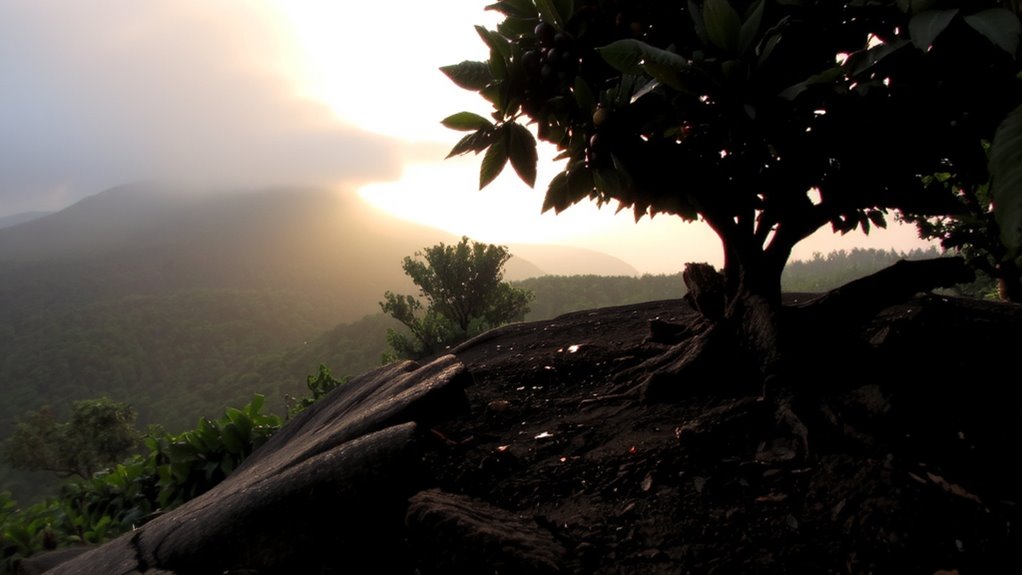
Although altitude and climate play major roles, it’s the deep, well-drained laterite soils of the Zomba Plateau that really cut the acidity in the coffee beans. You’ll find these soils rich in iron and aluminum, which help regulate nutrient uptake, directly influencing how the bean genetics express themselves during growth. Certain heirloom Arabica varieties grown here naturally develop lower acid profiles, but the soil amplifies this trait. When roasting, a medium to medium-dark roast level works best-too light and you risk sharper acids; too dark and you lose nuance. Roasters like Malawi Java Co. often pull their Zomba beans at city+ to preserve sweetness without increasing bite. For home brewers, this means more flexibility: pour-over, French press, or espresso all perform well. Just avoid over-extraction, which can mimic acidity. Choosing the right roast level and understanding bean genetics helps you get a smooth, balanced cup-no guesswork needed.
How High Altitude Smooths the Flavor
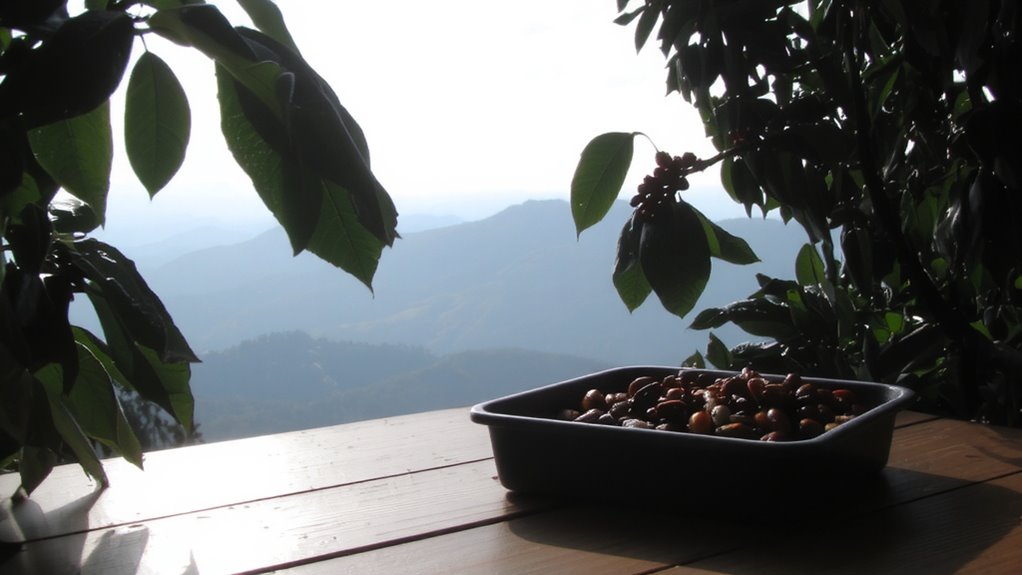
When you’re brewing coffee grown at high elevations like the Zomba Plateau, which sits between 5,000 and 6,000 feet above sea level, you’re starting with beans that developed slower due to cooler temperatures and thinner air. This slow development increases bean density, giving the coffee a harder, more compact structure that resists over-extraction during brewing. The climate impact at this height also limits harsh organic acids, leading to a smoother taste. Dense beans respond well to medium roasts, preserving sweetness while minimizing bitterness. Here’s how altitude affects key traits:
| Factor | High Altitude Effect |
|---|---|
| Bean density | Higher – resists cracking, extracts evenly |
| Climate impact | Cooler temps slow growth, reduce acidity |
You’ll notice cleaner cups with balanced notes-ideal for drip or pour-over methods.
How Volcanic Soil Lowers Acidity Naturally
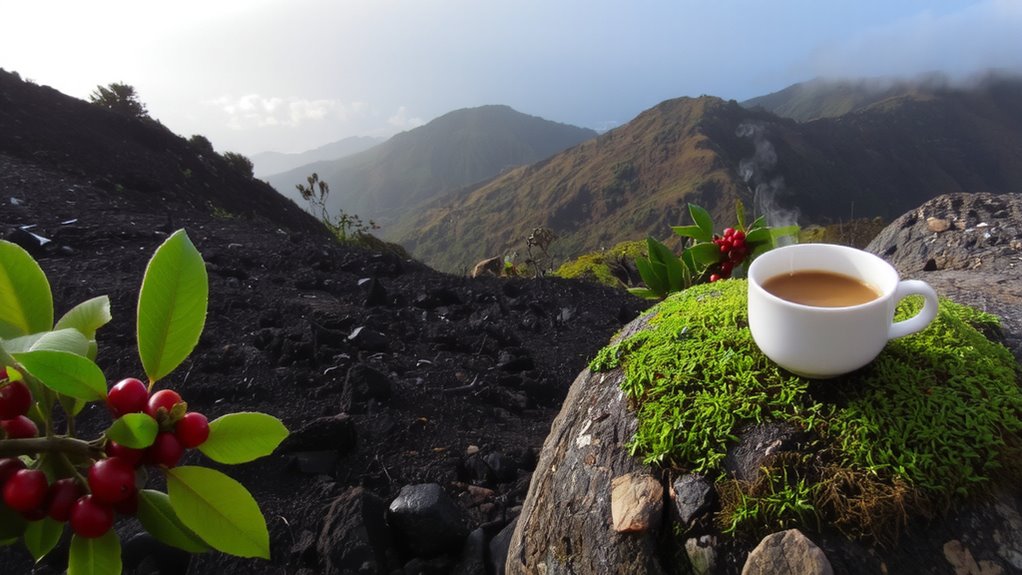
You’ve seen how altitude shapes smoother flavors in Zomba Plateau coffee by slowing bean development and reducing harsh acids. Now consider the volcanic soil beneath those high-altitude farms. Its mineral richness feeds the coffee plants with balanced nutrients, promoting steady growth and lowering acid formation in the beans. Unlike depleted or sandy soils, volcanic earth holds moisture well and buffers pH naturally, which helps create a more stable growing environment. This same structure supports natural filtration, allowing rainwater to pass through slowly, washing away excess compounds that could increase acidity. The result isn’t just a cleaner cup-it’s one with mellow brightness and depth. You’ll notice fewer sharp notes, even when brewed black. If you’re comparing origins, know that volcanic soil doesn’t eliminate acidity but tempers it. For smoother daily drinkers, this soil type offers a reliable, natural advantage worth prioritizing.
How Processing Creates a Gentler Brew
Because the way coffee is processed after harvest directly affects its final flavor profile, choosing the right method matters if you’re after a smoother cup. At Zomba Plateau, careful fermentation control during wet processing helps limit harsh acids. By monitoring time and temperature closely, producers avoid over-fermentation, which can add unwanted sourness. This precise approach results in a cup that’s balanced, not sharp. After fermentation, the drying technique plays a key role-beans are often sun-dried slowly on raised beds, allowing even moisture loss without cracking the bean. This gentle drying preserves sweetness and softens acidity. Compared to faster, mechanical drying, this method reduces stress on the beans, contributing to a milder brew. You’ll notice fewer bitter or tangy notes, making it easier on sensitive stomachs. It’s not just how the coffee grows-but how it’s handled-that shapes the final cup.
How Zomba Plateau Compares to Other Low-Acid Coffees
One of the smoothest low-acid coffees you’ll come across, Zomba Plateau stands out not just for its mellow profile but for how reliably it delivers a gentle cup compared to similar beans. The secret? A unique combination of soil composition and bean varietal. Grown at high elevation in mineral-rich, volcanic soil, the coffee develops slowly, reducing natural acidity. The primary bean varietal-often Arabica Typica-adds to this smoothness, known for balanced flavor and low sharpness. Compared to other low-acid options like Brazilian Santos or Sumatran Mandheling, Zomba Plateau typically has less bitterness and more consistent brightness without bite. While some low-acid blends rely on dark roasting to suppress acidity, this coffee achieves it naturally. That means you’re not trading complexity for comfort. It’s a dependable choice if you want subtle flavor without stomach irritation, especially when other mild coffees fall short or taste flat. For those seeking similar benefits, exploring other top-rated low-acid coffee options may also provide relief and flavor satisfaction.
How to Brew Zomba Plateau Coffee for Maximum Smoothness
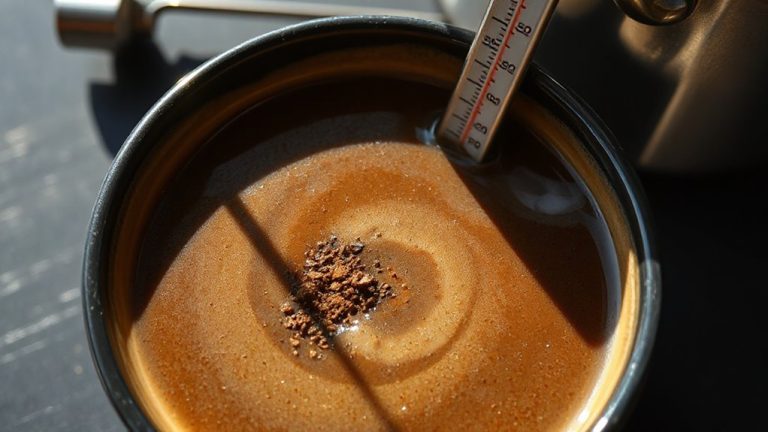
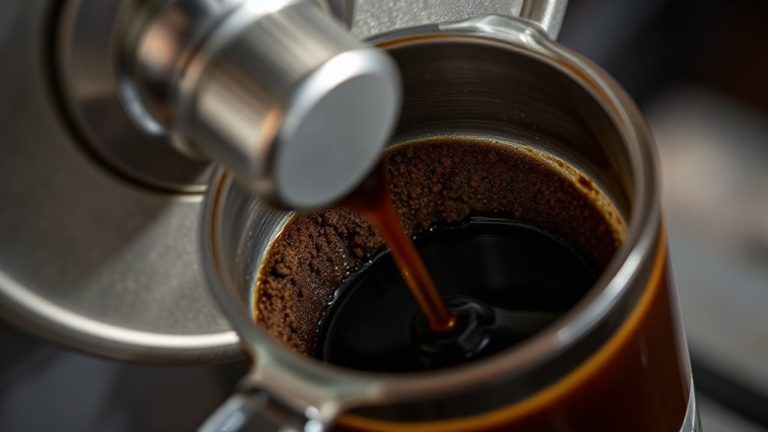
While the natural smoothness of Zomba Plateau coffee starts in the soil, how you brew it can either preserve that balance or bring out unwanted harshness. To maintain its low-acid profile, use a water temperature between 195°F and 205°F-too hot, and you risk bitterness; too cool, and the flavors stay under-extracted. Use a gooseneck kettle for better control, especially with pour-over methods like the Hario V60 or Chemex. Grind consistency is just as critical: aim for an even medium-coarse texture, similar to sea salt, to guarantee uniform extraction without overdoing the fines that increase acidity. A burr grinder, like the Baratza Encore, delivers this far better than a blade model. Avoid prolonged brew times-stick to 3 to 4 minutes for drip or 2:30 for pour-over. These small steps make a clear difference in preserving Zomba Plateau’s signature smoothness. Optimal extraction occurs within the recommended brewing temperature range, ensuring balanced flavor without accentuating acidity.
On a final note
You’ll get the smoothest cup from Zomba Plateau coffee by brewing it just off the boil, around 195–205°F, using a medium grind. A pour-over or French press brings out its low-acid, rounded flavor without bitterness. Compared to other low-acid coffees like Sumatran or dark roasts, it’s brighter but still gentle. For consistency, use filtered water and measure your dose-about 1:16 coffee to water. It’s a reliable choice if you want balanced taste without acidity.