Why Water Temperature Below 190°F Results in Sour, Under-Extracted Coffee
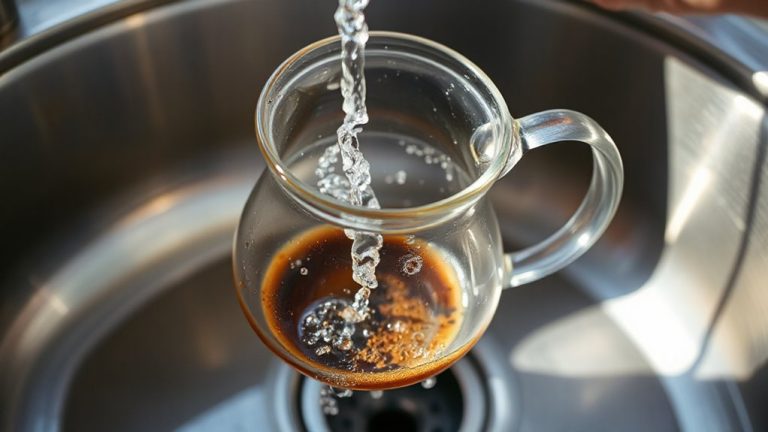
Cold water below 190°F slows extraction, pulling mostly sharp acids while leaving sugars and oils behind. That’s why your coffee tastes sour and weak-it’s under-extracted. Heat between 195°F and 205°F dissolves flavor evenly, balancing brightness with body. Even a gooseneck kettle like the Fellow Stagg helps maintain that sweet spot. If your brewer doesn’t control temp, let boiled water sit 30 seconds. You’ll get cleaner, fuller coffee-closer to what the beans were meant to taste like.
Notable Insights
- Water below 190°F lacks sufficient heat to extract sugars and aromatic compounds, leaving coffee sour and weak.
- Low temperatures primarily extract harsh acids while failing to dissolve desirable sweetness and body.
- Under-extraction at low heat results in unbalanced acidity, especially noticeable in light roast coffees.
- Even extended brew times cannot fully compensate for poor solubility caused by suboptimal water temperature.
- The ideal range of 195°F–205°F ensures balanced extraction, avoiding sourness from under-developed flavor compounds.
Why Cold Water Ruins Coffee Extraction
Using cold water to brew coffee might seem like a shortcut, but it’s a mistake that undermines the entire extraction process. You’re not pulling enough flavor, so your coffee tastes sour and weak. Cold water slows extraction too much, leaving sugars and lipids behind while only drawing harsh acids. This leads to under-extracted coffee, no matter how fine your grind. Plus, you’ll face increased grind retention-fines get trapped in the grinder or brewer, wasting coffee and skewing results. Unlike hot water, which efficiently dissolves soluble compounds, cold water takes hours to compensate, as in cold brew. But that’s a different method altogether, not a substitute for proper hot brewing. And while cold brew reduces coffee oxidation over time, it doesn’t fix cold water’s flaws in a standard brew. Stick to 195–205°F for balanced, full extraction every time.
How Heat Unlocks Coffee’s Best Flavors
When you brew with water that’s too cool, you’re leaving flavor on the table-specifically the bright acids, subtle florals, and sweet caramelized notes that only heat can properly extract. Heat ramps up chemical reactions and solubility rates, pulling more compounds from the grounds efficiently. At ideal temps-195°F to 205°F-compounds like organic acids, sugars, and aromatic oils dissolve evenly, creating balanced flavor. Lower temps slow solubility rates, so fewer desirable compounds make it into your cup. You’ll need longer brew times to compensate, but even then, extraction stays incomplete. Devices like pour-over kettles or temperature-controlled brewers let you set precise temps, ensuring consistency. Electric drip machines often hit the right range, but stovetop and cold brew methods may fall short unless adjusted. Controlling heat isn’t fussy-it’s practical science. When you optimize it, you’re not just heating water-you’re enabling flavor. For those using manual methods, a gooseneck coffee brewing kettle provides the precision needed for optimal temperature control and even saturation.
Why Under-Extracted Coffee Tastes Sour
Why does your coffee sometimes taste sharp or sour, like underripe fruit? It’s likely under-extracted. When water isn’t hot enough, it can’t dissolve enough coffee solids, leaving behind balanced sweetness and body. Instead, you get early-extracting compounds that emphasize acidic notes, making the brew taste unbalanced and tart. This flavor imbalance isn’t just about acidity-it’s missing depth. You’ll notice it most in light roasts, where bright characteristics dominate, but even medium roasts suffer without proper extraction. Using a gooseneck kettle helps control pouring, but if your water’s below 190°F, you’re fighting physics. Your grind might be too coarse or your brew time too short, but temperature is often the real culprit. Fixing it isn’t complicated. Aim higher. Just don’t confuse desirable brightness with sourness. One enhances; the other warns.
Best Water Temperature for Coffee: 195°F–205°F
Though some might claim otherwise, you’ll get the most consistent and balanced extraction when brewing coffee between 195°F and 205°F. This range optimizes coffee chemistry, allowing sugars and acids to dissolve evenly without scalding the grounds. Water that’s too cool under-extracts, leaving sour notes; too hot, and you risk bitterness. Within this sweet spot, flavor development is full and nuanced-think bright citrus in a light roast or chocolate depth in a medium-dark. Most home brewers don’t heat water precisely, so aim for just-off boil (about 30 seconds off) if using a kettle. Gooseneck kettles with temp control, like the Bonavita or Fellow Stagg, give better results. This range works across brew methods, though grind and time still matter. It’s not magic-just science-backed, repeatable performance. Stick with it, and you’ll taste the difference every time.
Brew Method Guide: Right Temp for Every Technique
How do your brewing method and water temperature interact to shape flavor? With pour-over or drip, aim for 195°F–205°F-this range extracts bright, clean notes efficiently. Espresso works best in that same window, using pressure to speed extraction. For an immersion method like French press, you can go slightly lower, around 195°F, since the longer contact time increases extraction. That’s also true for cold brew, where room temp or cold water steeps grounds 12–24 hours. Cold brew skips heat entirely, trading speed for smooth, low-acid results-ideal if you’re sensitive to bitterness. AeroPress lets you tweak both time and temp: use hotter water (200°F+) for shorter brews or cooler (170°F) for less bitterness. Each method changes how heat moves through coffee, so match your water temp to your brew style to avoid under-extracted, sour coffee.
How to Check and Control Your Water Temperature
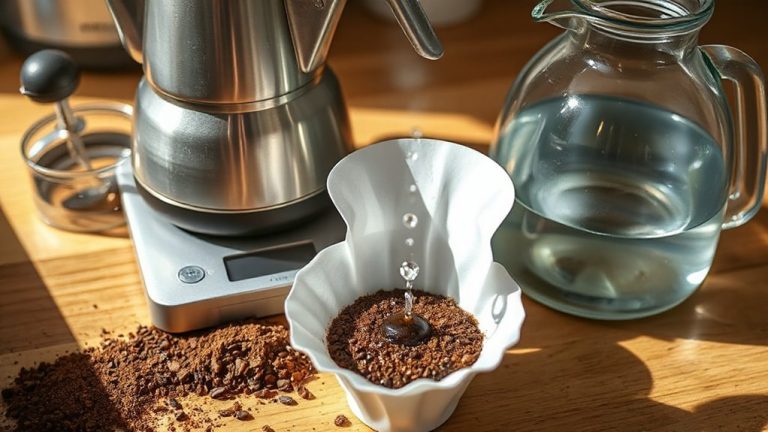
Ever wonder how to make sure your water’s hitting the ideal range for extraction? Use a reliable thermometer or a gooseneck kettle with built-in temp control-many models like the Fellow Stagg or Bonavita display real-time heat. Aim for 195°F to 205°F, as this range optimizes extraction and accounts for minor drops during brewing. Your water chemistry matters too; balanced minerals improve heat transfer and flavor clarity, so avoid distilled water. If you’re using a machine, check its equipment calibration regularly-over time, thermostats can drift, especially in older drip brewers or espresso machines. Let the water run for a few seconds before brewing to reflect actual output temp. Manual pour-over gives you more control, but only if you monitor heat actively. Digital tools and consistent checks keep variables in check, helping you brew better, more repeatable coffee every time. For precise temperature management, consider a gooseneck kettle with temperature control.
How to Fix Sour Coffee in 3 Easy Steps
Sour coffee usually means your brew isn’t extracting enough, and if you’ve been checking your water temperature like recommended, you might already know it’s too low. Boost it to 195–205°F to improve extraction, reduce harsh coffee acidity, and enhance flavor balance. Here’s how:
| Step | Action | Result |
|---|---|---|
| 1 | Increase water temp to 195–205°F | Better solubility of coffee compounds |
| 2 | Grind beans finer (e.g., from coarse to medium) | Slows water flow, increases contact time |
| 3 | Guarantee even saturation (stir grounds or adjust pour) | Prevents channeling, improves consistency |
These steps fix under-extraction at the source. A gooseneck kettle helps control pour, while a reliable grinder like the Baratza Encore guarantees consistent particle size. If coffee still tastes sour, double-check bean freshness-stale beans won’t extract properly. Aim for clarity and balance, not just acidity.
On a final note
If your coffee tastes sour, water below 190°F is likely the culprit-it doesn’t extract enough, leaving acids dominant. Stick to 195°F–205°F for balanced flavor. Use a gooseneck kettle with temperature control, like the Fellow Stagg EKG, for precision. Adjust grind size finer if still under-extracted. Always preheat gear and check temp with a thermometer if unsure. Right heat means better, consistent brews every time.