The Evolution of Coffee Brewing Methods Throughout History
You start with Ethiopia, where raw coffee berries were chewed for energy, then move to Yemen, where monks boiled crushed beans in pots like the ibrik to stay alert. Turks later perfected boiling with the cezve, creating strong, unfiltered cups. Europeans introduced espresso machines using 9 bars of pressure for quick, rich shots, while drip brewers brought consistency to homes using paper filters. Instant coffee offered speed, especially freeze-dried versions with better flavor retention. Today’s Third Wave focuses on single-origin beans, light roasts, and precise tools like pour-over kettles and 0.1-gram scales to highlight subtle flavors-there’s more to how each method shapes your daily cup.
Notable Insights
- Coffee brewing began in Yemen with Sufi monks using boiled grounds in an ibrik to stay alert during rituals.
- Turkish coffee, made in a cezve, spread across the Ottoman Empire, emphasizing strong, unfiltered, and foamy servings.
- Drip coffee emerged in the 20th century with automated brewers, using paper filters for clean, consistent, and scalable home brewing.
- Espresso technology advanced with high-pressure machines, enabling quick, concentrated shots that became the base for milk-based drinks.
- The Third Wave movement elevated coffee to a craft, focusing on single-origin beans, precise brewing tools, and flavor clarity.
Ethiopia to Yemen: The Birth of Coffee Brewing
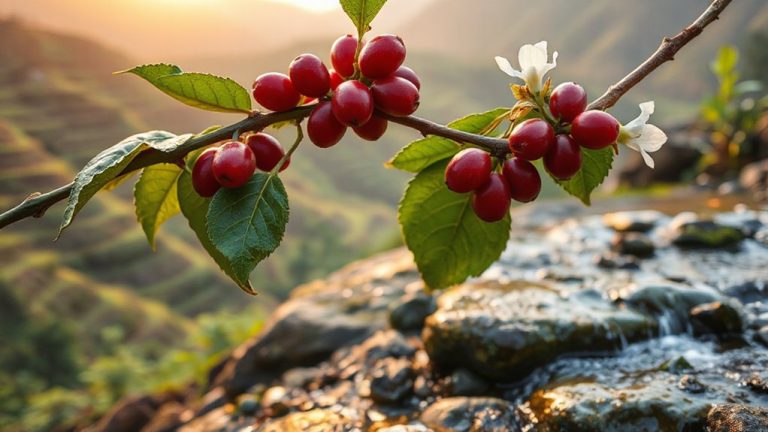
You’re probably familiar with coffee as a daily ritual, but its brewing story starts centuries ago in Ethiopia, where people first discovered the energizing effects of coffee berries. From there, it spread to Yemen, where Sufi monks began brewing the first real cups to stay alert during prayers. This shift marked the origins of roasting-beans were darkened over fire to deepen flavor, a technique still essential today. Yemeni traders then controlled early trade routes, shipping beans from Mocha port to the wider Islamic world. These routes helped standardize preparation using simple tools like the ibrik, a small pot for boiling grounds in water. Unlike raw or sun-dried methods, roasting offered consistent taste and longer shelf life. Practical, reliable, and scalable, this early system laid the foundation for all future brewing methods. Your morning cup traces back to these deliberate, functional beginnings.
Coffee Brewing in Turkish and European Cafés
While coffee spread through the Ottoman Empire, it was in Turkey that brewing became a refined practice, centered around the cezve-a small, long-handled pot used to heat finely ground coffee with water and often sugar. You control the heat carefully, letting the mixture foam up just once or twice before pouring. This method delivers a strong, gritty cup with rich flavor and no filter. Turkish coffeehouses became social hubs where people gathered not just to drink but to talk and play games. As coffee moved into Europe, the culture shifted. You’ll find that European espresso bars, especially in Italy, rely on high-pressure machines to extract concentrated shots quickly. Unlike the slow ritual of Turkish coffee, espresso suits a faster pace. The gear is more complex and costly, but it allows for milk drinks like lattes. Each style has its strengths-tradition and simplicity on one side, speed and variety on the other. Today, modern appliances like the best electric Turkish coffee makers make it easier to enjoy this traditional brew at home with consistent results.
Drip Coffee: The Home Brewing Revolution
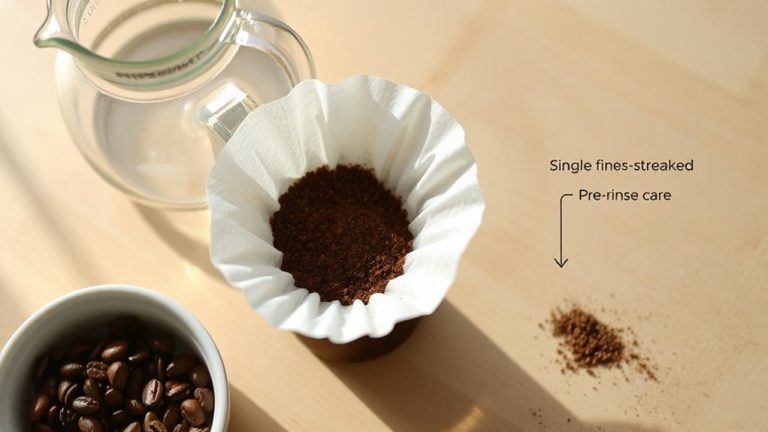
When you think about the rise of coffee at home, drip brewing likely comes to mind-it’s the backbone of most morning routines in countries like the United States. Drip coffee became popular thanks to automatic brewers that let you set a timer and wake up to fresh coffee. These machines drip hot water over grounds held in paper filters, which trap oils and sediment for a clean, consistent cup. While some say this method lacks richness, it’s reliable and easy to scale for multiple servings. Top models in the best drip coffee makers category offer enhanced brew strength and temperature control for a more refined result.
Espresso and Instant: Brewing Technology in the 20th Century
Though it originated earlier, espresso truly transformed coffee culture in the 20th century by delivering a concentrated, full-bodied shot in seconds. You’ll need espresso machines to achieve the high pressure required-typically 9 bars-for proper extraction. These machines evolved from manual levers to semi-automatic and super-automatic models, making them usable in both cafes and homes. While they offer rich flavor and crema, they demand maintenance, precise grind size, and fresh beans. On the opposite end, instant coffee gave you speed and simplicity with instant granules that dissolve in hot water. Though lower in complexity and aroma, they’re convenient for travel or quick fixes. Instant granules have improved over time, with freeze-dried versions preserving more flavor than traditional spray-dried ones. You choose: espresso machines for quality and ritual, or instant granules for efficiency and ease. Each fits different needs in modern coffee life. Expert recommendations can help you find the right best espresso machines for your skill level and budget.
The Third Wave: Where Craft Meets Tradition in Coffee Brewing
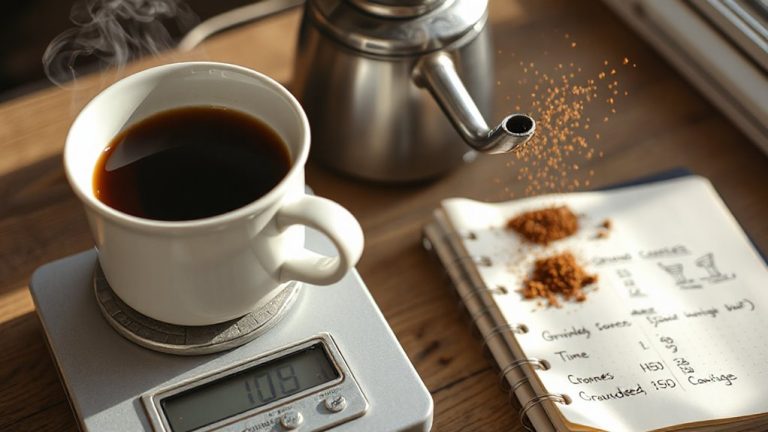
The 20th century’s push for speed and convenience in coffee-seen in espresso’s precision and instant coffee’s simplicity-set the stage for a shift that revalues origin, flavor, and method. Now, you’re in the Third Wave, where craft meets tradition. You’ll notice artisan roasting-small-batch, light to medium roasts that highlight a bean’s unique notes from region, soil, and processing. You rely on sensory evaluation, like cupping, to assess aroma, acidity, body, and sweetness, ensuring quality and consistency. Brewing tools like pour-over kettles, precise grinders, and scales down to 0.1 grams help you reproduce methods like V60 or Chemex accurately. Unlike mass-market blends, single-origin beans are standard here. While this approach takes more time and gear, it rewards you with cleaner, more nuanced cups. You don’t just drink coffee-you explore it, one carefully brewed cup at a time.
On a final note
You’ve seen how brewing methods evolved from simple boiled pots to precise espresso machines. Each method offers distinct flavors and demands different gear. Pour-over gives control but needs attention; French press is forgiving but less clean. Machines like the AeroPress balance speed and quality. Your choice depends on time, taste, and effort. Knowing the pros and cons helps you pick what fits-no single method is best, just right for your routine.