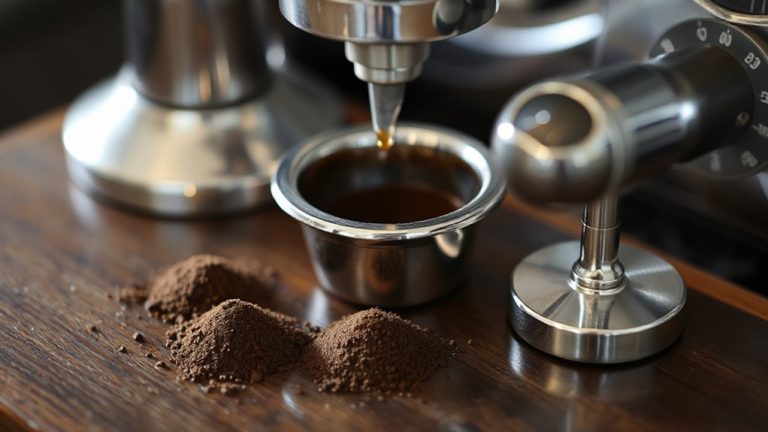
What Makes Nyamasheke Coffee Exceptionally Clean and Floral
You get clean, floral Nyamasheke coffee because high altitudes and cool nights slow bean development, boosting bright, nuanced flavors. Volcanic soil adds crisp acidity and sugar-like sweetness, while consistent rainfall reduces plant stress. Small farms allow close care, hand-harvesting guarantees only ripe cherries are picked, and washed processing removes impurities. All this precision locks in purity and clarity-every step shapes the cup’s clean, aromatic profile.
Notable Insights
- High-altitude farms enable slow bean development, enhancing brightness and floral complexity in the cup.
- Cool temperatures and volcanic soils reduce plant stress, minimizing off-flavors and promoting clean taste profiles.
- Volcanic soil provides rich minerals and balanced drainage, fostering crisp acidity and sugar-like sweetness.
- Hand-harvesting ensures only ripe cherries are picked, avoiding sour or fermented notes from underripe fruit.
- Washed processing with controlled fermentation clarifies flavor, preserving floral notes and bright, clean characteristics.
What Makes Nyamasheke Coffee So Clean and Floral?
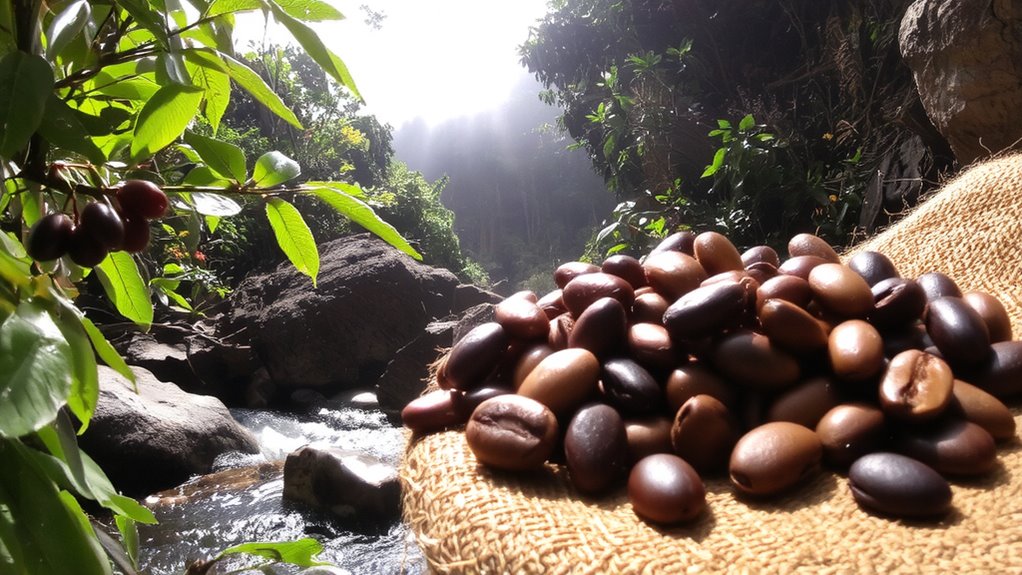
Nyamasheke’s reputation for clean, floral coffee starts with its high-altitude farms, where cooler temperatures slow bean development and promote dense structure-key for bright, nuanced flavors. You’ll notice the terroir influence here is distinct: volcanic soils and consistent moisture feed the plants steadily, reducing stress and off-flavors. These conditions, combined with stable climate patterns, help limit disease and over-fermentation, both of which can muddy a cup. When climate patterns stay predictable, farmers can time harvests precisely, ensuring only ripe cherries are picked-critical for clarity in the final brew. Using a burr grinder set to medium-fine, you’ll extract more floral notes without bitterness. Paper filters in pour-over setups further enhance cleanliness by trapping oils. Unlike regions with erratic weather, Nyamasheke’s terroir influence offers repeatability-you get consistent quality, batch after batch. This makes it a practical choice for brewers who value precision and flavor clarity over boldness.
How Altitude and Rain Create Bright, Balanced Beans
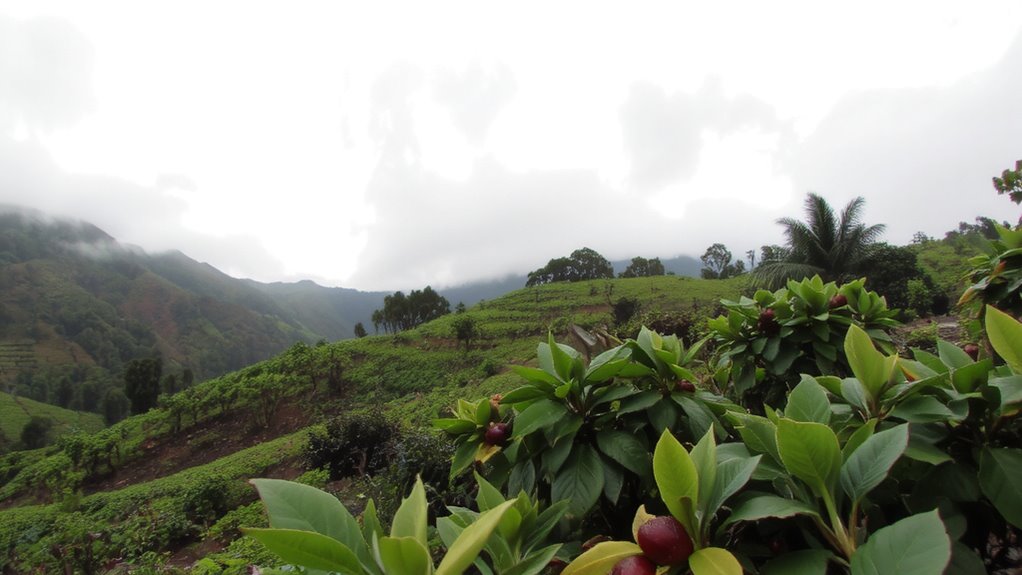
When beans grow at higher elevations, like those in Nyamasheke, cooler nighttime temperatures slow sugar development, which helps build complex, bright flavors. You get a cup with lively acidity and smooth balance, largely due to microclimate influence. Rainfall is steady, feeding the plants just enough without waterlogging roots-ideal for Arabica. This seasonal consistency means beans mature evenly on the branch, so when harvested, they roast uniformly. You’ll notice fewer underdeveloped notes and greater clarity in the cup. The elevation also increases bean density, which responds well to medium roasting, preserving floral hints without tipping into sourness. If you’re brewing, use a cone dripper like a Hario V60 to highlight those bright tones. Just grind medium-fine and keep water just off boil. Altitude and rain aren’t just geography-they’re flavor essentials you can taste.
Why Volcanic Soil Boosts Nyamasheke’s Acidity and Sweetness
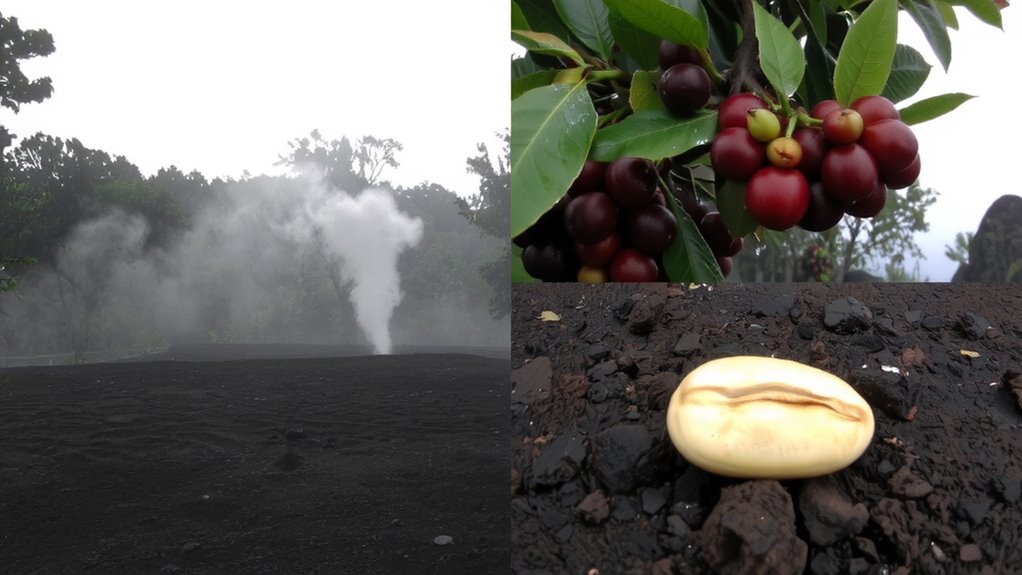
While you might not think soil plays a big role in your morning cup, the volcanic earth in this region directly shapes the beans’ bright acidity and clean sweetness. Nyamasheke’s soil composition is rich in volcanic minerals, which enhance nutrient uptake in coffee plants. This mineral richness translates into more vibrant flavor profiles-think citrusy notes and a crisp finish. Volcanic soil also drains well but retains enough moisture to support steady plant growth, helping beans develop slowly and evenly. That slow maturation is key for balancing acidity and sweetness. Compared to other regions with denser or sandier soils, Nyamasheke’s volcanic base provides a more consistent foundation for high-quality beans. You’ll notice the results in the cup: clarity, lift, and a delicate sugar-like sweetness. It’s not just the altitude or rain-this soil is doing quiet, essential work. When choosing beans, consider origin soil as a factor in flavor precision.
How Smallholder Farms Maintain Nyamasheke Coffee Quality
Most of the coffee you’ll find from this region comes from smallholder farms, where families manage just a few hectares each, and that scale makes a real difference in quality. You’re seeing hands-on care-farmers can closely monitor each plant, respond quickly to pests or disease, and guarantee only ripe cherries are picked. Crop rotation is common, even on small plots; they often grow beans, maize, or bananas between coffee rows. This practice supports long-term soil health by preventing nutrient depletion and reducing erosion. Healthier soil means stronger plants and more consistent bean development, which directly influences clean, floral cup profiles. Because plots are small and labor is family-based, inputs like fertilizers are used sparingly and mindfully. This low-intervention approach avoids chemical overload, letting the coffee express its natural terroir. You get a purer, more transparent flavor as a result-something roasters and brewers can work with more predictably.
Why Hand-Harvesting Matters for Nyamasheke’s Purity
Because each coffee cherry ripens at its own pace, hand-harvesting guarantees only the reddest, fully mature ones get picked-this selective picking is essential if you want a clean, floral cup from Nyamasheke. You can’t achieve that consistency with machines, which strip all cherries at once, mixing ripe, underripe, and overripe fruit. Proper harvest timing depends on close monitoring, something only possible when pickers visit farms every few days. That’s where picker training makes a difference: skilled workers learn to spot peak ripeness and avoid damaged or unripe cherries. Most Nyamasheke smallholders train their pickers seasonally, reinforcing precision. Hand-harvesting takes more time and labor, but skipping it risks fermentation or sour notes in the final cup. If purity and clarity matter to you, this careful approach is non-negotiable. It’s the foundation of quality before the beans even reach processing.
How Washed Processing Enhances Nyamasheke’s Clarity
If you’re after a clean, bright cup that highlights Nyamasheke’s floral character, washed processing makes all the difference. This method removes the coffee cherry pulp before drying, limiting unwanted fruit notes and boosting clarity. Precise water control during pulping and washing guarantees consistency, preventing over-soaking that can dull flavors. Fermentation precision is key-tanks are monitored carefully to stop breakdown just as mucilage loosens, avoiding sour or off-tasting notes. Compared to natural or honey processes, washed coffee offers a lighter body but far greater transparency, letting the bean’s origin shine. It requires more infrastructure-depulpers, fermenting tanks, channels-but the trade-off is control. Washed lots from Nyamasheke are especially responsive, their inherent brightness amplified when handled right. With stable temperatures and clean water, this process reliably delivers crisp, tea-like cups you can count on, batch after batch.
From Nyamasheke Slopes to Your Cup: The Flavor Journey
You can taste the care in every step once the beans leave the Nyamasheke hills, where high altitudes and rich volcanic soil set the foundation for a naturally bright, floral profile. The dominant bean variety, Arabica Bourbon, thrives here, its potential amplified by the region’s consistent climate influence-cool nights and misty mornings slow cherry development, boosting acidity and complexity. After careful harvesting and washed processing, the beans are hulled, sorted, and shipped green. When roasted lightly, say 385–400°F for 10–12 minutes, their inherent florals and citrus notes stay intact. Use a pour-over like a Hario V60 or a flat-bottom brewer to highlight clarity. Grind medium-fine, similar to table salt, and aim for a 1:16 coffee-to-water ratio. This method outperforms French presses, which can muddy the delicate profile. Ready in under five minutes, it’s precision over effort-ideal for those who want clean, aromatic flavor without advanced technique.
On a final note
You get clean, floral notes in Nyamasheke coffee because of high altitude, consistent rain, and volcanic soil. Small farms hand-harvest only ripe cherries, boosting quality. Washed processing clarifies the flavor further. For best results, brew with a pour-over or Aeropress to highlight its bright acidity. Use fresh, medium grind, and water just under boiling. This coffee shines when brewed precisely, not overloaded.