French Press Coffee and Chlorogenic Acids: How Brewing Affects Antioxidants
Your French press preserves more chlorogenic acids than paper-filtered methods because the metal mesh lets oily compounds pass through, keeping antioxidants intact. Light roast Arabica beans, especially from high altitudes, offer the most chlorogenic acids. Brew at 195–205°F for 4 minutes to maximize extraction. Coarse, even grinds help, and filtered water boosts clarity. Just know unfiltered coffee may slightly raise LDL due to cafestol. You’ll learn the best bean and grind choices next.
Notable Insights
- French press brewing retains more chlorogenic acids due to metal filtration that preserves antioxidant-rich coffee oils.
- Paper filters remove chlorogenic acids, reducing antioxidant levels compared to metal mesh in French press.
- Light to medium roasts preserve higher levels of chlorogenic acids than dark roasts in French press coffee.
- Water temperature between 195–205°F maximizes chlorogenic acid extraction during French press brewing.
- Coarse, consistent grind size optimizes extraction while minimizing over-leaching of antioxidants in French press.
What Are Chlorogenic Acids in Coffee?
Chlorogenic acids are a group of natural compounds found in coffee beans that play a key role in antioxidant activity. You’ll find them in many plant compounds linked to health benefits, especially in raw or lightly roasted beans. These antioxidant sources help neutralize free radicals in the body, and they’re one reason coffee is a top contributor to antioxidant intake in many diets. While processing and roasting reduce chlorogenic acid levels somewhat, they remain present in your cup depending on bean type and brew method. Arabica beans generally have more than Robusta, and lighter roasts preserve more than dark. You won’t taste them directly, but their presence affects acidity and bitterness. For maximum retention, grind fresh and brew with methods that limit prolonged high heat, though no method extracts them fully. You get a mix with every sip-part chemistry, part craft.
Why French Press May Preserve More Antioxidants
A good amount of research suggests your brewing method can make a real difference in how many antioxidants end up in your cup, and French press is one of the better choices for preserving them. That’s largely because of metal filtration-unlike paper filters, the mesh doesn’t trap oily compounds and beneficial molecules like chlorogenic acids. You get more antioxidants in your cup simply because they’re allowed to pass through. The grind coarseness also plays a role; a coarse grind slows extraction just enough to avoid over-leaching bitter compounds while still releasing antioxidants. Just remember, consistency matters-grind too fine, and you’ll get over-extraction and sediment. Stick with a burr grinder and medium-coarse to coarse settings for best results. Metal filtration and proper grind coarseness together make French press a practical pick for maximizing antioxidant retention without needing complex gear. For those concerned about plastic leaching, consider a plastic-free French press to avoid potential chemical contamination during brewing.
French Press vs. Paper Filter: The Antioxidant Showdown
When it comes to antioxidants, you’re likely getting more in your cup with a French press than you would from a paper-filtered brew. That’s because the metal mesh doesn’t trap oils and fine particles like paper filters do-these contain chlorogenic acids, key antioxidants. Paper filters, such as those in drip machines, remove most of these compounds, giving you a cleaner but less antioxidant-rich coffee. Your grind consistency matters: a coarse, even grind works best in a French press to avoid over-extraction and sludge. Uneven grinds can clog the mesh or slip through, affecting flavor and texture. Water quality also plays a role; filtered water brings out the best in your beans and preserves antioxidant levels. If you want more health-boosting compounds in your coffee, skipping the paper filter is a simple, effective choice-just mind your grind and water.
How Brew Time and Temperature Affect Chlorogenic Acids
You’ve already seen how the French press preserves more antioxidants than paper-filtered methods by letting oils and fine particles into your cup-now let’s look at what happens during brewing. Brew duration and temperature impact chlorogenic acid levels notably. Too hot or too long, and you risk degrading these antioxidants; too cool or too short, and you under-extract them. The sweet spot? Around 195–205°F with a brew duration of 4 minutes. This balances extraction without damage. See how small changes affect outcomes:
| Temperature | Brew Duration | Chlorogenic Acid Level |
|---|---|---|
| 185°F | 3 min | Low |
| 200°F | 4 min | High |
| 210°F | 5 min | Moderate |
| 190°F | 4 min | Medium |
| 205°F | 3 min | High |
Adjust your kettle and timer for consistent, antioxidant-rich results.
What Science Says About French Press and Health Benefits
While most brewing methods strip away certain compounds, the French press retains more of the coffee’s natural antioxidants thanks to its metal filter and full-immersion process. You get higher levels of chlorogenic acids, which studies link to reduced inflammation and better metabolic health. The coffee origin matters-beans from Ethiopia or Colombia tend to have more antioxidants than others. Light to medium roasts preserve more of these compounds than dark roasts, so your roasting level directly affects the health benefits. Unlike paper-filter methods like drip or pour-over, the French press lets oils and micronutrients pass through, boosting antioxidant content. Keep in mind, though, it may raise LDL cholesterol slightly due to oils like cafestol. If that’s a concern, moderation helps. For the best balance of flavor and health, choose high-altitude Arabica beans and avoid very dark roasts.
How to Make French Press Coffee for Maximum Antioxidants
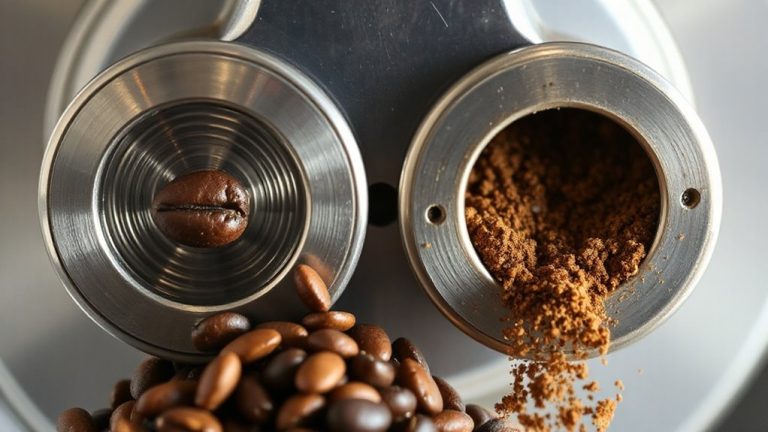
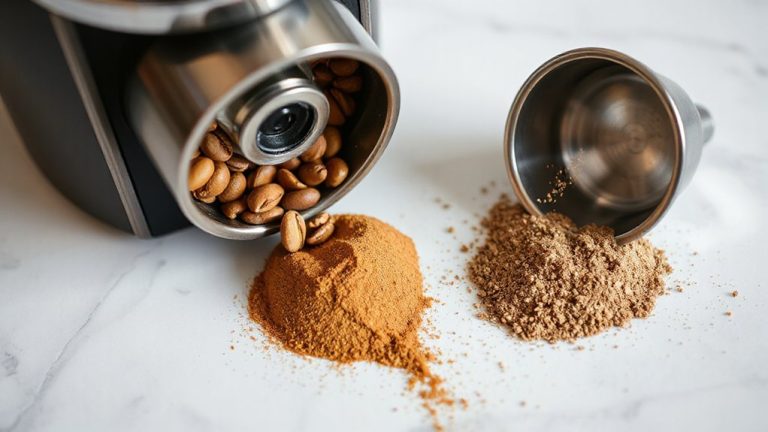
A French press isn’t just about bold flavor-it’s a tool for extracting more antioxidants from your coffee if used right. Start with bean freshness: use whole beans and grind them just before brewing, since chlorogenic acids degrade after grinding. Stale beans lose antioxidant potency, so aim to use them within two weeks of roasting. For grind consistency, go coarse-like sea salt-to prevent over-extraction and sludge. A burr grinder delivers even results; blade grinders often create uneven particles, which hurt extraction. Use water just off the boil-about 200°F-and steep for four minutes. Press down slowly. This method maximizes chlorogenic acid extraction without pulling out excessive bitter compounds. Avoid metal filters or paper-they remove oils and beneficial compounds. The standard mesh plunger included with most French presses works best. Stick to these basics, and your cup will retain more antioxidants naturally present in the beans. For optimal results, consider investing in one of the best French press picks for 2024, designed to enhance extraction and durability.
3 Tips to Boost Antioxidants in Every Cup
Since antioxidant levels in coffee depend heavily on how the beans are handled from storage to brewing, taking a few key steps can make a noticeable difference in every cup. Choose beans from a high-elevation coffee origin, like Ethiopian or Colombian, as they tend to have higher chlorogenic acid content. Store beans in an airtight container away from light and moisture to preserve antioxidant compounds. Grind your beans just before brewing-use a consistent medium-coarse grind size to prevent over-extraction and bitterness while maximizing antioxidant retention. A burr grinder delivers more uniform results than a blade grinder. Avoid boiling water; use water around 200°F to protect heat-sensitive antioxidants. Brew promptly after grinding, and consume within 20 minutes to enjoy peak antioxidant activity. These steps guarantee you extract the most health-supportive compounds from your French press brew without compromising flavor or quality.
On a final note
You get more chlorogenic acids in French press coffee because the metal filter lets oils and antioxidants pass through, unlike paper filters that trap them. Brewing longer and hotter can boost extraction, but avoid boiling water to prevent bitterness. For maximum antioxidants, use coarsely ground, fresh beans and steep for 4 minutes. A clean French press matters too-residue affects taste and quality. This method offers a simple, effective way to enjoy antioxidant-rich coffee daily.