Espresso Basket Sizes Explained: 7g Single to 21g+ Triple
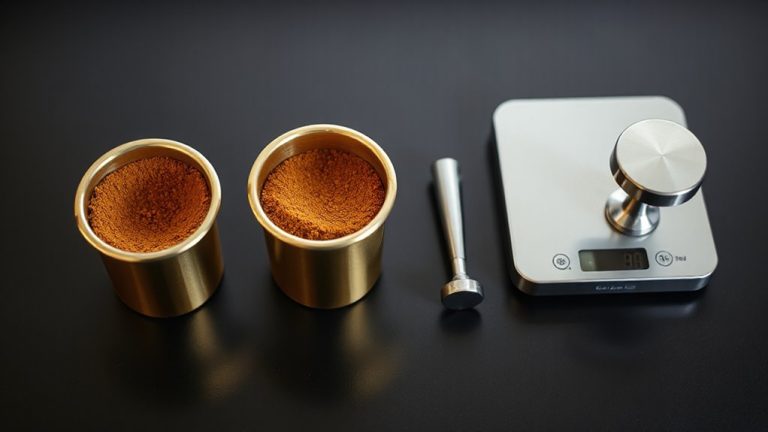
You’ll find single baskets hold 7–10 grams, ideal for lighter, traditional shots or older machines. Double baskets, the most common, take 16–20 grams and give balanced espresso for milk drinks or straight shots on modern 58mm portafilters. Triple baskets handle 21+ grams for strong, high-volume use but need precise grind and tamping. Size affects flavor, flow, and extraction-even small mismatches cause issues. Pick the right basket, and you’ll get cleaner, more consistent results every time.
Notable Insights
- Single baskets hold 7–10 grams and suit low-powered machines or small-batch espresso experimentation.
- Double baskets are standard, holding 16–20 grams for balanced 30–40 gram shots in 25–30 seconds.
- Triple baskets support 21+ grams, ideal for high-volume cafes or stronger, larger espresso outputs.
- Basket size affects extraction: smaller risks over-extraction, larger requires even tamping and grind consistency.
- Match basket type to portafilter size and maintain cleanliness to prevent channeling and flavor defects.
Understanding Espresso Basket Types: Single, Double, and Triple
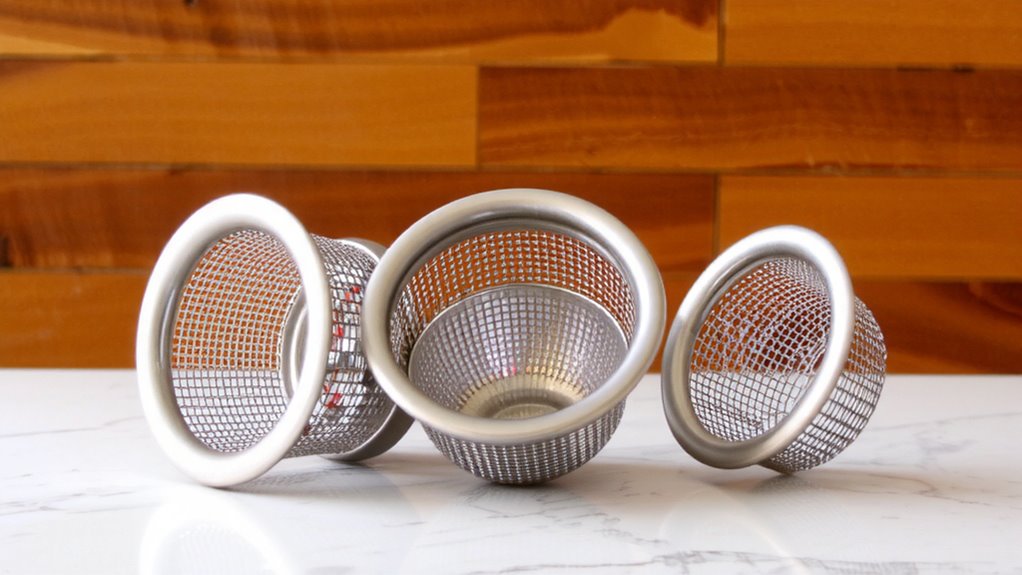
Espresso baskets aren’t one-size-fits-all-your machine’s portafilter houses different basket types designed for specific drink sizes and brewing needs. You’ll typically find single, double, or triple baskets, with double being the most common for modern semi-automatic machines. Your choice affects coffee volume and extraction: doubles (e.g., 18–20g) suit most lattes, while triples (21g+) support high-volume or low-pressure brewing. Always check portafilter compatibility-many baskets fit standard 558mm portafilters, but sizes vary. Basket material also matters; stainless steel is durable and corrosion-resistant, while some specialty baskets use coated or etched metals for precision flow control. Cheaper materials may warp or clog, hurting consistency. Using the wrong basket risks poor puck formation and channeling. Match basket size and material to your dose and machine specs to guarantee even extraction and reliable performance-no guesswork needed.
Single Espresso Baskets: When to Use a Small Dose
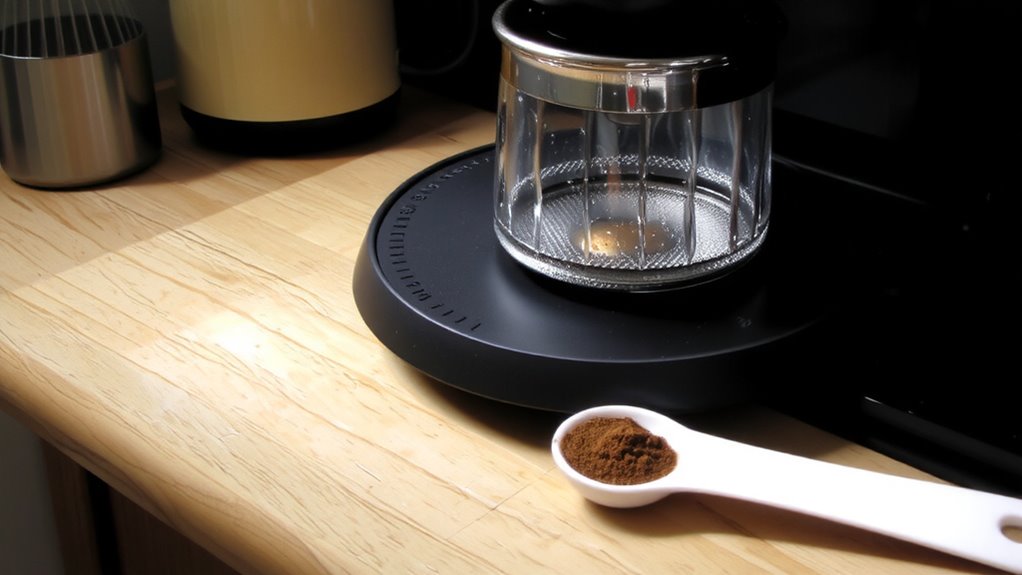
Why would you choose a single espresso basket when doubles dominate modern machines? Because sometimes you want brewing precision with a smaller, focused shot. Single baskets typically hold 7–10 grams of coffee, ideal when you’re fine-tuning a recipe or working with older or lower-powered equipment. They require less coffee, which helps when sampling scarce or expensive beans. While they’re less common, they offer unmatched flavor concentration in a short shot-think traditional Italian espresso. You’ll need to dose carefully, as small errors affect taste more. Not all portafilters include singles, so check compatibility. They’re not for high-volume use, but if you value control and intensity in small servings, a single basket gives you a direct, potent experience. Just don’t expect volume-this is about quality, not quantity.
Double Espresso Baskets: The Standard for Balanced Shots
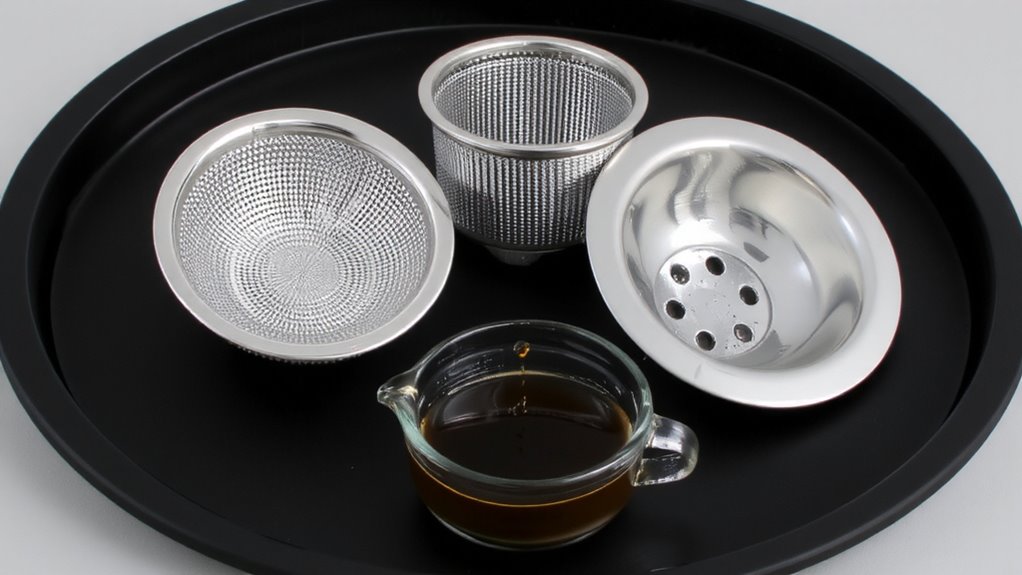
Most specialty cafes and home baristas rely on double baskets as their go-to choice, and for good reason-they’re built for consistency and balance. You’ll typically use 16–20 grams of coffee to pull a 30–40 gram shot in 25–30 seconds, making it ideal for daily brewing. Double baskets fit most portafilters and work well with a wide range of grinders, allowing for reliable basket calibration. This consistency supports shot optimization, helping you tweak grind size, dose, and tamp for even extraction. Unlike single baskets, doubles reduce the risk of under-extraction and channeling, especially with modern espresso machines. They’re forgiving, repeatable, and perfect for milk drinks or straight shots. While not the largest option, they strike the best balance between control and output. For most users, a properly calibrated double basket delivers the most predictable results, which is why it’s the standard in training and service.
Triple Espresso Baskets: Powering Stronger, Bolder Espresso
You’ll want a triple basket when you’re after a stronger, more intense shot without stacking multiple pulls. These baskets hold around 21 grams or more of coffee, making them ideal for high-volume cafes or anyone who prefers a heavier espresso. Because of the larger volume, triple basket calibration is key-your grinder must deliver a precise, even particle size to guarantee consistent extraction. You’ll also need strong, even high dose tamping to compress the larger puck properly; otherwise, channeling becomes likely. Not all portafilters support triple baskets, so check compatibility first. While they boost output and strength, they demand more skill and attention than doubles. If your machine can handle the pressure and your palate craves boldness, a triple basket could be a practical upgrade-just be ready to fine-tune your technique. Upgrading to a high-quality espresso portafilter can significantly improve heat retention and extraction stability when using triple baskets.
How Basket Size Affects Espresso Extraction and Flavor
While basket size might seem like a small detail, it directly shapes both extraction and flavor in your espresso. A smaller basket, like a single, heats up faster and may over-extract if your grind consistency is off, leading to bitterness. Larger baskets, like doubles and triples, spread the puck thinner, promoting even water flow-assuming your grind consistency is dialed in. If it’s not, you’ll see channeling, especially with higher doses. Water temperature interacts with this: too hot, and you risk scalding the coffee in a dense puck; too cool, and larger baskets may under-extract. You’ll need to tweak both water temperature and grind to match the basket. A well-matched setup gives balanced flavor, full sweetness, and clean finish. Get the fundamentals right, and your basket becomes a precision tool-not just a holder.
Matching Your Basket to Coffee Dose and Drink Style
A properly matched basket, dose, and drink style set the foundation for consistent, high-quality espresso. You need to take into account portafilter compatibility first-your basket must fit your portafilter’s size and group head. Most home machines use 58mm portafilters with double or triple baskets. Basket durability matters too, especially with daily use; hardened stainless steel resists warping and scoring.
Match your dose and drink style like this:
| Basket Size | Coffee Dose (g) | Best For |
|---|---|---|
| Single | 7–9 | Singles, small cafes |
| Double | 14–18 | Most lattes, home use |
| Triple | 18–21 | Ristretto, high-volume shops |
Using the right combo improves extraction and machine performance. Always verify fit and build quality.
Common Basket Mistakes and How to Avoid Them
If you’ve ever pulled a shot that gushed or choked, the issue might not be your technique-it could be your basket choice. Using the wrong size leads to uneven extraction, so always match your basket to your dose. A loose basket in the portafilter fit causes leaks and pressure loss-make sure it sits snug and secure. Over time, stainless steel can suffer basket corrosion, especially if you use harsh cleaners or let it sit wet; replace it if you see pitting or discoloration. Never force a basket into a portafilter that doesn’t fit-some brands aren’t universal, like VST and IMS. Also, skipping a proper grind adjustment for your basket depth throws things off. And don’t forget to clean your basket after each use; old coffee oils clog pores and alter flow. Watch these details, and your shots will be far more consistent.
On a final note
You’ll choose your basket based on dose and drink size. Single baskets (14–18g) suit smaller, milder shots but limit espresso volume. Doubles (18–21g) are standard, offering balance and consistency for most drinks. Triples (21–24g+) deliver higher yield and intensity, ideal for volume or stronger espresso. Match basket size to your grinder’s output and preferred shot style. Using the wrong basket risks under- or over-extraction, so calibrate dose, yield, and time carefully.