What Makes Mandheling Coffee a Full-Bodied, Syrupy Experience
You get Mandheling’s full body and syrupy texture from Sumatra’s volcanic soil and cool, humid highlands, which slow bean growth and boost density. The wet-hulling process, done while beans are still moist, further enhances its heavy mouthfeel. Roast it medium-dark to preserve richness without charring. Brew with a French press using coarse grounds and water just under boiling for best results. You’ll notice how origin, process, and method shape every bold, chocolatey sip.
Notable Insights
- Grown in volcanic soil at high altitudes, Mandheling beans develop dense structure and rich body.
- Slow maturation in humid, tropical highlands enhances sugar development and bean density.
- Wet-hulling (Giling Basah) removes husks while beans are moist, contributing to syrupy mouthfeel.
- Traditional farming by Batak communities preserves terroir-driven qualities and cup consistency.
- Medium-dark roasting and French press brewing optimize its full body and silky texture.
What Is Mandheling Coffee and Where Does It Come From?
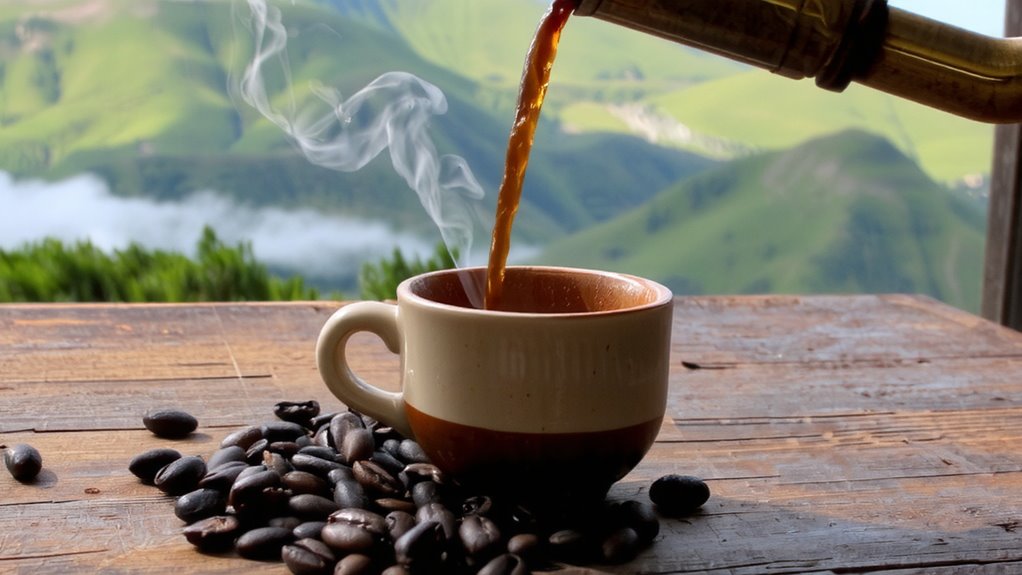
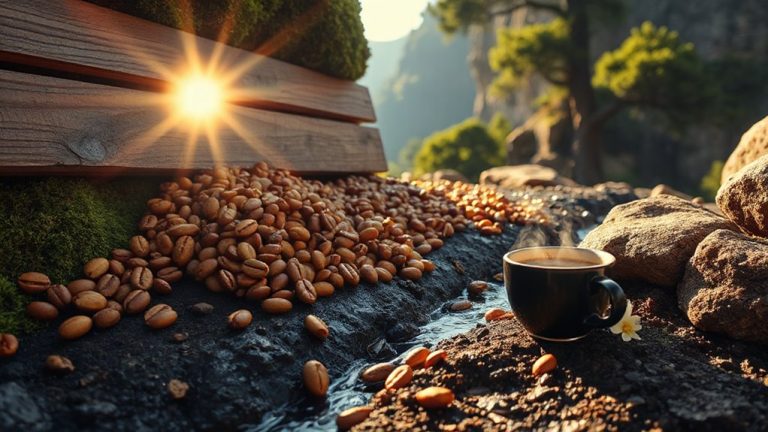
Mandheling coffee comes from northern Sumatra in Indonesia, typically grown by smallholder farmers in the lush highlands near Lake Toba. You’ll find its origin history tied to local Batak communities who’ve cultivated coffee for generations using traditional methods. The name “Mandheling” was popularized by early traders, though it’s more geographic than ethnic. This coffee carries strong cultural significance, often linked to village-based farming cooperatives that rely on coffee for livelihood. Most farms are small, under five acres, and harvest once a year. You’ll see wet-hulling (giling basah) used widely, which contributes to its distinct profile. It’s not just about taste-it’s a product shaped by local practice and resilience. When you buy authentic Mandheling, you’re getting coffee rooted in real farming conditions, not mass production. Look for single-origin labels from trusted roasters to guarantee quality and traceability.
How Sumatra’s Climate Shapes Mandheling’s Bold Profile
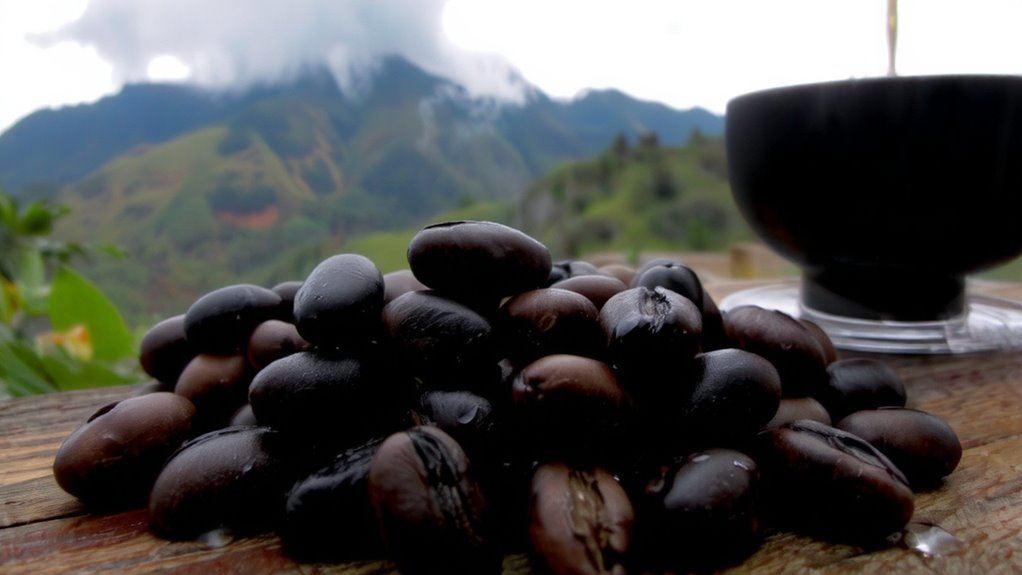
While high altitudes and consistent rainfall across Sumatra’s northern highlands create ideal growing conditions, it’s the region’s tropical humidity and distinct wet-dry cycles that really shape the bold character of Mandheling coffee. You’ll notice how the high humidity slows the drying of coffee beans, allowing more complex sugars to develop, which contributes to a deeper, earthier flavor. The volcanic soil, rich in minerals from ancient eruptions, feeds the plants with nutrients that enhance body and reduce acidity. These conditions mean the beans mature slower, leading to denser, more flavorful seeds. You can expect a heavy mouthfeel and low brightness, typical of coffees grown in such moist, fertile environments. When sourcing Mandheling, look for beans fromLintong or Gayo regions-they reflect these climate traits most clearly. Understanding how environment shapes taste helps you choose beans that match your preferred brewing style and flavor goals.
Why Wet-Hulling Gives Mandheling Its Signature Body
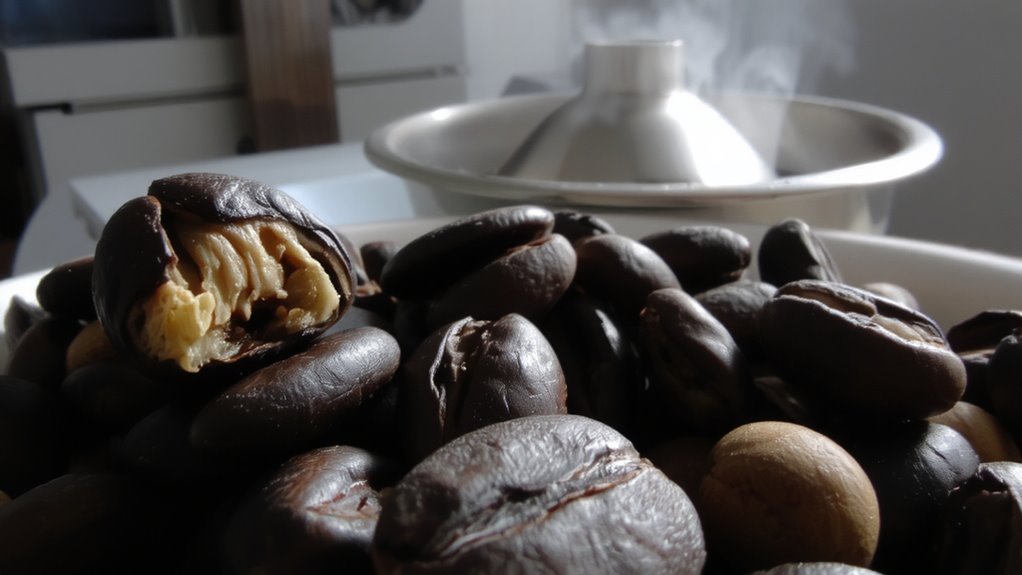
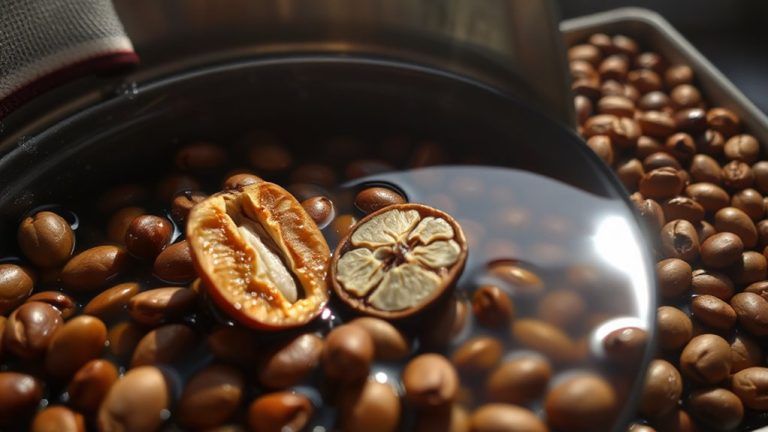
You’ve seen how Sumatra’s humidity and rich soil influence Mandheling’s deep, low-acid profile, but the real twist in its flavor story comes after harvest-during processing. The wet hulling process, locally called *giling basah*, is key. Farmers remove the coffee’s outer skin shortly after harvest, then let the beans dry slightly with the mucilage still on. They’re hulled while still moist, not fully dried like in most methods. This speeds drying in humid climates but alters bean structure, contributing to Mandheling’s bold body and unique texture-dense, almost syrupy. Wet hulling can increase瑕疵 if not carefully managed, but when done right, it enhances mouthfeel without needing dark roasting. Compared to washed or natural processes, this method gives a heavier cup that stands out in espresso blends or milk drinks. It’s a practical adaptation with sensory payoff-just make sure your brew method highlights body, like a French press or sturdy drip coffee maker.
The Earthy, Chocolatey Flavor Notes of Mandheling
When you sip a well-brewed cup of Mandheling, the first flavors that stand out are deep and grounded-think dark chocolate, toasted nuts, and a subtle earthiness that’s more damp forest floor than dirt. You’ll notice its rich aroma right away, full of cocoa and mild spice, pulling you into the experience without sharp acidity. That deep sweetness lingers in a smooth, rounded way, balancing the bold body without needing added sugar. These notes aren’t accidental-they come from Sumatra’s fertile soil and careful post-harvest handling. A clean, metal filter in your French press can emphasize clarity, while a paper filter might mute some earthiness. If you grind too fine, the heavy flavors can turn ashy, especially in espresso. For best results, use slightly coarser settings and water just off the boil. You’ll preserve the syrupy texture and let those chocolatey, earthy tones shine without overpowering bitterness.
How Roast Level Affects Mandheling’s Depth and Mouthfeel
Dark roast tends to amplify Mandheling’s natural depth, deepening the cocoa and forest floor notes you already know from the lighter side. Roast intensity plays a key role-higher heat over longer time reduces acidity and boosts body, giving you that syrupy mouthfeel Mandheling is known for. But push it too far, and you risk overshadowing the bean’s subtle complexity with charred or ashy tones. Medium-dark strikes a sweet spot for most home roasters using drum or air roasters, preserving some origin character while enhancing richness. Bean age matters too: freshly roasted Mandheling delivers fuller texture and aroma, while flavors dull after 3–4 weeks post-roast. Store it in an airtight container away from light to maintain peak mouthfeel. Roast level isn’t just preference-it’s a tool shaping body, depth, and balance in your cup.
Best Brewing Methods for Velvety Mandheling
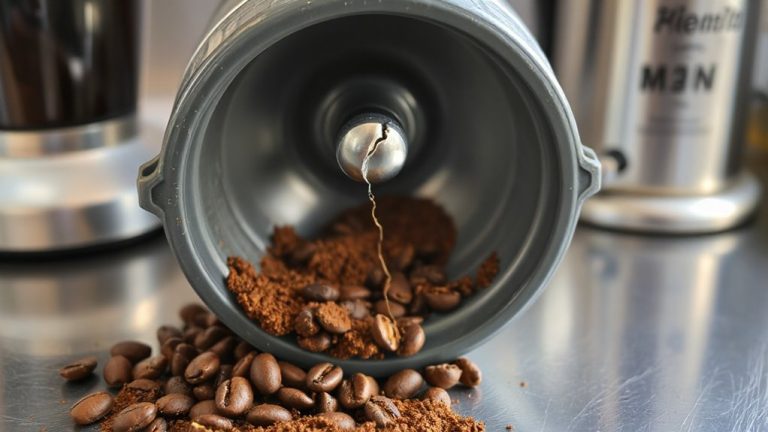
While roast level sets the stage, your brewing method can make or break the velvety texture Mandheling is known for. For best results, use a French press-it draws out the coffee’s full body and oils without over-extracting. Aim for a brew temperature between 195°F and 205°F; too hot and you risk bitterness, too cool and the syrupy mouthfeel fades. Grind consistency is key: go coarse, like sea salt, to prevent sludge and guarantee even extraction. Pour-over methods like Chemex can work, but they filter more oils, reducing richness. A high-quality burr grinder gives you the uniform particles needed for balanced flavor. Espresso is another solid option if you enjoy intensity-just mind the shorter brew time. No matter your gear, always measure your coffee (try 1:15 coffee-to-water) and adjust based on taste. For optimal results, choose one of the best French press coffee makers that ensures consistent brewing and durable construction.
How to Spot Real Mandheling: Origin, Roast, and Freshness Signs
If you’re after authentic Mandheling coffee, start by checking the label for clear origin details-real Mandheling comes exclusively from the highlands of Sumatra, Indonesia, often grown near Lake Toba and processed using the wet-hulling method locals call *giling basah*. Look for Mandheling certifications like Sustainably Grown or Rainforest Alliance, which verify ethical sourcing and quality control. True Mandheling uses Arabica bean varietals, typically Typica or local strains adapted to Sumatra’s volcanic soil. The roast should be medium to full-too light and you lose body, too dark and you mask its earthy-sweet complexity. Freshness matters: check the roast date, not just the sell-by. Beans roasted within the past three weeks deliver the fullest mouthfeel. Avoid pre-ground; grind just before brewing to preserve oils. Reputable roasters list origin, roast date, and bean varietals-skip brands that don’t.
On a final note
You’ll get the best from Mandheling using a medium-dark roast in a French press or pour-over. The beans’ full body shines when brewed with slightly cooler water (195–205°F) to avoid bitterness. Look for fresh, earthy aromas and a syrupy mouthfeel-signs of proper wet-hulling and Sumatran terroir. Store beans in an airtight container away from light. Avoid over-extraction; grind coarse for French press, medium for pour-over.