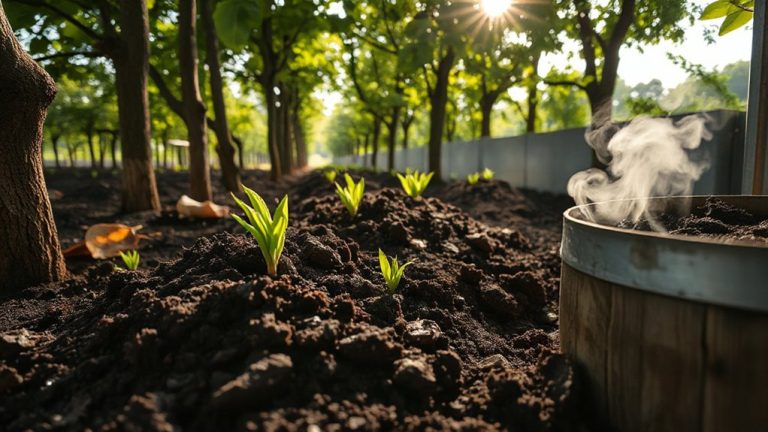
Why Tanga’s Coastal Position Limits Coffee Suitability Despite Tradition
You can’t grow quality coffee in Tanga because its coastal position means low elevation, hot temperatures, and salty winds-all bad for coffee plants. High humidity fuels leaf rust, while salt buildup in soil blocks nutrient uptake. Even with traditional knowledge, the land lacks the cool nights and volcanic soil found in highland regions like Kilimanjaro or Mbeya. Without those conditions, beans roast flat and lack complexity. The environment simply works against you, no matter the effort-other regions solve these flaws by design.
Notable Insights
- Tanga’s low elevation lacks the cooler temperatures needed for slow, flavorful coffee bean development.
- Coastal winds increase evaporation and carry salt spray, damaging coffee plants and raising soil salinity.
- High soil salinity impairs nutrient uptake, stunting growth and reducing coffee yields.
- Constant humidity and moisture promote fungal diseases like coffee leaf rust.
- Absence of volcanic soils and highland drainage patterns undermines soil fertility and root health.
Why Tanga’s Climate Kills Coffee Growth
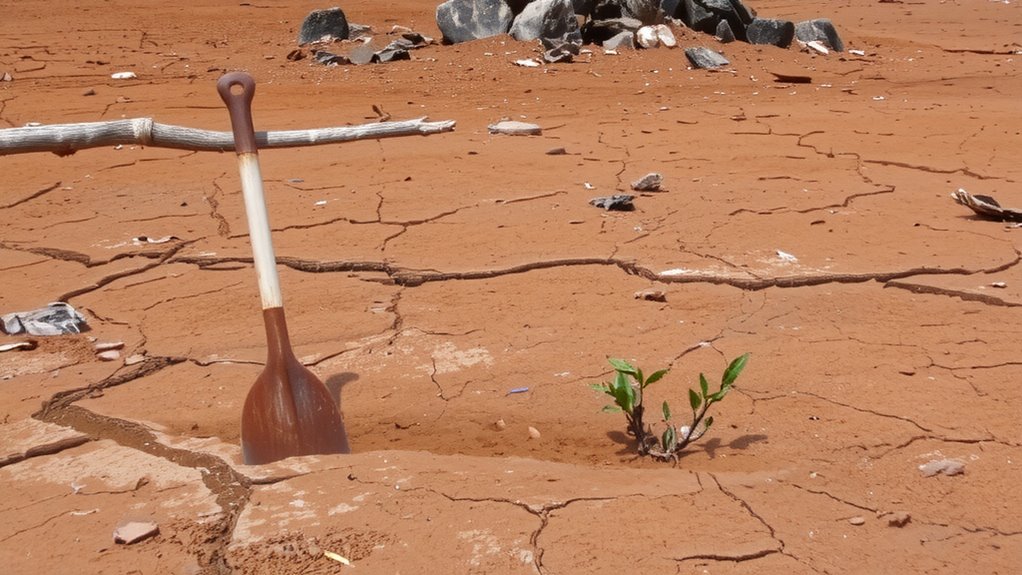
While Tanga’s coastal location gives it access to key trade routes, the climate that comes with it makes growing coffee nearly impossible. You’ll find that consistent wind patterns along the coast increase evaporation and cool plant surfaces, disrupting the stable warmth coffee plants need to thrive. These winds also carry salt spray inland, raising soil salinity to levels that damage coffee roots and reduce nutrient uptake. High soil salinity stunts growth and lowers yield, even if irrigation is available. Unlike highland regions where cooler temps and rich volcanic soils support coffee, Tanga’s coastal plain offers neither. You’re better off focusing on salt-tolerant crops or investing in controlled environments if you’re set on growing here. For quality beans, farmers in Tanzania typically turn to regions like Kilimanjaro or Arusha, where elevation, soil, and climate align with coffee’s needs.
How Low Elevation Ruins Coffee in Tanga
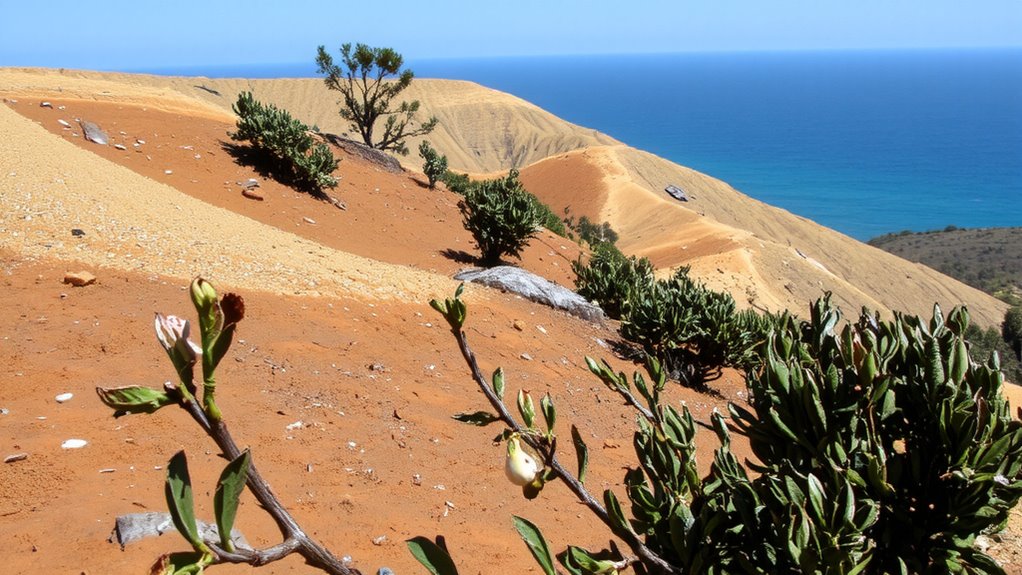
Since coffee thrives best at higher elevations where cooler temperatures slow bean development and enhance flavor, Tanga’s low-lying coastal terrain works against it from the start. You’re dealing with hotter temps that rush bean maturation, leading to bland, underdeveloped flavors. At this low elevation, the soil drainage is too rapid in some areas and poor in others, leaving roots stressed or waterlogged-neither helps consistent crop quality. Plus, constant coastal winds don’t just dry out plants; they also disrupt flowering and bean set. Without elevation’s natural cooling effect, acidity drops and sweetness suffers, making beans less desirable for specialty markets. Even with good farming practices, the altitude deficit can’t be overcome. If you’re serious about quality coffee, you’d need to source from higher regions like Mbeya or Kilimanjaro zones, where elevation supports better density and flavor complexity. Tanga’s geography simply limits what the crop can achieve.
Salt, Humidity, and the Hidden Barriers to Coffee
What happens when salt-laden air and constant humidity meet coffee plants? You get struggling crops. Coastal fog regularly drenches Tanga, trapping moisture that coffee plants can’t easily process. That humidity encourages fungal diseases like coffee leaf rust, which cut yields fast. Worse, the air carries salt that settles into the soil, increasing soil salinity. High salinity disrupts nutrient uptake-roots absorb sodium instead of magnesium or potassium, weakening the plant over time. Even if you plant shade trees or use drip irrigation, salt buildup remains hard to flush in low-lying areas. Unlike highland zones where dry periods help balance moisture, Tanga’s coastal conditions lack that reset. Coffee needs well-drained, low-salinity soil to thrive-conditions this region often can’t provide. You’re fighting nature, not farming with it. Equipment and effort won’t fix these hidden environmental limits.
Why Farming Tradition Isn’t Enough in Tanga
How long will traditional farming methods really work when the environment is stacked against you? In Tanga, relying solely on inherited farming techniques won’t overcome the region’s unsuitable conditions. You might stick to familiar practices, but soil acidity here often falls outside the ideal range for coffee, weakening plant health and yield. Even skilled labor and careful tending can’t compensate for land that’s inherently mismatched. Modern farming techniques-like soil testing, lime application to balance pH, and shade management-can help, but they require resources and training many farmers lack. Without these adjustments, tradition becomes a trap, not a tool. You need more than routine; you need adaptation. Yet even advanced methods struggle when the coastal climate and low elevation undercut progress from the start. Tradition has value, but not where the science clearly shows limitations.
Where Coffee Grows in Tanzania (Not Tanga)
While Tanga’s coastal conditions don’t support coffee, you’ll find Tanzania’s main coffee-growing regions farther inland and at higher elevations, where the climate and soil are far more favorable. You’re looking at areas like Kilimanjaro, Mbeya, and Ruvuma-places with high rainfall and fertile soil ideal for Arabica beans. These regions sit between 1,200 and 1,800 meters above sea level, giving the beans slow development and dense flavors. The high rainfall guarantees consistent hydration, while volcanic and loamy soils boost nutrient availability. Unlike coastal Tanga, these zones offer cooler nights and well-defined dry seasons, vital for flowering and harvest timing. If you’re sourcing Tanzanian coffee, focus on estates near Mount Kilimanjaro or the Southern Highlands. They reliably produce beans with bright acidity and complex notes-exactly what works in most drip brewers or pour-overs without needing adjustment.
On a final note
You won’t grow quality coffee in T Qaeda-low elevation, coastal humidity, and salt air stunt the beans. Tradition doesn’t override climate. If you’re serious, source Tanzanian beans from higher zones like Kilimanjaro or Mbeya instead. For brewing, stick to reliable gear: a $20 AeroPress handles Tanzanian light roasts well, or use a Chemex for cleaner flavor. Skip Tanga-grown myths; real quality starts where the elevation rises and humidity drops.