The Impact of Fermentation Duration on Final Coffee Flavor Profile: Diving Into Microbiology’s Role in Coffee Production
You control the flavor of your coffee more than you think-fermentation time steers microbes like *Saccharomyces* and *Lactobacillus* to shape acidity, sweetness, and complexity. Short ferments (6–24 hours) boost bright, fruity notes with less risk of off-flavors, ideal for washed coffees. Long ferments (up to 72 hours) build chocolate, earth, and winey depth but need careful monitoring. Temperature, bean type, and vessel matter. There’s more to how these variables interact than most realize.
Notable Insights
- Fermentation duration directly influences microbial activity, shaping the coffee’s acidity, sweetness, and aromatic profile.
- Short ferments (6–24 hours) preserve bright, fruity notes by limiting microbial progression and acid development.
- Long ferments (>24 hours) promote complex flavors like chocolate, spice, and wine through extended microbial succession.
- Yeasts like *Saccharomyces* and bacteria like *Lactobacillus* produce flavor-active metabolites during different fermentation stages.
- Precise control of time, temperature, and microbes balances flavor complexity with consistency in the final cup.
What Happens During Coffee Fermentation
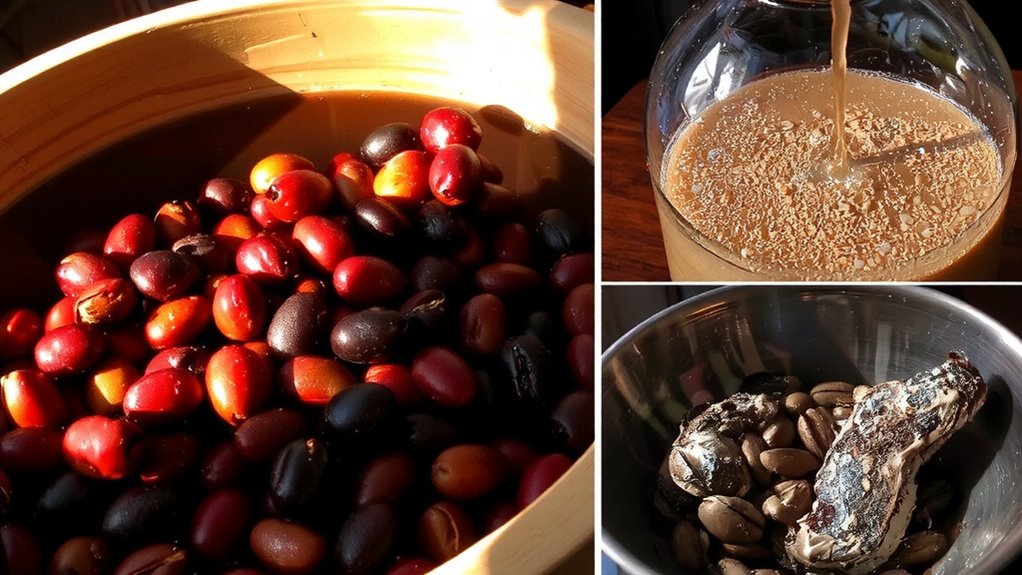
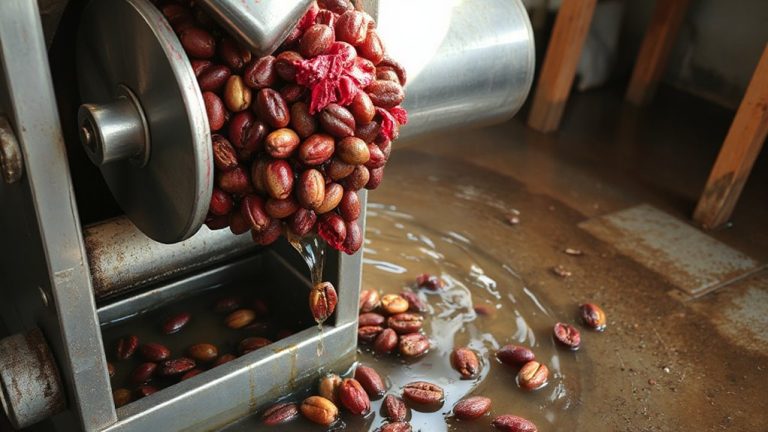
How does a simple soak in water change the taste of your morning brew? After coffee pulping, where the outer fruit layer is stripped from the bean, you’re left with mucilage-a sticky sugar layer. Water washing begins here, submerging beans in tanks for 12 to 48 hours. This controlled soak triggers fermentation, breaking down mucilage so it can be easily rinsed away. You don’t need special gear-many farms use concrete tanks with simple pH monitors. While fermenting, enzymes and naturally occurring compounds alter the bean’s chemical profile, affecting acidity and clarity in your cup. Over-fermenting risks off-flavors, while under-fermenting leaves residue that hampers drying. Water washing demands precise timing and clean water, but when done right, it yields a bright, clean cup. It’s a balance between effort and outcome-worth it for those chasing flavor consistency.
How Microbes Shape Coffee’s Flavor
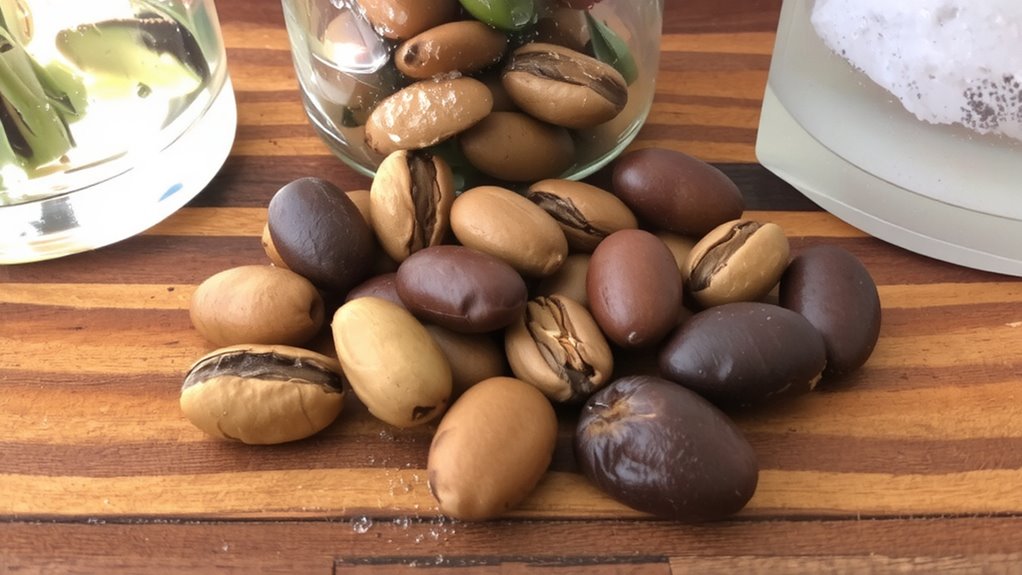
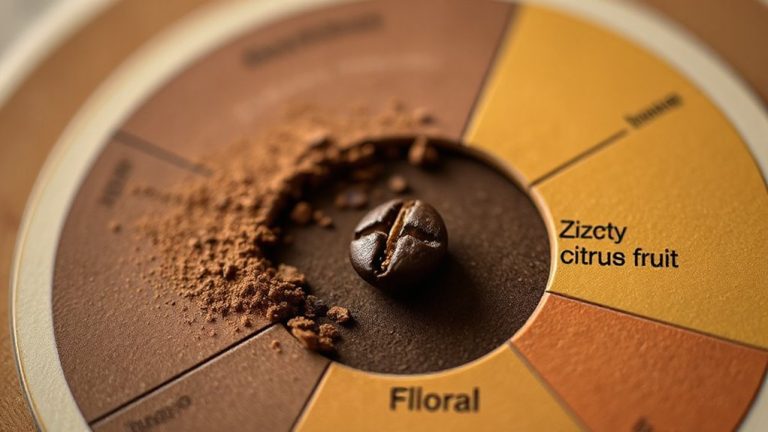
A quiet transformation happens during coffee fermentation, driven by microbes that quietly reshape flavor. You’re not just fermenting beans-you’re cultivating microbial diversity, which directly influences the compounds that define taste. These microbes, including yeasts like *Saccharomyces cerevisiae* and bacteria such as *Lactobacillus*, produce flavor metabolites such as esters, alcohols, and organic acids. These compounds can enhance fruity, floral, or acidic notes in the final cup. Higher microbial diversity often leads to more complex metabolite profiles, increasing flavor depth. However, uncontrolled diversity may introduce off-flavors, so consistency matters. Using inoculated fermentations with known strains offers predictability, while wild fermentation relies on ambient microbes for uniqueness. Your choice depends on whether you prioritize repeatability or novelty. Either way, the microbes aren’t just breaking down mucilage-they’re building flavor, one metabolite at a time, shaping what you taste with every sip.
How Fermentation Time Shifts Microbial Activity
While fermentation begins as soon as the coffee cherries are depulped, the duration of this stage directly influences which microbes dominate and what flavors they produce. You’ll see yeast diversity peak early, with strains like *Pichia* and *Hanseniaspora* kicking off fermentation. If you keep the process short, these yeasts stay in control, but as time goes on, bacterial succession takes over-lactic and acetic acid bacteria gradually dominate. The longer you ferment, the more these bacteria outcompete yeasts, altering the flavor trajectory. Extended fermentation often means more complex, wine-like, or earthy notes, but it also raises the risk of over-fermentation or off-flavors if not monitored. Temperature and oxygen levels affect how quickly this shift happens. Controlling time gives you leverage over microbial balance-critical if you’re aiming for consistency or targeting specific sensory profiles through intentional microbial timing.
Short Ferments: Bright Acidity and Fruity Notes
What if you could lock in bright, zesty acidity and fresh fruit flavors in your coffee? Short ferments-typically 6 to 24 hours-do exactly that by limiting microbial activity. You’re encouraging yeast and bacteria to produce fruity esters while avoiding excessive acid development. The rapid breakdown of pectin and sugars means you get vibrant, clean cup profiles with noticeable notes of citrus, berry, or stone fruit. These ferments work well in washed or honey processes, especially in controlled environments like stainless steel tanks. Since fermentation ends quickly, you reduce the risk of off-flavors or over-fermentation. However, consistency demands precise timing and temperature control. Without it, underdeveloped or uneven flavor can result. Short ferments suit producers aiming for dynamic, aromatic coffees that shine in light roasts. Popular in Central American and East African farms, this method delivers dependable brightness when managed right.
Long Ferments: Chocolate, Earth, and Complexity
If you’re after deeper, more layered flavors in your coffee, extending the fermentation period beyond 24 hours reveals rich profiles you won’t find with shorter cycles. Extended fermentation allows microbes more time to break down mucilage, enhancing chocolate, earth, and spice notes. This longer window boosts microbial diversity, giving producers more control over final taste-though it requires careful monitoring to avoid off-flavors.
| Flavor Profile | Common in Fermentation Length |
|---|---|
| Chocolate, Earth | 36–72 hours |
| Fruity, Bright | 12–24 hours |
| Winey, Complex | 48+ hours with high diversity |
Greater microbial diversity supports complexity but increases risk if conditions aren’t stable. You’ll need precise timing and clean tanks. Some producers use inoculated starters to manage this. Extended fermentation isn’t for every batch-but when pulled off, it delivers unmatched depth.
Temperature and Vessel Impact on Fermentation
Since fermentation relies on microbial activity, the temperature you maintain during the process directly shapes which microbes thrive and how quickly they break down mucilage. If it’s too cold, fermentation slows; too hot, and you risk killing beneficial microbes or encouraging off-flavors. You’ll want to aim for 20–30°C (68–86°F) for balanced results. The vessel you choose also matters. Wood barrels allow micro-oxygenation and harbor native microbes, adding complexity-but they’re harder to clean and can introduce inconsistency. Stainless steel tanks are hygienic, durable, and easier to control, making them ideal for precise, repeatable ferments. While stainless steel lacks the microbial character of wood, it’s a solid choice when consistency and sanitation are top priorities. Your choice depends on your goals: wood barrels for terroir-driven batches, stainless steel for control.
How Fermentation Time Alters Bean Chemistry
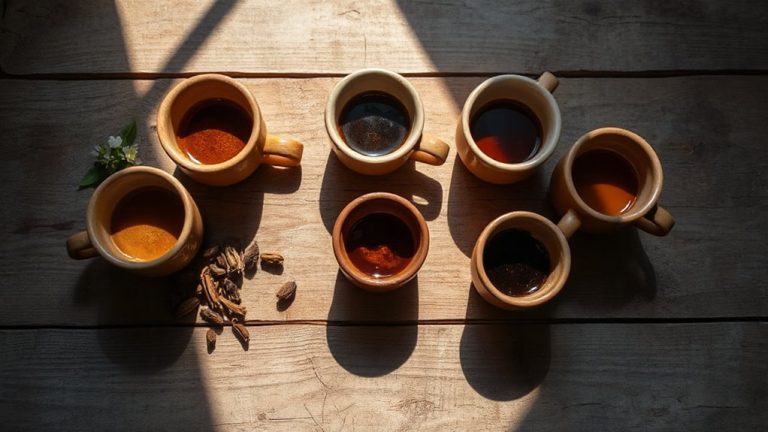
When you let coffee beans ferment longer, you’re giving microbes more time to break down sugars and change the chemical makeup of the beans, which directly affects flavor. Extended fermentation increases chemical degradation, reducing mucilage sugars and altering acidity, often leading to heavier body and wine-like or funky notes. However, going too long risks over-fermentation, which can produce off-flavors or spoil the batch. Bean morphology plays a role-thinner parchment layers allow faster microbial penetration, meaning small changes in time have bigger impacts. For example, heirloom varieties in Ethiopia may respond differently than high-density Castillo beans in Colombia. You’ll need to adjust fermentation duration based on bean structure and desired profile. Using pH meters or tactile checks helps monitor progress objectively. Shorter times (12–24 hours) preserve brightness; longer ones (36–72 hours) deepen complexity-but only with tight environmental control. There’s no universal timeline, so consistency and observation are key.
On a final note
You control flavor by adjusting fermentation time. Shorter ferments (12–36 hours) preserve bright acidity and fruity notes, ideal for washed or honey processes. Longer ferments (60+ hours) boost complexity, yielding chocolate or earthy tones, best for experimental naturals. Temperature and vessel type matter-stainless steel offers consistency, while wood adds microbial diversity. Monitor closely: over-fermenting risks off-flavors. Match duration to your desired profile and process setup.