Understanding Coffee Cultivars: What You Need to Know About Breeding New Varieties With Unique Characteristics
You’re drinking more than coffee-you’re tasting years of breeding. Cultivars like Geisha, Bourbon, and Caturra shape flavor, yield, and resilience. Farmers cross plants like Typica with hardy strains such as F1 hybrids or Catimor to fight rust and climate stress. These new varieties balance cup quality with survival, though flavor can suffer. Denser beans roast more evenly, often preserving nuance. No single cultivar wins at everything-your brew depends on this trade-off. See how each variety changes what’s in your cup.
Notable Insights
- Coffee cultivars are selectively bred varieties that influence flavor, disease resistance, and climate adaptability.
- Breeding new cultivars involves crossbreeding parent plants with desirable traits like rust resistance or cup quality.
- F1 hybrids offer high resilience to climate stress and diseases but take 10–15 years to develop.
- Geisha, Bourbon, and Typica showcase how genetics and terroir shape unique cup profiles.
- Trade-offs exist: stress-resistant cultivars may sacrifice flavor complexity or yield potential.
What Is a Coffee Cultivar (And Why It Shapes Your Cup)
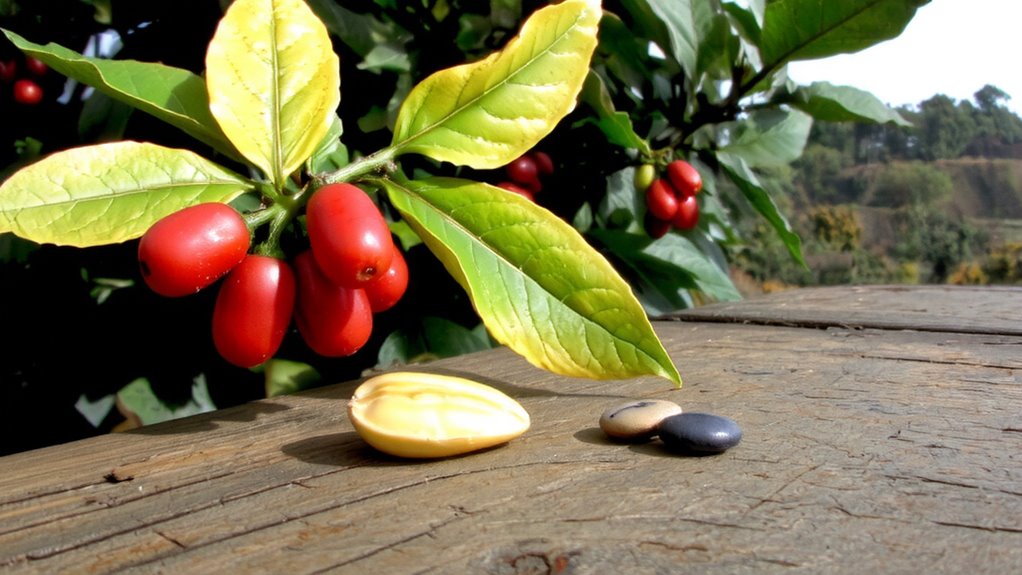
Think of a coffee cultivar as a cultivated variety of the coffee plant, much like different types of apples or grapes. You’re tasting its genetics every time you brew a cup. These cultivars influence everything from disease resistance to flavor potential. Genetic diversity among them helps farms stay resilient and supports long-term sustainability. But it’s not just about genes-terroir expression matters too. Soil, altitude, and climate interact with the cultivar to shape the final cup. For example, a Bourbon grown in Ethiopia tastes different than one in Honduras, even if processed the same. If you’re choosing beans, consider both the cultivar and where it’s grown. Some highlight sweetness, others acidity or body. Knowing this helps you match beans to your brewing method-say, a Geisha for pour-over, where terroir expression shines. It’s practical insight, not hype.
5 Cultivars That Define Coffee Flavor
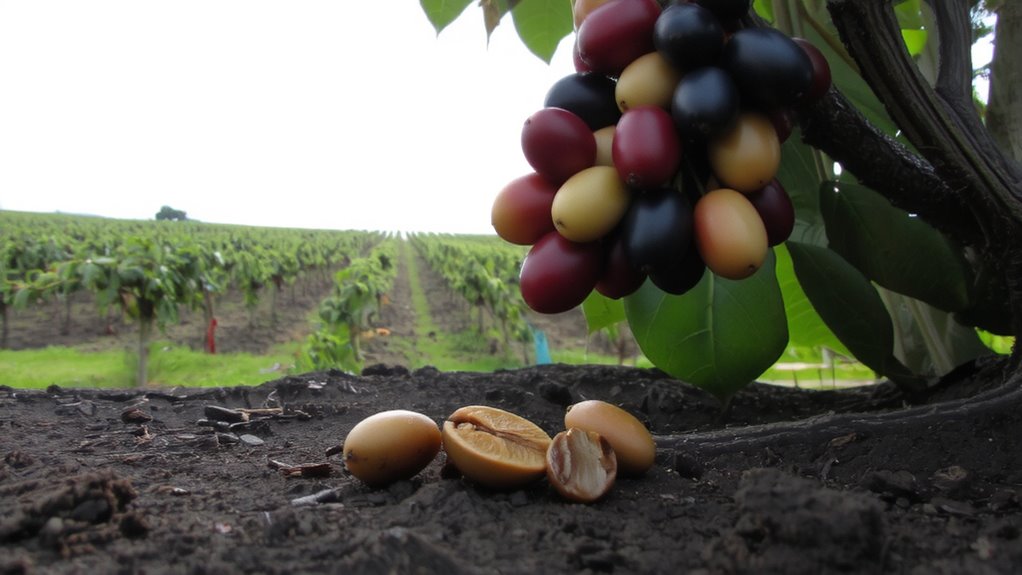
While not all cultivars deliver the same taste, a few stand out for consistently shaping how coffee tastes across regions. You’ll notice distinct aroma profiles and flavor notes based on the variety. For example, Geisha delivers floral and tea-like tones, largely due to its high bean density and slow maturation. Bourbon often offers sweetness and complexity, with balanced acidity that shines in lighter roasts. Typica, though widely grown, usually produces clean, bright cups but is less disease-resistant. Caturra brings higher yield but can lack the depth found in heirloom types. When you’re choosing beans, consider that bean density affects how evenly they roast-denser beans often require more heat but can preserve nuanced aroma profiles. Knowing the cultivar helps you anticipate body, acidity, and sweetness, making it easier to match coffee to your brewing method and taste preference without guesswork.
How Scientists and Farmers Breed Better Coffee
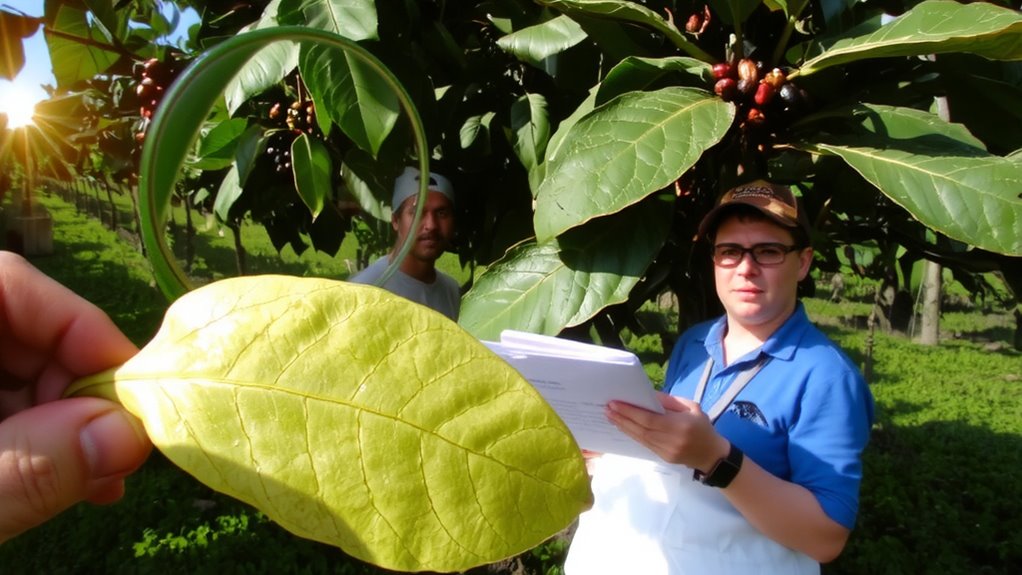
Because coffee faces growing threats from climate change and disease, scientists and farmers are working together to develop stronger, higher-quality cultivars through careful breeding. You’re not relying on genetic modification here-most new varieties come from crossbreeding existing plants with desirable traits. Researchers identify parent plants with strengths like better flavor or resilience, then hand-pollinate flowers to create hybrids. These new seeds are grown in nurseries and later moved to field trials across different farms and climates. Field trials let you see how plants perform under real conditions, including yield, taste, and adaptability. It typically takes 10–15 years to confirm a successful cultivar. While slow, this method avoids the regulatory and consumer concerns tied to genetic modification. You get proven results without the controversy. Popular examples like Starmaya and F1 hybrids emerged this way, offering tangible improvements without lab-based DNA tweaking.
Cultivars Built to Survive Climate and Disease
If you’re growing coffee in regions hit by rising temperatures or unpredictable rains, you’ll want cultivars built to handle stress without sacrificing quality. Breeders now focus on climate resilience and disease resistance to protect yields and livelihoods. Varieties like F1 hybrids, Catimor, and Starmaya offer practical solutions under pressure.
| Cultivar | Climate Resilience | Disease Resistance |
|---|---|---|
| F1 Hybrids | High | Excellent (rust) |
| Catimor | Moderate | Good (rust, nematodes) |
| Starmaya | High | Good (rust) |
| Rume Sudan | Moderate | Fair |
These options help you adapt faster to changing conditions. F1 hybrids, for example, thrive in erratic weather and resist major pathogens, but need careful management. Catimor tolerates heat and resists rust, though flavor can vary. Starmaya combines hardiness with easier propagation. Choose based on your region’s specific threats and growing conditions.
Why Flavor, Yield, and Hardiness Trade Off
You’ve seen how certain cultivars stand up to tough conditions, but there’s a catch-what helps a plant survive often comes at a cost to flavor or yield. When breeders prioritize traits like disease resistance or drought tolerance, they often work with limited genetic diversity, narrowing the plant’s overall potential. Plants built to endure environmental stress may divert energy from bean development to defense, resulting in lower yields or less complex sugars for flavor. For example, robusta withstands harsh climates but typically lacks the nuanced profile of arabica. High-yielding varieties like Caturra can be flavorful but are prone to disease, needing more inputs. There’s no perfect cultivar-each choice balances survival, output, and cup quality. You’ll find the best results by matching the cultivar’s strengths to your farm’s specific challenges, not chasing a one-size-fits-all solution.
How to Choose Coffee by Cultivar – A Practical Guide
What kind of coffee are you really after-something bold and reliable, or nuanced and delicate? If you want intensity, go for cultivars like Robusta or Catimor-they’re hardy and deliver strong flavor, though their aroma profiles can be earthy or harsh. For more complexity, choose Arabica types like Gesha or SL28; they offer floral, fruity notes but need careful growing and brewing. Your brewing method matters: pour-over highlights delicate acidity in high-scoring heirlooms, while espresso suits balanced, sweet varieties like Bourbon. Light roasts preserve origin character and work well with clean brew methods like Chemex. Dark roasts mask subtle differences but add body, fitting traditional drip or French press. Match the cultivar’s traits to your gear and taste. Know what you’re brewing and why-your equipment and method shape how those aroma profiles come through.
On a final note
You’ll want to choose cultivars based on what matters most: flavor, reliability, or yield. Bourbon offers sweetness but is vulnerable to disease, while CL43 resists rust and handles heat but may lack complexity. If you’re sourcing beans, check the label-varieties like Geisha deliver floral notes but cost more. For farming, balance risk with traits suited to your climate. No cultivar wins at everything; match the plant to your priorities and conditions.