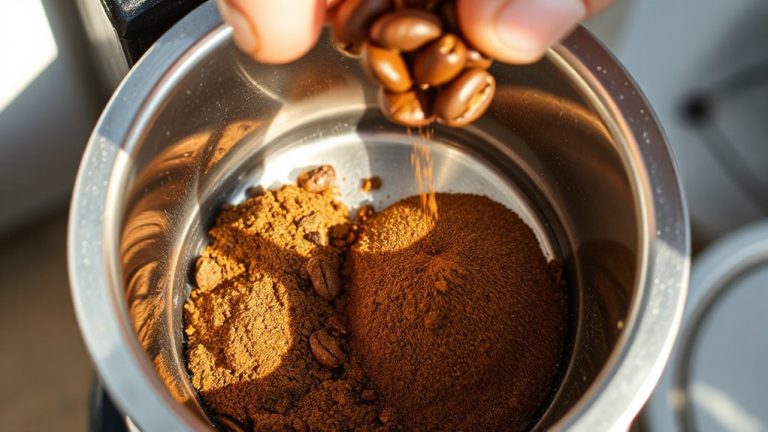
How Ethiopian Heirloom Varietals Define African Coffee Biodiversity
You’re tasting Africa’s coffee biodiversity every time you brew Ethiopian heirloom beans. These uncultivated varietals grow wild in highland forests, shaped by natural selection and centuries of adaptation. With thousands of genetically diverse types thriving under native shade trees, they form the continent’s deepest gene pool. Their resilience, flavor complexity, and traceability set them apart from uniform commercial crops. Climate threats and deforestation, however, put this irreplaceable heritage at risk-knowing their origin helps you choose coffees that support conservation.
Notable Insights
- Ethiopian Heirloom varietals represent the original genetic stock of Arabica coffee, forming the foundation of Africa’s coffee biodiversity.
- Thousands of years of natural adaptation in Ethiopia’s highlands have produced unmatched genetic diversity among coffee plants.
- Farmers preserve diversity by saving seeds from high-performing plants, fostering resilient, locally adapted varietals across microclimates.
- Wild forest cultivation maintains ecological balance, protecting native coffee populations and their genetic integrity.
- Heirloom varietals’ distinct flavor profiles reflect specific growing conditions, highlighting the link between biodiversity and terroir.
What Are Ethiopian Heirloom Varietals?
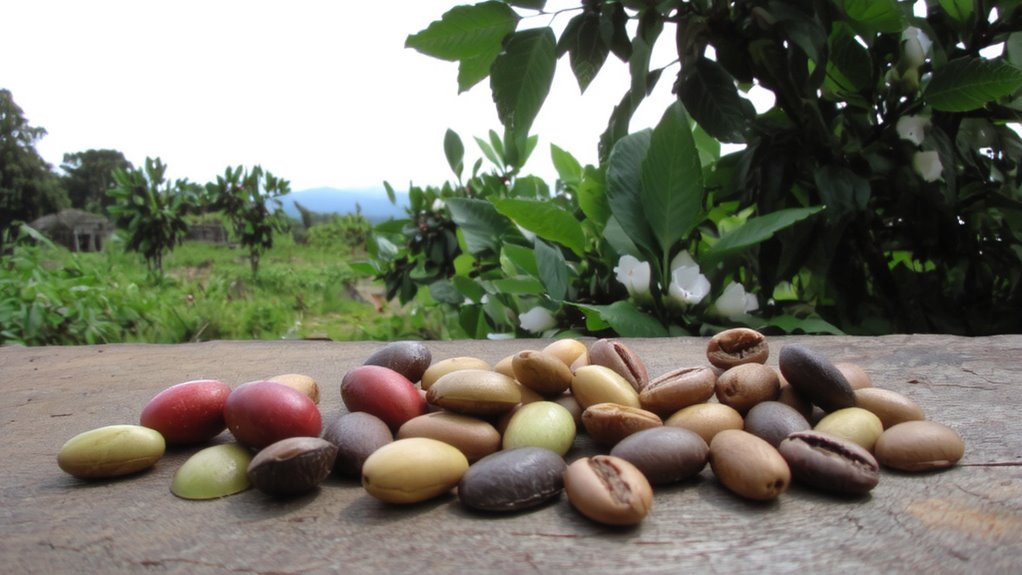
Think of Ethiopian heirloom varietals as the original coffee plants-genetically diverse, uncultivated, and grown from generations-old seeds passed down by farmers across Ethiopia. You’re dealing with a crop that’s stayed close to its roots, thanks to genetic purity maintained through isolation and care. These beans aren’t lab-engineered or mass-selected. Instead, they rely on traditional cultivation, meaning farmers use time-tested methods without synthetic inputs. This approach supports plant health and regional flavor profiles, but yields can be inconsistent. If you’re roasting or brewing, expect complex, tea-like acidity and floral or fruity notes-common in beans from Yirgacheffe or Sidama. While not as uniform as commercial hybrids, heirlooms offer distinctiveness that many specialty roasters seek. Just remember, their lack of standardization means cup quality varies. For best results, source traceable lots and adjust brewing to highlight their nuanced character. Among the top picks for experiencing this diversity are Best Ethiopian Coffee Picks recommended by expert reviewers.
How Ethiopian Heirloom Coffee Grows in Wild Forests
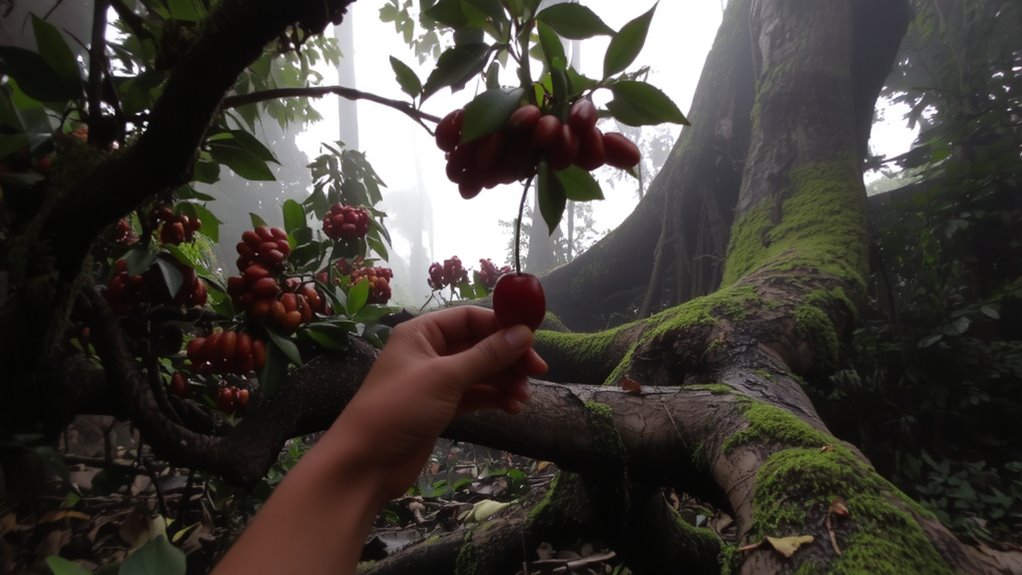
Wild coffee thrives in Ethiopia’s highland forests, where heirloom plants grow shaded beneath native acacia, bamboo, and wild fruit trees. You’ll find this wild cultivation method preserves genetic diversity while requiring minimal human intervention. Farmers don’t plant rows or clear land; instead, they maintain existing forests, allowing coffee to grow naturally under the canopy. This system supports ecological balance and reduces the need for chemicals. Forest harvesting involves hand-picking ripe cherries from scattered plants, which means lower yields but higher quality and sustainability. Since plants aren’t uniform, ripening times vary, making harvests labor-intensive but ideal for specialty coffees. Unlike monoculture farms, wild cultivation resists disease better due to natural spacing and biodiversity. You’re more likely to taste complex, fruity notes in these beans. While it’s harder to scale, forest harvesting suits small-batch roasters who prioritize origin integrity and environmental stewardship.
Why Ethiopia Is the Birthplace of Coffee Biodiversity
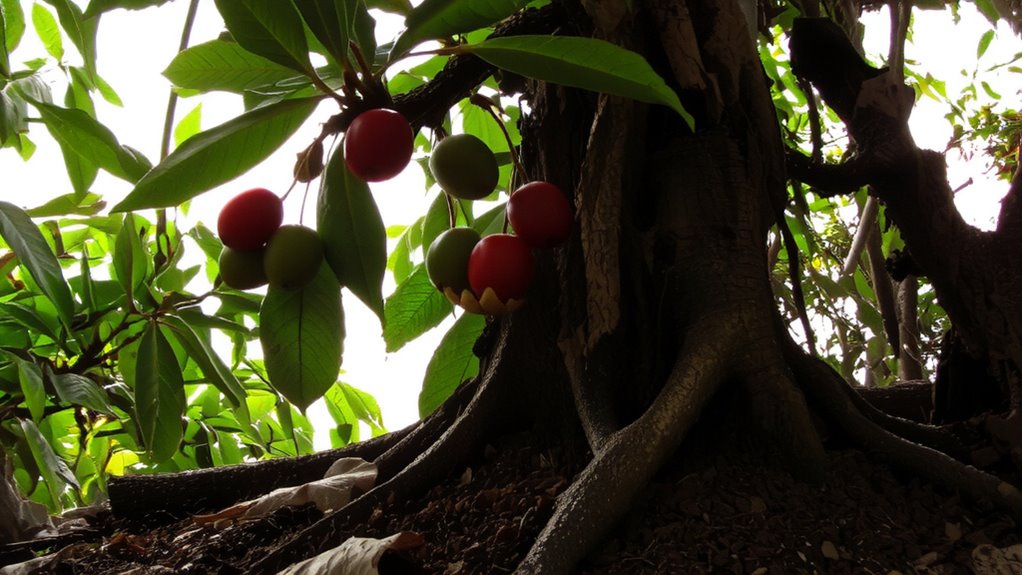
Though coffee grows in many tropical regions today, Ethiopia remains the undeniable source of its genetic variety, where wild Coffea arabica plants first evolved. You’re seeing the results of thousands of years of natural adaptation and selection. Genetic mutations occurred spontaneously in Ethiopia’s diverse climates, creating plants uniquely suited to specific microenvironments. These variations are why heirloom varietals often resist pests or thrive with minimal input. Unlike modern hybrids bred for uniformity, these plants reflect ancient cultivation practices that prioritized resilience over yield. Farmers didn’t clone crops; they saved seeds from the best performers, letting diversity grow. This long history means Ethiopia’s coffee gene pool is deeper than any other. If you’re sourcing beans or studying plant resilience, understanding this origin helps clarify why Ethiopian varieties are benchmarks for quality and adaptability. Their genetic depth supports sustainable farming, especially as climates shift. You benefit from this legacy every time you brew a cup from authentic heirloom beans. For those seeking to experience this biodiversity firsthand, trying the best Ethiopian coffee beans offers a direct taste of the country’s rich varietal heritage.
Thousands of Untamed Coffee Types in Ethiopia’s Highlands
You’ll find thousands of distinct coffee types growing across Ethiopia’s highlands, each shaped by elevation, soil, and local growing conditions. These untamed varieties thrive in forested regions where traditional farming methods support natural biodiversity. Forest preservation is essential here-without it, the fragile ecosystems that sustain wild coffee populations would collapse. As trees are cleared for agriculture, you risk accelerating genetic erosion, losing rare traits that could improve disease resistance or adaptability in future coffee crops. Unlike cloned varietals, Ethiopian heirlooms reproduce from seed, maintaining genetic variability but making them vulnerable to environmental change. Protecting forest habitats guarantees these wild types remain available for research and breeding. Conserving this genetic wealth isn’t just symbolic-it supports long-term coffee resilience. Your awareness of sourcing and sustainability can influence preservation efforts. Choosing coffees linked to protected regions supports forest conservation and helps slow genetic erosion in one of the planet’s most crucial coffee gene pools.
How Microclimates Shape Ethiopian Heirloom Flavor
Ethiopia’s highland forests don’t just safeguard genetic diversity-they also host countless microclimates that directly influence how heirloom coffees taste. You’ll find that slight changes in temperature, rainfall, and sun exposure from one valley to the next can shift flavor dramatically. Altitude influence is key: higher elevations slow bean development, boosting density and complexity. That’s why beans from Yirgacheffe, grown above 2,000 meters, often have bright acidity and distinct floral notes, like jasmine or bergamot. In contrast, lower zones may yield heavier bodies with earthier tones. When brewing, use water just off boil and a medium grind to highlight these delicate traits. A pour-over setup, like a V60, works better than immersion methods for expressing floral notes. You’re not just tasting the plant-you’re tasting the precise environment it grew in. Microclimates make each cup a direct reflection of its origin. Top-rated African coffees often showcase these unique Ethiopian Heirloom Varietals due to their unmatched flavor diversity.
Threats to Ethiopian Heirloom Diversity and How to Save It
What happens when the very forests that birthed coffee are no longer able to sustain its genetic heart? You’re seeing it now-climate change alters rainfall and temperature, pushing heirloom varieties beyond their limits. Deforestation worsens it, slicing up forest corridors coffee needs to adapt and spread. Without these natural buffers, genetic diversity shrinks fast. You can’t just plant any tree back; you need native, wild coffee stands to maintain resilience. Protecting Kaffa and Sheka forests isn’t symbolic-it’s practical conservation. Support cooperatives like Yirgacheffe Coffee Farmers Cooperative Union that enforce shade-grown, agroforestry models. They balance yield and ecosystem needs. Satellite monitoring and community patrols also reduce illegal logging. If you care about supply stability and bean quality, invest in verified conservation programs like those from the Ethiopian Biodiversity Institute. Relying on wild coffee means protecting its home-there’s no backup forest. Act now, or lose the base of global coffee diversity.
Ethiopia’s Heirloom Coffee and the Soul of Global Brewing
Coffee’s genetic legacy runs deep in Ethiopia’s highland forests, where hundreds of wild heirloom varietals thrive in complex ecosystems few modern farms can replicate. You’re tasting the result of millennia of natural selection each time you brew a cup from these beans. These heirlooms form the backbone of global specialty coffee, offering nuanced flavors that mass-cultivated varieties rarely match. You’ll notice bright acidity, floral notes, and fruity complexity-traits prized in third-wave brewing. Traditional coffee rituals in Ethiopia aren’t just ceremony; they’re a living part of the cultural heritage that preserves farming knowledge and varietal diversity. When you choose heirloom beans, you support biodiversity and flavor authenticity. Opt for light to medium roasts to highlight their unique profiles. Use a pour-over or AeroPress to capture clarity. Unlike blended or commercial coffees, Ethiopian heirlooms offer transparency and terroir-one of the few truly traceable origins in your brewing rotation.
On a final note
You can brew Ethiopian heirloom coffee well with simple gear, like a pour-over or French press. These beans offer complex, bright flavors shaped by wild genetics and microclimates. Grinding fresh and using filtered water improves clarity. While modern hybrids are stable, heirlooms give unique cups worth preserving. Support farms using native varieties to protect biodiversity. Choose light to medium roasts to highlight their distinct character.