How to Roast Pacas Beans to Enhance Their Caramel and Nutty Notes
Use freshly harvested Pacas beans from El Salvador or Guatemala, ideally within 3–6 months of picking. Preheat your cast-iron skillet for 5–7 minutes or oven to 450°F to avoid steaming. Roast 1/4 cup at a time so beans cook evenly. Listen for the first crack between 385–401°F, then stop-this locks in caramel and nutty notes. Spread them out to cool slowly for 5–10 minutes with light airflow. You’ll get better results by fine-tuning each step.
Notable Insights
- Source freshly harvested Pacas beans from reputable farms in El Salvador or Guatemala within the last 3–6 months for optimal sweetness and acidity.
- Preheat your roasting equipment thoroughly to avoid steaming the beans and ensure a clean, even roast development.
- Roast small batches of about 1/4 cup to maintain consistent heat distribution and prevent underdeveloped or scorched beans.
- Stop roasting at the first crack to preserve the delicate caramel and nutty flavor notes unique to Pacas beans.
- Cool beans slowly over 5–10 minutes with gentle airflow to stabilize flavors and improve post-roast grind consistency.
Choose the Freshest Paca Beans
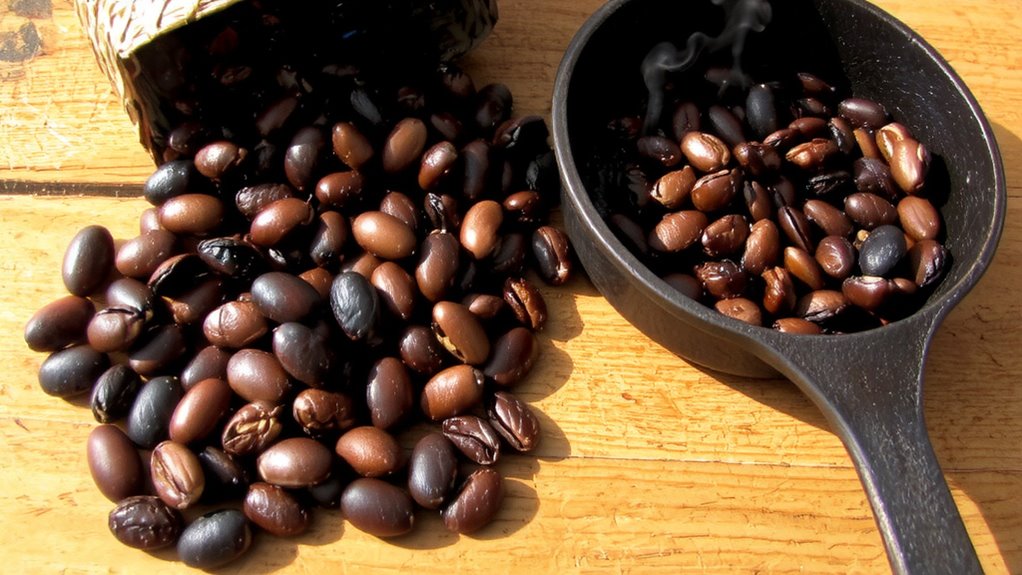
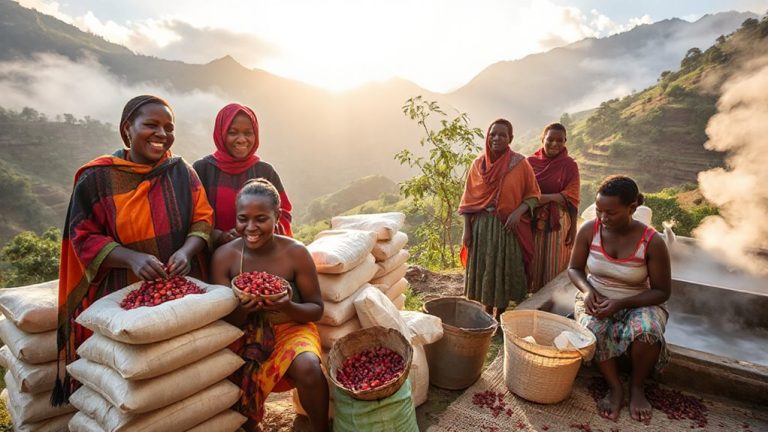
When it comes to roasting pacas beans, quality starts long before the roaster-you’ve got to begin with the freshest beans you can find. Bean sourcing matters because pacas, a heirloom variety, is sensitive to growing conditions and degrades quickly post-harvest. Look for beans from reputable farms in regions like El Salvador or Guatemala, where producers often hand-select cherries. Harvest timing is equally critical-beans picked at peak ripeness yield better acidity and sweetness. Avoid off-season lots or those stored for months; they lack vibrancy. Ideally, use beans harvested within the past 3–6 months. Check packaging dates and ask suppliers when the crop was processed. Freshly milled green beans should smell clean, slightly floral, not musty. If you’re roasting at home, starting with recently harvested, well-sourced pacas means you’re already ahead-caramel and nutty notes develop best from quality raw material, not correction during roasting. For optimal results, consider selecting beans recognized in the Best Specialty Green Coffee Beans guide to ensure top-tier origin and freshness.
Preheat Your Pan or Oven Properly
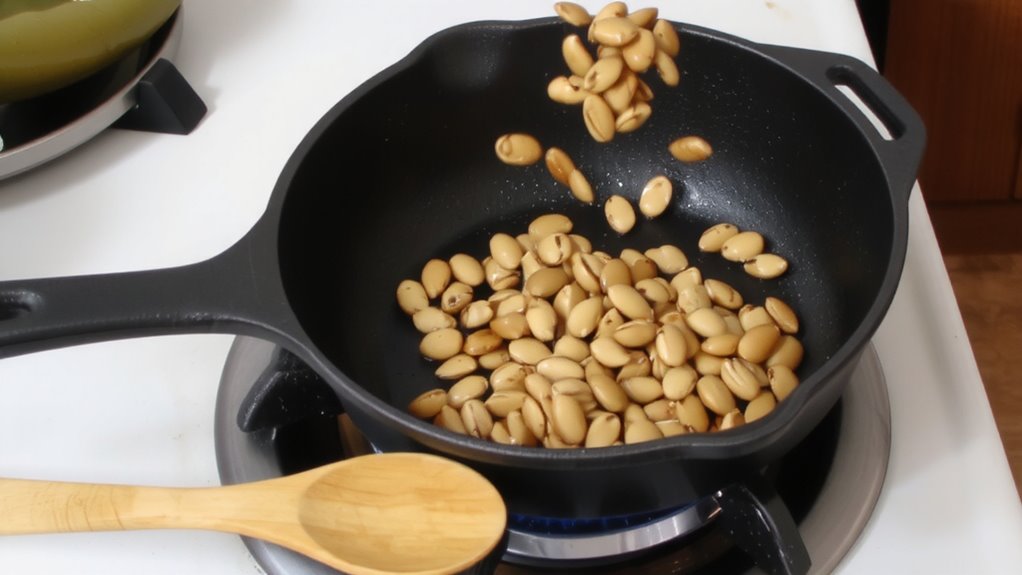
Though you’ve sourced great beans, skipping proper preheating can still wreck your roast-so don’t underestimate this step. You need consistent pan temperature to kickstart even roasting the moment beans hit the surface. If your pan or oven’s too cold, beans steam instead of roast, leading to flat, grassy flavors. For stovetop roasting, heat a heavy skillet-like cast iron-over medium for 5–7 minutes. It retains heat well and improves heat distribution, reducing hot spots. Oven users should preheat to 450°F (232°C) for at least 15 minutes; ovens often claim readiness too soon. An infrared thermometer can confirm actual pan temperature. Avoid thin pans-they warp heat distribution, causing scorching or uneven development. Preheating isn’t just about speed-it’s about control. Proper heat sets the stage for those rich caramel and nutty notes you want. Don’t rush it. For even better results, consider using a stovetop coffee roaster, which offers superior airflow and temperature control compared to standard pans.
Roast in Small Batches for Even Color
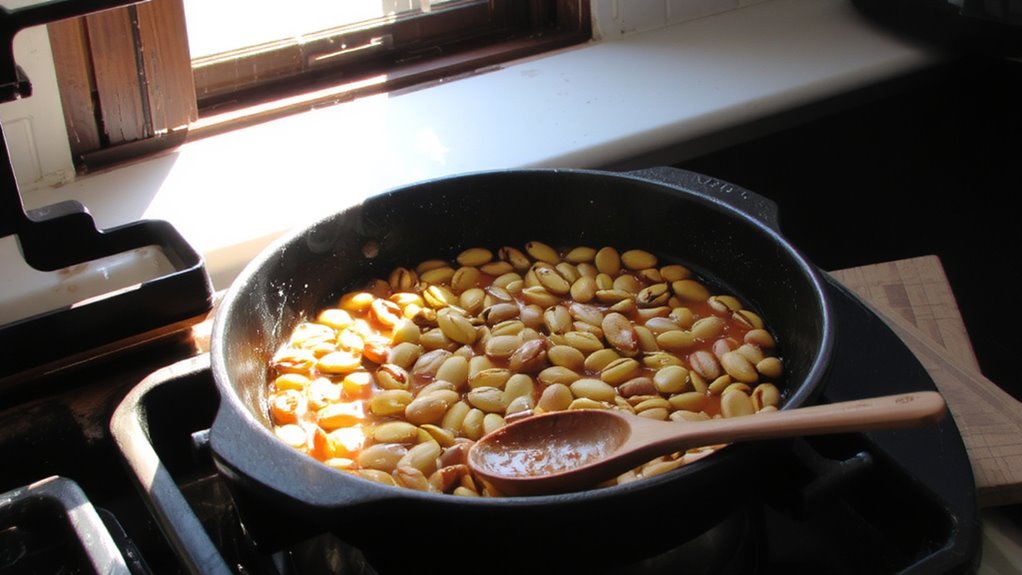
Roasting just a handful of beans at a time-about 1/4 cup for a standard skillet-gives you far better control over the final color and flavor. When you overcrowd the pan, bean density causes uneven heat transfer, leaving some under-roasted while others burn. Smaller batches let each bean heat evenly, improving color consistency and helping you highlight the caramel and nutty notes Pacas beans are known for. Keep in mind that most home skillets have limited heat retention, so spreading the beans thin prevents rapid temperature drops when you stir. This maintains a steady roast profile, essential for even development. If you use a thicker pan like a cast-iron skillet, you’ll get better heat retention, but you still need small batches to avoid hot spots. Don’t rush it-roasting in stages takes more time, but you’ll get better, more predictable results.
Listen for the First Crack to Stop Roasting
Why do the pros treat the first crack like a finish line? Because it signals the moment Pacas beans release steam and expand, marking the start of flavor development. You’re not chasing a second crack-stopping at the first guarantees you preserve their delicate caramel and nutty notes. Crack timing varies by roast profile, but typically hits around 196–205°C (385–401°F), depending on your roaster. Use roast monitoring to track temperature steadily; a sudden popping sound means it’s time to pull the batch. Delaying past this point risks over-roasting, muting the sweetness. With electric roasters like the Behmor or fluid-bed models, sound travels clearly-making it easier to catch. Drum roasters need more attention, as noise can muffle. Stay alert, keep notes, and repeat. Consistent crack timing leads to consistent flavor. Don’t guess-listen. That first pop? It’s your best signal.
Cool Beans Slowly to Enhance Flavor
Once you’ve pulled the beans after the first crack, letting them cool too quickly can lock in uneven flavors, so it’s best to slow things down. Spread them in a thin layer on a flat surface like a baking sheet-it helps manage bean density and guarantees even heat release. Rapid cooling can cause the interior to remain underdeveloped, especially with denser Pacas beans. A gradual cooldown of 5–10 minutes lets roast consistency stabilize, preserving those caramel and nutty notes. You could use a cooling tray with airflow, but avoid fans on high; gentle circulation works better. Skipping this step risks creating hotspots or inconsistent texture. For home roasters, patience here improves cup quality noticeably. It’s not just about stopping the roast-it’s about finishing it right. Slow cooling supports structural integrity within the bean, which aids grind uniformity later. Don’t rush it-your brew will taste the difference. Proper roast development ensures optimal flavor expression and balance in the final cup.
On a final note
You’ve roasted your paca beans just past the first crack, so let them cool slowly-this locks in those caramel and nutty notes. Use a wire tray for even airflow, not a bowl, which traps heat. Grinding too early lets flavor escape, so wait until you’re ready to brew. For best results, use a burr grinder and brew within a week. Darker roasts suit French presses, while lighter ones work well in pour-overs.