Exploring the Potential of Shade-Grown Coffee in Mozambique’s Niassa
You’re growing coffee under native forest canopies in Niassa, where 30%–60% shade boosts bean density and flavor in Catuaí and Typica varieties. This system protects soil, supports biodiversity, and cuts input needs. Farmers gain climate resilience and access premium markets with bird-friendly certification and traceable origins. But poor roads, storage, and market links hold back potential-investing in wet mills and training could make the difference. There’s more to how this model scales with the right support.
Notable Insights
- Niassa’s natural forest canopy provides ideal shade conditions for high-quality Arabica coffee production.
- Shade-grown systems in Niassa enhance soil health, reduce erosion, and support biodiversity.
- Farmers benefit from climate resilience, stable yields, and lower input needs under shaded coffee systems.
- Bird-friendly certification and traceable origins enable premium pricing in specialty markets.
- Infrastructure, market access, and post-harvest investments are critical to unlocking Niassa’s shade-grown coffee potential.
Niassa’s Ideal Conditions for Shade-Grown Coffee
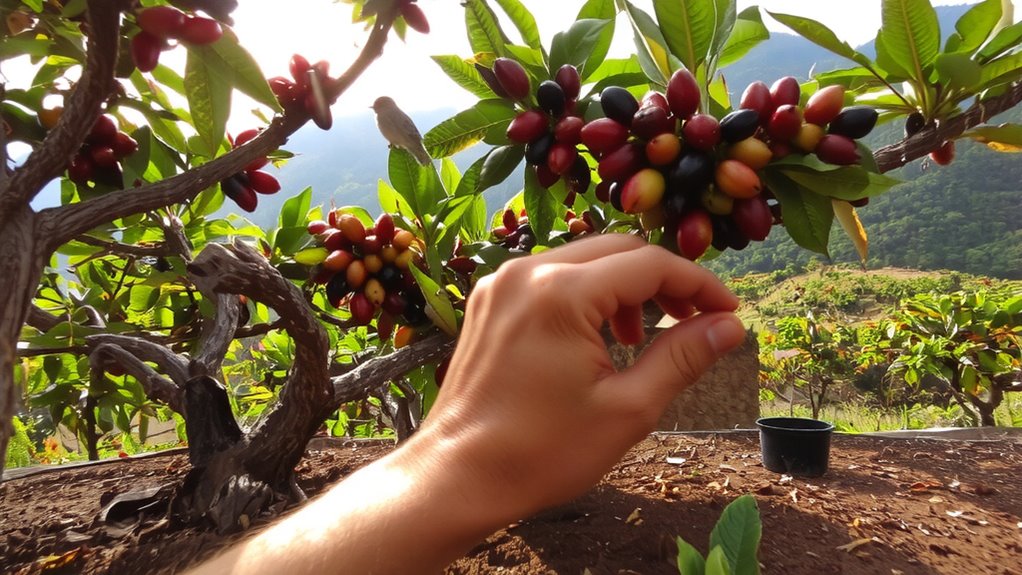
While you might think coffee needs full sun to thrive, in Niassa, it’s the mix of natural shade and favorable climate that makes the region stand out for shade-grown coffee. You’ll find that the local forest canopy provides ideal canopy density-typically 30% to 60% coverage-balancing light and protection effectively. This filtered sunlight slows cherry development, improving bean density and flavor complexity. The native trees also buffer temperature extremes, which stabilizes growing conditions. When combined with Niassa’s elevation and rainfall, these conditions support high-performing coffee genetics, especially Arabica varieties like Catuaí and Typica, adapted to shaded systems. Unlike full-sun plantations requiring heavy inputs, shade-grown plots here rely more on natural processes, reducing costs and environmental strain. You can expect more resilient plants with lower pest pressure. For growers, choosing the right canopy density is practical-it’s not just ecological but economic, influencing yield, quality, and long-term farm sustainability.
How Shade-Grown Coffee Enhances Soil and Biodiversity
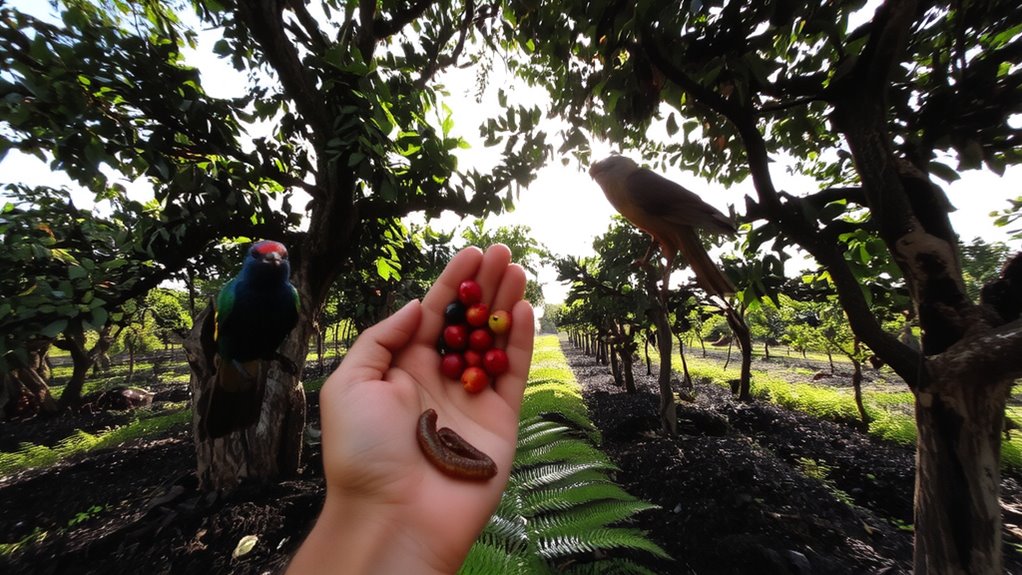
Because the forest canopy above shade-grown coffee farms in Niassa remains largely intact, you get a natural recycling system that keeps the soil healthy and biologically active. The canopy cover reduces erosion, retains moisture, and supplies organic matter as leaves decompose. This layer also supports root symbiosis between coffee plants and beneficial fungi, helping roots absorb nutrients more efficiently. Without synthetic inputs, this natural partnership boosts plant resilience and soil structure. You’ll find greater bird and insect diversity under the trees, which contributes to pest control and pollination. Unlike full-sun plantations that degrade soil over time, shade systems maintain long-term fertility. The mix of native tree species mimics natural forests, offering habitat corridors for wildlife. You don’t need costly amendments often because the ecosystem works together. Maintaining canopy cover isn’t just conservation-it’s practical farming that keeps the land productive for future seasons.
Farmer Income and Climate Resilience in Northern Mozambique
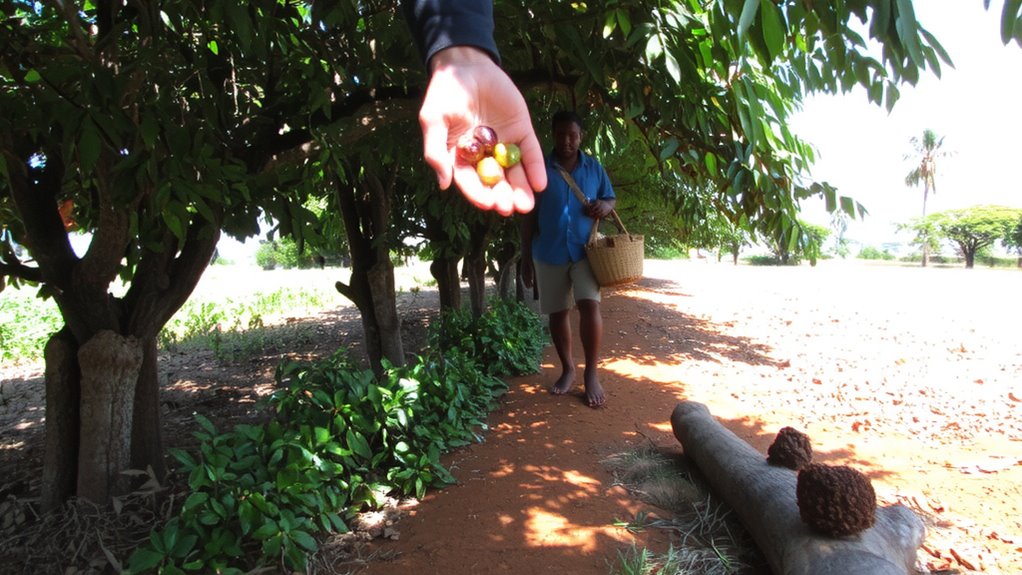
You’re not just growing coffee under trees-you’re building stability. Shade-grown coffee in northern Mozambique helps buffer temperature extremes and reduces drought risk, making farms more climate-resilient. This consistency means more reliable yields year after year, directly boosting your income. With less exposure to wind and sun, beans develop slower, often improving quality. That reliability also cuts post harvest losses-fewer damaged beans mean more product to sell. Improved drying techniques, like using raised beds under cover, further protect harvests from rain and mold. These practices take planning, but the payoff is real. Plus, when training and resources prioritize gender equity, women gain equal access to tools and income, strengthening entire communities. Cooperatives that include women in decision-making see better financial outcomes and more sustainable farming practices. It’s not just about growing coffee-it’s about building systems that last, with fair benefits for everyone involved.
Reaching Premium Markets With Sustainable Niassa Coffee
How do you get your coffee noticed in a crowded global market? By focusing on strong market positioning and clear consumer education. Shade-grown Niassa coffee offers a unique story-biodiversity, quality, and sustainability-that resonates with conscious buyers. You need to highlight these traits consistently across packaging, certifications, and digital content.
| Feature | Benefit |
|---|---|
| Bird-friendly certification | Appeals to eco-conscious retailers |
| Traceable farm origins | Builds consumer trust |
| Distinct terroir profile | Justifies premium pricing |
When you align quality with transparent storytelling, you tap into specialty markets that value proof over promises. Consumer education isn’t just about taste-it’s showing impact. Use simple labels, QR codes, and retailer partnerships to communicate your value. Position Niassa coffee not as just another origin, but as a verified, sustainable choice. That’s how you stand out.
Barriers to Coffee Growth in Niassa Province
While shade-grown coffee in Niassa has strong potential, several challenges limit its growth. You face poor infrastructure that slows transport and raises costs-roads deteriorate in rainy seasons, delaying bean shipments to processing centers. This affects quality, especially for specialty-grade coffee needing timely handling. You also deal with limited access to markets, credit, and technical support. Farmers often lack modern farming tools or training to boost yields sustainably. Even with rich soils and suitable climate, these barriers reduce consistency in supply. Poor storage increases post-harvest losses, undermining efforts to meet international standards. Without reliable electricity or communication networks, coordination with buyers becomes harder. You need dependable logistics to maintain freshness and traceability, key for premium buyers. These constraints don’t make production impossible, but they require practical planning-like investing in local wet mills or forming cooperatives. Overcoming them isn’t optional if you aim to compete seriously.
Scaling Shade-Grown Coffee: Investments and Partnerships Needed
What does it take to expand shade-grown coffee in Niassa? You’ll need targeted investments and strong partnerships to turn potential into reality. Market demand for sustainable, high-quality coffee is growing, but you can’t meet it without strengthening the entire value chain. That means support from seed to shelf-improving nursery access, training farmers in organic practices, and ensuring consistent harvesting. Private investors, NGOs, and government bodies must collaborate to fund infrastructure like wet mills and storage facilities. You also need direct market links so farmers get fair returns. Without these, even the best beans won’t reach buyers. Partnerships with roasters abroad can secure long-term contracts, but only if quality and volume are reliable. You’re building more than coffee production-you’re shaping a resilient value chain rooted in sustainability.
On a final note
You can grow shade-grown coffee in Niassa by using native trees like msasa or muvumo to protect Arabica plants. This method improves soil, boosts biodiversity, and buffers climate shifts. While yields may be lower than full-sun farms, the beans often fetch higher prices in eco-conscious markets. Still, limited processing gear and transport delays hurt profits. To scale, you’ll need better local mills, farmer training, and buyer partnerships committed to sustainability.