Why Your Grinder’s Hopper Keeps Cracking
Your hopper keeps cracking because daily use, temperature swings, and UV exposure weaken the plastic over time. Polycarbonate handles stress better than brittle acrylic, but both suffer from dishwashers and sunlight. Over-tightening the lid or dropping beans can create cracks at stress points. Hairline fractures let in moisture, ruining your beans. Small habits add up-knowing how they affect durability gives you the upper hand.
Notable Insights
- Repeated stress from daily use and temperature changes causes material fatigue, leading to cracks over time.
- Polycarbonate hoppers resist impacts better than brittle acrylic, which is more prone to cracking.
- Thermal cycling from heat and cold exposure weakens the plastic, especially near stress points like seams.
- Dishwasher cleaning and UV sunlight degrade the material, making hoppers more susceptible to fractures.
- Over-tightening the lid or dropping tools into the hopper creates microfractures that worsen with use.
What Causes Hopper Cracks: And When They Begin
While it might seem like a minor annoyance at first, a cracked hopper can quickly become a real problem-especially if you’re trying to keep your coffee beans fresh. You’re probably not dropping your grinder often, but repeated stress leads to material fatigue over time. This wear builds up silently, especially in plastic hoppers exposed to daily temperature shifts and handling. Even small, routine bumps add up. When impact trauma occurs-say, from slipping it off the counter or clamping it too hard-it can finally give way. Cracks often start near seams or stress points, like where the lid screws on. Once a hairline fracture forms, moisture and air get in, spoiling beans faster. These cracks usually appear after months of regular use, especially with lower-grade plastics. You won’t always see it coming, but if you notice static buildup or beans spilling oddly, inspect the hopper closely. Acting early helps avoid bigger issues down the line. Upgrading to models with durable Best Mill Grinders can significantly reduce the risk of cracking due to superior build quality and material choice.
Polycarbonate vs. Acrylic: Which Hopper Material Lasts Longer?
If you’re tired of replacing cracked hoppers, you’re better off choosing the right material from the start-polycarbonate or acrylic. Polycarbonate wins in material durability; it’s twice as impact-resistant as acrylic, making it less likely to crack during daily use. Acrylic may look clearer and feel more premium, but it’s brittle and prone to fractures under stress. When it comes to chemical resistance, both materials hold up well against coffee oils and cleaning agents, though polycarbonate is slightly more resilient over time. If you value longevity and toughness, especially in busy setups, polycarbonate is the practical choice. Acrylic suits low-use, aesthetic-driven environments where scratches and cracks aren’t constant issues. For most home and café grinders, polycarbonate’s durability and solid chemical resistance make it the smarter, longer-lasting option.
Why Heat and Cold Stress Your Grinder Hopper
Even though temperature changes might seem harmless, they can weaken your grinder hopper over time. Repeated exposure to heat and cold causes thermal cycling, where the material expands and contracts. This stress, even if invisible, leads to material fatigue-especially in plastics like polycarbonate or acrylic. Think of leaving your grinder near a window or in a garage: daytime heat followed by nighttime cool creates constant strain. Over weeks or months, that strain reduces structural integrity, making cracks more likely. While polycarbonate handles thermal shifts slightly better than acrylic, neither is immune. You’ll want to store your grinder in a stable environment, avoiding places with large temperature swings. It’s not about one hot day or cold night-it’s the repetition that counts. Prevent avoidable damage by minimizing thermal cycling. Simple positioning makes a real difference in how long your hopper lasts.
Dishwashers and Sunlight: Silent Hopper Killers
How often do you toss your grinder hopper into the dishwasher or leave it soaking in direct sunlight? You might not realize it, but both habits slowly degrade the plastic. Dishwashers expose the hopper to harsh detergents and high heat, causing chemical exposure that weakens molecular bonds over time. Even mild cycles accelerate aging, making the material brittle. Sunlight is just as damaging-UV rays break down polymers, reducing impact resistance. Combine that with daily vibration fatigue from grinding, and small cracks become inevitable. Polycarbonate and ABS plastic hoppers, common in models like the Baratza Encore or Fellow Opus, aren’t immune. Hand-washing with mild soap and drying in the shade extends life markedly. Avoiding chemical exposure and UV damage doesn’t take extra time, but it prevents premature failure. Treat your hopper gently, and it’ll handle daily use without cracking.
Over-Tightening the Lid? You’re Inviting Cracks
Ever notice how a snug lid feels satisfying when you twist it into place? That tight seal might seem secure, but over-tightening creates excessive lid pressure, stressing the hopper’s plastic rim. Most grinders use polycarbonate or ABS plastic-durable, but not invincible. When you apply too much force, you create a torque imbalance, where stress concentrates unevenly around the threads. This weakens structural integrity over time, especially at stress points. Eventually, small fractures form, spreading with each use. It’s not about being careless-it’s physics. Even high-end models like the Baratza Encore or Timemore Sky M2 aren’t immune. The fix? Hand-tighten only until the lid locks securely. No need for extra force. That gentle click or full turn is enough. Consistent over-tightening accelerates wear, inviting cracks where none should form. Ease up, and your hopper will last longer.
Everyday Habits That Accelerate Hopper Damage
Small cracks in your grinder’s hopper often trace back to routine behaviors you might not even notice. Dumping beans carelessly creates impact stress, especially if you toss them from a height. That repeated force weakens the plastic over time. Static electricity builds up as beans tumble in, making them cling and clump-some users tap or shake the hopper to dislodge them, but that jostling adds strain. You might not think a few taps matter, but they contribute to fatigue in brittle materials like polycarbonate. Also, accidentally dropping foreign objects-like a spoon or bean scoop-into the hopper before grinding can cause immediate microfractures when they hit the burrs or walls at high speed. Even small dents or scratches from metal tools increase vulnerability. Over time, these everyday habits accelerate wear you can’t see-until the crack appears. Be mindful of how you load and handle your hopper.
7 Ways to Stop Hopper Cracks Before They Start
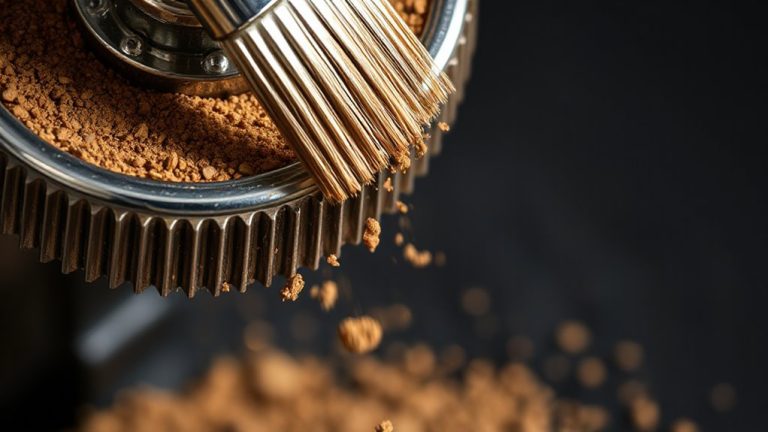
A few simple adjustments to your daily routine can go a long way in preventing cracks from forming in your grinder’s hopper. Start with proper storage-keep your grinder in a stable, dry place away from direct sunlight and temperature swings, which weaken plastic over time. Avoid leaving the hopper full for days, especially in humid environments, as bean moisture can stress the material. Always use gentle handling when removing or reattaching the hopper; forcing it or dropping it even slightly increases crack risk. Clean it regularly with a dry brush or soft cloth-never soak it, as water degrades polymers. Use the hopper as intended: not a long-term bean vault but a functional part of daily grinding. Brands like Baratza and Fellow design hoppers for repeated use, but only if treated with care. Preventative habits now save cost and hassle later. For thorough cleaning without moisture, consider using a dedicated coffee grinder cleaning brush.
On a final note
You can prevent hopper cracks by choosing polycarbonate over acrylic-it’s more impact-resistant. Avoid dishwashers and direct sunlight, both weaken the material over time. Don’t over-tighten the lid, and keep the grinder away from extreme heat or cold. Handle it carefully during cleaning and daily use. Small habits make a big difference in how long your grinder lasts. Prevention beats replacement.