Cold Brew and Oxidation: How Long It Lasts in the Fridge
Your cold brew stays fresh in the fridge for 7 to 10 days, but exposure to air starts degrading its flavor right away through oxidation. Keep it in an airtight, opaque container like a mason jar or OXO pitcher to slow this down. Concentrate lasts a bit longer-up to 14 days-since it’s less diluted. Over time, you’ll notice duller taste and less aroma, especially with medium or dark roasts. There’s more to optimizing shelf life with storage and roast choice.
Notable Insights
- Cold brew lasts 7 to 10 days in the fridge, with flavor degrading due to oxidation over time.
- Oxidation breaks down delicate flavor compounds, leading to a flat, dull, or bitter taste.
- Airtight, opaque containers minimize oxygen and light exposure, slowing oxidation and preserving freshness.
- Concentrate lasts longer (10–14 days) than ready-to-drink cold brew due to lower moisture and slower degradation.
- Darker roasts degrade faster than medium or light roasts because volatile compounds break down more readily.
How Long Does Cold Brew Last in the Fridge?
How long can you actually keep cold brew fresh in the fridge before it starts to degrade? Most cold brew stays good for up to 7 to 10 days when stored in a sealed container. Beyond that, you’ll notice a duller taste and less aroma. Your brew time-usually 12 to 24 hours-affects strength but not shelf life much. A longer steep extracts more flavor initially, which may help it hold up slightly longer. The roast level also plays a role: darker roasts tend to degrade faster due to more volatile compounds breaking down, while medium roasts often retain balance longer. Light roasts can stay brighter but might lose nuanced notes sooner. For best results, use coarsely ground beans, filtered water, and store your concentrate away from light. Dilute only when serving to maximize freshness. Choosing the right equipment, such as one of the top-rated cold brew coffee makers, can significantly improve consistency and flavor retention.
Why Oxidation Ruins Cold Brew Taste
While your cold brew sits in the fridge, oxygen slowly interacts with the brewed liquid, and that’s where the trouble starts. Oxidation breaks down delicate flavor compounds, leading to noticeable taste degradation over time. You’ll start to detect a flat, dull profile-sometimes even slightly sour or bitter-as the once-smooth notes fade. This flavor loss happens faster if your container isn’t airtight or if you store the cold brew in a clear glass bottle exposed to light. Even in ideal conditions, like a sealed mason jar or OXO’s airtight container, oxidation still occurs gradually. Stainless steel bottles with tight seals help slow the process. If you’re sensitive to subtle shifts in taste, aim to drink your cold brew within 7 days. After that, expect a decline in quality-nothing harmful, just less vibrant and less true to the original brew.
Concentrate vs. Ready-to-Drink: Shelf Life
Since cold brew concentrate contains less water than ready-to-drink versions, it tends to last longer in the fridge-often up to 10–14 days-because there’s less moisture available for microbial activity and slower oxidation. Your brewing method plays a key role here: concentrate is made with a higher coffee-to-water ratio, which helps delay flavor degradation. Once diluted, though, it becomes more perishable. Ready-to-drink cold brew, already mixed with water, usually stays fresh for only 7–10 days. You’ll notice flat or stale notes sooner, especially if it’s store-bought and exposed to light or temperature shifts. If you want maximum shelf life and flexibility, go with concentrate. You control the dilution, so you can brew strong once and enjoy multiple servings. Just store it in a sealed container away from strong odors. For consistent results, consider using one of the best at-home cold brew makers.
Why Air Ruins Cold Brew
Though it might not seem obvious at first, exposing your cold brew to air speeds up oxidation, which dulls its flavor fast. Every time you leave the container open, oxygen interacts with the coffee compounds, triggering flavor degradation and aroma loss. These changes start within hours, not days, especially in ready-to-drink batches. The oils and volatiles that give cold brew its smooth, rich character break down quickly when air is present. Even if you store it in the fridge, an ill-fitting lid or a half-empty jar increases surface exposure, making things worse. Unlike hot brewed coffee, cold brew’s slower extraction makes it more vulnerable over time. You won’t see spoilage right away, but you’ll taste it-the brightness fades, the aroma weakens, and flat, stale notes take over. Minimizing air contact isn’t just helpful; it’s essential for keeping your brew tasting fresh.
How to Store Cold Brew to Preserve Flavor
If you want your cold brew to stay flavorful, store it in an airtight container as soon as it’s finished steeping. Oxygen exposure degrades flavor profiles, so seal it tight-glass jars with screw lids or stainless steel pitchers work well. Keep it in the fridge at a consistent temperature, ideally below 40°F. Depending on your brewing methods, concentrate or ready-to-drink, the storage approach stays the same, but concentrations often preserve longer. Avoid clear containers if storing long-term; light accelerates oxidation. Opaque or amber bottles help protect quality. Transfer cold brew carefully to minimize agitation, which can introduce air. Don’t store it with grounds-strain fully before refrigerating. For best results, consume within a week. Different brewing methods may yield subtle shifts in flavor over time, but proper storage keeps initial flavor profiles intact longer. Using coarsely ground best coffee for cold brew enhances smoothness and reduces bitterness in the final concentrate.
Signs Cold Brew Has Gone Stale
You’ve stored your cold brew right-sealed tight in a dark bottle, fridge set at 38°F, no grounds left in the mix-so it should taste fresh for up to a week. After that, oxidation and staling creep in. Watch for these signs:
| Sign | What You’ll Notice | What It Means |
|---|---|---|
| Dull aroma | Smells flat, like wet paper | Volatile compounds faded |
| Bitter aftertaste | Sharp, astringent linger | Over-oxidized oils breaking down |
| Cloudy appearance | Murky liquid, not clear | Microbial growth or residue |
A dull aroma means the bright, rich notes have faded. If you get a bitter aftertaste, it’s likely degrading compounds from prolonged exposure. Cold brew won’t spoil quickly, but it loses quality. Taste it daily after day 5. If flavor drops off-trust your palate. Fresh cold brew is smooth and rounded; stale tastes one-dimensional and harsh.
Can You Freeze Cold Brew to Extend Freshness?
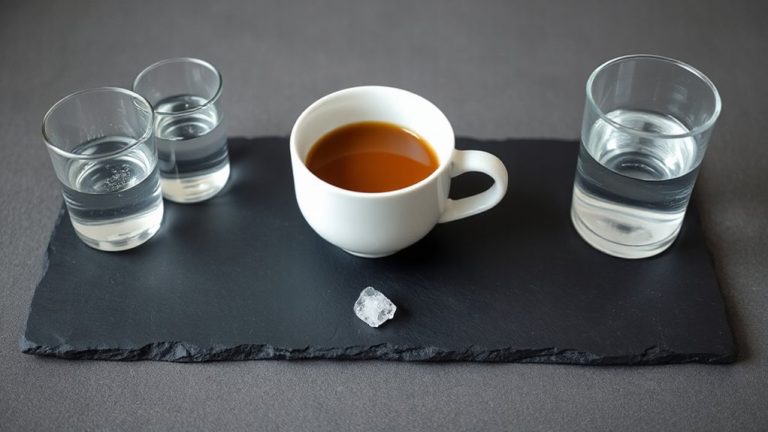
While freezing isn’t the go-to move for most freshly brewed coffee, it can be a practical option for extending cold brew’s shelf life when done right. You can freeze it in ice cube trays for later use-these double as a chill without ice dilution in your glass. Just pour the cubes into a sealed bag and store them flat. Thawed cold brew retains most of its character, though some notice slight flavor crystallization over time, especially after 3–4 weeks. Glass jars risk cracking, so use BPA-free plastic or silicone containers rated for freezer use. Avoid freezing sweetened or diluted batches, since the balance can shift when thawed. It’s best for black concentrate you’ll drink strong or mix into milk-based drinks. Freezing isn’t perfect, but it beats wasting your batch-just don’t expect Day 1 freshness.
On a final note
You can keep cold brew in the fridge for up to 7–10 days, but flavor starts fading after day 4 due to oxidation. Store it in an airtight container-like a mason jar or sealed growler-to slow degradation. Concentrate lasts longer than diluted versions. Freezing in ice cube trays works if you plan to use it within 2 weeks. Freshness matters most, so batch size should match your drinking pace.