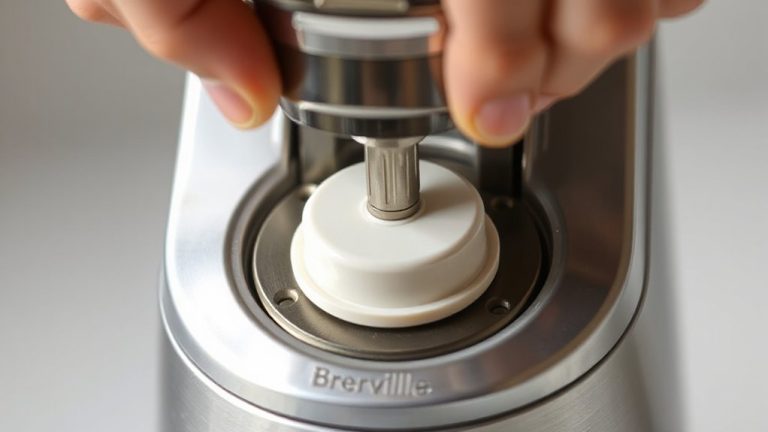
Clean Your Portafilter Before Testing Grind Settings (Why It Matters)
You need to clean your portafilter before testing a new grind setting. Leftover grounds mess with your dose, tamp, and extraction, while old oils add bitterness and sourness. Residue skews flavor, making it hard to judge the real effect of your grind change. Always knock out the puck, brush the basket, and wipe the rim. Run a flush shot if switching beans. Skip the clean, and you’ll chase false results. There’s more to get right for consistent, accurate tests.
Notable Insights
- Residual coffee grounds disrupt grind consistency and can skew test results during extraction.
- Old oils and stale particles introduce bitterness and off-notes, masking true flavor outcomes.
- Leftover grounds cause uneven tamping and channeling, compromising extraction uniformity.
- Cleaning ensures dose accuracy and prevents contamination from oxidized or rancid coffee.
- A thorough brush and wipe of the basket and portafilter guarantees a reliable, fresh start for each grind test.
Clean Your Portafilter Before Every Grind Test
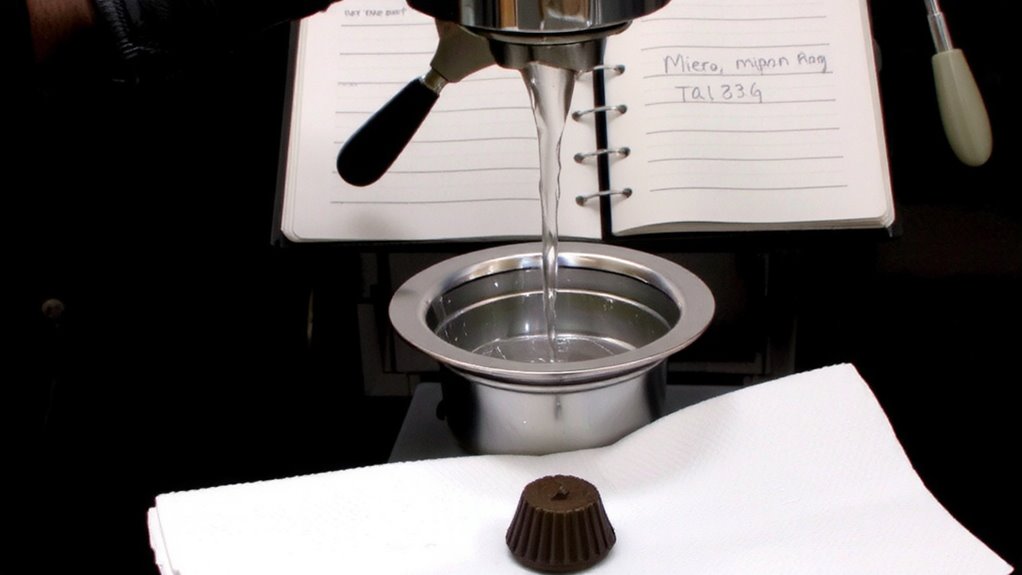
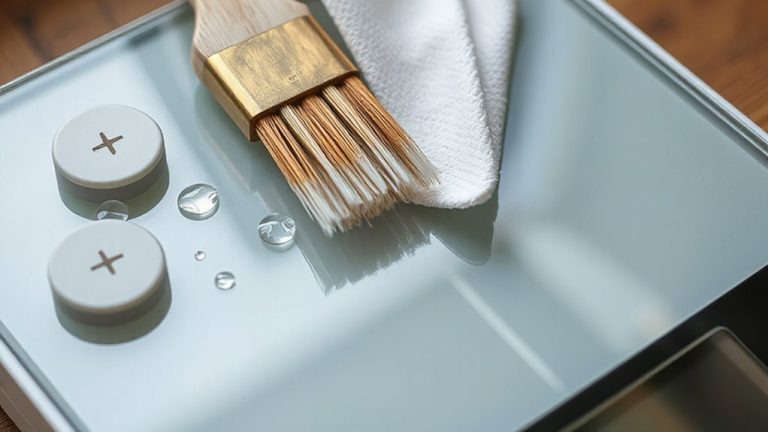
While it might seem like a small step, cleaning your portafilter before each grind test actually makes a big difference in your espresso results. Residual grounds or old coffee oils can interfere with how the fresh dose tamps and extracts, leading to inaccurate readings. You’re aiming for grind consistency, and leftover particles disrupt that-even a few stuck grounds can create channels during extraction. That means your shot might fail not because of the grind size, but because of poor portafilter hygiene. A quick brush or wipe removes debris and guarantees each test starts fresh. For best results, rinse and dry the basket after heavy use, especially when switching beans. Stainless steel brushes work better than plastic and last longer. Skip this step, and you risk false positives or flawed adjustments. Keep it simple: clean portafilter, fresh grind, consistent technique. That’s how you dial in accurately. Upgrading to a high-quality best portafilter can further enhance cleanliness and extraction stability.
How Old Grinds Cause Sour or Bitter Shots
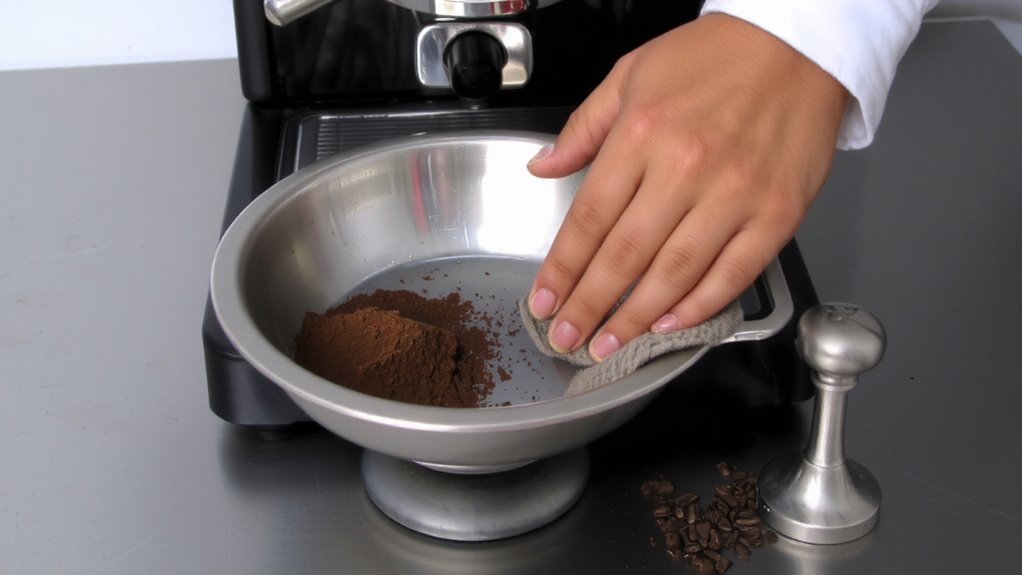
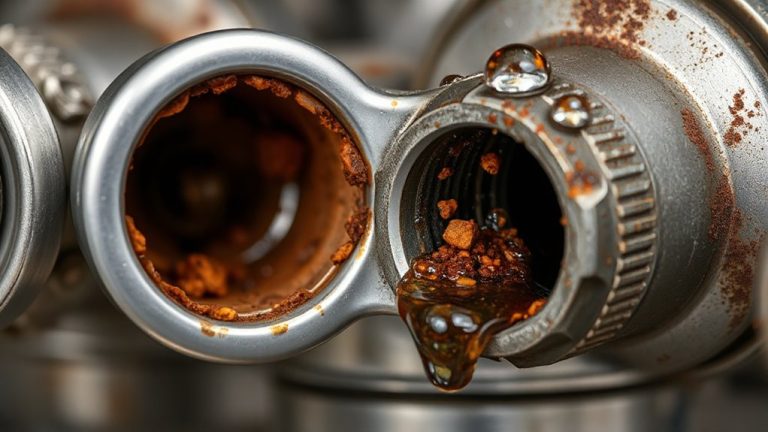
Old coffee grounds are the quiet culprits behind sour or bitter shots. When leftover grinds linger in your portafilter, they expose beans to air longer, speeding up coffee age and causing flavor degradation. These stale particles extract differently-often unevenly-pulling out off-notes instead of balanced sweetness. You’re not just tasting your new grind; you’re tasting yesterday’s coffee, too. Even a small amount of old residue skews results, making you think a fresh setting is flawed when it’s really contamination. The oils in aged grounds turn rancid, adding bitterness, while oxidized compounds bring sour, sharp tones. This undermines clarity and ruins shot consistency. If you skip cleaning, you’re troubleshooting blind. So always purge and wipe the basket before testing. It takes seconds, but it guarantees you’re judging the right variables-your grind, dose, and technique-not ghost flavors from past shots. Clean gives you truth. A consistent grind starts with a clean machine, and using a high-quality espresso grinder makes a measurable difference in shot repeatability.
Avoid This Grind Test Mistake: Skipping the Clean Step
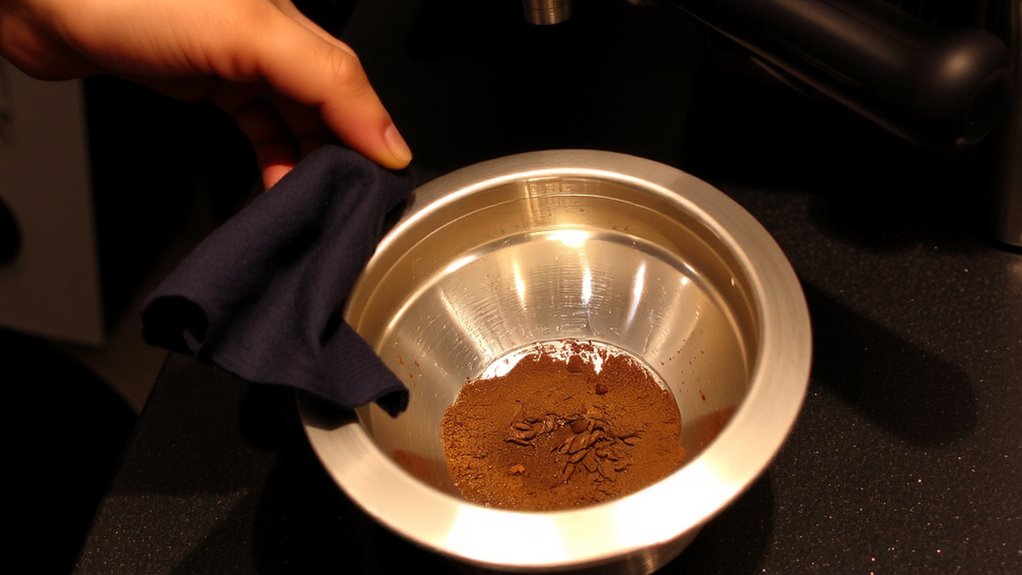
That dirty portafilter might seem harmless, but skipping the clean step before testing your grind settings screws up everything. Residual grounds mess with your dose and distribution, hurting both brew consistency and test accuracy. You won’t know if flavor changes come from your grind or leftover debris. For reliable results, always purge and brush the basket before each test. Upgrading to a high-quality precision portafilter can further enhance your espresso consistency by improving group seal and heat retention.
| Step | Action | Why It Matters |
|---|---|---|
| 1 | Knock out old puck | Removes stale coffee |
| 2 | Brush thoroughly | Clears fine particles |
| 3 | Wipe edges | Guarantees portafilter seals |
| 4 | Run flush shot | Rinses unseen residue |
This routine only takes seconds, but it protects your test accuracy and keeps brew consistency steady across trials. Skipping it means guessing instead of knowing-don’t waste beans or time. Clean gear gives clear data.
What Leftover Coffee Does to Extraction
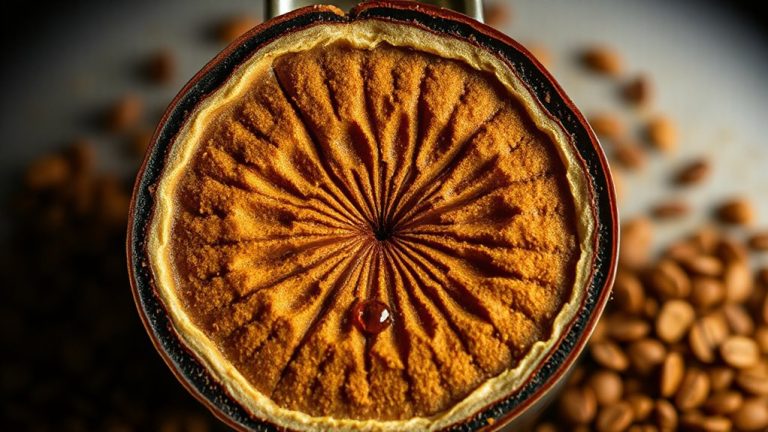
A dirty portafilter might look like a minor issue, but leftover coffee grounds directly impact your extraction. Those old grounds go stale fast-within minutes, coffee oxidation begins, breaking down volatile compounds and dulling flavor. When you pull a shot with residual coffee still in the basket, you’re not just brewing fresh beans-you’re mixing in degraded material that skews results. This leads to inconsistent extraction and flawed data when testing new grind settings. More than that, old oils and particles cause flavor contamination, adding bitterness or off-notes that don’t belong. Even small remnants can throw off delicate balance, especially with light roasts where subtle flavors matter. You end up misjudging your grind or dose when the real issue was a dirty starting point. It’s not just about cleanliness-it’s about accuracy. For reliable tests, always purge and brush the portafilter. No exceptions.
Tips for Reliable Grind Tests
One key to consistent grind testing is starting with a clean slate-literally. Wipe your portafilter and knock out old grounds before each test-residual coffee skews grind consistency and harms flavor accuracy. Use the same dose, technique, and timing for each trial. Pre-wet your filter and preheat your gear to reduce variables. Wait at least 30 seconds between adjustments to let your grinder stabilize. Small tweaks make big differences.
| Step | Action | Purpose |
|---|---|---|
| 1 | Clean portafilter & group head | Guarantees no old oils interfere |
| 2 | Set precise dose (e.g., 18g) | Promotes grind consistency |
| 3 | Note shot time & taste | Checks flavor accuracy |
Always track your changes-you’ll spot patterns faster and dial in better shots with reliable, repeatable results.
On a final note
You’ll get more accurate results if you clean your portafilter before testing a new grind. Old grounds trap oils and alter extraction, leading to sour or bitter shots. Skipping this step skews your test, making it hard to pinpoint the right setting. A quick brush and rinse take seconds but guarantee each trial starts fresh. For consistency, always clear leftover coffee. It’s a small step that makes your adjustments reliable and your espresso closer to ideal.