The Role of Grind Size in Controlling Channeling During Long Espresso Pulls
Your grind size directly shapes how water moves through the coffee during long pulls. Too coarse, and water channels through weak spots, causing sourness, bitterness, and thin crema. A finer, consistent grind slows flow and promotes even extraction. Use a quality grinder like a Compak A3 or Mazzer Mini to minimize fines and boulders. Pair uniform grind size with proper dose and tamp for best results-adjust in small steps to hit that 45–60 second sweet spot. You’re likely closer to balanced shots than you think with a few precise tweaks.
Notable Insights
- Grind size directly affects water flow resistance, with finer grinds reducing channeling risk in long espresso pulls.
- Uniform particle distribution from high-quality grinders minimizes weak spots where channeling typically occurs.
- An overly coarse grind accelerates water flow, increasing channeling and causing sour, uneven extraction.
- Optimizing grind size for 45–60 second pulls enhances extraction balance and reduces channeling potential.
- Micro-adjustments to grind size, combined with fresh beans, improve consistency and puck integrity.
Why Channeling Ruins Long Espresso Shots
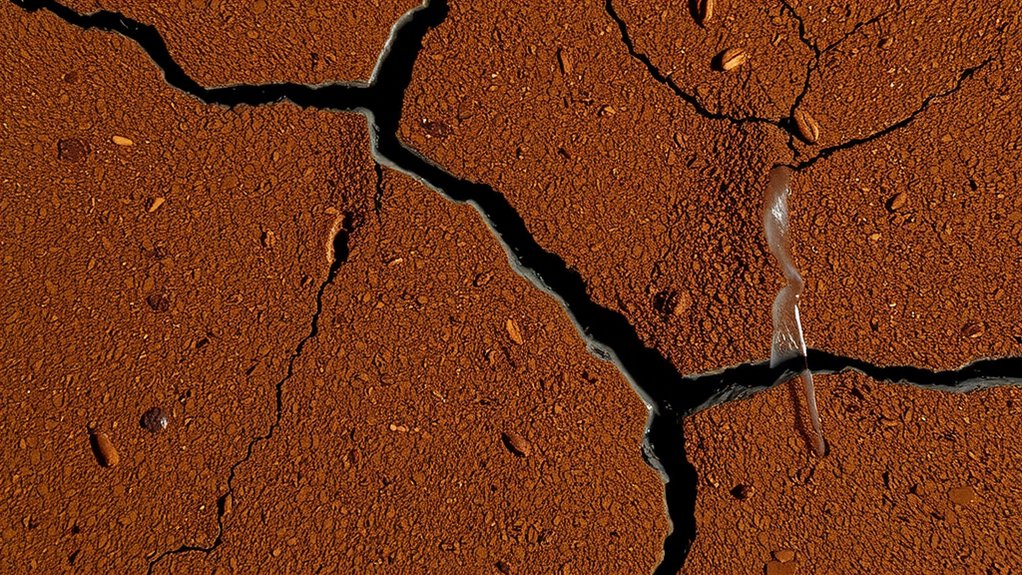
Why does your long espresso shot suddenly turn sour and thin halfway through the pull? Because channeling has taken over. When water finds weak paths through unevenly packed coffee, it rushes through too fast, creating an extraction imbalance. That means some grounds are over-extracted-bitter, harsh-while others are under-extracted-sour, weak. The result? Taste degradation that ruins your shot’s body and flavor. This is especially problematic in longer pulls, where even small inconsistencies grow worse over time. Unlike short ristrettos that mask flaws, long shots expose them. You’ll notice it mid-pull: brightness fading into hollowness. To prevent this, guarantee even distribution and tamping. Tools like WDT stirrers or precision tampers help, but consistency matters most. Channeling isn’t just a minor flaw-it’s the main reason your espresso fails to deliver balanced, rich flavor from first drop to last. Fix the channels, fix your shot. Using a best coffee distribution tool can significantly improve puck uniformity and reduce the risk of channeling.
How Grind Size Affects Water Flow and Pressure
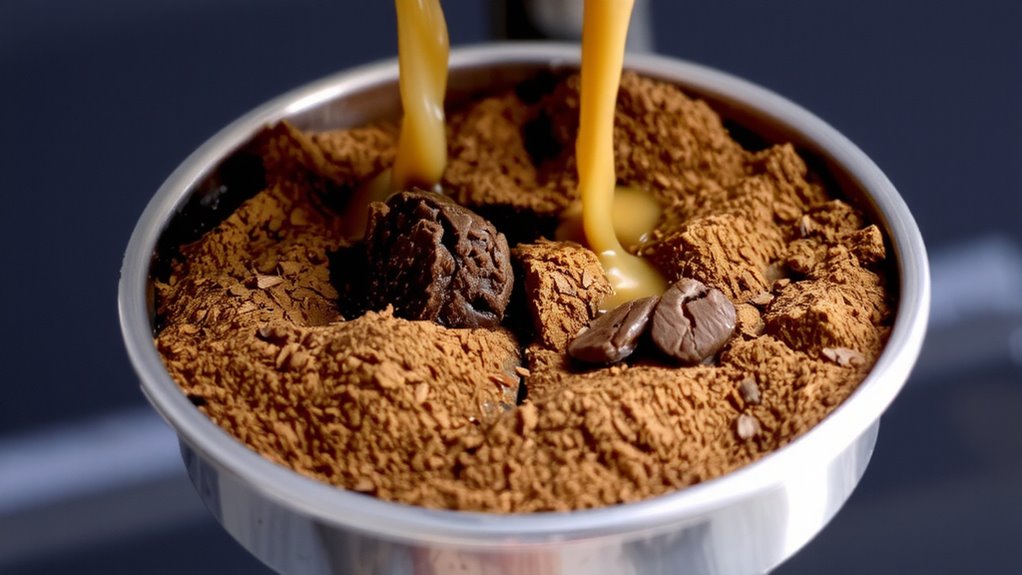
Though you might not notice it at first, your grinder’s setting has a direct effect on how water moves through the coffee bed and how much resistance it meets during the shot. When you grind finer, the particles pack more tightly, slowing water flow and increasing pressure dynamics. This can improve extraction if balanced, but too fine risks clogging and uneven water distribution. A coarser grind opens up space, letting water pass faster with less resistance, which may reduce channeling risk but can lead to under-extraction if too loose. Your machine’s pump pressure interacts with these changes-consistent water distribution depends on even particle size. If your grinder produces fines and boulders, pressure builds unevenly, promoting channels. High-quality grinders like the Compak A3 or Niche Zero reduce this issue. Adjusting grind size changes the entire flow profile, so small tweaks matter. Upgrading to one of the best grinders for espresso and pour-over ensures more uniform particle distribution, which enhances shot stability and minimizes defects. Best Coffee Grinders for Espresso and Pour-Over play a critical role in achieving consistent extractions.
Signs Grind Size Is Too Coarse in Long Pulls
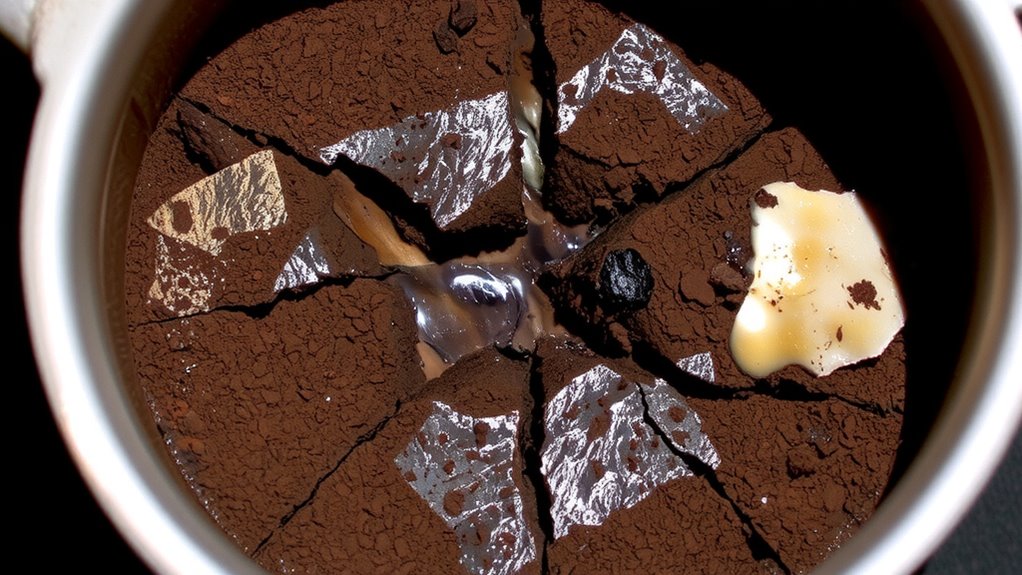
A thin stream of coffee dripping too quickly from your portafilter is usually the first clue your grind size is too coarse-especially in long pulls. When the grind’s too wide, water bypasses the coffee, creating channeling that speeds up flow and reduces extraction time. You’ll notice a weak crema-thin, patchy, or fading fast-because less resistance means fewer oils and gases emulsify. The shot likely tastes sour at first, but oddly, can also carry a bitter taste from uneven extraction, where some particles over-extract while others under-extract. You might also see premature puck drying, with dry spots forming before the shot finishes. These signs mean the water isn’t moving uniformly through the bed. Adjusting to a finer grind helps increase surface contact, slow flow, and improve consistency-without fixing the grind, you’ll keep chasing poor results, even with perfect tamping or dosing. Choosing a high-quality espresso grinder can make a significant difference in achieving a consistent and precise grind size.
Finding the Right Grind for Long Pulls
Most baristas need several test shots to nail the ideal grind setting for long pulls, and you’ll likely do the same. Start with a slightly finer grind than you’d use for a standard shot-this helps slow extraction without stalling. Your grinder calibration is critical; even small inconsistencies can skew results, so make micro-adjustments and track each change. Freshly ground beans make a real difference, so only use coffee within 7–21 days of its roast date to guarantee peak bean freshness. Older beans lose CO₂ and solubles, making even the right grind less effective. Test shots should run between 45–60 seconds; if it’s too slow, adjust coarser, too fast-go finer. Aim for balanced flavor: sweet, clear, and free of sourness or bitterness. A consistent, calibrated grinder and fresh beans give you reliable control.
Maintaining Consistent Grind to Prevent Channeling
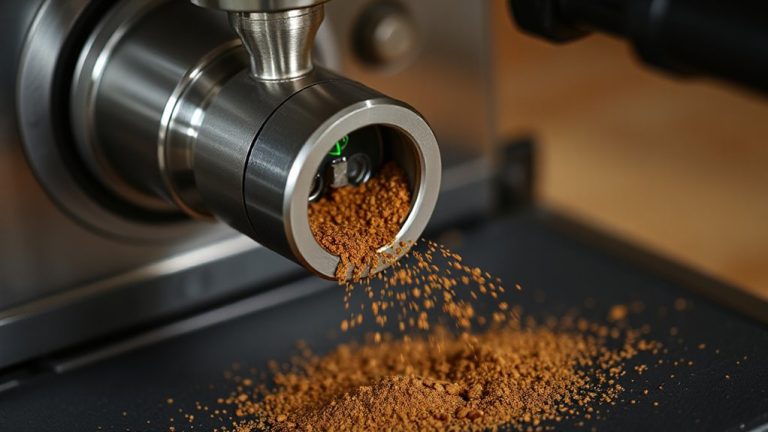
Channeling-the uneven flow of water through your espresso puck-is your enemy when pulling a clean shot, and inconsistent grind size is often to blame. You need grind uniformity to guarantee water meets the same resistance across the puck. If your grinder produces a wide particle distribution, fines and boulders create weak spots where water channels, speeding through some areas while bypassing others. This leads to uneven extraction and sour, hollow shots-especially during long pulls. Burr quality and grinder maintenance matter here. Flat burrs, like those in the Lelit Anna or Mazzer Mini, typically offer better uniformity than blade grinders. Keep your burrs sharp and clean, and recalibrate regularly. A consistent particle distribution means denser, more even extraction. You’ll see fewer spurts and streams in your shot flow. Adjust your grind setting in small increments, and always use the same dose and tamp pressure. Consistency starts at the grind-nail that, and channeling loses its grip.
On a final note
You need a finer grind to prevent channeling in long espresso pulls, as too coarse lets water rush through unevenly. Aim for a texture like table salt, adjusting gradually. Consistent particle size from a quality grinder-like the Baratza Forté or Compak E12-makes a real difference. If shots pull too fast or taste weak, refine the grind. Small tweaks beat big changes-precision keeps flow steady and flavor balanced.