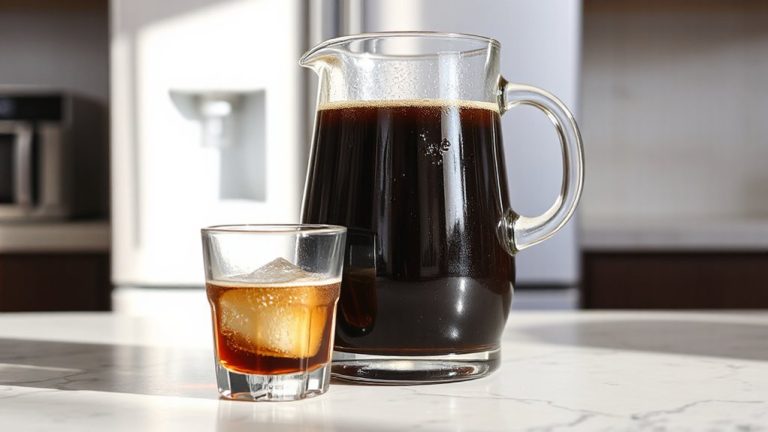
Why Filtered Water Improves Aroma Longevity in Stored Brewed Coffee
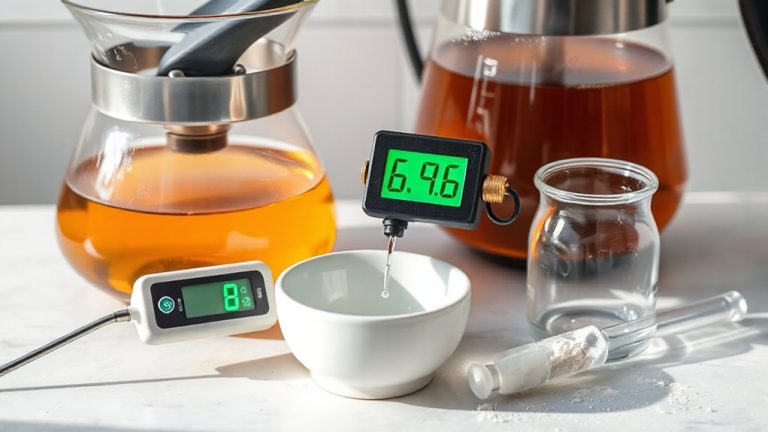
You’ll get better-smelling leftover coffee by using filtered water because it removes chlorine and reduces hard minerals like calcium and magnesium that speed up oxidation. Those compounds break down the aromatic oils that give coffee its fresh scent, especially in places like Denver or Chicago with very hard water. Activated carbon filters, like Brita, or RO systems like APEC RO-90, help preserve flavor longer. Store your brew in a thermal carafe and you’ll notice the difference hours later. The right filter setup makes a real difference in everyday coffee quality.
Notable Insights
- Filtered water reduces chlorine, preventing oxidation that degrades coffee’s aromatic compounds during storage.
- Lower mineral content in filtered water minimizes reactions with coffee oils, preserving freshness longer.
- Activated carbon filters remove impurities that cause off-flavors and stale smells in stored coffee.
- Consistent water composition from filtration stabilizes volatile aroma molecules over time.
- Filtered water inhibits bacterial growth and mineral buildup, both of which diminish stored coffee’s scent.
Why Tap Water Makes Stored Coffee Smell Stale
While tap water might seem like a fine choice for brewing coffee, it can actually be the reason your stored coffee develops a stale, off-putting smell over time. The issue often comes down to water hardness-high levels of calcium and magnesium in tap water react with coffee compounds during storage. These minerals promote mineral oxidation, a process that degrades aromatic oils and creates flat, rancid notes. Even if your coffee tastes fine fresh, these changes accelerate once it cools and sits. Areas with hard water, like Denver or Chicago, see this problem more often. Using a simple activated carbon filter at home reduces hardness and limits oxidation, helping preserve aroma. You don’t need expensive gear; affordable pitchers like Brita or faucet-mounted filters make a noticeable difference. Filtering isn’t about purity-it’s about stability. For longer coffee storage, filtered water is a practical, proven step you can’t skip.
How Chlorine Destroys Coffee’s Aroma During Storage
If your stored coffee loses its bright, fresh scent within a day or two, chlorine in tap water might be to blame. Chlorine causes oxidation that breaks down delicate aromatic compounds in brewed coffee over time. This process, called chlorine oxidation, accelerates aroma degradation, leaving your coffee smelling flat or stale. Chlorine reacts with oils and volatile molecules responsible for coffee’s inviting scent, weakening them even in sealed containers. Unlike specialty brewing methods that enhance flavor, tap water with chlorine works against freshness from the start. Using filtered water reduces these reactions, preserving complexity during storage. You don’t need lab-grade systems-a simple activated carbon filter removes most chlorine. Brands like Brita or ZeroWater help, especially when storing coffee for more than a few hours. The result? A cup that still smells like coffee, not cardboard.
Filtered Water vs. Tap: Which Keeps Coffee Fresher Longer?
Since chlorine in tap water speeds up the breakdown of coffee’s delicate aromas, using filtered water can make a noticeable difference in how long your brew stays fresh. Tap water also varies in water hardness, which affects oxidation and can dull flavor over time. High mineral content may seem helpful, but without proper mineral balance, it actually promotes faster staling. Filtered water removes chlorine and moderates hardness, creating a more stable environment for stored coffee. This helps preserve volatile compounds responsible for aroma. In contrast, unfiltered tap water-even if safe to drink-often contains inconsistent mineral levels that accelerate degradation. If you’re storing brewed coffee, even for a few hours, filtered water gives better results. It’s a small change with a measurable impact on freshness and scent retention, especially in automatic drip machines or thermal carafes.
Top 3 Filters for Preserving Brewed Coffee’s Scent
You’ve seen how filtered water helps preserve coffee’s aroma better than tap, especially when storing brewed coffee for later. To get the best scent retention, start with the right filter. Countertop pitchers like Brita use carbon absorption to reduce chlorine and impurities that mask delicate notes-ideal for occasional drinkers but limited in mineral balance control. For more precision, under-sink RO systems (such as APEC RO-90) strip nearly all minerals, though you’ll need to re-mineralize for ideal taste. Better yet, third-wave water tablets added post-filter give direct control over mineral balance. Alternatively, countertop reverse osmosis units like the EQ-600 combine carbon absorption with adjustable remineralization, making them a strong pick for coffee-focused homes. Each filter varies in maintenance, cost, and setup, so match your choice to brewing frequency and storage needs.
What Happens to Coffee Stored With Impure Water
When impure water sits with brewed coffee, even for a short time, the off-flavors and chemical imbalances in the water start degrading the coffee’s natural aroma and taste. You’re not just losing freshness-you’re inviting problems. Impurities like chlorine or excess minerals react with coffee compounds, muting delicate notes and leaving a flat or metallic aftertaste. Over time, mineral buildup from hard water accumulates in your carafe or warmer, creating a residue that traps odors and affects future batches. Worse, warm, moist environments encourage bacterial growth, especially if coffee sits out past two hours. That stale smell? It might not just be oxidation-it could be microbes thriving in sugary, lukewarm coffee. These contaminants don’t just alter flavor; they shorten shelf life and compromise hygiene. If you’re reheating old coffee made or diluted with unfiltered water, you’re amplifying these flaws. The result is a weaker, sourer, or musty drink-far from what fresh brewing should deliver.
Easy Upgrades for Better-Tasting Leftover Coffee
If you’re dealing with leftover coffee, the simplest upgrade is switching to filtered water-both for brewing and diluting. It slows coffee oxidation and improves aroma retention, directly influencing taste evolution over time. Unfiltered water carries minerals and chlorine that speed staleness. For better results, store coffee in a thermal carafe-no heating plate-to maintain temperature without over-extraction. Reheating degrades flavor, so it’s best avoided. Consider these common storage methods:
| Method | Aroma Retention | Best For |
|---|---|---|
| Thermal carafe | High | 1–4 hour storage |
| Sealed mason jar | Medium | Cold brew dilution |
| Open pot | Low | Immediate reheating |
Filtered water, paired with airtight, insulated storage, limits exposure to heat and oxygen. This small change stabilizes taste evolution and keeps your leftover coffee drinkable longer.
On a final note
You’ll keep coffee smelling fresh longer by using filtered water. Tap water’s chlorine and minerals accelerate aroma loss during storage. A basic carbon filter, like Brita or PUR, removes most odor-killing compounds. For best results, pair filtered water with airtight, opaque containers. While not a total fix, filtering helps maintain scent and taste in leftover brew-especially in drip or cold brew stored beyond a few hours. It’s a low-cost upgrade with clear benefits.