Moka Pot Grind Size Guide: Medium-Fine, No Scorching
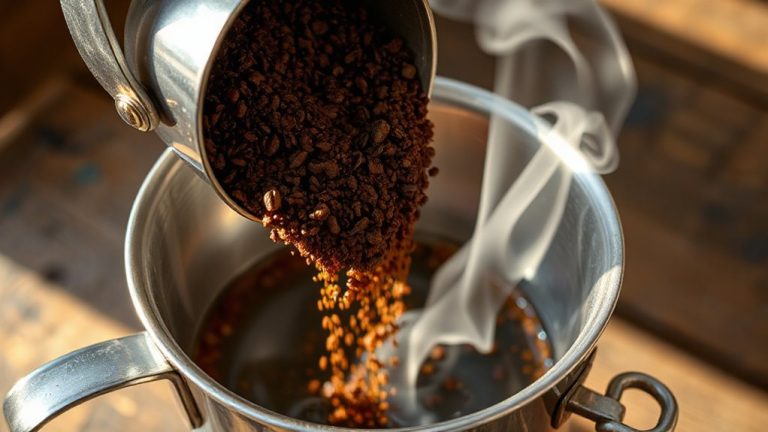
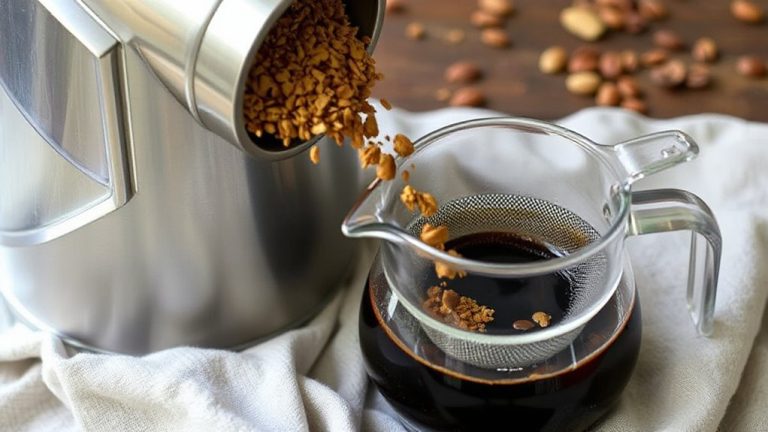
Grind your coffee to a medium-fine consistency, like table salt, using a conical burr grinder for even particles and balanced extraction. Blade grinders create uneven chunks and fines, which can clog or scorch. Use medium heat to avoid overheating-sputtering means it’s too hot. Light roasts need a slightly finer grind; dark roasts work better a touch coarser. Fresh beans, filtered water, and clean equipment make a real difference in flavor clarity. Small tweaks here lead to noticeably better brews.
Notable Insights
- Use a medium-fine grind, similar to table salt, for balanced extraction without clogging or scorching.
- Choose a conical burr grinder to ensure uniform particles and consistent brewing results.
- Adjust grind size based on roast: finer for light roasts, slightly coarser for dark roasts.
- Brew on medium heat to prevent scorching and maintain even pressure during extraction.
- Use fresh coffee and filtered water, aiming for a total brew time under 5 minutes.
Grind It Medium-Fine for Balanced Moka Pot Coffee
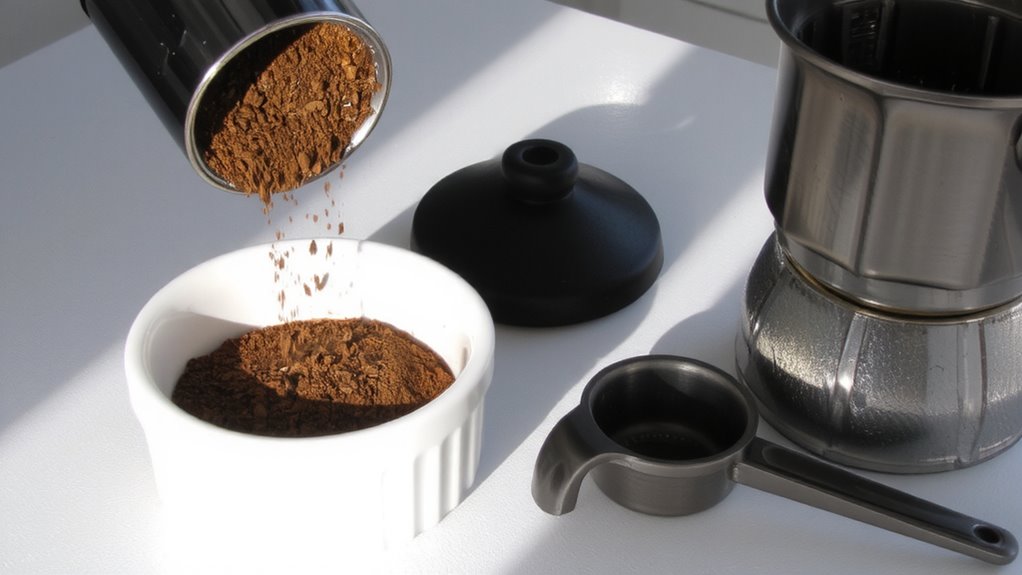
While you might be tempted to use a coarse grind like the one for drip coffee, going too coarse with your moka pot will lead to weak, under-extracted coffee. You’ll miss out on the rich taste notes and proper flavor balance a moka pot can deliver. Instead, aim for a medium-fine grind-similar to table salt. This size allows water to extract evenly under pressure, pulling out nuanced flavors without overdoing bitterness. Too fine, and you risk clogging or scorching; too coarse, and your brew tastes thin and flat. The right grind brings out chocolate, nutty, or caramel notes depending on your bean. Achieving consistent flavor balance means matching grind size to your coffee’s roast and the moka pot’s pressure. It may take a few tries, but once dialed in, your daily brew will taste noticeably better-layered, full, and clean.
Use a Conical Burr Grinder for Even Results
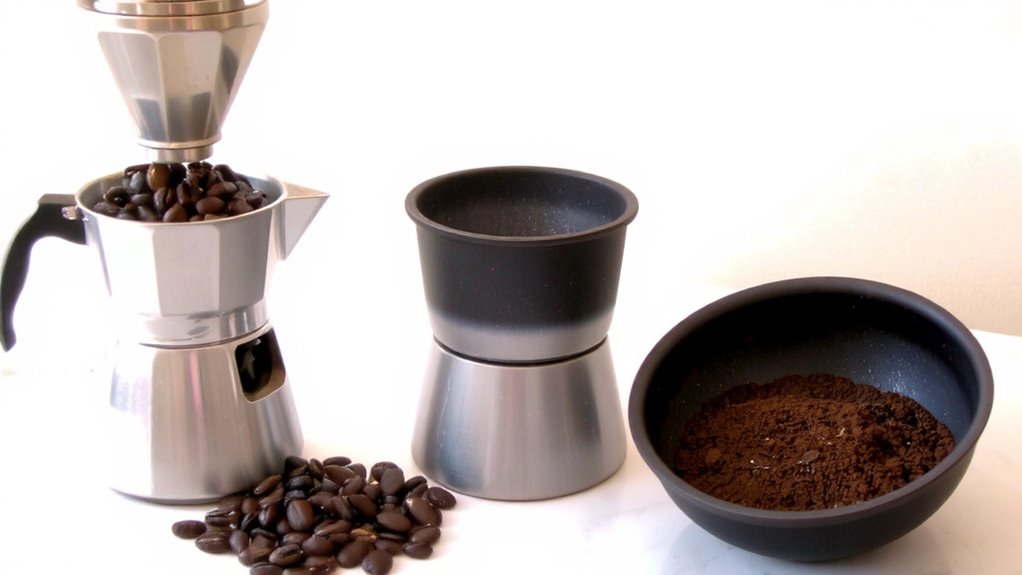
Getting the grind size right means nothing if your particles aren’t uniform, and that’s where your grinder matters just as much as the setting you choose. Blade grinders chop beans unevenly, leading to poor grind consistency that muddles extraction. A conical burr grinder, like the Baratza Encore or Kalita Hand Grinder, crushes beans between two ridged surfaces, producing uniform particles. This evenness guarantees water passes through cleanly, extracting balanced compounds without over- or under-expressing parts of the dose. With better grind consistency, you gain clearer flavor clarity-think bright acidity, defined sweetness, and cleaner finish. Cheaper grinders create fines and boulders, which skew results and clog the brew path. Even high-end blade options can’t match the control. If you’re serious about Moka pot coffee, investing in a conical burr model isn’t optional-it’s essential for repeatable, clean results every time. For those seeking precision in both espresso and pour-over brewing, the best coffee grinders deliver the consistency needed for optimal extraction.
Brew With Medium Heat to Prevent Scorching
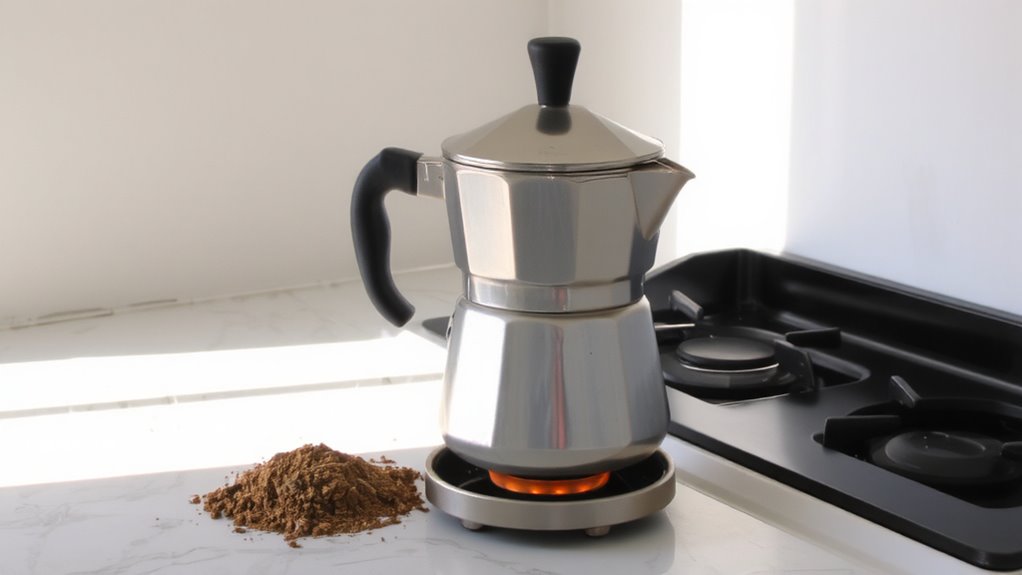
If you crank the burner up too high, you’ll risk scorching the coffee as the water rushes through too fast and overheats the puck, giving your brew a burnt, bitter taste. Instead, use medium heat for steady extraction and better flavor balance. Proper heat control is key-start with the pot on medium and adjust if needed. You want a smooth, gradual rise in pressure, not a rapid boil. Flame regulation matters, especially on gas stoves where the fire can easily overwhelm the base. Electric stoves retain heat longer, so you may need to lower the setting sooner. Induction requires careful monitoring due to instant heat response. Avoid letting the pot sputter at the end-it’s a sign you pushed it too hard. With consistent flame regulation, you’ll get cleaner, sweeter coffee every time. For best results, choose one of the top stovetop espresso makers that are designed for even heat distribution and optimal brewing performance.
Adjust Grind Size for Light or Dark Roasts
Since light and dark roasts respond differently to water during extraction, you’ll need to adjust your grind size to get the best out of each. Light roasts are denser due to higher roast density, so they need a finer grind to allow proper water penetration. This helps extract enough flavor without underdoing it. Dark roasts are less dense and more brittle, so use a slightly coarser grind to avoid over-extraction and harshness. Always consider bean origin, too-African beans, often lighter and more acidic, may need finer grinding, while Sumatran or Brazilian beans from darker profiles usually do better coarser. Your grinder’s burrs should be consistent; blade grinders won’t give you the control needed. Start with a medium-fine setting for light roasts and move slightly coarser for dark. Adjust based on taste, but keep roast density and bean origin in mind for better, repeatable results. For pour-over methods, a medium-fine grind achieves optimal extraction and balance.
Fine-Tune for Strength Without Bitterness
Aiming for a strong but balanced Moka pot brew means adjusting a few key variables without tipping into bitterness. You’ll want to start with fresh coffee-ideally roasted within the past two weeks-because coffee freshness directly impacts flavor clarity and acidity. Stale beans lose volatile compounds, leading to flat, dull results. Use a consistent medium-fine grind, slightly coarser than espresso, to prevent over-extraction. Pair that with good water quality; avoid distilled or heavily mineralized water. Filtered tap water works well-it’s balanced and accessible. Brew time should stay under 5 minutes total. If it’s dragging, your grind might be too fine. If the coffee tastes weak, adjust incrementally, but never sacrifice extraction control for strength. A clean machine matters too-residue can skew taste. Small tweaks, not drastic changes, deliver the best balance.
On a final note
You’ll get the best Moka pot results by using a medium-fine grind from a conical burr grinder like the Baratza Encore. Brew over medium heat to avoid scorching, especially with dark roasts. Light roasts may need a slightly finer grind. Adjust in small steps: too fine causes bitterness, too coarse leads to weak coffee. It’s trial and error, but consistency and heat control are key.