How to Identify Chipped or Blunt Burrs by Examining Ground Coffee Texture
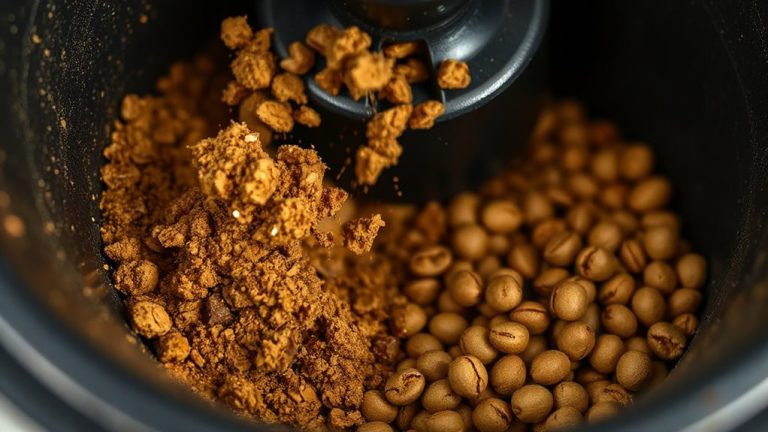
If your ground coffee has a mix of fine dust and large chunks, your burrs are likely dull or chipped. Inconsistent texture means the blades aren’t cutting evenly, leading to poor extraction and flat flavor. You might also see grounds sticking to the chamber from increased static. This is common in older grinders like a Baratza Encore after heavy use. Fresh burrs give uniform particles, especially with dense beans like Ethiopians. Spotting boulders and fines? It’s probably time for new burrs.
Notable Insights
- Look for a mix of fine powder and large chunks, indicating uneven grinding from worn or chipped burrs.
- Notice increased clumping in grounds, caused by heat and friction from dull or damaged burrs.
- Spot static cling where grounds stick to the chamber, a sign of burr wear and increased static.
- See consistent boulders and fines despite proper settings, signaling loss of burr sharpness or alignment.
- Observe poor espresso shot consistency or rapid oxidation, suggesting degraded grind quality from blunt burrs.
Why Worn Grinder Burrs Ruin Your Coffee
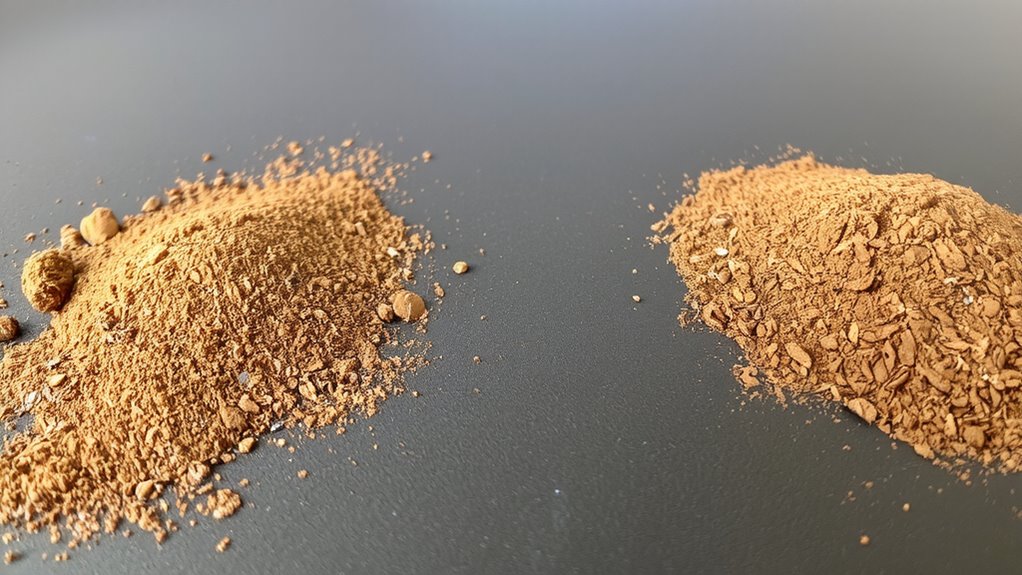
Grind quality starts with sharp burrs-and when they’re worn down, your coffee pays the price. Dull or damaged burrs crush instead of cut, creating uneven particles that over-extract some grounds and under-extract others. This inconsistency ruins flavor balance, often making coffee taste bitter or sour. Uneven grind size also increases surface area, speeding up coffee oxidation and degrading freshness faster. You’ll notice flat, stale flavors even with freshly roasted beans. Worn burrs generate more heat and friction, worsening oxidation while also causing more static buildup-leading to wasted grounds clinging to the grinder chamber. Static worsens with finer grinds, especially in dry conditions, and aluminum burrs tend to build more charge than stainless steel. While some grinders reduce static with coatings or anti-static brushes, the root fix is sharp, well-maintained burrs. You’re not just grinding coffee-you’re controlling extraction, freshness, and waste. For consistent results, consider investing in one of the best coffee and espresso grinders recommended for their durable burr sets and grind precision.
Look for These 3 Signs of Burr Wear in Your Grind
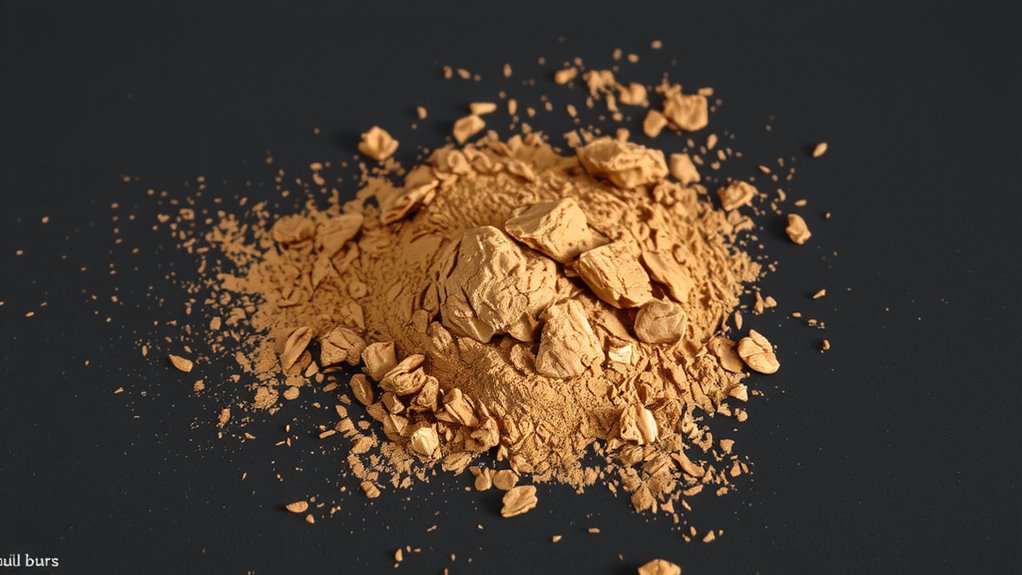
You’ve probably noticed your coffee tasting off lately-maybe it’s more bitter than usual or lacks the bright notes you used to get from the same beans. Worn burrs often cause inconsistent particle distribution, leading to poor extraction. Look for these three signs: uneven grind size, increased static, and grind clumping. These issues point directly to dull or damaged burrs struggling to cut beans cleanly. Upgrading to a high-quality mill grinder can significantly improve grind consistency and extend burr life.
| Sign | What You’ll See | What It Means |
|---|---|---|
| Uneven particles | Mix of fine dust and large chunks | Poor particle distribution |
| Static sparks | Grounds clinging to the grinder | Burr wear affecting consistency |
| Grind clumping | Coffee sticking in clumps | Moisture and friction from dull burrs |
Fixing this early keeps your brew balanced and your grinder efficient.
Fines and Boulders: What They Say About Your Burrs
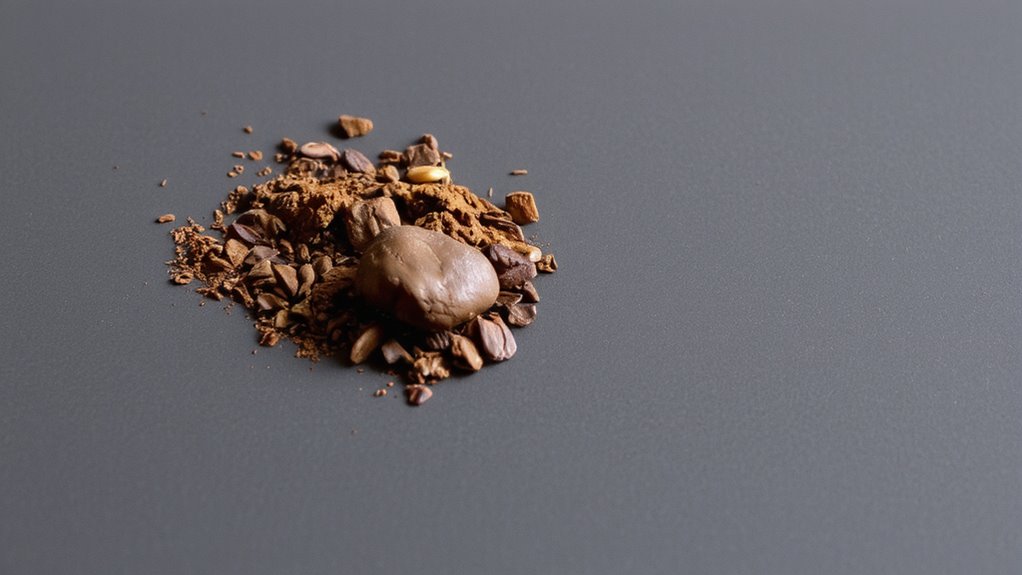
While your grinder might still spin freely, a closer look at the output can reveal telltale imbalances-like a surge in fines and boulders-that signal burr wear. You’ll notice poor extraction, with some particles over-extracted and others under-extracted, because worn burrs fail to cut evenly. This inconsistency worsens particle segregation, where fine dust settles at the bottom while larger chunks rise, making dosing unreliable. Uneven grounds also increase surface area exposure, speeding up grind oxidation and dulling flavor fast. You’re not imagining it-your espresso’s shot life is shorter, and your filter brews taste flat. Steel burrs degrade slower than ceramic, but even premium models like the 83mm flat burrs in the EK43 will eventually wear. If you’re seeing these signs regularly, it’s not just your technique-your burrs likely need replacing. Check every 500–750 grams for heavy users.
Fresh vs. Worn Burrs: How the Grind Compares
A sharp set of burrs makes all the difference in hitting a consistent grind size. As your burrs wear, you’ll notice changes in both bean density handling and grind consistency. Fresh burrs slice cleanly through beans, producing uniform particles. Worn burrs crush instead of cut, leading to erratic grind sizes and uneven extraction. Upgrading to one of the best prosumer espresso grinders can significantly improve grind quality and shot consistency over time.
| Feature | Fresh Burrs | Worn Burrs |
|---|---|---|
| Grind Consistency | High – even particle size | Low – boulders and fines common |
| Bean Density Handling | Handles dense beans (e.g., Ethiopians) efficiently | Struggles, causing heat and inconsistency |
You’ll see the difference most in espresso, where precision matters. With time, even daily grinding erodes burr edges, reducing their ability to maintain tight tolerances. The result? Unpredictable shots and flat flavors. Pay attention to how your coffee tastes and how the grounds look-your burrs are working harder than you think.
When to Replace Your Grinder’s Burrs
When your grinder no longer delivers the consistency it once did, it’s time to contemplate burr replacement. You’ve probably noticed increasingly uneven grounds, with some fines mixed with boulders-especially in espresso. Even after thorough grinder cleaning and checking for clogs, if performance doesn’t improve, worn or chipped burrs are likely the culprit. Misaligned particles can also point to poor burr alignment, which no amount of adjusting will fix if the metal is degraded. Most manufacturers recommend replacing burrs after 500–1,000 hours of use, depending on grind setting and bean hardness. Steel burrs in models like the Baratza Encore wear faster than commercial-grade ones. If you’re spending more time dialing in than brewing, and cleaning or realigning doesn’t help, replacement is the practical next step. Fresh burrs restore grind quality and machine longevity.
On a final note
You can spot worn burrs by checking your grind’s consistency. If you see a mix of fine powder and large chunks, your burrs are likely dull. Fresh burrs produce even particles, improving flavor and extraction. Uneven grinds often mean it’s time to replace them-typically after 500–1,000 hours of use, depending on the grinder. For consistent results, track grind texture and consider replacing burrs before performance drops too far.