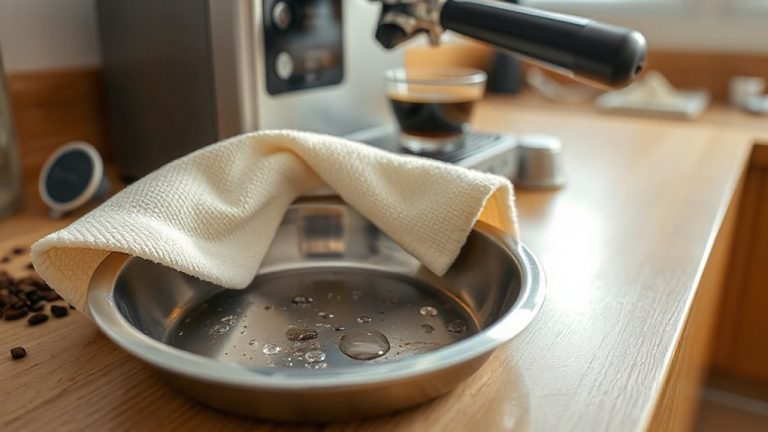
How to Prevent Thermal Shock in Glass Carafes With Proper Water Temp
Pre-warm your glass carafe with warm tap water to prevent sudden temperature shifts that can crack even Chemex or Bodum. Use water between 195°F and 205°F-boiling increases the risk. Tempered glass handles heat better, but all carafes need gradual temperature changes. Avoid pouring hot liquid into a cold carafe or rinsing a hot one with cold water. Check for chips and clean gently. More smart tips follow.
Notable Insights
- Pre-rinse the glass carafe with warm water to gradually raise its temperature before adding hot brew.
- Use water between 195°F and 205°F to safely brew coffee without exceeding thermal stress limits.
- Avoid pouring boiling water (212°F) directly into a cold or room-temperature glass carafe.
- Allow the carafe to reach room temperature before use, especially if stored in a cold environment.
- Invest in carafes made of tempered or heat-resistant glass for improved thermal shock resistance.
Why Hot Water Cracks Glass Carafes?
Even though glass carafes look sturdy, pouring hot water into a cold one can cause it to crack-fast. That’s because the sudden temperature change creates uneven expansion in the glass, leading to stress. You might not see it at first, but over time, material fatigue sets in, weakening the structure with each use. Tiny microfractures grow, especially around seams or bases where heat concentrates. When you add hot water swiftly, it traps steam and causes pressure buildup inside the carafe, increasing strain. This combo-thermal shock, material fatigue, and pressure buildup-makes cracking more likely. It’s not just about cheap glass; even well-made carafes like those from Chemex or Bodum aren’t immune if misused. Always check manufacturer guidelines. Avoid extreme temp shifts, and never pour boiling water directly into a room-temp or cold carafe. Prevention starts with understanding these physical reactions-not waiting for the crack.
Pre-Warm Your Carafe to Stop Cracking
You can avoid cracking your glass carafe by warming it first-simple as that. Run warm tap water through it or swirl a bit of hot water inside before filling. This gradual temperature shift reduces stress on the glass. Sudden changes can trigger cracks, especially if material fatigue has weakened the carafe over time. Even high-quality glass degrades slightly with repeated temperature swings. While most carafes meet safety standards, unseen manufacturing defects can also increase breakage risk. Pre-warming helps expose weak spots before full heat exposure. It won’t fix a flawed carafe, but it adds a buffer. Borosilicate models like those from Chemex or Breville handle heat better, but pre-warming still helps. Think of it as low-effort insurance. You don’t need perfect conditions-just a quick rinse. It’s the easiest way to extend your carafe’s life and avoid surprise spills mid-brew.
Use Safe Water Temperatures
Most coffee brewing works best when water stays between 195°F and 205°F, hot enough to extract flavor but not so hot it damages your glass carafe. You can hit this range reliably by using an electric kettle with temperature control-a precise and convenient heating method. Avoid pouring boiling water (212°F) directly from a stovetop kettle, as the extreme heat increases crack risk. Cold tap water heated gradually is ideal; poor water quality, like hard water, can affect both taste and heating efficiency. Filtered water improves results and protects your gear over time. Never reuse water that’s been boiled multiple times-it degrades quality and alters temperature accuracy. With consistent heating methods and clean, fresh water, you maintain safe temps and extend your carafe’s life. Keep it simple: heat mindfully, monitor closely, and you’ll avoid thermal shock while brewing great coffee.
Choose Tempered Glass to Resist Thermal Shock
While standard glass can crack under sudden temperature changes, tempered glass is specially treated to handle the stress of hot coffee, making it a smarter choice for carafes. You’ll benefit from its enhanced material strength, which allows it to resist cracking when exposed to heat. This treatment involves heating the glass then rapidly cooling it, creating a tougher surface. Tempered glass also offers better design durability, meaning your carafe lasts longer even with regular use. It’s less likely to chip or break during pouring or cleaning. Most high-quality coffee carafes from brands like Bodum or OXO use tempered glass as a standard. While it’s not indestructible, it’s far more reliable than regular glass. If you’re using a carafe that doesn’t specify tempered glass, consider upgrading. Choosing the right material upfront helps prevent unexpected breakage and keeps your brewing routine safe and smooth. For peace of mind, look for carafes labeled as glass coffee carafes that meet industry standards for thermal shock resistance.
Avoid Sudden Temperature Swings
Tempered glass handles heat better than regular glass, but even it can fail if exposed to abrupt temperature changes. You need to avoid sudden cooling-like pouring hot water into a cold carafe or setting a hot one on a chilly surface-since that stress can cause cracks. Never expose your glass carafe to direct flame, as stovetop burners and open flames create uneven heating that weakens the structure. Instead, use gentle, consistent heat sources like electric warming plates or induction-compatible heaters when needed. If you’re brewing with hot water, pre-warm the carafe first by rinsing it with warm tap water. That small step reduces thermal shock risk markedly. Also, skip moving the carafe straight from the fridge to a hot environment-it’s asking for trouble. Slow, gradual shifts keep the glass stable.
Inspect for Chips Before Heating
A tiny chip or crack might seem like no big deal, but it’s a weak spot waiting to spread when heat hits. That small flaw compromises the carafe’s structural integrity, making it far more vulnerable to sudden failure. When you add hot water, the temperature stress can trigger crack propagation, where the break quickly spreads across the glass. This isn’t just about leaks-it can cause the carafe to shatter during use, especially with materials like borosilicate or tempered glass. Always inspect your carafe before heating, running your fingers along the rim and sides. If you spot any damage, even a hairline fracture, don’t risk using it. A replacement carafe from brands like Chemex or Bodum costs less than dealing with spills or injury. Prevention beats repair when safety’s on the line.
Clean Carefully to Prevent Cracks
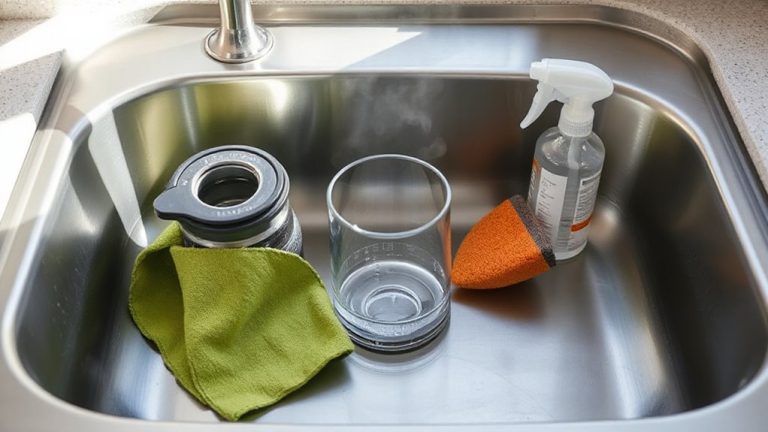
Even though glass carafes seem tough, how you clean them can quietly weaken their structure over time. Avoid abrasive scrubbers like steel wool, which can create micro-scratches that weaken the glass and make it more prone to cracking under temperature changes. Instead, use a soft sponge and mild dish soap, rinsing thoroughly to prevent residue. Let the carafe cool completely before washing-never expose hot glass to cold water, as that can cause immediate thermal shock. Handle gently during cleaning to avoid bumps or drops, even on forgiving surfaces like countertops. For stubborn buildup, use warm water and vinegar, then soak for 30 minutes. Always dry by hand or let air-dry upside down on a padded rack. Store properly-keep it upright in a secure cabinet, away from other items that could knock or press against it. These small steps extend your carafe’s life and maintain its integrity.
On a final note
You can prevent thermal shock by pre-warming your carafe with warm water before adding hot brew. Keep water temps below 212°F and avoid pouring boiling liquid into a cold glass. Tempered glass, like that in Bodum or Chemex carafes, handles heat better but isn’t immune. Check for chips and avoid sudden temp swings. Hand wash gently-dishwashers stress glass. Simple habits protect your gear and keep coffee flowing safely.