Standardizing Safety Protocols for Childproofing Popularity-Driven Compact Grinder Designs
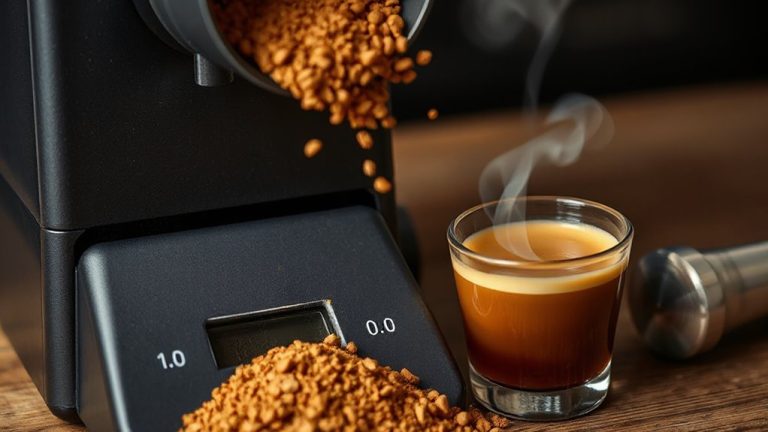
You’re using a compact grinder like the Fellow Ode or 1Zpresso J-Max without realizing how easily kids can get hurt. Exposed blades and simple push-button starts mean accidents happen fast. Most models skip childproofing to keep designs slim and stylish. Real safety means built-in blade shields, lockable lids, and motor interlocks-like on the Timemore C2 or Baratza Encore. Upgrading isn’t enough; safety must be standard. You’ll find out which brands are finally getting it right.
Notable Insights
- Compact grinders need mandatory childproofing features like blade shields and motor locks to prevent accidental injuries.
- Standardized safety protocols should integrate magnetic interlocks and recessed switches across all grinder models.
- Manufacturers must prioritize safety over minimalism by embedding lockable lids and guarded blades without compromising design.
- Regulatory bodies should enforce age-appropriate usage guidelines and universal child safety standards for all markets.
- Built-in fail-safes like app-controlled locks or passcode activation can prevent unauthorized use by children.
Where Kids Get Hurt Using Compact Grinders
Why do so many kids get hurt using compact grinders? You’ll often find these devices left within reach at home or even brought to school, where curious hands don’t understand the risks. Most injuries happen when fingers or loose clothing catch the spinning blade during operation. These small grinders lack built-in safety switches or blade guards, making them dangerous if unattended. Playground accidents sometimes occur when kids play with discarded or misplaced devices, mistaking them for toys. School incidents have been reported when students bring grinders for lunches or projects without supervision. Since many models start with a simple button press, accidental activation is common. You should always store your grinder locked or out of reach. Using models with child-resistant locks, like the Baratza Encore Conical, adds protection. Unplug after use. Supervise closely when kids are nearby. Safety starts with responsible handling and design choices that prioritize prevention.
How Grinder Trends Ignore Child Safety
While sleek, compact grinders like the Fellow Ode and the 1Zpresso J-Max dominate the home coffee scene for their portability and minimalist design, most prioritize form and function over child safety. You’re drawn in by their looks and performance, but few consider how easily a child can access the grinding mechanism. Social media influence pushes these stylish models hard, focusing on aesthetics and efficiency while skipping safety talks. Unsecured lids, exposed blades, and small parts create risks, especially in homes without consistent parental oversight. These designs assume users will always supervise, but real life isn’t that predictable. Without built-in safeguards like locking mechanisms or shielded gears, the responsibility falls entirely on you. Even high-end models rarely include childproof features as standard, treating safety as an afterthought rather than a design priority. You’re left adapting solutions instead of getting them out of the box.
Must-Have Safety Upgrades for Every Model
You’ve seen how popular compact grinders often overlook basic safety around kids, favoring slim profiles and smooth operation over real-world safeguards. That’s why blade shielding is non-negotiable-it physically blocks little fingers from contact, even when cleaning or handling. Models like the Timemore C2 prove effective shielding doesn’t add bulk. Motor locking is equally critical; it prevents accidental startups when the hopper is removed or the grinder jar is off. You don’t want a curious twist to turn the blades on. Units with magnetic or mechanical interlocks, such as the Baratza Encore, already use this smart fail-safe. These upgrades aren’t luxury features-they’re essential baseline protections. Retrofitting isn’t reliable, so insist on them at purchase. Both blade shielding and motor locking are achievable without sacrificing efficiency or size. If a grinder lacks either, it’s not ready for homes with kids. Prioritize function, but never at the cost of safety.
Can Grinders Be Safe and Stylish?
Is safety really a trade-off for sleek design in compact grinders? Not anymore. With modern engineering, you can have both protection and style without compromise. Ergonomic design guarantees comfortable handling while reducing accident risks, especially in tight spaces. Aesthetic innovation lets manufacturers integrate child-safe mechanisms-like lockable lids and shielded blades-without sacrificing visual appeal. You don’t need to hide your grinder in a cupboard anymore. Leading models now feature Best Mill Grinders technologies that enhance durability and precision grinding.
| Feature | Safety Benefit | Style Integration |
|---|---|---|
| Rounded edges | Reduces injury risk | Soft, modern look |
| Locking mechanisms | Prevents accidental activation | Seamless, minimalist interface |
| Non-slip base | Enhances stability | Sleek, low-profile footprint |
| Ergonomic design | Improves grip and control | Curved, user-friendly silhouette |
Today’s grinders prove that thoughtful design delivers both.
Are Safety Standards Protecting Kids Yet?
Safety doesn’t stop at smart design-regulations play a key role in keeping compact grinders child-safe, just as they do with other household appliances. You might assume that sleek, modern builds are enough, but without enforced standards, risks remain. Current safety codes often overlook age verification measures, leaving powerful devices within easy reach of kids. Some newer models include parental controls, like passcode locks or app-based disable functions, yet these aren’t standard across brands. While controls help limit misuse, they’re only effective if used consistently. Regulations vary by region, meaning protection isn’t uniform. Without mandatory age verification and built-in parental controls, gaps persist. You’re left relying on vigilance, not systems. True safety means updating policies to match device popularity and accessibility in homes. Standards must evolve to reflect real-world use and prevent accidental harm.
How Brands Can Make Kid-Safe Grinders
Smart design starts with prevention-brands can build child-safe compact grinders by integrating physical and digital safeguards directly into the hardware. You can include features like lockable buttons, recessed switches, or magnetic safety covers that prevent accidental activation. Some models now use app-based controls requiring a passcode, making them harder for kids to operate. While parental supervision remains essential, these design choices reduce risk even when oversight slips. Pairing this with clear child education materials-like safety stickers or short videos-helps families understand dangers. Brands should avoid overly bright, toy-like designs that attract young users. Instead, focus on intuitive interfaces that prioritize safety without sacrificing usability. Ultimately, combining smart engineering with real-world habits guarantees grinders stay functional for adults and safer for homes with children.
On a final note
You can enjoy a compact grinder without sacrificing safety. Look for models with child-resistant locks, covered blades, and stable bases-like the Baratza Encore’s secure design. Styling shouldn’t override function; avoid open mechanisms or lightweight builds that tip easily. While safety standards lag, you can still choose smarter. Brands can do better, but for now, your best move is picking grinders made with kids in mind-and using them out of reach.