Step-by-Step Guide to Calibrating a Niche Wave for Filter Coffee
You need to calibrate your Niche Wave for even grinds and accurate dosing, which directly affect flavor. Start by setting the factory zero with a grind gauge, then adjust in small steps (10–25 for filter). Use a scale and timer to test brew time-aim for 2:30–3:30. If it’s too fast, the coffee will taste sour; too slow, it’ll be bitter. Check for clumping or uneven flow, clean regularly, and track changes. You’ll find your ideal setting faster with consistent adjustments and temperature control between 195°F and 205°F. Fine-tuning this way brings out balanced, repeatable results every time.
Notable Insights
- Begin by setting the factory zero point using a Niche Grind Gauge or feeler gauge for accurate baseline calibration.
- Adjust the outer ring to a starting grind step between 10 and 25, suitable for most filter coffee brewing methods.
- Ensure burrs are properly aligned and secure to prevent wobble, which causes inconsistent particle size.
- Run test grinds and check for uniformity; adjust in small increments if grounds are clumped or uneven.
- Brew test shots, target 2:30–3:30 extraction time, and fine-tune grind size based on taste and flow rate.
Understand Why Niche Wave Calibration Matters
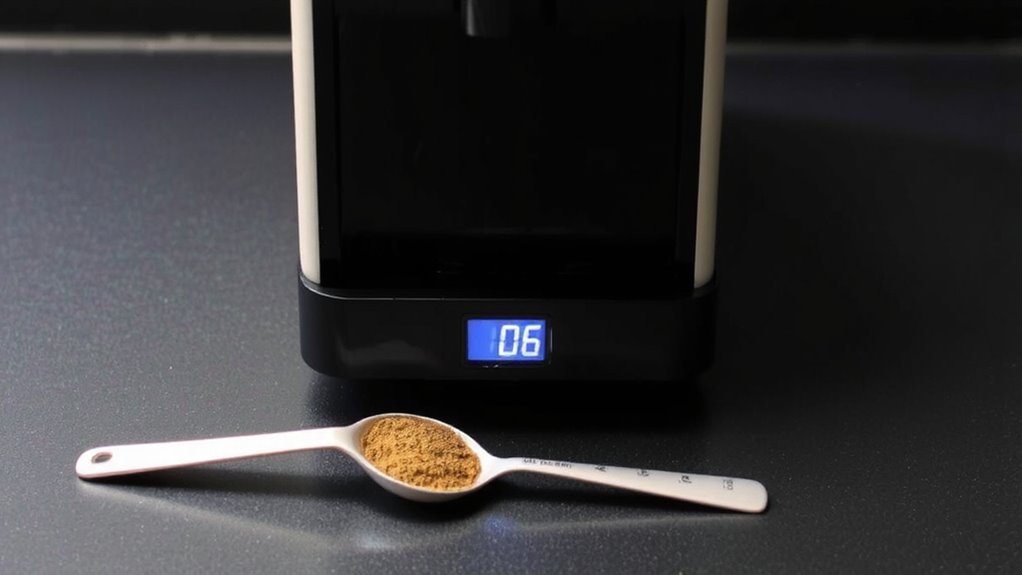
Why do some filter coffee setups deliver a clean, balanced cup while others fall flat? It often comes down to calibration. With the Niche Wave, grind consistency and dose accuracy make or break your brew. Without proper calibration, even fresh beans won’t help-your grind may channel or clog, leading to sour or bitter results. The Niche Wave’s adjustable burrs can produce even particles, but only if set right. Dose accuracy guarantees repeatable extraction, so each cup matches the last. Other grinders might skimp on precision, but the Niche Wave was built for control-micro-adjustments matter. You’re not just grinding; you’re setting the foundation for water to move evenly through coffee. Skimp on calibration? You’ll taste it. Take the time. Tune the burrs. Measure your dose. Get it right, and your coffee gains clarity, sweetness, and balance-no guesswork needed. Choosing the right espresso grinders can significantly impact your calibration success and overall brew quality.
Get Your Calibration Tools Ready
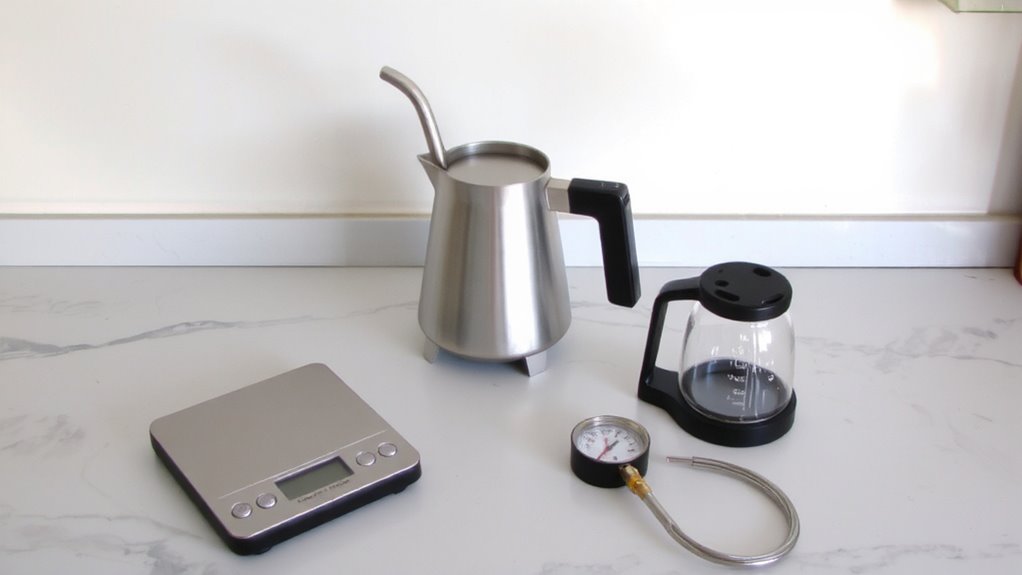
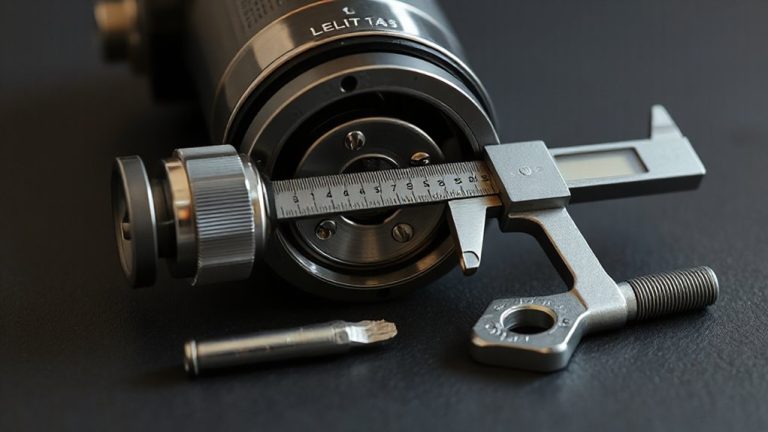
You’ll need a few key tools to calibrate your Niche Wave properly, and getting them ready is the first real step toward better coffee. Start with a reliable digital scale that reads to 0.1 grams-like the Acaia Pearl or Escali-so you can measure doses and yields accurately. A good timer is essential too; your phone works, but dedicated coffee timers reduce distractions. Use a precision tamper or grind height gauge, such as the Niche Grind Gauge, to set your zero point consistently. A brush and static control tool-like the Kruve Shaker or anti-static powder-help manage clumping and improve grinder stability. Make sure your grinder is on a level, sturdy surface to avoid vibration shifts during use. Avoid soft countertops or wobbly shelves. These tools aren’t optional extras-they’re critical for repeatable results. Have everything clean and within reach before moving forward. For more insight into selecting top-performing equipment, check out the Best Coffee Gear Picks to ensure your tools align with expert recommendations.
Calibrate Your Niche Wave Grind Step by Step
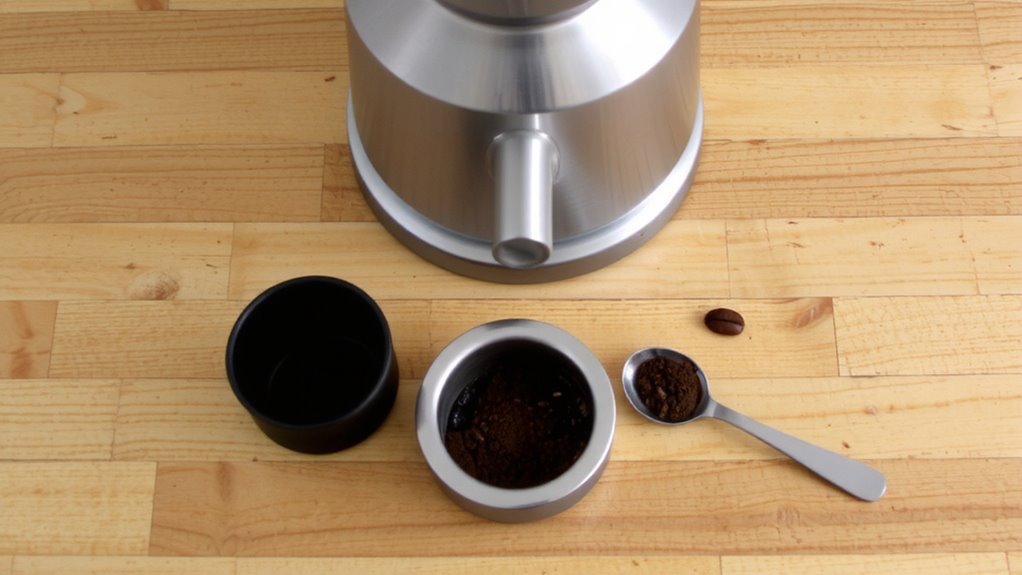
Start by setting your grinder to factory zero using the Niche Grind Gauge or a feeler gauge-this guarantees a consistent baseline for adjusting grind steps. Once zeroed, rotate the outer ring to your desired step, usually between 10–25 for filter coffee. Proper burr alignment is critical here; misaligned burrs cause uneven particle size and hurt grind consistency. You can check alignment by gently wobbling the burr-no movement means it’s secure. Then, run a few grams of beans through and inspect the grounds. They should feel even and uniform, not gritty or bunched. Poor consistency often traces back to incorrect spacing or loose parts. Tighten the collar just enough-over-tightening risks damaging threads. Make small step changes, not jumps. Each full number shift is a meaningful tweak. Trust the process: precise steps mean repeatable results. This methodical approach maximizes both flavor clarity and machine performance over time. For those seeking top-performing equipment, consider exploring the best grinders for filter coffee to ensure optimal compatibility with your brewing method.
Test and Adjust for Perfect Extraction
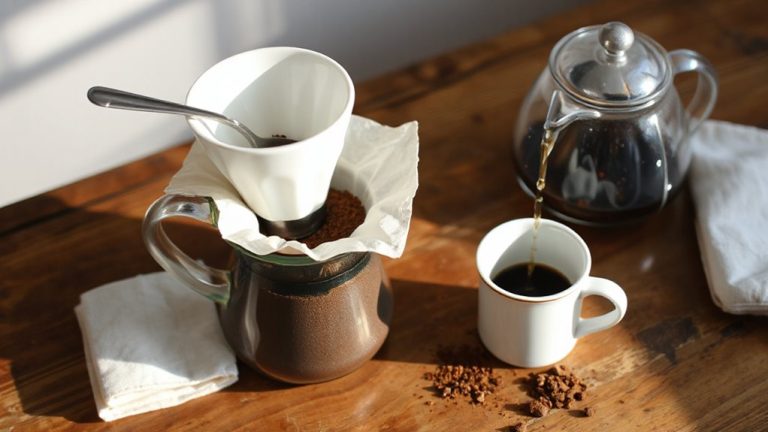
Once you’ve dialed in your grind setting, it’s time to run a brew test to see how well your coffee extracts. Brew time and water temperature are key variables that affect flavor. If your brew runs too fast or tastes weak, adjust the grind finer. If it’s too slow or bitter, go coarser. Keep water temperature between 195°F and 205°F for ideal extraction. Use consistent technique and time each brew to spot trends.
| Brew Time | Taste Indicator |
|---|---|
| <2:30 | Under-extracted, sour |
| 2:30–3:30 | Balanced, ideal |
| >3:30 | Over-extracted, bitter |
| Erratic | Grind inconsistency |
Adjust gradually, retest, and log results. Small tweaks make big differences. Water temperature stability matters-ensure your kettle maintains heat.
Maintain Perfect Grind for Daily Filter Coffee
Consistency starts with the grind-your coffee’s flavor hinges on uniform particle size, and that means relying on a burr grinder, not a blade. For daily maintenance, brush out coffee oils and residue every few days to prevent clogging and static. A clean grinder preserves grind consistency, which directly affects extraction. The Niche Wave’s adjustable steps let you fine-tune settings per roast, but only if the burrs stay unobstructed. Check for even distribution in the grounds; tamping or clumping means it’s time to clean or recalibrate. Burr wear over months may shift your usual setting, so note changes in brew time or taste. Replace burrs if inconsistencies persist despite cleaning. Use a knock box and brush after each use-simple habits that protect performance. With regular daily maintenance, your grinder delivers repeatable results, shot after shot, without guesswork.
On a final note
You’ve calibrated your Niche Wave, and now it delivers consistent, precise grinds ideal for filter coffee. Regular checks keep it accurate-small tweaks matter. Compared to cheaper grinders, the Niche offers superior control and uniformity. Use it daily, clean it monthly, and recheck calibration every few weeks. That’s how you maintain peak performance. No shortcuts, just better coffee.