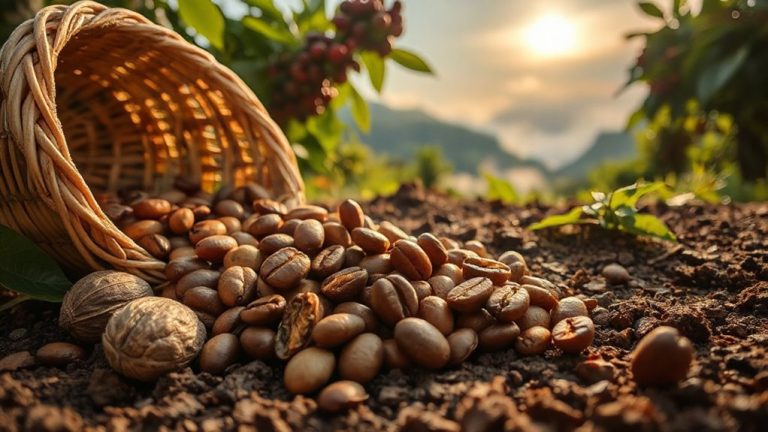
Exploring Suriname’s Indigenous-Led Coffee Initiatives in the Interior
You grow coffee in Suriname’s interior by hand, under the rainforest canopy, using shade-grown methods that protect soil and biodiversity. Farmers process beans on-site with basic tools, relying on tradition over machinery. Shade cultivation cuts erosion and supports wildlife, while cooperatives help communities retain profits. Still, poor roads and unclear land rights make farming tough. Buying directly from Indigenous brands like Trio Coffee Co. supports sustainability and fair pay. There’s more to how this system works-and why it matters.
Notable Insights
- Indigenous communities in Suriname’s interior cultivate shade-grown Arabica and Robusta coffee using ancestral farming techniques.
- Shade-grown coffee preserves rainforest biodiversity, reduces erosion, and supports natural pest control through intact canopy cover.
- Coffee farming strengthens cultural identity and resists land dispossession by promoting stewardship and intergenerational knowledge transfer.
- Farmers face challenges like unclear land rights, poor infrastructure, and limited market access due to remote, rainforest locations.
- Supporting Indigenous-led initiatives includes buying Fair Trade or single-origin coffee and choosing brands like Trio Coffee Co.
How Do Indigenous Communities Grow Coffee in Suriname’s Rainforest?
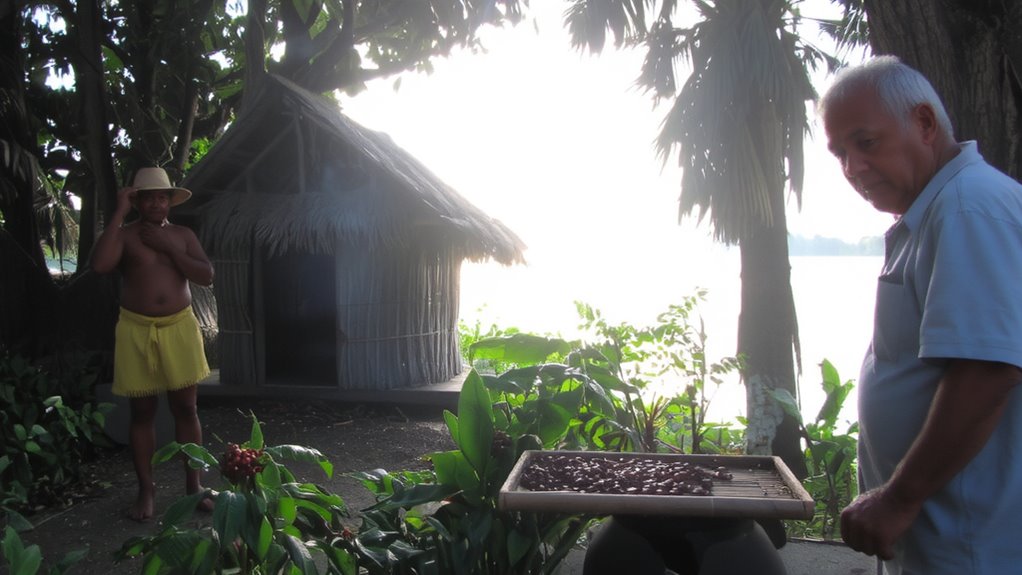
How do Indigenous communities in Suriname grow coffee under the dense rainforest canopy? You’ll find they rely on traditional methods passed down for generations, cultivating coffee by hand without heavy machinery. Farmers plant Arabica and Robusta varieties beneath the natural tree cover, using shade and leaf litter to maintain soil health. These techniques reduce erosion and limit the need for chemical inputs. Most growers work through community cooperatives, which pool resources, share tools, and negotiate better prices. Cooperatives like the Trio Coffee Project in Pikin Slee help standardize processing and access export markets. Beans are typically depulped, fermented, washed, and sun-dried on-site using simple, low-cost equipment. While yields are modest compared to industrial farms, the focus stays on quality and sustainability. You don’t need advanced gear here-just consistency, local knowledge, and collective effort.
Why Does Shade-Grown Coffee Protect Suriname’s Ecosystems?
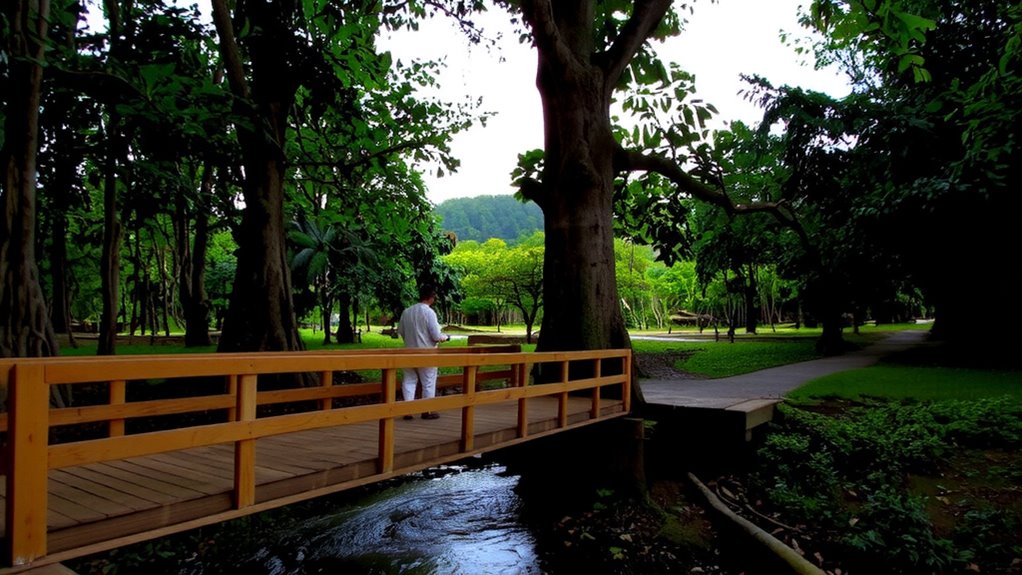
While sun-exposed coffee farms often clear large swaths of forest, shade-grown coffee in Suriname keeps the canopy intact, and that makes all the difference for the local ecosystem. You’ll find that this method reduces soil erosion by holding soil in place with tree roots, especially on sloped land where runoff can wash away nutrients. The shade cover also aids water conservation by lowering evaporation rates, maintaining soil moisture even in dry spells. Without full sun exposure, weed growth slows, reducing the need for chemical herbicides. Birds and insects thrive in these forests, supporting natural pest control. Unlike monoculture plantations, shade-grown plots mimic natural forest conditions, preserving biodiversity. You’re not just growing coffee-you’re maintaining a functional ecosystem. This approach requires less irrigation and artificial input, making it more sustainable long term. For Suriname’s rainforest regions, where environmental stability is critical, shade-growing isn’t just beneficial-it’s essential.
Why Does Coffee Matter in Indigenous Communities?
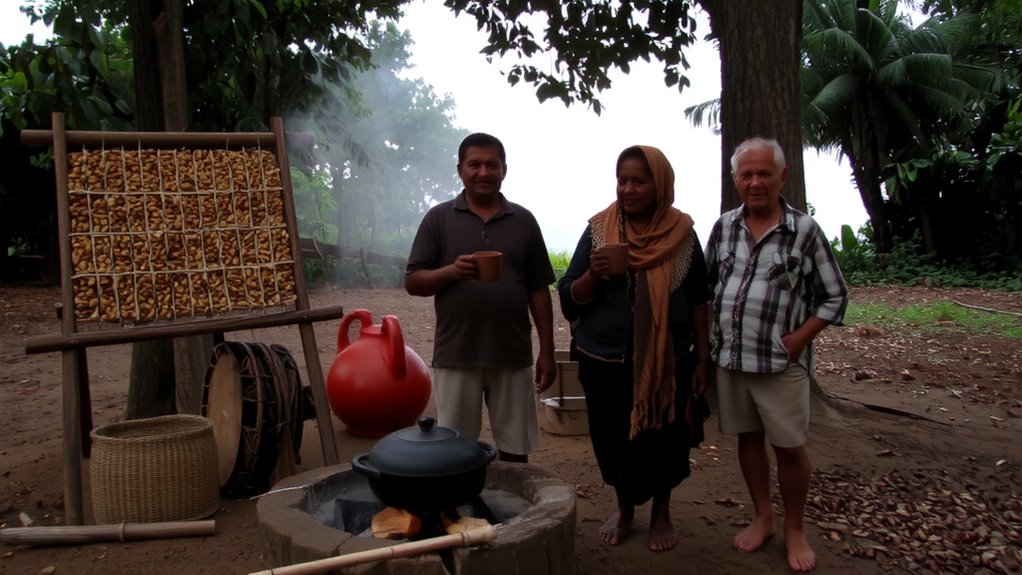
What makes coffee more than just a drink in Indigenous communities? It’s a tool for cultural preservation and economic sovereignty. When you grow coffee the way your ancestors did, you keep traditions alive-passing down knowledge, rituals, and land-use practices that resist erasure. Coffee isn’t just harvested; it’s stewarded, linking you to your identity and territory. And because you control the farming and often the processing, you’re not dependent on large agribusinesses. This independence strengthens your community’s financial autonomy. Cooperatives let you market beans directly, keeping more profit locally. Unlike commodity crops that degrade the land, your shade-grown coffee supports both forest conservation and self-reliance. So when you drink your community’s coffee, you’re not just tasting flavor-you’re sustaining a way of life built on resilience, tradition, and control over your own future.
What Challenges Do Indigenous Coffee Farmers in Suriname Face?
Growing coffee your way keeps tradition strong and gives your community real control over the land and livelihood, but holding onto that independence isn’t easy. You face constant pressure on land rights, as unclear legal recognition leaves territories vulnerable to outside exploitation. Without formal titles, securing long-term investment or protections becomes difficult. Market access is another hurdle-remote locations mean higher transport costs and fewer buyers willing to travel inland. You often rely on intermediaries who take a large cut, reducing your profit. Limited infrastructure affects harvest quality, especially during rainy seasons when roads become impassable. Even with high-quality beans, consistent export requires coordination and certification most Indigenous groups lack. Climate shifts also disrupt growing cycles, making planning harder. These challenges don’t block progress, but they demand practical solutions-like forming cooperatives or using mobile processing units-to maintain both autonomy and sustainability.
How to Support Indigenous-Led Coffee in Suriname
Your support for Indigenous-led coffee in Suriname starts with where you buy and how much you pay. Choosing Fair Trade certified brands guarantees farmers receive fair wages. Opt for companies committed to sustainable sourcing-they’re more likely to partner directly with Indigenous cooperatives. Use brewing methods like pour-over or French press to highlight the coffee’s unique flavor, grown in shade-rich, biodiverse forests. Avoid large commercial roasters that blend beans anonymously.
| Action | Benefit | Example |
|---|---|---|
| Buy Fair Trade | Guarantees fair wages | Cafédirect |
| Choose sustainable sourcing | Protects rainforest | Higher Grounds |
| Brew manually | Enhances origin taste | Hario V60 |
| Support Indigenous brands | Direct income | Trio Coffee Co. |
| Avoid mass-market blends | Preserves traceability | Single-origin roast |
These steps make your coffee habit ethical and transparent.
On a final note
You can support Suriname’s Indigenous coffee efforts by choosing shade-grown, ethically sourced beans from groups like the Trio and Wayana. These communities use traditional methods that protect rainforest biodiversity. Look for direct-trade labels or brands partnered with local cooperatives. Brew using a drip brewer or French press for balanced flavor. Every purchase helps sustain both the ecosystem and Indigenous livelihoods in a measurable, practical way.