Why Grinder Calibration Affects Espresso Shot Time and Crema Quality
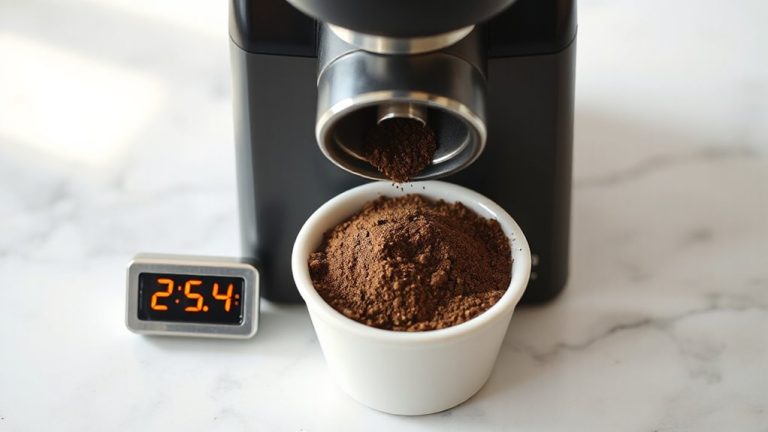
Your grinder’s calibration directly controls shot time and crema by determining how fine or coarse your coffee particles are. Too coarse, and water zips through-giving weak, sour shots with thin crema. Too fine, and it clogs up, causing bitter, slow shots. Uneven grinds from cheap or uncalibrated grinders create both problems at once. A well-calibrated burr grinder like the Niche Zero gives even particles for balanced extraction. You’ll see better flow, richer crema, and consistent results every time.
Notable Insights
- Improper grind calibration alters particle size, directly impacting water flow and extraction time.
- Coarse grinds cause fast extraction, leading to weak shots with thin, uneven crema.
- Fine grinds slow water passage, risking over-extraction and bitter taste with dense, dark crema.
- Inconsistent grind size creates uneven extraction, reducing crema stability and flavor balance.
- Daily recalibration compensates for heat, humidity, and bean freshness changes affecting shot quality.
Why Your Grinder Ruins Espresso Shots
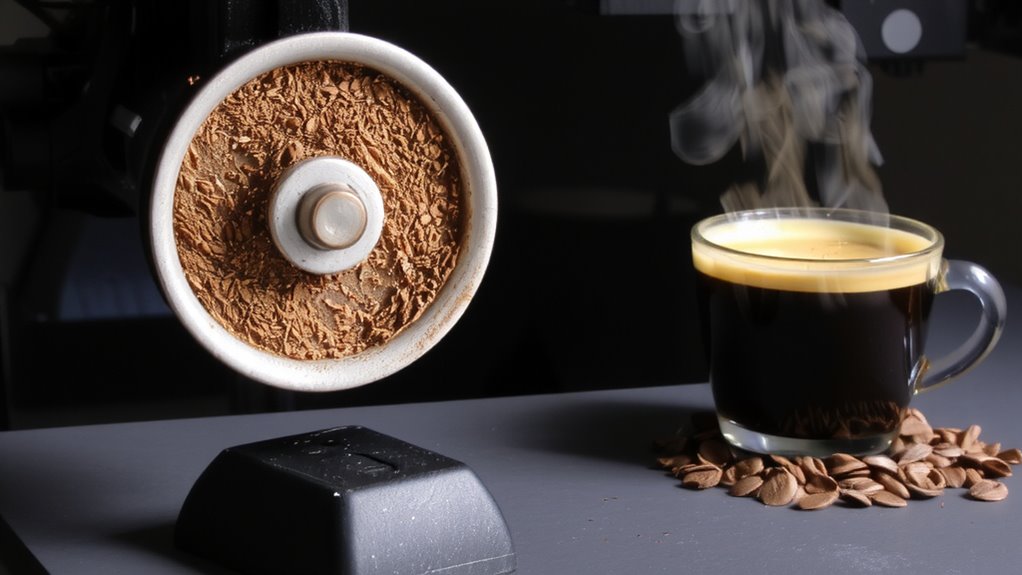
Even if you’ve got a top-tier espresso machine, your shots might still fall flat-and more often than not, the grinder’s to blame. Improper calibration disrupts espresso physics, directly affecting pressure, flow rate, and extraction. If your grind is too coarse, water zips through, under-extracting and yielding a weak, watery shot. Too fine, and it chokes, creating bitter, over-extracted sludge. Both mess with shot turbidity-how cloudy or clear your espresso looks-indicating uneven particle size. A poorly tuned grinder produces fines and boulders, leading to channeling and inconsistent extraction. You’ll see pale streaks or dark pools in the pour, signs the water found weak spots. Entry-level grinders like the Baratza Encore often lack the precision of flat burrs found in models like the Niche Zero, making consistency harder. Calibrating weekly guarantees particle uniformity, stabilizing flow and improving shot clarity. It’s not just about timing-it’s about control. For those seeking consistent results without breaking the bank, investing in one of the best value espresso grinders can make a significant difference in grind quality and shot repeatability.
How Grind Inconsistency Kills Crema and Extraction
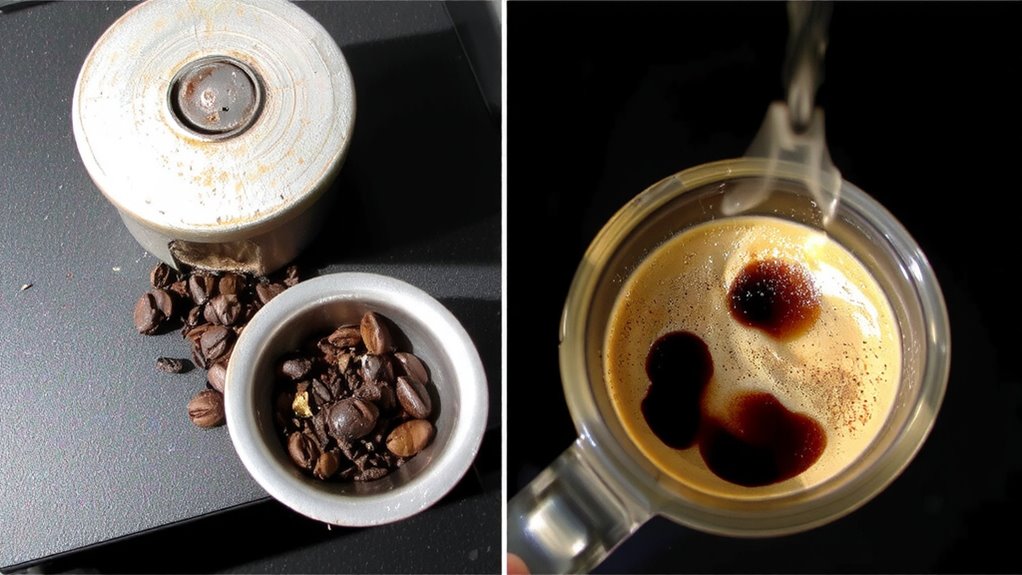
When your grinder produces inconsistent particle sizes, it undermines both crema formation and extraction efficiency-two pillars of a well-pulled shot. A poor grind distribution means some particles are too fine while others are too coarse. The fines extract quickly, becoming bitter, while the coarse ones under-extract, adding sour notes. This imbalance leads to a weak, patchy crema and an unbalanced flavor. Uniform particle size is key to even extraction and rich crema. Blade grinders, for example, create erratic particle sizes, making them unsuitable for espresso. Even some budget burr grinders struggle with consistency. High-quality burrs, like those in a decent flat or conical grinder, give a tighter grind distribution. That uniformity helps water flow evenly through the puck, extracting flavor efficiently. You’ll taste the difference in both crema texture and shot balance. Consistency isn’t just ideal-it’s essential. Upgrading to a Best Mill Grinder can dramatically improve grind uniformity and shot quality.
Fix It Fast: Calibrate Your Grinder for Perfect Shots
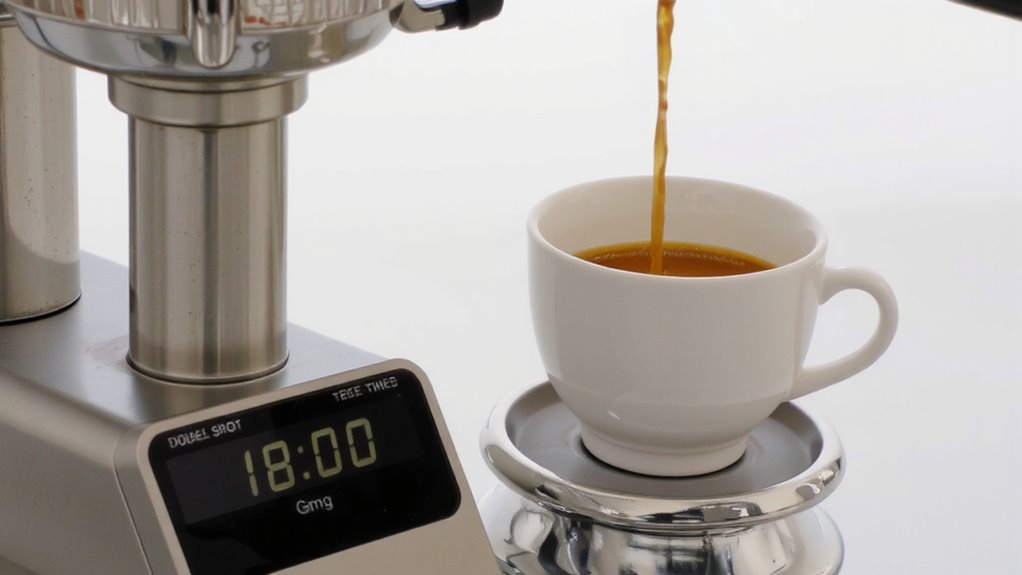
A well-calibrated grinder makes all the difference in pulling a balanced shot. If your espresso runs too fast or too slow, it’s usually a grind issue. Start by adjusting the burrs: turn the ring slightly finer if the shot’s too quick, or coarser if it’s dragging. Check for even particle size-clumping or fines mean it’s time for grinder maintenance. Wipe the burrs, clear old grounds, and make sure nothing’s clogging the path. For consistent results, recalibrate daily, especially with humidity changes. This keeps shot consistency high and waste low. Step and Baratza grinders, for example, respond well to small tweaks. Don’t overhaul everything at once-make one change, test, then adjust again. Proper calibration takes minutes but improves flavor, crema, and shot timing fast. It’s the quickest fix for better espresso. For more precision, consider upgrading to one of the best espresso grinders recommended by experts.
What to Do When Calibration Doesn’t Solve the Problem
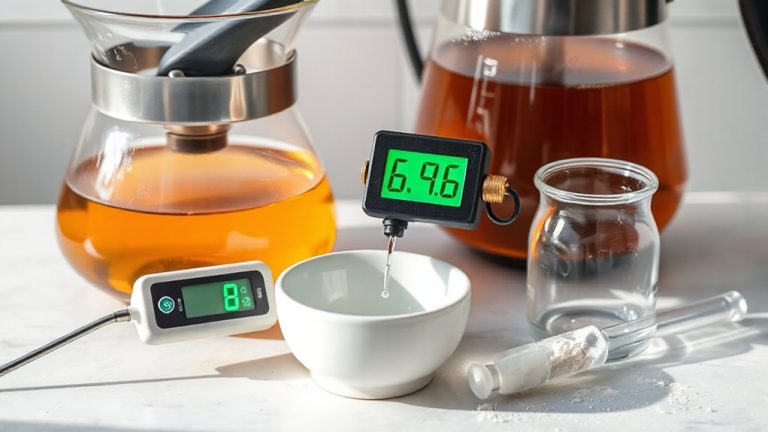
Why is your espresso still off even after grinding adjustments? If calibration didn’t fix it, look beyond the grinder. Old beans lose CO2, hurting crema and shot time-bean freshness matters more than people think. Stale coffee won’t bloom right, no matter how precise your grind. Also, check your water chemistry. Hard water over-extracts; soft water under-extracts. Both ruin balance and damage equipment over time. Try bottled water with balanced minerals, like Third Wave Water, or test your tap with a TDS meter. If shots run too fast with fresh beans and good water, your dose or tamp might be off. Or perhaps your machine’s brew temperature fluctuates. Eliminate variables one at a time. Grinder calibration helps, but it can’t compensate for poor inputs. Fix bean freshness first, then water chemistry-then revisit your shot parameters.
Keep Your Grinder Dialled In All Day
Your espresso starts with fresh beans and clean, balanced water, but even with those right, the grind setting can drift as the day goes on, throwing off your shot quality. Heat buildup and static from continuous use affect how grounds exit the burrs, leading to uneven extraction. That’s why regular grinder maintenance matters-brushing out coffee fines daily and checking for burr wear keeps performance stable. Without it, you’ll struggle with shot consistency, seeing longer pour times or thin, pale crema. Zeroing in your dial once isn’t enough; check shots every few hours and make small tweaks as needed. Baratza and Eureka grinders, for example, include calibration tools to help reset settings quickly. Stay proactive: keep the doserless portafilter clean, avoid grinding oily beans continuously, and track changes in output. This hands-on approach keeps your grinder dialled in all day.
How Temperature and Humidity Affect Grind Stability
Even if you’ve nailed your grinder’s settings, changes in temperature and humidity can still throw off your grind consistency throughout the day. Warm conditions cause thermal expansion in your grinder’s burrs, subtly altering the gap between them and producing a finer grind over time. That means your shots might slow down and taste over-extracted by afternoon. High humidity, meanwhile, leads to moisture absorption in coffee beans, making them harder to grind and more uneven. This affects extraction and crema quality. For best results, store beans in a sealed container away from steam or windows. If you’re pulling shots in a busy café or a hot kitchen, check your grind every few hours. Blanking your grinder (running it without beans) helps stabilize burr temperature. These small steps keep output consistent-no matter the weather.
On a final note
Your grinder’s calibration directly shapes shot time and crema by controlling particle size. Too fine, and shots drag; too coarse, they run fast and weak. Uneven grinds create inconsistent extraction, hurting flavor and crema. Even quality grinders drift with heat or humidity. Calibrate regularly using a scale and timer, and check output every few shots. If problems persist, clean burrs or adjust for ambient conditions. A stable grinder means reliable shots.