Why Filtered Water Produces Cleaner-Tasting Espresso Than Tap Water
You get cleaner-tasting espresso with filtered water because tap water often contains chlorine, sediment, and unbalanced minerals that hurt flavor and extraction. Chlorine adds harshness, while too much hardness causes bitterness and scale buildup. Soft water leads to flat, weak shots. Filters like Brita, Everpure, or BWT remove impurities and balance minerals, improving sweetness, clarity, and machine performance-knowing how water affects your espresso changes everything.
Notable Insights
- Tap water often contains chlorine, which creates bitter off-flavors and dulls coffee’s natural aroma.
- Filtered water removes impurities like sediment and chemicals that mask espresso’s inherent sweetness.
- Proper mineral balance in filtered water enhances extraction, yielding a smoother, more balanced shot.
- Excess minerals in hard water cause scale buildup, harming machine performance and flavor consistency.
- Filters with activated carbon eliminate chlorine while preserving ideal mineral levels for clarity and taste.
Why Water Quality Determines Your Espresso’s Taste
Water quality plays a bigger role in your espresso’s flavor than most people realize. You might use top-tier beans and a precise grinder, but if your water lacks purity, your shot will suffer. Tap water often contains chlorine, sediment, or inconsistent mineral levels that disrupt extraction and leave off-flavors. Using a proper filtration system-like those from Everpure or BWT-helps guarantee water purity, removing impurities while maintaining beneficial structure. Without clean water, achieving the right taste balance becomes nearly impossible; you’ll likely get bitterness or flatness instead of sweetness and clarity. Even small shifts in pH or hardness can skew flavor dramatically. That’s why cafes often test their water and home brewers should too. A simple carbon filter or reverse osmosis unit paired with remineralization gives consistent, predictable results. Your machine runs cleaner, and your espresso tastes better-it’s that straightforward.
How Minerals in Water Change Extraction and Flavor
Even if you’ve dialed in your grind and tamped with precision, the minerals in your water can still throw off extraction and alter flavor in ways you might not expect. Water hardness-measured by calcium and magnesium levels-affects how efficiently coffee dissolves during brewing. Too soft, and your espresso tastes flat or under-extracted; too hard, and it pulls bitter, astringent notes. The key is mineral balance: 50–150 ppm total hardness with a ratio favoring magnesium for sweetness works best. Brands like Third Wave Water offer mineral packets tailored to these specs, giving consistent results. Tap water varies by region, often lacking this balance, which leads to unpredictable shots. Using a filtered system that stabilizes mineral content-not just removes contaminants-gives you control. You’ll notice clearer acidity, better body, and repeatable shots. Water isn’t just a solvent; it’s an active ingredient. Get the balance right, and your espresso reflects that precision.
Why Chlorine and Hard Water Ruin Great Espresso
You’re likely tasting more than just coffee if your machine’s pulling water straight from a municipal tap high in chlorine or minerals. Chlorine creates a harsh smell and contributes to a bitter aftertaste, dulling the espresso’s natural balance. Hard water, packed with calcium and magnesium, isn’t just tough on your machine-it alters extraction, often pulling out unwanted compounds. That can lead to metallic notes, even in well-roasted beans. Scale buildup from hard water also clogs pipes and reduces heating efficiency, affecting temperature stability shot after shot. Over time, your machine works harder and performs poorly. Unfiltered tap water might seem convenient, but it sacrifices flavor clarity and equipment longevity. If you’re chasing clean, accurate espresso, starting with contaminated water means you’ve already lost. The fix? A solid filtration system designed for espresso machines-like those with activated carbon and ion exchange-helps remove chlorine and moderates mineral levels, setting the foundation for better shots.
How Filtered Water Reveals Coffee’s True Sweetness
When your espresso tastes flat or overly sharp, the problem might not be the beans or your machine-it could be the water. Filtered water removes impurities that dull flavor, letting you taste coffee’s natural sweetness. With cleaner water, you’ll notice an enhanced aroma-those fruity or floral notes become clearer and more defined. You also get a smoother mouthfeel, where balanced acidity supports brightness without sourness. Tap water with chlorine or excess minerals masks these delicate traits, making even high-quality beans taste one-dimensional. A simple activated carbon filter or brand like Brita cuts chlorine and sediment, improving results without cost or complexity. For best outcomes, pair filtration with fresh, properly ground beans and calibrated brew settings. The difference isn’t magic-it’s chemistry. Clean water just lets coffee be what it already is: subtly sweet, layered, and true to origin. That clarity starts long before extraction.
Filtered vs. Tap: What’s Best for Espresso Flavor?
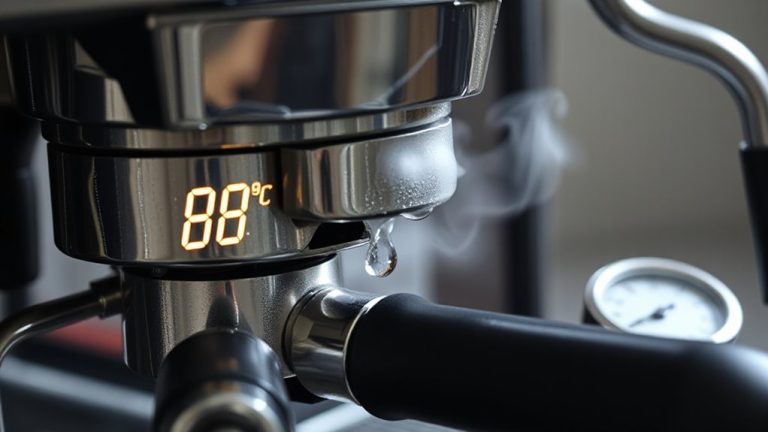
How does your water shape your espresso’s flavor? Tap water varies by region-high mineral content can make espresso taste bitter, while too-soft water flattens sweetness. Filtered water balances minerals, helping highlight clarity and acidity. It also protects your machine from scale, especially when paired with proper water temperature (around 195–205°F). Without consistent water quality, even the right grind size won’t save your shot. If your tap water smells or tastes off, your espresso will too. Using a basic carbon filter improves consistency, which matters most when dialing in grind size and water temperature. Hard water clogs group heads over time, affecting performance and flavor. Filtered water isn’t a luxury-it’s a baseline for precision. You’ll notice cleaner shots, better crema, and fewer machine issues. For reliable espresso, start with better water. It’s as important as your beans or machine.
Choosing the Right Water Filter for Your Machine
A consistent water supply makes a noticeable difference in espresso flavor and machine longevity, so picking the right filter matters just as much as dialing in your grind. You’ll want a filter that balances effective mineral reduction with a steady flow rate-too slow, and your machine struggles; too fast, and filtration suffers. Opt for models like Brita’s PRO or BWT Bestmax, designed specifically for espresso machines. They reduce scale-causing minerals without stripping too much, preserving flavor and machine health. Check the filter maintenance schedule: some need changing every 1,000 liters or three months, depending on usage. Skipping replacements reduces effectiveness and risks clogging. Flow rate also affects performance-undersized filters lower pump pressure, leading to inconsistent pulls. Match the filter’s output to your machine’s demands. A proper setup guarantees cleaner shots and fewer service calls.
On a final note
You’ll pull cleaner, more balanced shots with filtered water because it removes chlorine and controls mineral levels. Tap water often contains chlorine and excess minerals that mute flavor and risk damaging your machine. A simple carbon filter, like Brita or Tero, improves taste and machine longevity. For best results, aim for balanced hardness-too soft or too hard water both hurt extraction. Filtered isn’t perfect, but it’s a reliable, low-cost fix for better espresso.