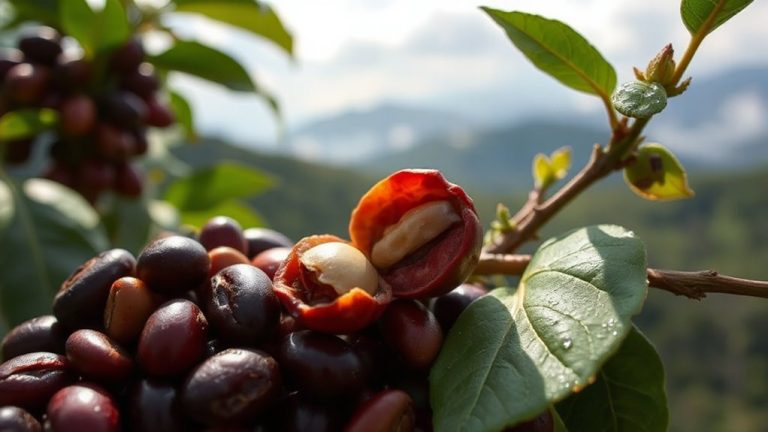
How Guji Zone Coffee Is Redefining Ethiopia’s Flavor Frontiers
You’re experiencing a new side of Ethiopian coffee with Guji’s bright, clean flavors-think jasmine, citrus, and berry-best brought out in light roasts and pour-over methods like Hario V60. High-altitude farms and volcanic soil give it crisp acidity, while natural and honey processing enhance its fruit-forward depth. Direct trade helps farmers refine quality, meaning fewer defects and more consistent, complex cups. There’s more to how this region is changing the game just ahead.
Notable Insights
- Guji coffee’s bright, floral, and citrus-forward profile challenges traditional Ethiopian coffee expectations with its vibrant, clean cup.
- Elevated growing conditions and volcanic soils in Guji enhance bean density and acidity, contributing to its distinctive, complex flavor.
- Natural processing in Guji amplifies fruit-forward notes through controlled fermentation, yielding intense berry and aromatic characteristics.
- Honey processing in the region balances sweetness and body, creating unique flavor profiles with apricot and brown sugar notes.
- Direct trade empowers Guji farmers to invest in quality, resulting in more consistent, defect-free lots that elevate Ethiopia’s specialty coffee status.
The Distinctive Taste of Guji Coffee
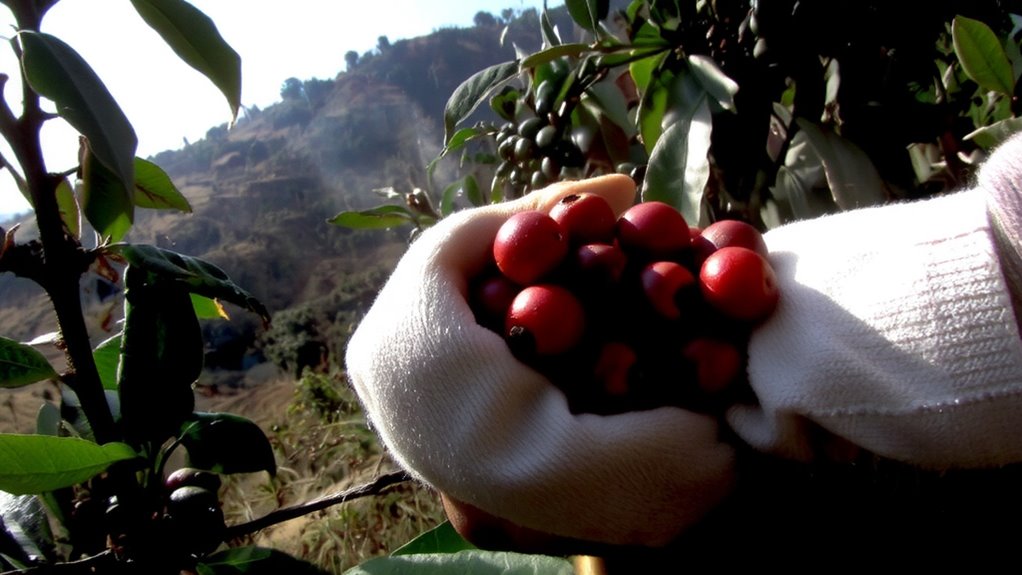
Flavor is where Guji coffee stands out. You’ll notice its bright, clean profile right away, especially when brewed with a pour-over like a Hario V60 or Chemex. These methods highlight the delicate floral notes-think jasmine or bergamot-that dance through the aroma and first sips. A well-roasted Guji also delivers crisp citrus hints, often resembling orange zest or lemon, balancing sweetness and acidity. If you use an espresso machine, keep the shot short; over-extraction can mute those subtle layers. Light to medium roasts preserve complexity better than dark. Compared to Sumatran or traditional Sidamo beans, Guji offers a brighter, more aromatic cup. For best results, grind just before brewing and use filtered water. It’s not about fancy gear-it’s about clarity. You’ll taste the precision in every sip.
How Terroir Shapes Guji Coffee’s Bold Flavor
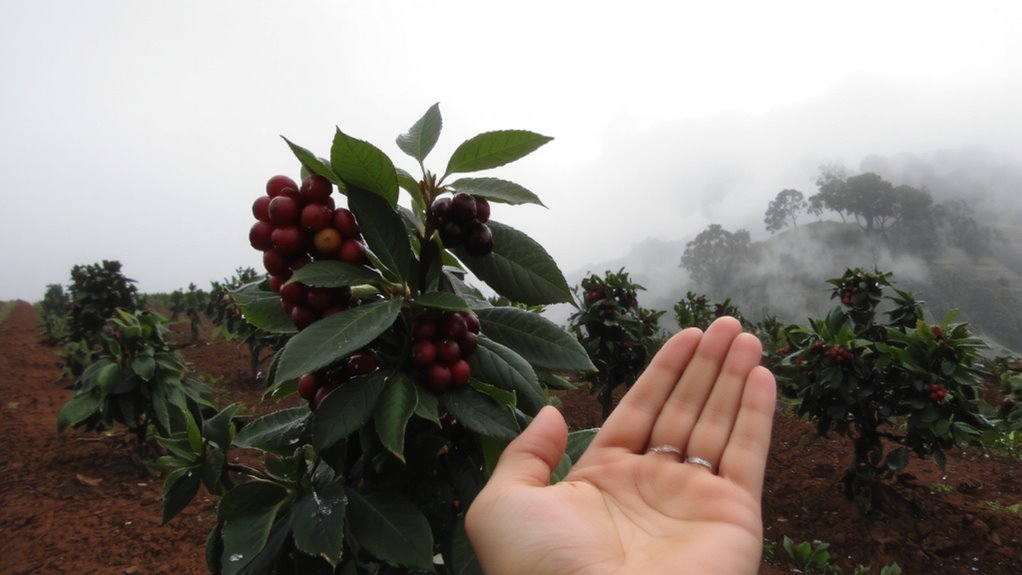
You notice the brightness and floral lift in a cup of Guji coffee, but what’s really behind those vibrant notes isn’t just roast or brew method-it’s the land itself. The high altitudes, consistent microclimate influence, and rich soil composition work together to shape Guji’s bold profile. Volcanic soils add mineral depth, while steady rainfall and sunlight shifts fine-tune bean density. These natural factors aren’t just background-they directly impact how the coffee tastes and extracts during brewing. For those seeking the finest expressions of this region, exploring the Best Ethiopian Coffee Picks can guide your selection with confidence.
| Elevation (m) | Soil Type | Flavor Contribution |
|---|---|---|
| 1,800–2,200 | Volcanic loam | Bright acidity, floral lift |
| 1,900–2,100 | Clay-rich | Full body, chocolate hints |
| 1,850–2,050 | Well-drained | Balanced sweetness |
Understanding terroir helps you choose grind size and water temperature more effectively, especially with light roasts.
How Natural Processing Defines Guji’s Fruit-Forward Profile
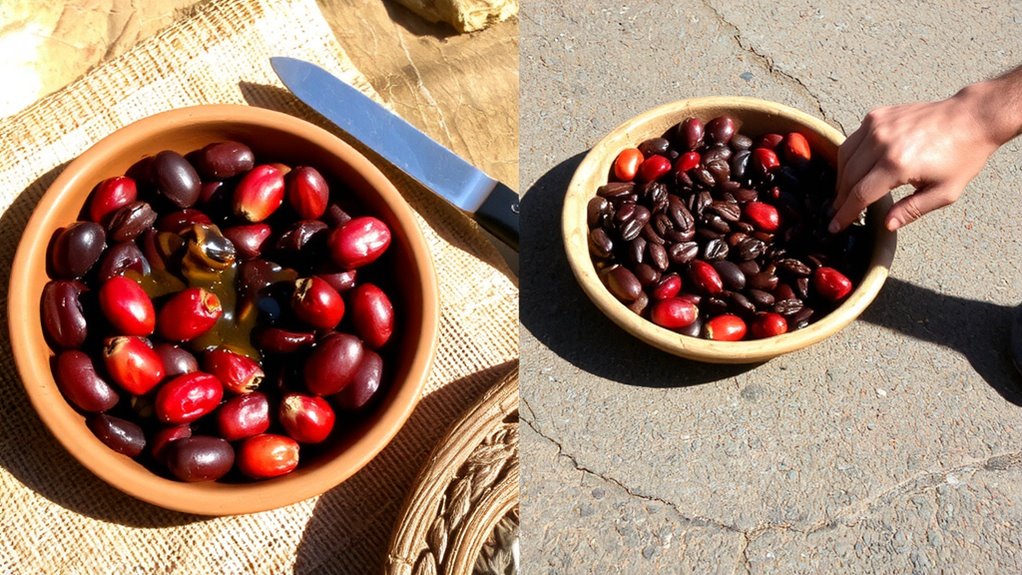
While many regions rely on washed processing to highlight clarity, Guji coffee often goes the natural route, and that choice makes all the difference in developing its signature fruit-forward character. You’ll find that leaving the fruit on during drying lets sugars ferment slowly, boosting berry-like notes. Farmers here depend on precise fermentation control to avoid off-flavors-over-fermenting creates funk, while under-fermenting leaves the cup flat. You need consistency, and that starts with careful sorting and even spreading. Drying techniques matter just as much: raised beds with good airflow, regular turning, and shade covers during peak sun prevent over-roasting the beans. It takes 10–15 days, and weather plays a big role. If you’re roasting naturals, expect more sugar development and a heavier body. Just remember-these beans demand attention. Poor drying or uneven fermentation ruins even the best cherries.
Why Honey-Processed Guji Coffee Stands Out
The sweet spot between washed clarity and natural intensity, honey-processed Guji coffee gives you a balanced profile that’s hard to replicate. You get bright acidity with a rounded, syrupy body, thanks to partial mucilage retention during drying. This method demands careful moisture control-too much and the bean risks mold; too little and it dries too fast, dulling flavors. Farmers monitor humidity hourly, often using shaded drying beds to slow the process. Unlike fully washed lots, honey-processed beans need more attention but offer greater sweetness. This ties indirectly to bee health, as thriving pollinators support the biodiversity that strengthens coffee flora. You’ll notice flavor notes like apricot, brown sugar, and floral hints-more complexity than washed, cleaner than natural. If you’re roasting at home, go slow through the Maillard phase to preserve delicate sugars. It’s a hands-on process, but the payoff in balance and depth is measurable.
How Direct Trade Is Elevating Guji Coffee Quality
Because direct trade cuts out middlemen, more money goes straight to Guji farmers, and that’s where the real quality shift begins. You see, when farmers get paid fairly, they reinvest in better harvesting, careful sorting, and precise processing-all of which boost flavor consistency. This model supports farmer empowerment, giving growers control over pricing and buyer relationships instead of relying on volatile commodity markets. With direct partnerships, buyers often offer quality incentives-cash bonuses for higher scores or cleaner beans-motivating attention to detail at every step. You’ll notice the results in the cup: brighter acidity, cleaner profiles, and fewer defects. Unlike traditional export chains, where premiums rarely reach the source, direct trade aligns value with effort. So when you choose direct-trade Guji, you’re not just getting better coffee-you’re supporting a system where quality is rewarded, and farmers are equipped to meet rising standards. It’s a practical path to excellence.
Why Guji Is Redefining Ethiopian Coffee
You’re already seeing how direct trade boosts quality by putting more money and control in farmers’ hands, but now consider what that quality looks like on the cupping table. Guji coffees consistently score higher-often above 88 points-thanks to meticulous farming and better processing. This leap isn’t accidental; it’s tied to regional branding that highlights Guji’s unique terroir, setting it apart from Sidamo or Yirgacheffe. Unlike older models where coffee went to blended Ethiopian coffee auctions, Guji farmers now sell traceable, single-origin lots that buyers seek by name. That shift rewards quality, not just quantity. Regional branding builds market recognition, making it easier for roasters to source with intent. You’re not just buying “Ethiopian coffee”-you’re getting Guji’s signature florals, bright citrus, and clean sweetness. This distinction changes how Ethiopia competes globally. It’s not just origin; it’s identity, transparency, and consistency-all measurable in the cup.
Where to Buy the Best Guji Coffee
How do you find the best Guji coffee when so many options claim to deliver quality? Start with trusted sources-Guji auctions offer traceable, high-scoring beans, but they’re mostly for pros. You’ll have better luck through specialty retailers who buy auction lots and sell to the public. For those seeking convenience without sacrificing quality, consider ordering from top-rated online coffee roasters that prioritize freshness and origin transparency.
| Source | Pros | Cons |
|---|---|---|
| Guji auctions | High transparency, top scores | Not accessible to consumers |
| Specialty retailers | Curated quality, easy access | Higher price |
| Direct trade roasters | Freshness, farm connections | Limited availability |
| Online marketplaces | Wide selection | Inconsistent quality |
Buy from specialty retailers listing the farm, elevation, and process. Look for washed or natural Yirgachefe-level batches-they highlight Guji’s bright, floral edge. Make sure roasting is recent, and grind just before brewing for the clearest cup.
On a final note
You get bold, fruit-forward flavors in Guji coffee thanks to high elevations and natural processing. If you prefer smoother notes, try honey-processed lots. Direct trade helps secure fresher, higher-quality beans-look for roasters like Bean Voyage or MistoBox. For best results, brew with a pour-over or Aeropress to highlight clarity. Guji’s shifting how Ethiopia’s coffee is seen, offering complexity that’s worth exploring with the right gear and source.