How to Choose a Machine With Optimal Grind-To-Brew Delay
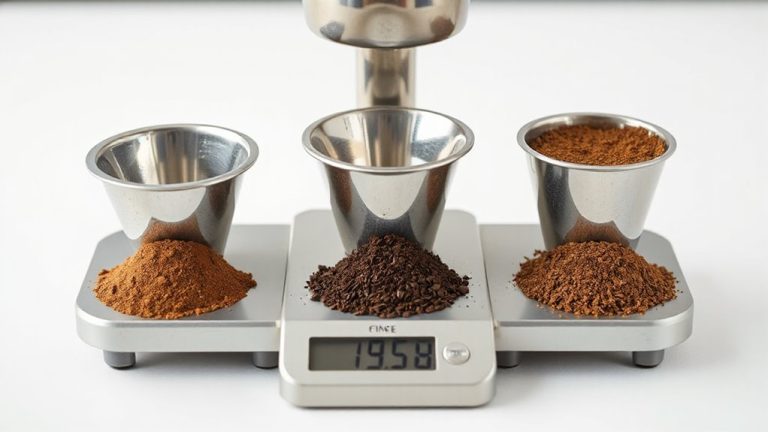
Choose a machine with a built-in grinder mounted directly above the brew group to cut grind-to-brew delay to under 10 seconds. Models like the Rocket R58 or Nuova Simonelli Appia II Compact sync grinding and brewing fast, preserving aroma. Look for pre-calibrated grinds, high-RPM conical burrs, and low-transfer paths. Built-in grinders help, but make certain they don’t overheat. You’ll see how design choices directly impact flavor freshness.
Notable Insights
- Choose a machine with a built-in grinder positioned directly above the brew chamber to minimize transfer time.
- Look for integrated grinder-brewer systems that synchronize grinding and brewing to achieve delays under 10 seconds.
- Prioritize models with high-RPM conical burrs for faster grinding and reduced exposure to oxygen.
- Ensure the machine has efficient cooling to prevent heat buildup that can degrade grounds during transfer.
- Opt for pre-calibrated grinders with dynamic burr alignment to eliminate setup lag and maintain consistency.
What Is Grind-To-Brew Delay?
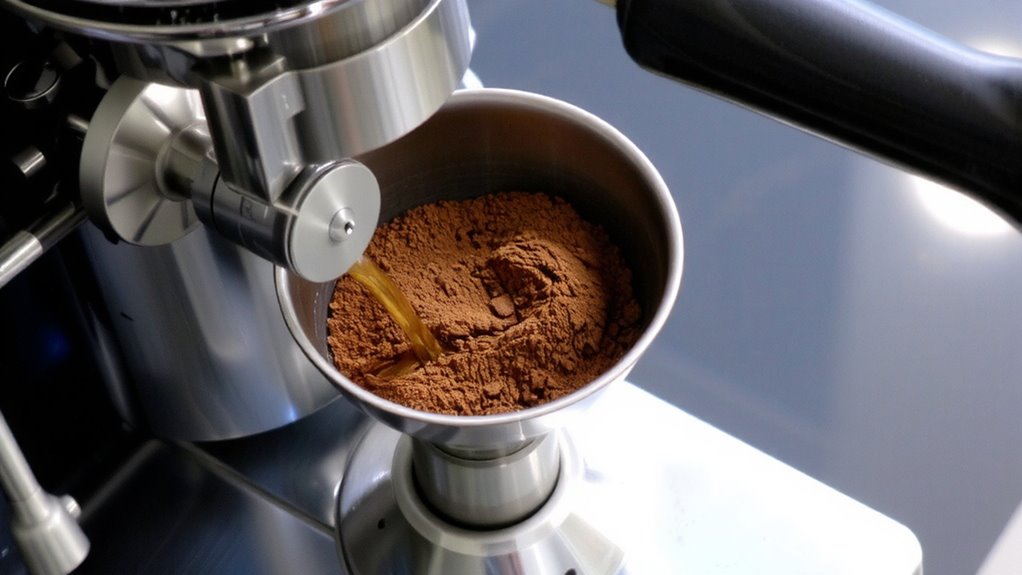
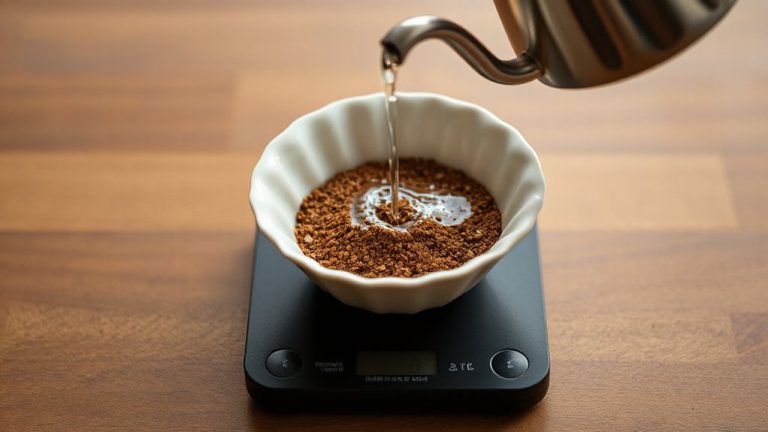
Why does your coffee taste stale sometimes, even when you’re using fresh beans? The answer often lies in grind-to-brew delay-the time between when beans are ground and when water starts extracting flavor. Even a 30-second gap can hurt your brew. Grind consistency matters because uneven particles extract at different rates, leading to bitter or sour notes. If grounds sit too long, they start losing aroma and reacting with oxygen. Bean temperature also plays a role; warm beans can produce oily, clumpy grinds that clog filters. Machines like the Breville Grind Control or Smarter Coffee II minimize this delay by grinding right before brewing, preserving freshness. Timers and pre-infusion settings help, but immediate brewing is best. You’ll get brighter, more balanced coffee when grind consistency and bean temperature stay stable, and the delay trend toward zero. For quality, aim for systems that grind and brew in quick succession. Top models with built-in grinders, such as those in the best coffee makers with built-in grinders category, are specifically engineered to reduce grind-to-brew delay through integrated design.
Why Freshness Fades in Seconds
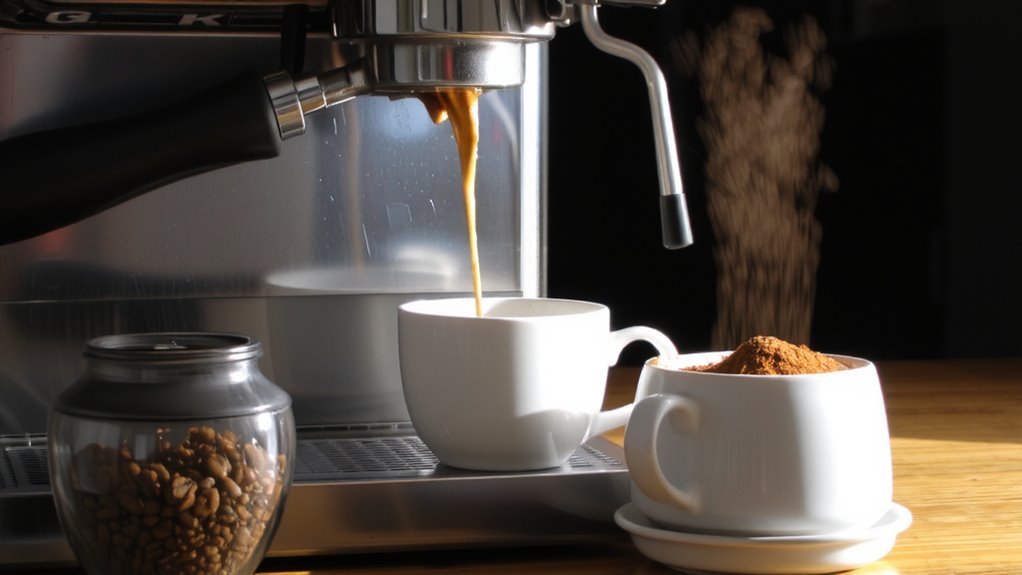
Freshly ground coffee begins losing its flavor the moment the beans are crushed, and you’re probably wasting some of that quality without realizing it. That rich aroma you love? It comes from volatile compounds released as soon as grinding happens. These delicate chemicals start escaping immediately, so every second counts. Exposure to air kicks off the oxidation process, which dulls flavor and flattens complexity. Even a 30-second delay can noticeably weaken your brew’s brightness and depth. The longer the wait between grind and brew, the more nuance disappears, leaving you with a less vibrant cup. Machines that minimize lag preserve more of the coffee’s original characteristics. You don’t need lab conditions-just a machine designed to move quickly from grinding to water contact. If freshness matters to you, treat those first few seconds like the most important part of brewing. They are.
Top 3 Machines With the Shortest Grind-To-Brew Delay
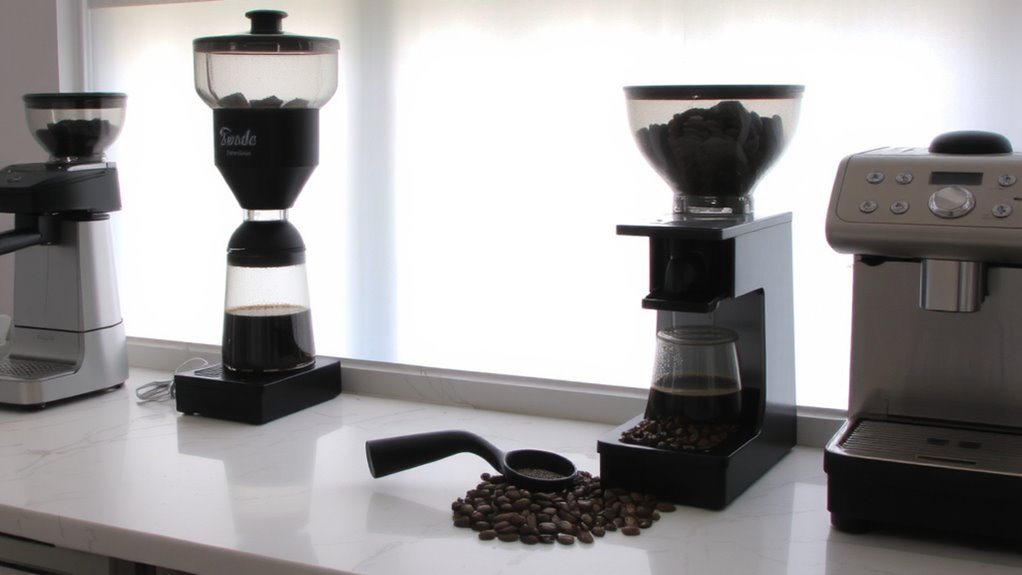
While most grinders and brewers work separately, causing delays that hurt flavor, some machines link the two processes tightly to get water flowing as soon as the beans are ground. You’ll want this speed if you’re chasing peak freshness and consistent espresso extraction. The Rocket R58 takes the lead, syncing grind and brew instantly with precise water temperature control. The Nuova Simonelli Appia II Compact follows, cutting delay with a built-in grinder placed directly above the group head-ideal for high-volume use. Third, the Slayer IC boasts near-instant transfer and adjustable saturation, helping stabilize water temperature during extraction. All three minimize air exposure and heat loss, which means your shots pull evenly and taste brighter. These machines aren’t cheap, but if speed and quality matter to you, they’re solid investments. Just remember: faster grind-to-brew only works if dose, grind size, and water temperature stay dialed in.
Do Built-In Grinders Reduce Delay?
Could the secret to faster, better coffee really be as simple as how close the grinder sits to the brew chamber? With built-in grinders, the ground coffee travels a much shorter path than in separate grinder-brewer setups, reducing grind-to-brew delay greatly. This proximity preserves freshness by minimizing oxidation and static loss. However, compact designs can limit bean storage capacity and create heat buildup, so motor cooling becomes essential-overheating degrades grind consistency and flavor. Machines like the Breville Grind Control and Baratza Virtuoso+ balance this with efficient cooling systems and sealed bean storage to maintain quality. While not all built-in grinders perform equally, those with smart thermal management and minimal transfer distance consistently shorten delay. You’ll get fresher coffee faster, but only if the design supports both rapid grinding and heat dissipation. Choose models that prioritize both. For those seeking top-performing options, exploring the best coffee and espresso grinders can help identify machines that excel in grind-to-brew efficiency.
Which Features Actually Reduce Grind-To-Brew Delay?
If you’re trying to minimize the time between grinding and brewing, the design of the grinder’s placement and its speed matters more than most people think. Built-in grinders placed directly above the brew chamber reduce delay markedly, especially in models like the Breville Grind Control or Baratza Virtuoso + which use fast motors and short drop chutes. Pre grind calibration helps by adjusting grind size before startup, so there’s no lag from manual adjustments. Machines with dynamic burr alignment maintain consistent particle size over time, ensuring even extraction without pauses for recalibration. High-RPM conical burrs grind faster than flat ones in most home units, speeding up the process. Avoid grinders with long bean paths or slow motors-they add critical seconds. Integrated systems that synchronize grinding and brewing startup also help. These features together cut grind-to-brew time under 10 seconds in top models, preserving freshness without manual effort. For those seeking both precision and convenience, the best coffee grinders combine rapid grinding with seamless integration into the brewing workflow through built-in grinder systems.
How to Measure Grind-To-Brew Delay Before Buying
How do you know if a grind-to-brew machine actually delivers coffee fast enough to preserve freshness? Check the time from when the beans start grinding to when brewing begins-ideally under 30 seconds. Look at product specs or user manuals for delay details, and watch demo videos to time it yourself. Machines like the Breville Grind Control or Technivorm Moccamaster prioritize speed, minimizing oxidation. Grind consistency matters because uneven particles lead to uneven extraction, especially if grounds sit too long. Guarantee the machine maintains stable brew temperature (195–205°F) right after grinding, as heat stability affects flavor clarity. Some models delay heating until grinding finishes, which helps. If the gap is longer than 45 seconds, freshness drops. Read verified reviews noting delays or temperature performance. Test units in-store if possible. Speed, grind consistency, and brew temperature work together-don’t sacrifice one for the others.
On a final note
You want coffee that tastes fresh, not stale. A short grind-to-brew delay-under 30 seconds-makes a real difference. Machines like the Breville Precision Brewer orTechnivorm Moccamaster deliver fast, consistent results. Built-in grinders help, but only if they channel grounds right into water. Look for direct-to-brew design and fast heating. Measure delay by timing grind start to water contact. Skip systems with long chutes or pauses. Speed matters-choose wisely.