How to Evaluate the Quality of an Espresso Machine’s Water Reservoir
Size your reservoir to your daily use-1.5 to 2 liters works for one or two espressos, while 3-liter or plumbed-in models suit heavy use. Pick BPA-free plastic, stainless steel, or Tritan for safety and durability. Make sure it has a built-in filter if you have hard water, and check for easy refill access and clear water level markers. Choose a removable, wide-neck tank for simple cleaning. You’ll keep your machine running smoothly and your shots tasting right-there’s more to reflect on if you want it just right.
Notable Insights
- Match reservoir capacity to your brewing frequency, with 1.5–2 liters ideal for light use and 3+ liters or plumbed-in for heavy use.
- Choose BPA-free plastic, stainless steel, Tritan, or glass based on durability, taste neutrality, and safety preferences.
- Opt for top-mounted reservoirs with wide fill openings and clear water level indicators for easy refilling and monitoring.
- Prioritize models with built-in water filters and replacement indicators to combat limescale in hard water areas.
- Select removable, wide-neck reservoirs that allow thorough cleaning to prevent mold and mineral buildup.
Match Your Reservoir Size to Your Brews Per Day
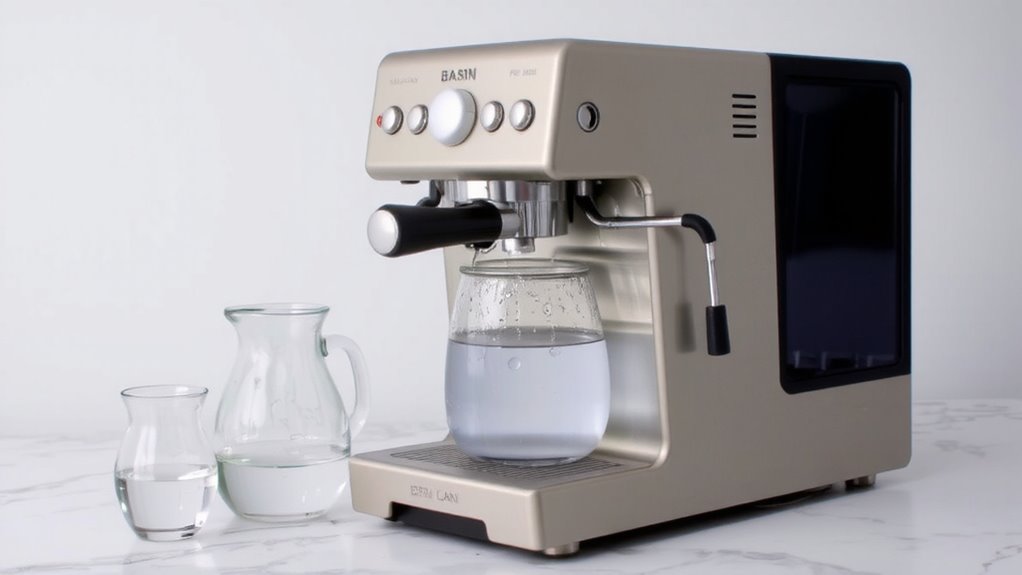
Most home baristas only need a 1.5- to 2-liter water reservoir, especially if you’re pulling one or two espressos per day. Your brew frequency directly impacts how often you’ll refill, so low usage patterns make smaller tanks practical. If you’re making just a morning espresso or an afternoon macchiato, you’ll rarely run out. But if you’re hosting often or drink multiple coffees daily, consider a 3-liter or plumbed-in model. Larger reservoirs cut down on refills, but they’re bulkier and can harbor stale water if unused. Machines like the Breville Bambino have compact tanks suited for light use, while the Rocket R55 fits bigger setups for frequent brewing. Match capacity to your habits-too small gets annoying, too large risks waste. Think about your real usage patterns, not just ideal ones.
Choose Durable, Taste-Safe Reservoir Materials
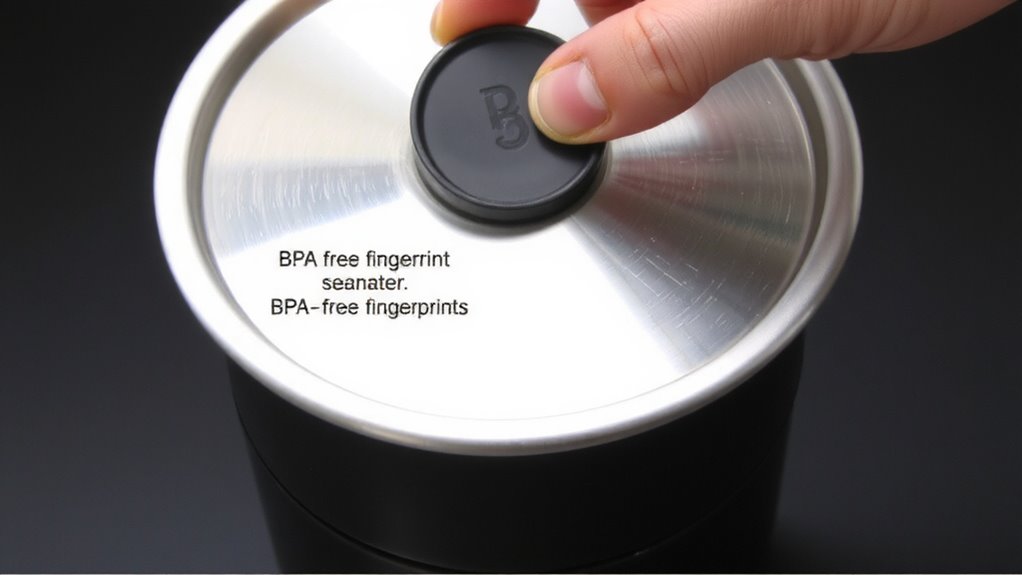
When it comes to your espresso machine’s water reservoir, material matters just as much as size. You need both material safety and long term durability to guarantee clean-tasting espresso and reliable performance. Cheap plastics can leach odors and degrade over time, while better materials stand up to daily use and resist cracking or staining. Some high-quality coffee makers now feature non-plastic construction throughout, including the water reservoir, making them a smart choice for health-conscious users seeking non-plastic coffee makers.
| Material | Pros and Cons |
|---|---|
| BPA-free plastic | Lightweight and affordable, but may absorb odors over time |
| Stainless steel | Excellent long term durability, resists corrosion and heat |
| Tritan copolyester | High material safety, clear like glass, durable and lightweight |
| Glass | Inert and taste-safe, but heavy and prone to breakage |
Choose based on your usage-stainless steel suits heavy use, while Tritan offers a solid balance of safety and resilience.
Prevent Limescale With Built-In Filtration
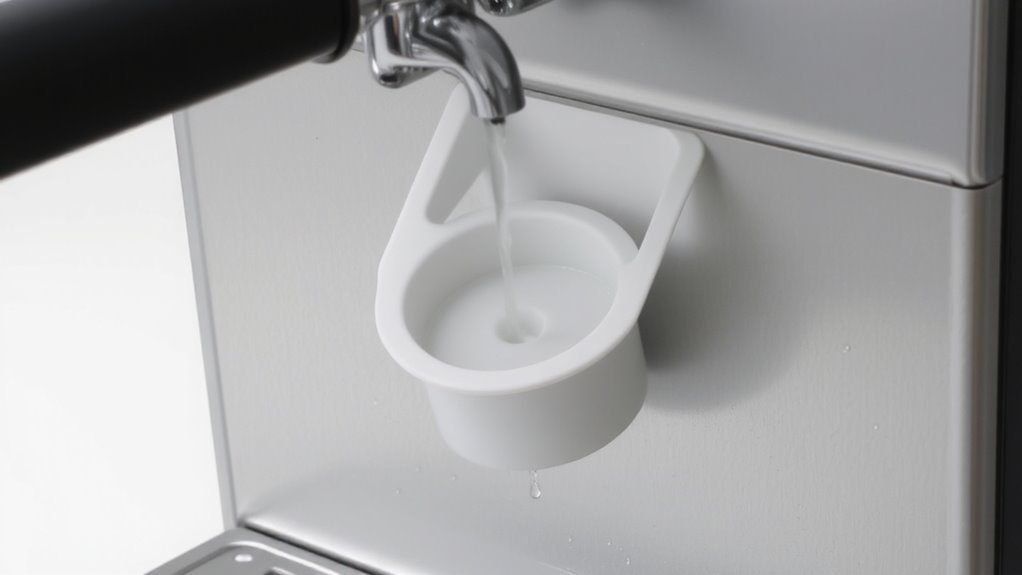
If you’re dealing with hard water, a reservoir with built-in filtration can save you time and protect your espresso machine from limescale buildup. These filters reduce water hardness by trapping minerals like calcium and magnesium, which cause scaling. That means fewer descaling cycles and longer machine life. Most systems use replaceable cartridges, so you’ll need to track filter replacement every 1–2 months, depending on use. Skipping replacements reduces effectiveness and can damage the machine. Some brands, like Breville and De’Longhi, include indicator lights to remind you. While filtered reservoirs aren’t as thorough as external reverse osmosis systems, they’re convenient for average home use. If your water is very hard, you might still need periodic descaling. Built-in filters work best when matched to your water hardness level-check local reports to choose the right filter. For optimal results, use a recommended Breville descaler to maintain performance when scaling does occur.
Design for Easy Refills and Secure Placement
Though you’ll be refilling the water reservoir daily in most home setups, a well-designed tank can make the task quick and hassle-free. Look for ergonomic placement that lets you easily reach the reservoir without moving the machine or straining your wrist. Top-mounted tanks, like those on the Breville Bambino Plus, offer intuitive access-you simply lift the cover and pour in water without detaching anything. Side or rear placements, such as on some Gaggia models, may require more space around the machine but still allow straightforward refills if designed well. A wide fill opening reduces spills, while clear water level markers let you monitor usage at a glance. The tank should click securely into place, preventing leaks during use. These details save time and reduce frustration, especially during morning rush hours.
Simplify Cleaning With Removable, Wide-Neck Tanks
A water reservoir that’s easy to clean matters just as much as one that’s simple to refill. Look for removable, wide-neck tanks-they make cleaning fast and thorough. Without one, you’re stuck wiping narrow openings with cloths that barely fit, leaving behind mold or mineral buildup. A wide neck gives quick access, letting you rinse, scrub, or even toss it in the sink. Removable tanks can be washed completely, supporting hygienic maintenance. Models like the Breville Barista Express or Gaggia Classic Pro use this design well. Fixed tanks, like those on some compact machines, are harder to reach inside and often need frequent descaling instead. If you use tap water or pull shots daily, ease of cleaning directly affects performance. Choose removable, wide-neck tanks-they’re practical, reduce grime, and save time. It’s not flashy, but it’s essential upkeep you can’t skip.
Calculate Daily Water Use to Avoid Refill Fatigue
How much water do you really go through in a day? To avoid refill fatigue, calculate your daily use based on coffee habits. Each espresso shot uses about 1–2 oz of water, while steaming milk adds more. If you make four drinks daily, you’ll need at least 32 oz-more if your machine lacks temperature stability or consistent water pressure.
| Usage Level | Reservoir Size |
|---|---|
| Light (1–2 drinks) | 1–2 liters |
| Moderate (3–4 drinks) | 2–3 liters |
| Heavy (5+ drinks) | 3+ liters, plumbed line ideal |
A larger tank reduces refills and supports steady water pressure, which helps maintain temperature stability during back-to-back drinks. Smaller reservoirs may overheat or struggle with pressure consistency. If you pull multiple shots, consider an integrated system or frequent refills. Choose size based on actual use, not convenience.
On a final note
You’ll want a reservoir that matches your daily brews-60 oz suits heavy use, while 30 oz works for light use. Go for BPA-free plastic or stainless steel to avoid aftertastes. Built-in filters cut limescale, especially with hard water. Choose a removable, wide-neck tank for simple cleaning. Make sure it fits securely but refills easily. These features save time and keep espresso consistent, day after day.