Mastering Espresso Preparation: Techniques for Achieving the Perfect Extraction Every Time
You nail consistent espresso by balancing dose, grind, and time-start with 18–20g dose and a 1:2 brew ratio in 25–30 seconds. Use filtered water and a calibrated grinder; adjust grind first, not dose. Tamp evenly with 30 pounds of pressure using a quality tamper like Reg Barber. Keep brew temp between 195–203°F and pressure at 9 bar. If it’s sour, go finer; if bitter, go coarser. You’ll find the sweet spot faster with this method. There’s more to fine-tuning your shots just around the corner.
Notable Insights
- Dial in espresso using a 1:2 brew ratio, 18–20g dose, and 25–30 second extraction time for balanced flavor.
- Adjust grind size first-finer for sour shots, coarser for bitter ones-before changing dose or brew time.
- Use filtered or specialty water with 50–100 ppm hardness to ensure consistent extraction and optimal taste.
- Tamp with 30 pounds of even pressure after distributing grounds to prevent channeling and ensure uniform extraction.
- Maintain brew temperature between 195–203°F and stable 9-bar pressure for ideal extraction conditions.
Know the Espresso Extraction Triangle
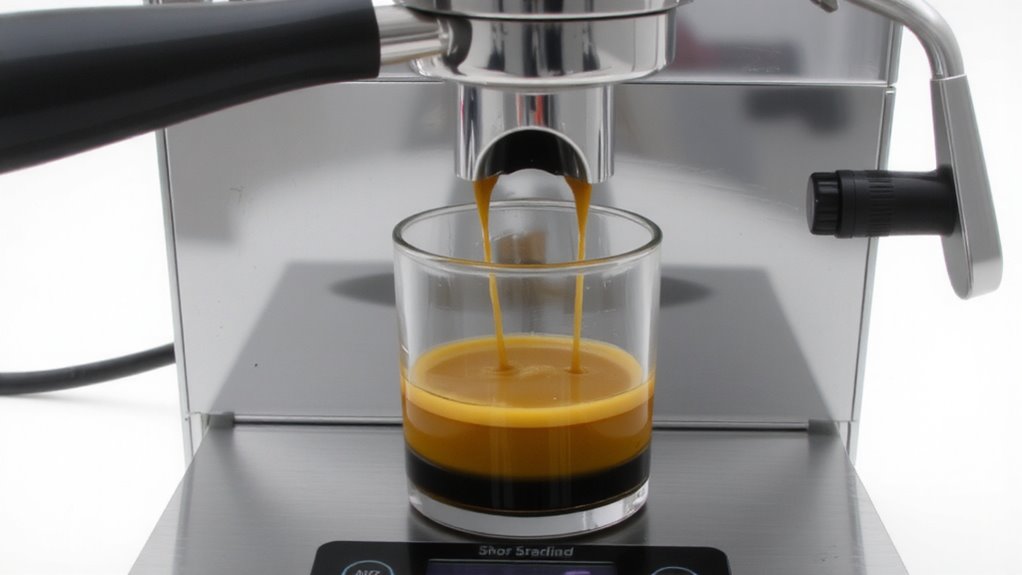
Balance is key when it comes to pulling a solid espresso, and that starts with understanding the extraction triangle-dose, grind size, and time. You can’t ignore water quality, though-chlorine or high mineral content skews flavor fast, so filtered or specialty bottled water like Third Wave Water helps. Your brew ratio, usually between 1:1.5 and 1:3 (coffee to liquid), affects strength and balance; a 1:2 ratio is a solid starting point for beginners. If your shot tastes sour, it’s likely under-extracted; if bitter, you’ve gone too far. These cues guide adjustments in later steps. The machine matters-entry-level models like the Breville Bambino work, but PID control on machines like the Rocket Appartamento adds consistency. Remember, even perfect technique falls short if water or ratios are off. Everything connects in the triangle-tweak one side, feel the impact on the others. For those exploring alternative brewing methods, the best coffee siphons offer a precise and immersive experience that highlights clarity and complexity in the cup.
Choose Your Dose and Grind Size
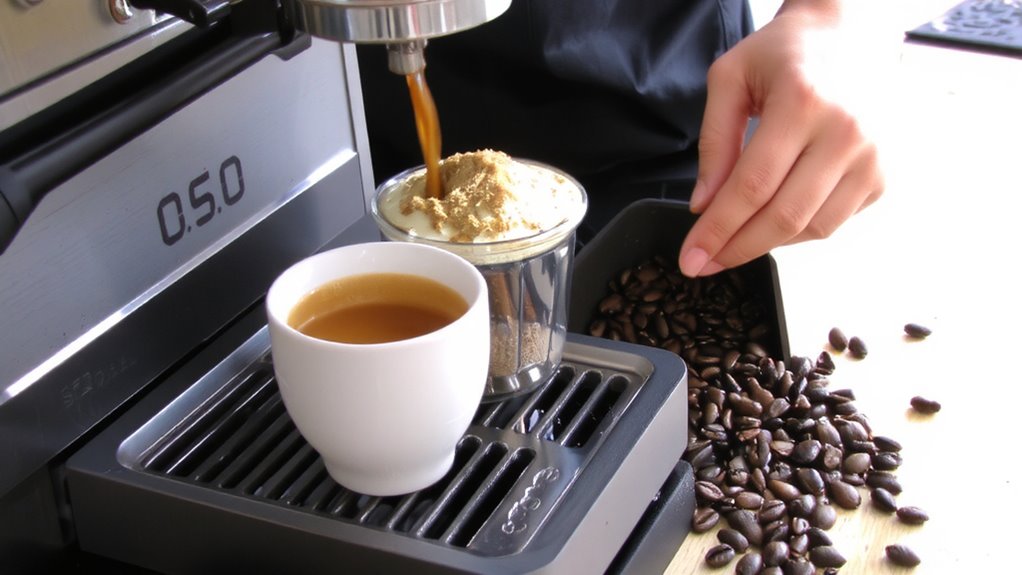
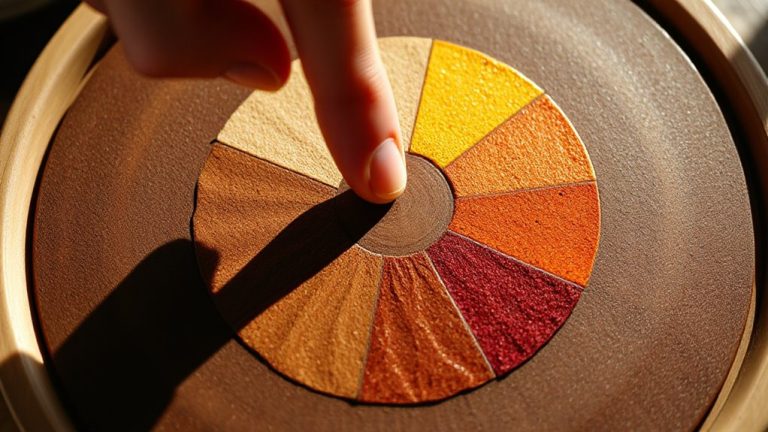
You’ve got the extraction triangle in mind-now it’s time to lock in two of its most adjustable corners: dose and grind size. Your bean origin and roast profile directly affect how you should set them. Lighter roasts from Ethiopia need finer grinds and slightly higher doses to balance brightness, while dark-roasted beans from Sumatra do better coarser and sometimes with lower doses to avoid bitterness.
| Roast Profile | Suggested Grind Size |
|---|---|
| Light | Fine |
| Medium | Medium-Fine |
| Medium-Dark | Medium-Coarse |
| Dark | Coarse |
Always adjust grind first-your grinder’s consistency matters more than brand prestige. Dose around 18–20g for doubles, tweaking only after grind changes. Remember, each bean origin behaves differently, so track changes methodically.
Dial In Your Espresso Like a Pro
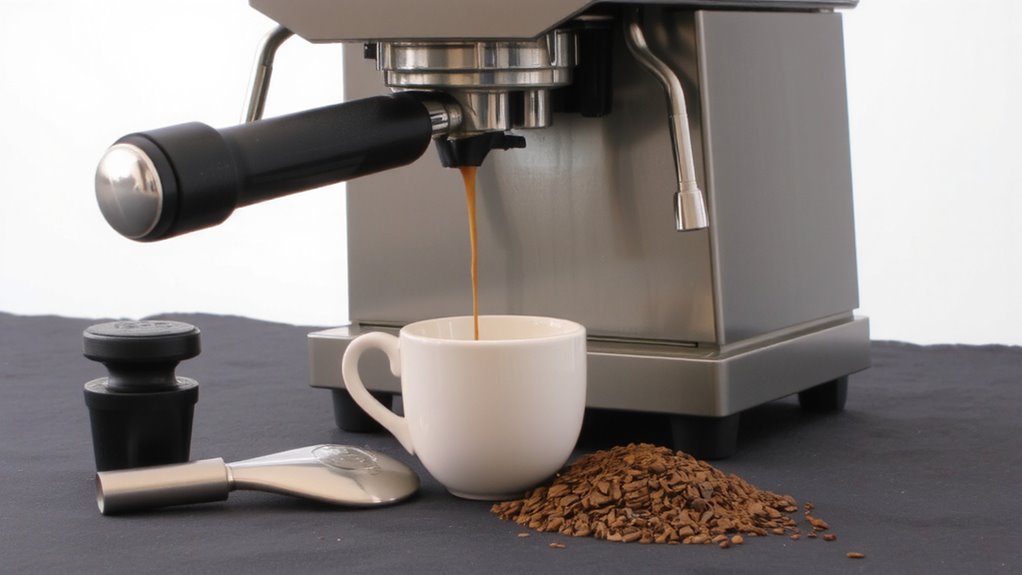
How do you go from a decent shot to a consistently great one? You dial in like a pro-adjusting grind, dose, and yield until your espresso hits the sweet spot. Start with your grind size from the last step, then tweak in small increments. Pull test shots and track time and weight: a 1:2 ratio in 25–30 seconds is a solid target. Taste matters-sour? Grind finer. Bitter? Go coarser. Once balanced, your shots will be stable and sweet, creating clean crema that supports detailed espresso art. Don’t rush-changes take a few shots to settle. And when you nail your espresso, milk steaming becomes more predictable, since consistent shots pair better with textured milk. Use a scale and timer every time. Tools like the Decent or analog La Marzocco machines respond quickly to adjustments. It’s not flashy-just focused, repeatable work. For precise measurements, consider using best mini coffee scales to ensure consistency down to the gram.
Tamp for Even Extraction
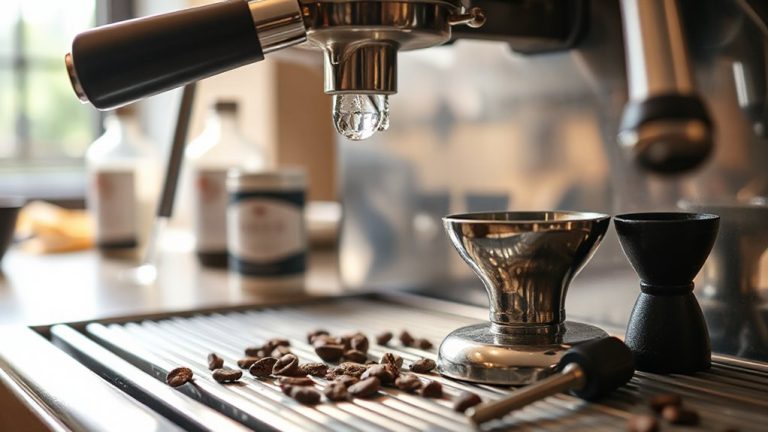
Get your tamp right, and you’re one step closer to pulling a clean, even shot. The key is consistency in tamp pressure-aim for about 30 pounds every time. Too light, and water channels through weak spots; too hard, and you risk over-extraction or a clogged puck. Use a calibrated tamper like the Reg Barber or Puqpress for repeatability, or go manual with a flat base that fits your portafilter snugly. Before tamping, guarantee even distribution by swirling grounds or using a distributor like the WDT tool. This reduces gaps and compaction inconsistencies. A level, evenly tamped surface helps water flow uniformly through the puck, improving extraction. Don’t twist the tamper-just press straight down. With practice, consistent tamp pressure and even distribution become habit, leading to more balanced, flavorful shots day after day. For those seeking precision and ease, an automatic tamper like the Puqpress model can deliver consistent results with minimal effort.
Optimize Espresso Temperature and Pressure
What makes one shot bright and snappy while another tastes flat or burnt? It often comes down to temperature and pressure control. You need consistent machine calibration and good water quality to nail it. Too hot, and you risk scorching the puck; too cool, and the shot under-extracts. Pressure that’s off leads to uneven flow and poor flavor development.
| Factor | Ideal Range |
|---|---|
| Brew Temperature | 195–203°F |
| Pump Pressure | 9 bar |
| Water Hardness | 50–100 ppm |
| Pre-infusion Time | 5–10 sec |
| Flow Rate | 1–1.5 oz in 25–30 sec |
Your machine’s calibration affects every variable. Even with perfect settings, poor water quality ruins extraction. Always use filtered water and descale regularly. Check pressure with a blind basket and gauge. Adjust temperature based on bean roast-darker roasts often need slightly cooler temps.
Troubleshoot Common Espresso Problems
Why does your espresso sometimes miss the mark despite following the same steps? A bitter taste usually means you’re over-extracting-your grind is too fine, or your shot took too long. Try adjusting the grind slightly coarser or reducing brew time. If you’re getting a sour flavor, under-extraction is likely the culprit-your coffee isn’t in contact with water long enough. That often happens with a grind that’s too coarse or insufficient dose. Check your puck prep: uneven tamping or channeling can ruin extraction, even with good settings. Make sure your portafilter is clean and your basket isn’t clogged. Freshness matters too-stale beans lose solubles, increasing sourness. Test with a known-good batch. Machine inconsistencies, like fluctuating pressure or temperature drops, also contribute. Most consumer machines don’t alert you, so track results manually. Small, deliberate changes beat random tweaks every time.
Make Every Shot Consistent
Consistency starts with control-your grinder, scale, and tamper aren’t just tools, they’re the foundation of repeatable shots. Use a precise scale to weigh your dose and yield, aiming for the same coffee-to-water ratio every time. A burr grinder, like the Baratza Sette or Eureka Mignon, guarantees uniform particles for even extraction. Always preheat your portafilter and group head to avoid temperature swings. Puck preparation matters: distribute grounds evenly with a tool like the Niche Zero, then tamp flat with consistent pressure. An uneven puck leads to channeling and sour shots. Track shot timing: 25–30 seconds is ideal for most single origins. If it’s too fast, your grind is too coarse; too slow, it’s too fine. Adjust in small increments. Repeat the same steps, and you’ll nail consistency shot after shot.
On a final note
You’ve got the tools and the know-how-now it’s about consistency. Stick to the extraction triangle: dose, grind, time. Use a quality grinder like the Baratza Forté for even particles, dial in fresh beans daily, and keep your machine calibrated. Small changes matter: adjust one variable at a time. Track shots with a scale and stop watch. Over time, repeatable results beat guesswork. Master the process, and every espresso will hit the mark-clean, balanced, and strong.