Exploring the Rooibos-Coffee Hybrid Experiments in the Western Cape
You’re tasting the future of sustainable brewing with rooibos-coffee blends from the Western Cape, where farmers mix drought-tolerant rooibos with *Coffea arabica* to cut environmental impact. Blends use standard grinders and roasters, with 30–70% rooibos ratios, reducing acidity while keeping flavor rich. Brew them via French press or pour-over for balanced notes of honey and spice. Places like Truth Coffee and Bachhoff Roasters offer ready-to-try versions. There’s more to how this hybrid works behind the scenes.
Notable Insights
- Farmers in the Western Cape are blending rooibos and coffee to adapt to climate change and stabilize incomes.
- The hybrid combines Coffea arabica beans with Aspalathus linearis leaves for a balanced, low-acidity brew.
- Producers use standard coffee equipment, roasting coffee lightly and pre-roasting rooibos to preserve sweetness.
- Blends range from 30% to 70% rooibos, with moisture carefully controlled due to rooibos’ humidity sensitivity.
- Cafés like Truth Coffee and Bachhoff Roasters showcase the blends, highlighting local sourcing and unique flavor profiles.
What Is the Rooibos-Coffee Hybrid?
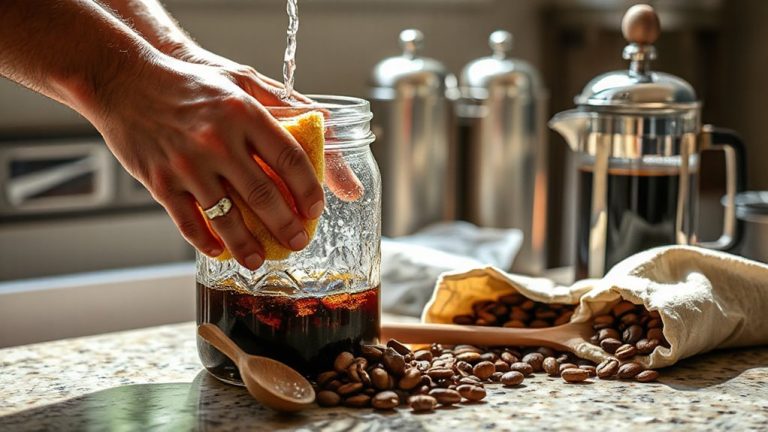
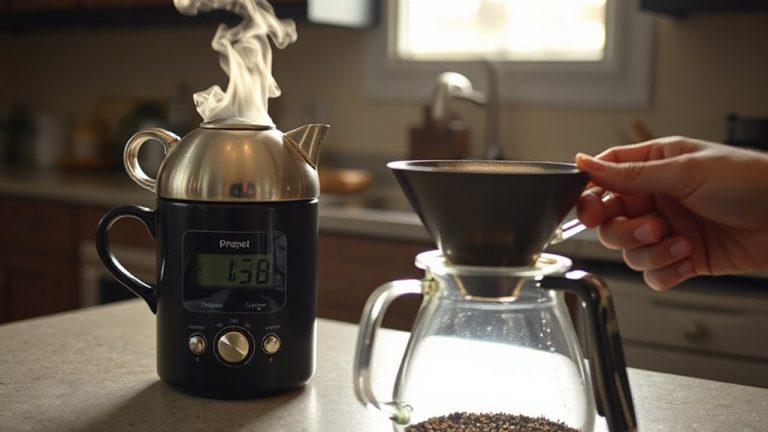
Call it an experiment in flavor fusion-rooibos-coffee hybrids blend the boldness of coffee with the earthy sweetness of rooibos tea. You’ll find this combo works because their flavor chemistry complements each other: coffee brings sharp acidity and roasted depth, while rooibos adds honeyed notes and a smooth finish. Made from brewing both roasted coffee beans and dried rooibos leaves-each with distinct botanical origins (Coffea arabica vs. Aspalathus linearis)-the hybrid appeals to those seeking lower acidity without sacrificing richness. You can prepare it using a French press or drip brewer, combining ground coffee and rooibos in a 1:1 ratio to start. Adjust proportions to taste-more rooibos for mildness, more coffee for punch. It’s not just novelty; it’s a practical option for sensitive stomachs or anyone exploring balanced, complex cups without extra gear.
Why Rooibos Farmers Are Embracing Coffee Blends
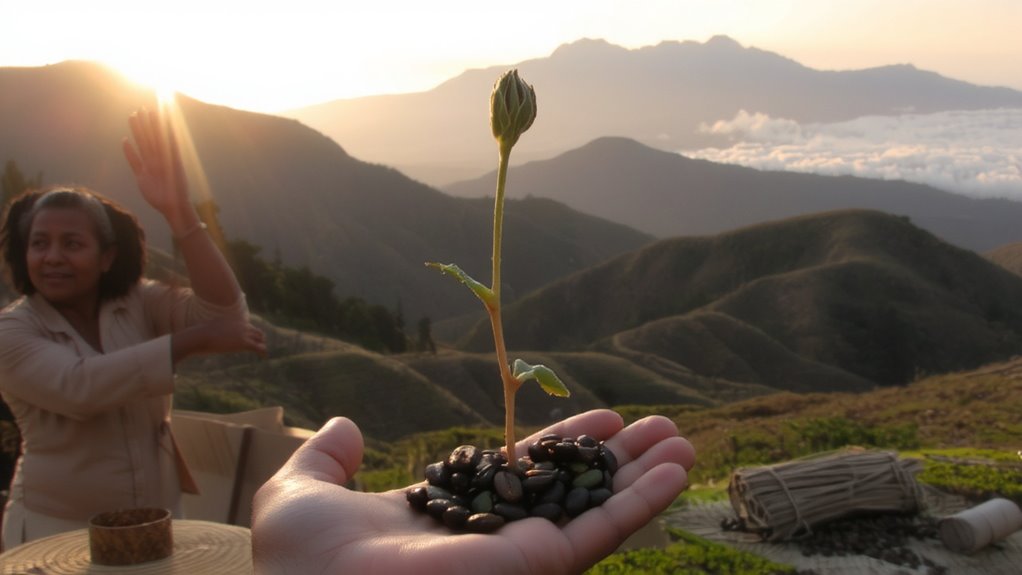
You’re seeing more rooibos farmers mix their crop with coffee blends, and it’s not just about flavor-it’s a strategic move. With shifting rainfall patterns and rising temperatures, climate adaptation is no longer optional. Rooibos, already drought-tolerant, pairs well with coffee processing methods that require less water, reducing environmental strain. This hybrid approach helps secure harvests even in dry seasons. Economically, blending rooibos with coffee opens new markets. Instead of relying solely on traditional tea exports, farmers tap into the global coffee boom, boosting income stability. It’s a form of economic diversification that spreads risk and increases resilience. You don’t need special equipment-standard drying and grinding setups work. Early adopters in Clanwilliam and Ceres report stronger profit margins without sacrificing quality. It’s practical, scalable, and forward-thinking. For farmers eyeing long-term sustainability, this blend isn’t a trend-it’s a smart adaptation.
How Western Cape Producers Are Making the Hybrid Brew
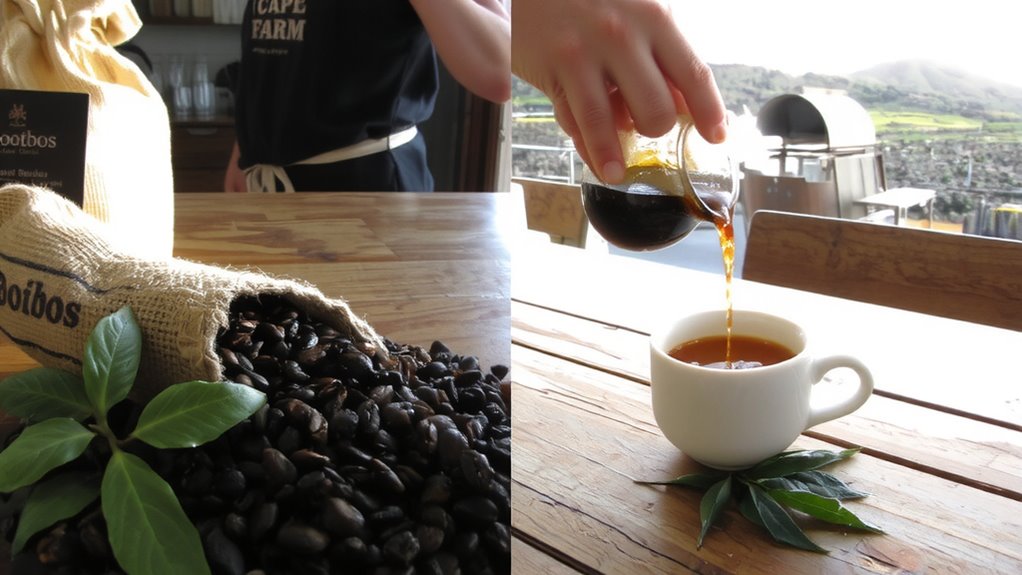
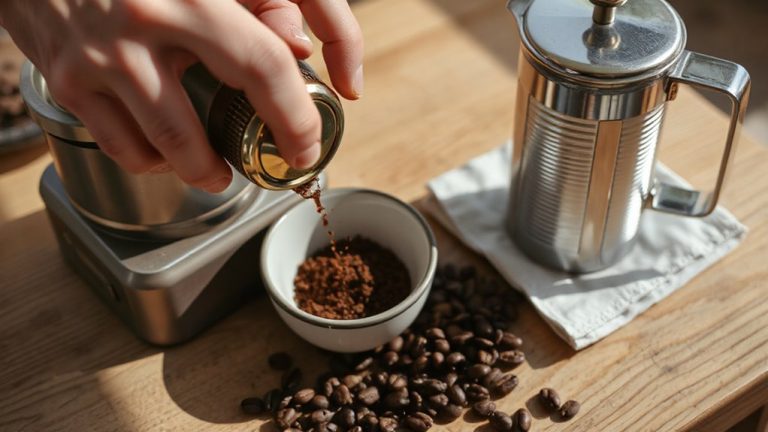
A growing number of Western Cape producers are blending roasted rooibos with coffee using standard equipment, and you’ll find the process doesn’t require a complete overhaul of existing setups. You can use the same roasters and grinders meant for coffee, adjusting roasting methods slightly to account for rooibos’ lower density and faster roast profile. Some producers apply light to medium roasts for coffee, while rooibos is pre-roasted at controlled temperatures to preserve sweetness. Fermentation techniques are also being tested-short, aerobic fermentation of rooibos before drying can enhance body and complexity. You’ll see blends ranging from 30% rooibos to 70% coffee, depending on desired flavor. Producers monitor moisture levels closely, since rooibos absorbs humidity faster than beans. The result is a consistent, brewable product compatible with espresso machines and drip brewers alike. No special gear is needed, making adoption easy and cost-effective for existing operations.
How Rooibos-Coffee Blends Boost Local Sustainability
Blending rooibos with coffee isn’t just changing flavor profiles-it’s also supporting more sustainable farming and processing in South Africa’s Western Cape. You’re cutting the carbon footprint when you mix locally grown rooibos with imported coffee, reducing reliance on long-distance supply chains. Rooibos requires less water and adapts well to the region’s dry climate, boosting resource efficiency compared to water-heavy crops. Farmers use fewer synthetic inputs, leaning on natural pest control and crop rotation. Processing happens nearby, minimizing transport and supporting local jobs. This blend model also stabilizes income for smallholders during volatile coffee markets. While roasted coffee still needs imports, adding rooibos reduces overall environmental strain. You’re not eliminating coffee’s carbon costs, but you’re lowering them. For home brewing, standard drip or French press setups work-no special gear needed. It’s a practical step toward sustainability, not a perfect fix, but a proven one in context.
Where to Taste Rooibos-Coffee Blends in the Western Cape
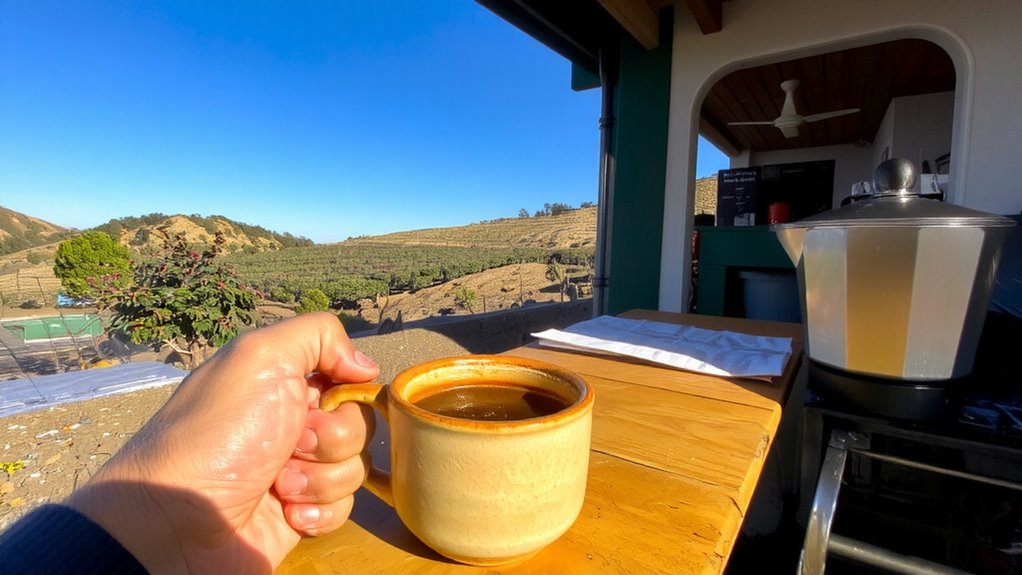
Where can you find rooibos-coffee blends that actually deliver on flavor and sustainability? Start at Truth Coffee in Cape Town-they roast small batches with locally sourced rooibos, offering balanced flavor profiles that highlight earthy coffee and sweet herbal notes. Their tasting notes often include dried fig, honey, and subtle spice, best experienced as a pour-over to fully capture complexity. For a hands-on option, visit the Kloof Street Coffee Co., where baristas train with rooibos-infused beans and use precise brew methods like the AeroPress to control extraction. You’ll notice the rooibos softens acidity without dulling brightness. If you prefer buying beans, try Bachhoff Coffee Roasters in Franschhoek-their ready-to-brew blends are packaged fresh and labeled with detailed tasting notes. These direct-trade options support local farmers while ensuring consistent quality. Each location uses commercial-grade grinders and water filters, so what you taste reflects true flavor profiles, not equipment flaws.
On a final note
You can try rooibos-coffee blends at local cafés like Truth Coffee in Cape Town or Farmstead in Stellenbosch. These hybrids offer lower caffeine with earthy, sweet notes. Use a French press or drip brewer-no special gear needed. Stick to medium grind and 90°C water for best balance. While not a full coffee replacement, it’s a sustainable, locally sourced option worth testing if you want smoother flavor and support Western Cape farms.