Why the Bahamas Lacks Coffee but Excels in Roasting and Blending
The Bahamas can’t grow coffee due to its limestone soil and humid climate, which lack the nutrients and elevation coffee plants need. Instead, roasters source high-quality beans from Colombia, Ethiopia, and Guatemala, using small-batch roasting to highlight flavor. You’ll find balanced, bright profiles with island-inspired notes like coconut, tangerine, and nutmeg. Sustainable practices and precision roasting make Bahamian blends stand out-discover how local craft turns global beans into something unique.
Notable Insights
- The Bahamas lacks suitable soil and climate for coffee farming due to porous limestone and low nutrient retention.
- Frequent storms and salt-laden air hinder coffee plant growth in the Bahamian environment.
- Bahamian roasters source high-quality green beans from traditional regions like Colombia, Ethiopia, and Guatemala.
- Small-batch roasting techniques preserve flavor clarity and highlight island-inspired notes like coconut and tropical fruit.
- Limited farmland drives innovation in ethical sourcing, precision roasting, and sustainable packaging practices.
Why the Bahamas Doesn’t Grow Coffee
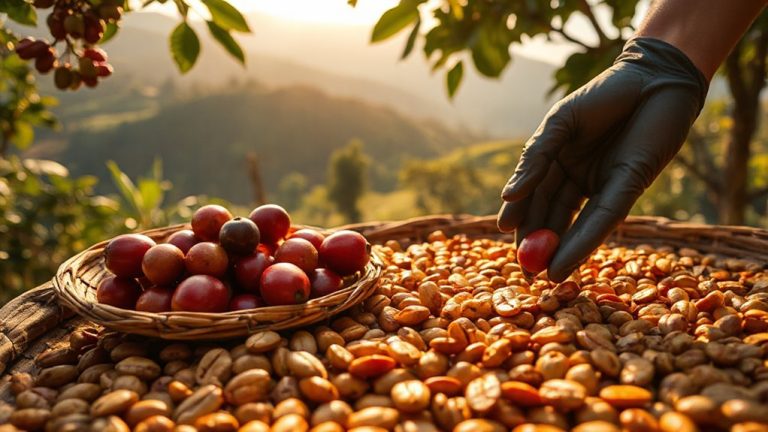
While you might assume tropical islands like the Bahamas are ideal for coffee farming, the reality is the archipelago’s soil and climate don’t support coffee cultivation. The soil composition is mostly porous limestone with low organic matter, making it poor at retaining nutrients and moisture-both essential for coffee plants. Unlike volcanic soils in Central and South America, which enrich coffee growth, Bahamian soil lacks the depth and fertility needed. Climate limitations also play a role; while the Bahamas has warmth and rainfall, it lacks the consistent elevation, humidity, and distinct wet-dry cycles coffee plants require. Frequent storms and salt-laden air further stress delicate crops. These factors together make large-scale or sustainable coffee farming impractical. So, despite the tropical setting, the natural conditions simply don’t align with what coffee agriculture demands. That’s why local production isn’t feasible-no matter how much it might seem otherwise.
How Bahamian Roasters Source Global Beans
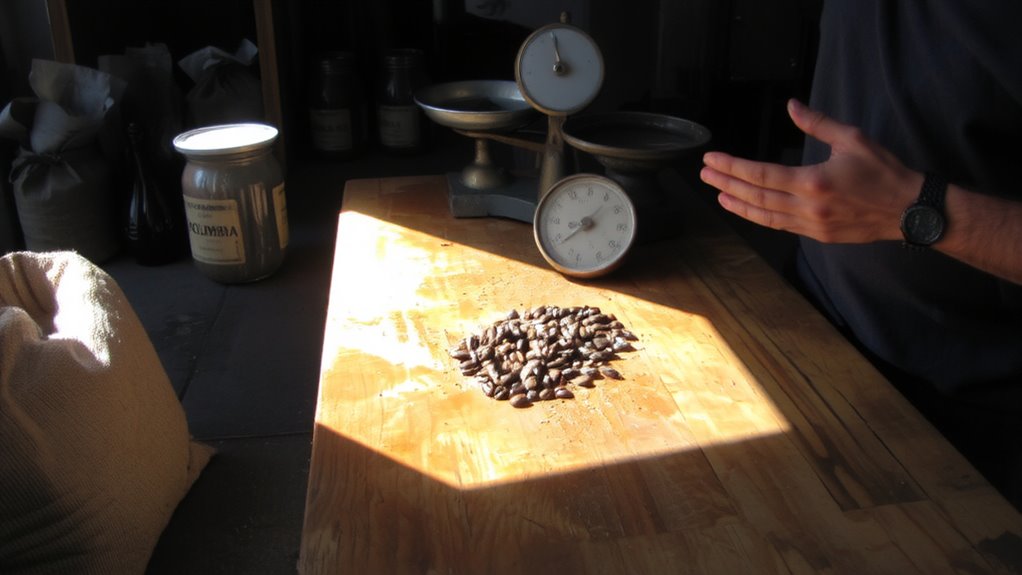
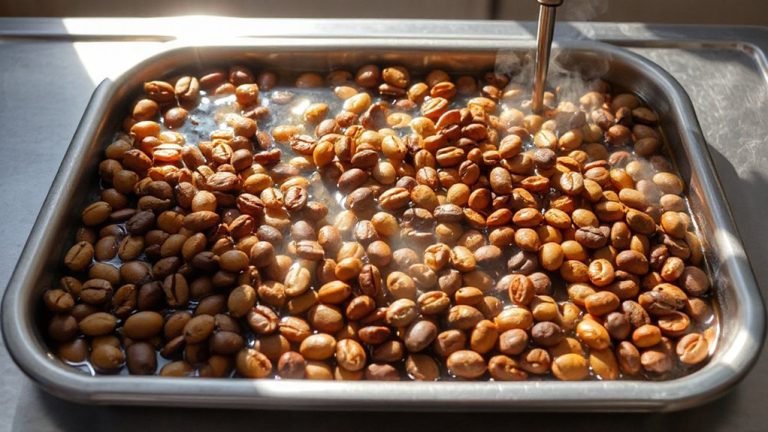
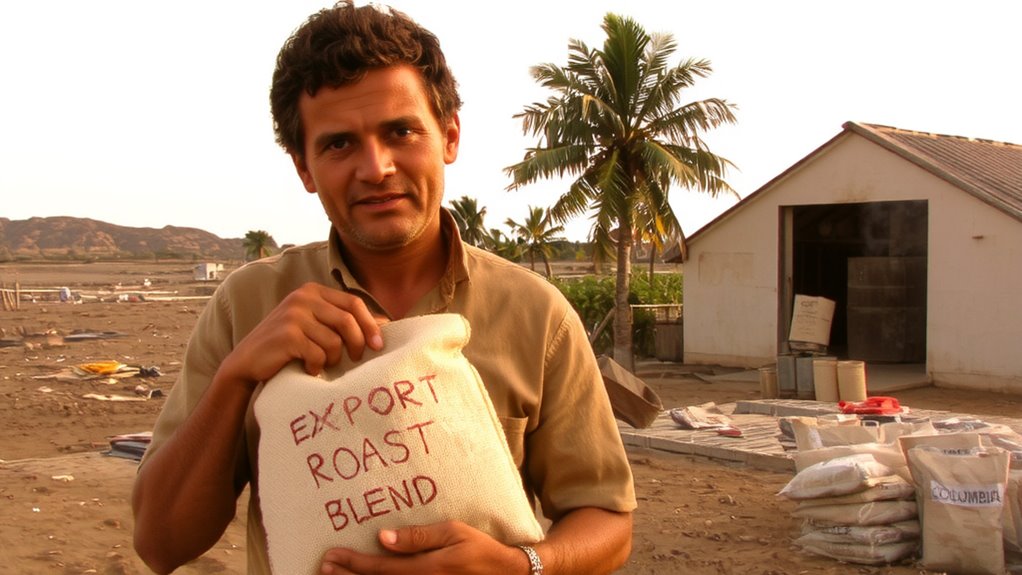
A growing number of Bahamian roasters are turning to beans from traditional coffee-growing regions to meet the demand for high-quality brews. You’ll find them building direct trade relationships with farms in Colombia, Ethiopia, and Guatemala, cutting out middlemen to guarantee freshness and fair prices. This model gives you more transparency and supports sustainable farming. Most opt for small batch roasting, which lets them monitor each roast closely, adjusting time and temperature for peak flavor. Small batch means less volume, but better control and consistency. Green beans arrive in sealed, moisture-barrier bags and are stored in cool, dark spaces until roasting. You should look for roast dates on packaging-freshness peaks within 2–4 weeks post-roast. While direct trade costs more, it often delivers cleaner, more complex cups. For you, that means a better brew worth the price.
How Island Flavors Shape Bahamian Coffee Blends
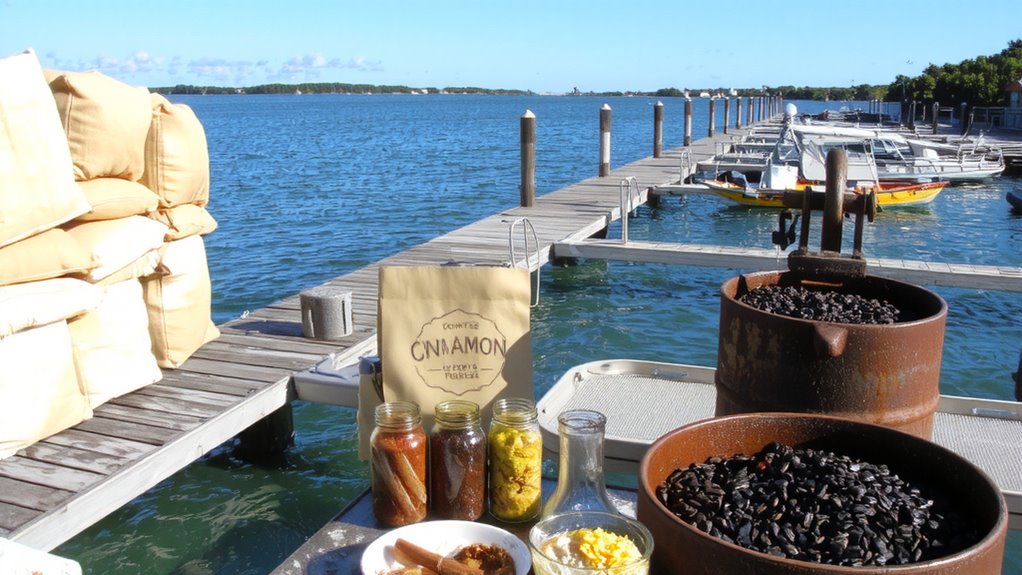
Since Bahamian palates lean toward bold, sweet, and aromatic flavors, many local roasters design blends that mirror the islands’ natural bounty-think notes of coconut, tropical fruit, dark chocolate, and warm spices. These flavor traditions aren’t accidental; they’re shaped by Island infusions drawn from local cuisine and sensory preferences. Roasters often experiment with small-batch techniques to highlight these notes, tweaking roast profiles to complement rather than overpower. Below are common flavor markers and their typical sources in Bahamian blends:
| Flavor Note | Source Origin |
|---|---|
| Coconut | Aged beans or island sugar |
| Tropical fruit | Light-medium roast profiles |
| Spiced chocolate | Island infusions and dark roasting |
Understanding these profiles helps you choose beans aligned with taste preferences and brewing methods, especially for pour-over or French press setups.
Bold, Bright Roasts: What Sets Bahamian Coffee Apart
When you think Bahamian coffee, don’t just picture a dark, heavy roast-what really sets it apart is how it balances bold body with a bright, almost citrus-like acidity, a trait not common in many Caribbean profiles. Roast profiles here lean toward medium-dark, preserving acidity while developing deep richness. You’ll notice flavor notes like tangerine, brown sugar, and nutmeg, shaped by precise roasting that highlights origin characteristics without over-charming the beans. Unlike heavier Latin American roasts, Bahamian styles avoid smokiness, favoring clarity and balance. This approach works well in drip brewers and pour-overs, where layered flavors can shine. If you’re using an espresso machine, adjust grind size slightly finer to support the roast’s structure. Compared to Italian roasts, which mask origin traits, Bahamian profiles emphasize them-making each cup both distinctive and informative. You get boldness with brightness, not just heat and bitterness. These choices make Bahamian roasts stand out where flavor notes and roast profiles align for balance, not extremes.
Turning Constraints Into Coffee Innovation
Though limited farmland and a tropical climate might seem like obstacles, Bahamian roasters actually use these constraints to drive smarter, more adaptive coffee practices. You focus on perfecting roasting techniques rather than growing beans, allowing precision that offsets lack of local crops. With minimal space, small-batch roasters invest in energy-efficient machines that reduce waste and improve consistency. You rely on fair trade partnerships to source high-quality green beans, ensuring ethical pay and environmental standards. These relationships also mean better traceability and fresher shipments. To combat plastic waste and high import costs, many switch to sustainable packaging like compostable liners and recycled paper bags. These choices cut costs and appeal to eco-conscious buyers. You adapt not because you must, but because innovation gives you an edge-turning limits into long-term advantages in flavor, ethics, and efficiency.
Where to Taste Authentic Bahamian Roasted Coffee
You won’t find coffee farms in the Bahamas, but that doesn’t mean you can’t experience coffee crafted with local precision. For coffee tourism with authenticity, head to Nassau’s local cafés like Coffee Therapy or Plantation Coffee. These spots source green beans globally but roast them in-house, allowing control over flavor profiles suited to island tastes-often smooth, low-acid blends with nutty or chocolate notes. Coffee Therapy uses a Probat roaster, ensuring consistency and quality you can taste in every cup. Local cafés also brew using precise methods like pour-over or batch brew, emphasizing freshness. While imports mean higher prices, the focus on small-batch roasting delivers better flavor than mass-produced options. Don’t expect estate-grown beans, but do expect skilled roasting. Visiting these cafés supports local entrepreneurship and offers a practical look at how blending and timing elevate coffee. It’s hands-on, transparent, and worth the stop.
On a final note
You won’t find coffee growing in the Bahamas, but that hasn’t stopped local roasters from excelling. They source beans globally, then craft bold, bright blends with island flair. Without local crops, they focus on precision roasting and creative mixing. If you want vibrant, well-balanced coffee, try Bahamian-roasted beans from shops like Poopdeck or Coffee Factory. Their innovation turns limitation into quality you can taste.