Developing Sweetness in Anaerobic Fermented Beans via Tight Fine Grind
You access more sweetness in anaerobic fermented beans with a fine, consistent grind-it increases surface area, helping extract the concentrated sugars formed during fermentation. Use a high-quality burr grinder like the EK43 or Compak E16 to avoid uneven particles and heat damage. Go just shy of powdery to prevent clogging or bitterness. Paired with proper water temperature and timing, this grind boosts stone fruit and caramel notes. There’s a precise balance that makes the results even clearer.
Notable Insights
- A tight fine grind enhances extraction efficiency, accessing concentrated sugars in anaerobically fermented beans for greater sweetness.
- Consistent particle size from high-quality burr grinders ensures balanced flavor and prevents over- or under-extraction.
- Fine grinding increases surface area, accelerating fermentation and promoting microbial activity that boosts sweet, clean flavor profiles.
- Controlled fermentation at 20–24°C in sealed tanks preserves sugar content and prevents acetic off-flavors in fine-ground beans.
- Using low-heat grinders like EK43 maintains bean integrity, avoiding bitterness and preserving delicate sweet and fruity notes.
How a Fine Grind Boosts Sweetness in Anaerobic Fermentation
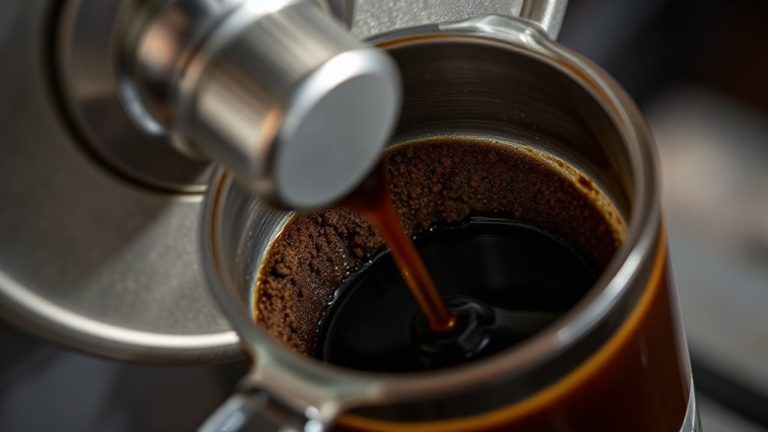
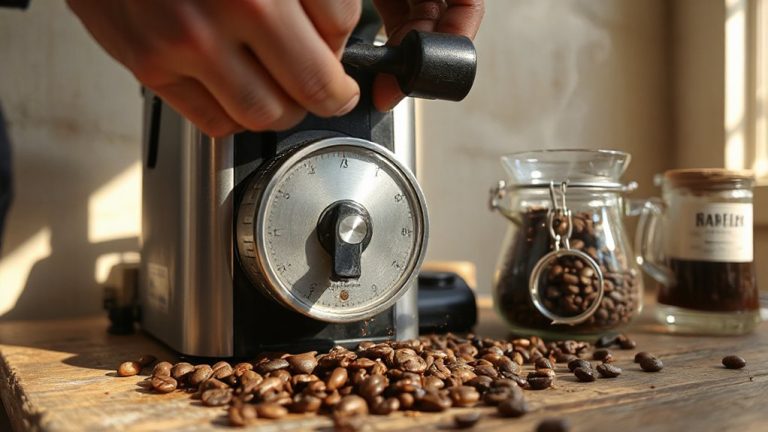
While finer grinds aren’t always better, they can make a real difference when you’re working with anaerobic fermented beans and aiming for more sweetness in your cup. A tight grind increases extraction efficiency, pulling more from the bean’s altered structure. Anaerobic processing boosts sugar concentration inside the bean, and a fine grind helps access those sugars evenly. You’ll notice smoother, fruit-forward notes when using a high-quality bur javacoffee and espresso grinders-like the Baratza Sette 270 or Eureka Mignon-one that delivers consistent particle size. Inconsistent grinds create uneven extraction, robbing you of flavor balance. With these beans, texture matters: their denser, more complex bean texture responds better to even, fine particles. Go too fine, though, and you risk over-extraction or clogging, especially in espresso. Aim for a grind setting just shy of powdery. It’s not magic-it’s physics. Get the grind right, and you let the bean’s natural sweetness shine. For optimal results, consider investing in one of the top-rated coffee and espresso grinders based on expert reviews and performance benchmarks.
The Science: Surface Area, Mucilage, and Fermentation Speed
Surface area is the silent player in how fast and how deeply your beans ferment. When you grind finer, you expose more bean matter, boosting enzyme activity and letting microbes plunge in quickly. This accelerates fermentation, especially in anaerobic setups where control is key. More surface means more mucilage interaction, which fuels microbial diversity-critical for clean, sweet profiles. But it’s a balance: too fine risks over-fermentation if not monitored.
| Grind Size | Fermentation Speed | Sweetness Potential |
|---|---|---|
| Coarse | Slow | Low |
| Medium | Moderate | Medium |
| Fine | Fast | High |
You need precision-burr grinders like the Baratza Encore or Timemore C2 guarantee consistency. Watch time and temp closely; with increased surface area, even 30 minutes can shift outcomes. Your grind directly shapes microbial behavior and sugar development-get it right, and sweetness follows.
Avoiding Bitterness With the Right Grind Size
Getting the grind size right keeps your anaerobic fermented coffee sweet and clean, not harsh or bitter. If your grind is too coarse, water extracts unevenly, pulling out harsh compounds that overwhelm the delicate sweetness. A finer, uniform grind improves extraction balance, but only if you maintain consistency. Poor grind consistency leads to some particles over-extracting (adding bitterness) while others under-extract. High-speed grinders can raise bean temperature, risking premature degassing or flavor distortion-especially sensitive in anaerobic beans with their heightened sugar profile. Use a burr grinder with low heat output, like the EK43 or Compak E16, to preserve integrity. Keep beans cool before grinding; warm beans fragment unevenly, worsening consistency. Aim for a tight particle spread and stable bean temperature to protect sweetness. This precision avoids tipping into bitterness, letting the anaerobic notes shine without interference. For pour-over and espresso, a high-quality burr grinder ensures the consistency and control needed for optimal extraction.
How to Adjust Wet-Milling for Sweeter Anaerobic Fermentation
You’ve optimized your grind to preserve sweetness, but the foundation for that clean, sugary profile starts earlier-in how you handle the beans during wet-milling. To maximize sugar retention, adjust your depulper to gently remove mucilage without tearing the bean. Aggressive settings increase oxidation and bitterness. After pulping, limit fermentation time to 8–12 hours with careful temperature control-ideally between 20–24°C (68–75°F). Higher temps encourage acetic acid, which masks sweetness. Use a sealed fermentation tank to support anaerobic conditions, then pair it with deliberate yeast selection. Strains like *Saccharomyces cerevisiae* enhance fruity esters and preserve sugar notes better than wild microbes. Rinse beans promptly post-fermentation to halt enzymatic activity. Consistent water quality and precise timing matter-small lapses here undermine even the finest grind later. Control these variables, and you’ll set the stage for a genuinely sweet cup.
Why Finer Grinds Enhance Stone Fruit and Caramel Notes
A finer grind doesn’t just extract more-it shifts the flavor profile in noticeable ways, especially with anaerobic beans designed to highlight sweetness. You’ll find stone fruit notes like peach and apricot become more pronounced because increased surface area pulls out delicate sugars and volatile compounds. Caramel tones deepen too, as extended extraction dissolves more polysaccharides and Maillard reaction byproducts. A tighter grind boosts floral intensity by capturing aromatic precursors often missed with coarser settings. Just be careful-too fine can over-extract bitter compounds, especially with long brew times. You need to balance grind size with water temperature and contact time. Aim for a medium-fine to fine setting on a burr grinder like the Baratza Encore or 1ZPresso JX-Pro. This helps maintain acid balance, preserving brightness without letting sweetness dominate. Adjust in small steps. For pour-over mastery, achieving the ideal coffee grind size is essential to unlocking these nuanced flavors.
Real Cup Results: Tasting the Difference
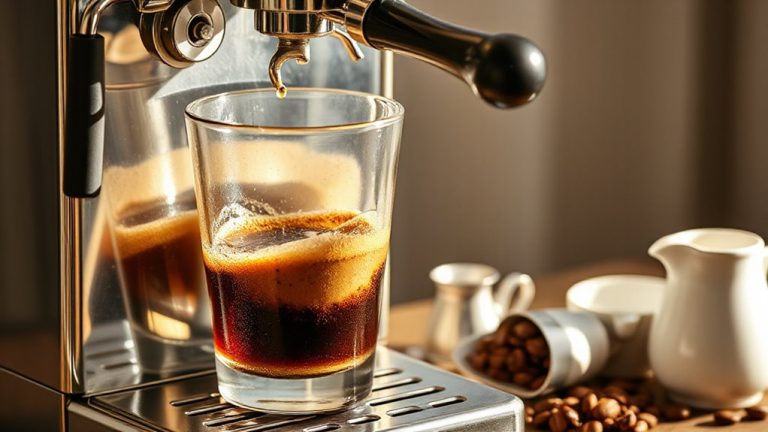
What do you actually taste when you tweak the grind for anaerobic beans? You get clearer flavor intensity and more pronounced aroma development. A tight fine grind extracts more of the bean’s inherent sweetness, lifting stone fruit and caramel notes you might miss otherwise. Compared to medium grinds, the fine setting pulls out nuanced layers-think ripe peach or toasted sugar-without harshness, provided your brew time is controlled. Machines like the EK43 or Baratza Vario deliver consistent results, essential for even extraction. If you’re using a standard blade grinder, you’ll likely see uneven particles, muddying the cup. Too fine, and you risk over-extraction; too coarse, and the flavor intensity drops. Adjust in small increments. You’ll notice the aroma development peaks around 200–205°F water temp. It’s not magic-just precision.
On a final note
You’ll get sweeter, more complex coffee by using a tight, fine grind in anaerobic fermentation. It speeds extraction and boosts stone fruit and caramel notes, but go too fine and you risk bitterness. Stick to a medium-fine grind on a burr grinder like the Baratza Encore or 1ZPresso JX-Pro for control. Adjust wet-milling to preserve mucilage. The right grind improves consistency, but monitor time and temp closely.