Why You Should Clean Your Coffee Grinder’s Dosing Chamber Daily
You should clean your grinder’s dosing chamber daily because old grounds trap rancid oils and stale particles that ruin fresh coffee. Even small amounts mix into your dose, causing bitter or sour shots. Static holds residues in plastic and steel alike, and humidity invites mold over time. A quick brush or tap clears buildup in seconds-no disassembly needed. High-end grinders like the EK43 still need this step. Skip it, and you’re not getting the best from your beans. Keep it clean, and you’ll taste the real difference next time you pull a shot.
Notable Insights
- Daily cleaning prevents static-trapped stale grounds from contaminating fresh coffee and ruining flavor accuracy.
- Removing leftover particles ensures even extraction, avoiding bitter or sour espresso from mixed old and new grinds.
- Oxidized oils from residue create rancid, bitter aftertastes, especially in dark roasts exposed to heat and light.
- Regular brushing prevents microbial growth and corrosion risks caused by moisture-trapped rancid oils in humid environments.
- A quick dry brush or tap takes seconds daily and maintains peak grinder performance without disassembly or water.
The Hidden Spot That Ruins Your Coffee
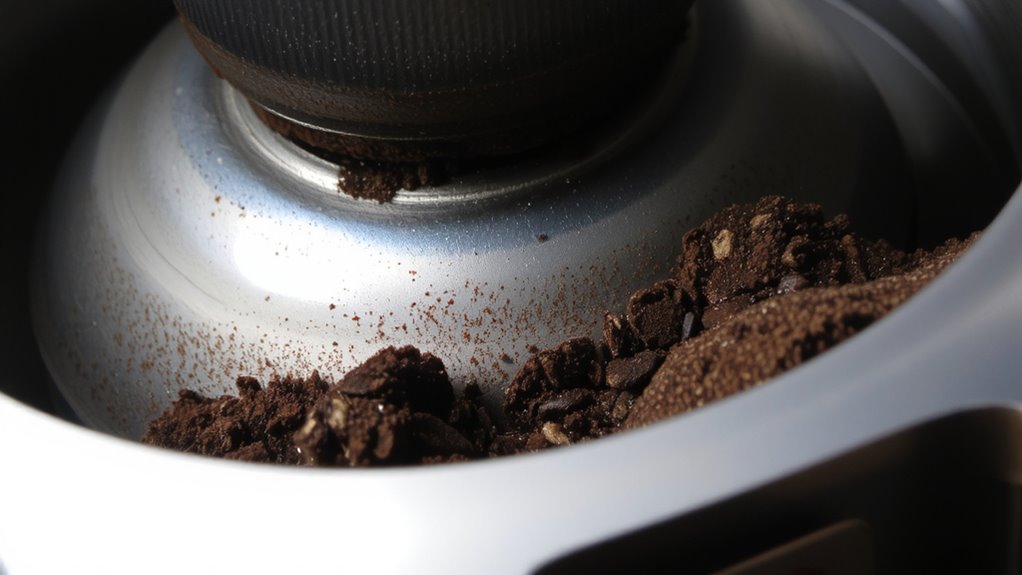
Ever wonder why your morning espresso tastes off even when you’re using fresh beans and the right grind setting? The issue might be hiding in your grinder’s dosing chamber. Over time, coffee grounds stick to the walls due to static buildup, especially in plastic burr housings. These trapped particles go stale and disrupt the fresh coffee aroma you’re aiming for. Even if you clean your portafilter and purge old grinds, that hidden residue keeps tainting your shots. Stainless steel chambers reduce static buildup, but they’re not immune. A quick brush-out daily removes lingering grounds and preserves flavor accuracy. It takes 10 seconds but makes a measurable difference. Skip it, and you’re compromising clarity, sweetness, and aromatic brightness-especially with light roasts. For consistent results, treat the dosing chamber like any other contact point. Coffee aroma fades fast; protect it by keeping every part clean. Grind quality starts with hygiene. Using the right tool, like a dedicated coffee grinder cleaning brush, ensures hard-to-reach spots are thoroughly cleared without damaging sensitive components.
How Stale Grinds Sabotage Your Morning Brew
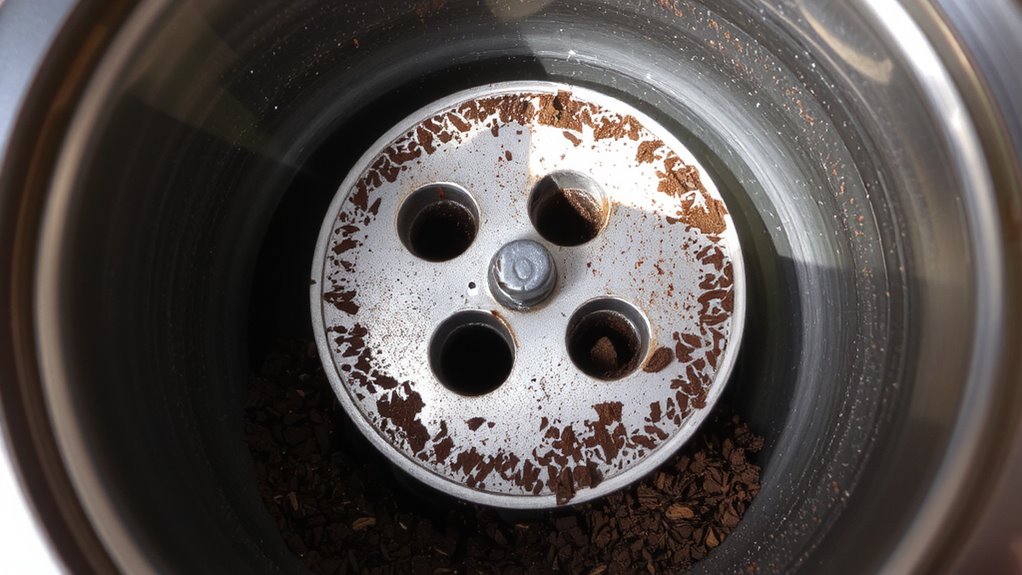
That stale, flat taste in your morning espresso? It’s likely from old grinds sitting in your dosing chamber. Coffee starts losing freshness the moment it’s ground, and leftover particles quickly develop a stale aroma. When you pull a shot, those stale grinds mix with fresh ones, leading to uneven extraction. Some parts over-extract, tasting bitter, while others under-extract, adding sourness-both ruin flavor balance. Even a small amount of yesterday’s grounds can compromise an entire shot. This doesn’t just dull brightness or body; it skews the taste unpredictably. Machines like the Lelit or Brewista may grind efficiently, but none prevent old grounds from lingering. Wiping the dosing chamber daily removes this variable, ensuring only fresh grounds reach your portafilter. It’s a quick step that stabilizes extraction and preserves origin character. Skip it, and you’re fighting stale aroma and inconsistent results before your first sip. For consistent performance, consider investing in one of the best coffee grinders based on your brewing method and budget.
When Coffee Oils Turn Rancid
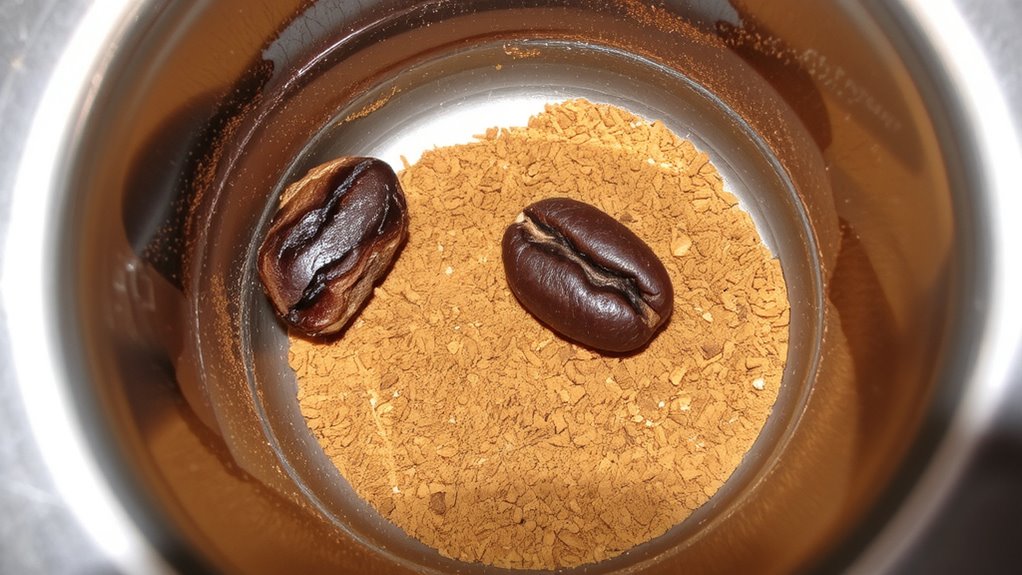
A significant amount of flavor degradation in your coffee comes from rancid oils building up in the dosing chamber. These oils, left behind after grinding, oxidize quickly-especially in light and heat-leading to sour, musty, or flat notes in your espresso. Dark roast beans release more oil, making them more prone to contributing to rancid oils over time. Daily cleaning greatly reduces this issue and keeps your flavor profile consistent and true. Investing in one of the best prosumer espresso grinders can also help minimize oil buildup due to superior grind quality and easier maintenance.
| Factor | Effect on Flavor |
|---|---|
| Oxidized oils | Bitter, stale aftertaste |
| High humidity | Speeds up rancidity |
| Light exposure | Accelerates oil breakdown |
| Infrequent cleaning | Increases flavor degradation |
You don’t need chemical cleaners-brush and dry wiping work well. Avoid water unless your grinder is designed for it. Preventing rancid oils is easier than removing them, so make it part of your routine.
Is Your Grinder Already Contaminated?
If you’ve been skipping regular cleanings, there’s a good chance your grinder’s dosing chamber is already harboring old coffee oils and residue. These oils turn rancid and create a breeding ground for fungal growth, especially in humid environments. You might not see it yet, but that stale smell or off-taste in your espresso could be a sign. Over time, trapped moisture from the air and coffee grounds can lead to metal corrosion, particularly in grinders with steel components-like the dosing chamber walls or retaining screws. While plastic parts resist corrosion, they’re not immune to mold or flavor contamination. Even high-end grinders like the EK43 or Duetto can suffer if neglected. Fungal growth and metal corrosion both compromise hygiene and machine longevity. The longer you wait, the harder it is to restore flavor purity. Don’t wait until performance drops-chances are, contamination’s already started.
How to Clean the Dosing Chamber in 10 Seconds
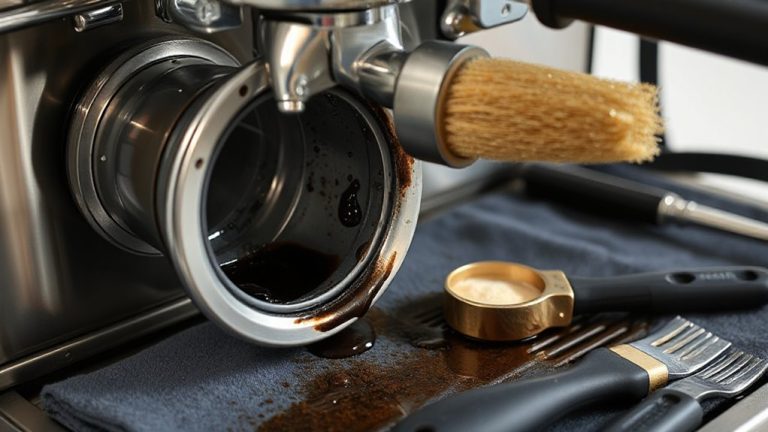
One quick 10-second habit can keep your grinder tasting fresh and running smoothly. After grinding, tap the dosing chamber lightly to dislodge leftover grounds. Then use a small, dry brush or compressed air to clear any residual coffee from the walls and edges. This quick cleanup prevents old oils from spoiling and mixing with your next dose, ensuring each brew starts with instant freshness. You don’t need to disassemble anything-just a fast pass to keep things clean. Doing this daily avoids buildup that can affect grind consistency and flavor over time. For grinders like the Baratza Encore or Fellow Ode, this simple step makes a noticeable difference. Skip it, and stale particles linger, dulling your espresso or pour-over. A clean chamber means reliable performance and better-tasting coffee. Make it part of your routine: clean right after grinding, every time. It takes no extra effort, just attention. That’s how you maintain peak condition without slowing down.
Brush Away Buildup: No Disassembly Needed
Since buildup in your grinder’s dosing chamber can dull flavor and disrupt grind consistency, brushing it out regularly is a smart habit. Daily brushing takes seconds and prevents old grounds from contaminating your fresh dose. You don’t need to disassemble anything-just use a clean, dry brush to sweep out the chamber. This quick maintenance keeps your grinder performing reliably and extends the life of internal parts. Over time, oils and fines accumulate, especially with dark or oily beans, so staying consistent matters.
| Tool | Benefit |
|---|---|
| Soft-bristle brush | Safely removes fines |
| Narrow-tipped brush | Reaches tight corners |
| Compressed air | Clears stubborn debris |
| Microfiber cloth | Wipes residual dust |
| No tools needed | Saves time, prevents errors |
Daily brushing is quick maintenance you can do before or after brewing-no fuss, just fresher coffee.
On a final note
You should clean your dosing chamber daily because old grinds lose freshness fast, hurting your espresso’s taste. Rancid coffee oils build up quickly, especially in warm grinders like the Baratza Vario or Lelit Bianca. A quick brush takes 10 seconds and needs no disassembly-just use a small, stiff brush to remove buildup. Wiping or vacuuming alone isn’t enough. Doing this every morning keeps flavors clean and consistent, especially with light roasts or single-origin beans. Skip it, and you risk stale, uneven shots.