How to Adjust Grind for a Higher-Clarity Filter Brew Without Increasing Sourness
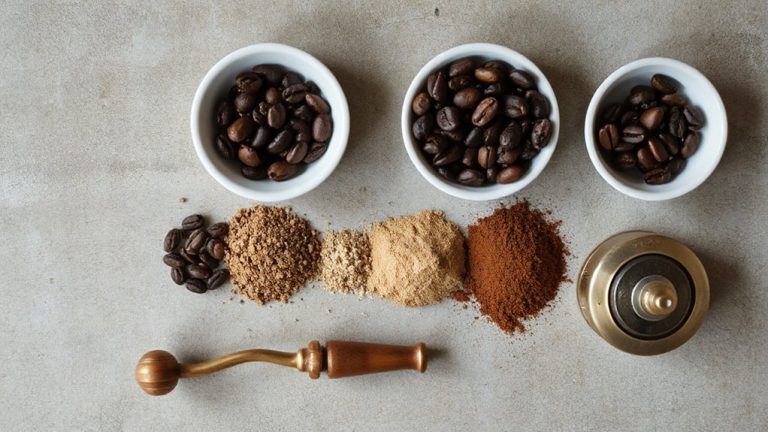
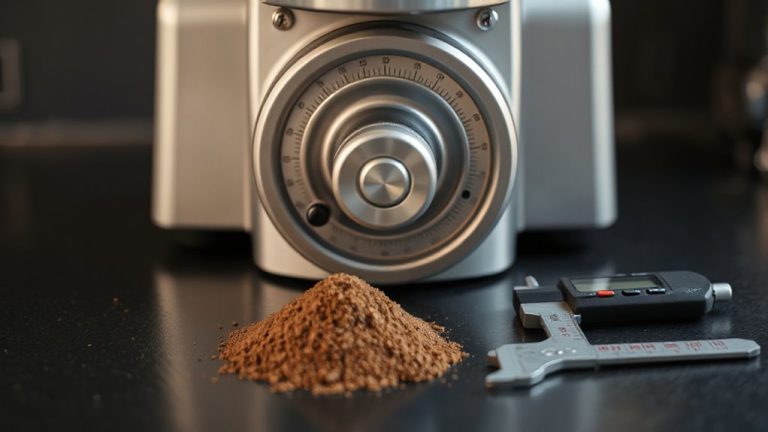
Use a medium-fine grind, like table salt, with a burr grinder such as the Baratza Encore for even particles and better clarity. A consistent grind avoids the sourness of under-extraction and the harshness of over-extraction. Adjust dose or brew time first-more coffee or longer contact reduces sourness without muddying flavor. Pair with 195–200°F water and pulse pouring to balance brightness and cleanliness-your next brew will be sharper, in the best way.
Notable Insights
- Use a high-quality burr grinder to achieve uniform particle size, ensuring even extraction and improved clarity.
- Aim for a medium-fine grind, similar to table salt, to balance extraction without over-extracting bitter compounds.
- Avoid grinding too fine, as it can lead to astringency, which masks clarity despite reducing sourness.
- Prioritize adjusting brew time or coffee dose before altering grind, as longer contact reduces sourness more safely.
- Pair grind adjustments with optimal water temperature (195–200°F) and balanced minerals to preserve clarity and sweetness.
How Grind Size Affects Sourness and Clarity
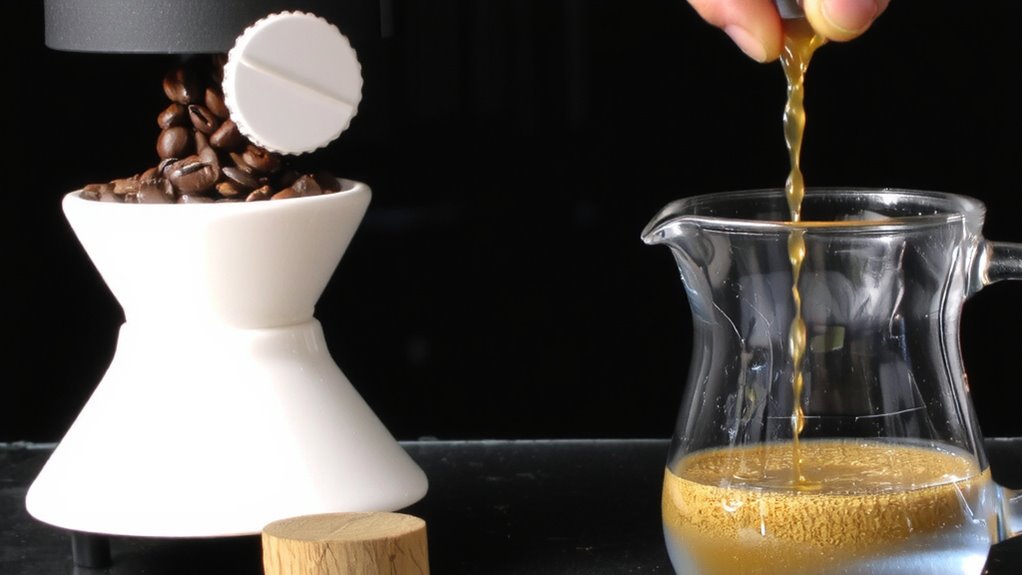
While finer grinds increase extraction by exposing more surface area to water, going too fine can over-extract your coffee and lead to bitterness or astringency-especially with longer brew times. You want clarity, not harshness. A consistent grind size helps, because poor grind uniformity means some particles extract too much while others don’t extract enough. This uneven particle distribution muddies your cup, adding off-notes that mask clean flavors. With a burr grinder-like a Baratza Encore or Fellow Ode-you get more uniform grinds than with blade grinders, which chop beans unevenly. Aim for a medium-fine setting, similar to table salt, to balance extraction. Too coarse, and you’ll risk sourness from under-extraction; too fine, and you’ll pull out bitter compounds. Adjust in small steps, watch brew time, and prioritize even particle distribution for better clarity without tipping into harshness. For the best results, consider one of the top picks from our guide.
Tell Under-Extraction From Brightness in Your Cup
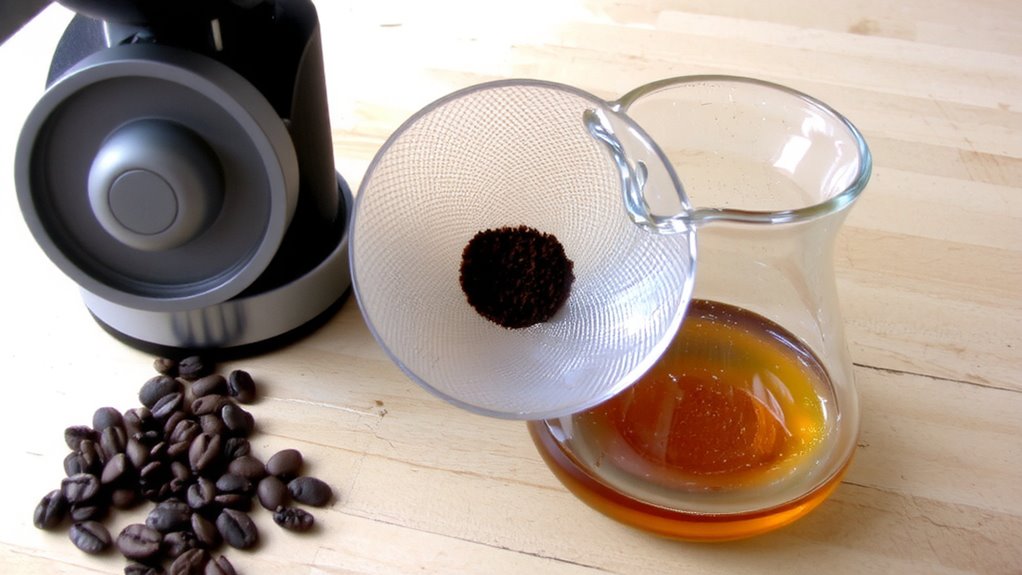
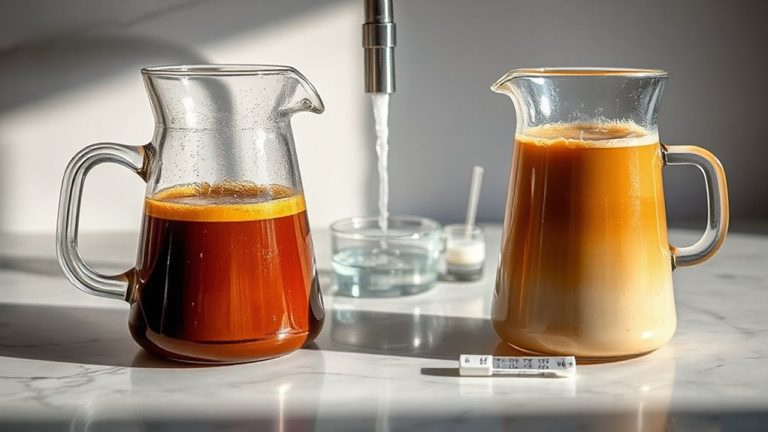
How do you know if that sharp note in your coffee is lively brightness or a sign of under-extraction? It’s easy to mix them up-bright, high-quality beans often have a crisp, citrus-like edge that feels invigorating, not sour. Under-extracted coffee, though, tastes sharp in a harsh, green-apple or vinegar-like way, often with a thin body and incomplete sweetness. This sensory confusion leads to flavor misjudgment-if you mistake under-extraction for brightness, you might keep brewing poorly, thinking it’s the bean’s character. Real brightness balances with sweetness and clarity; under-extraction doesn’t. The dry-down matters: if sharpness lingers unpleasantly after swallowing, it’s likely under-extraction. Bright coffees from Ethiopian beans, like Yirgacheffe, can be vivid but never astringent. Always evaluate the full profile-sweetness, mouthfeel, aftertaste-to avoid fixing the wrong problem. Using a consistent coffee grind size is essential for achieving balanced extraction in pour-over brewing.
Adjust Dose and Time Before Going Finer
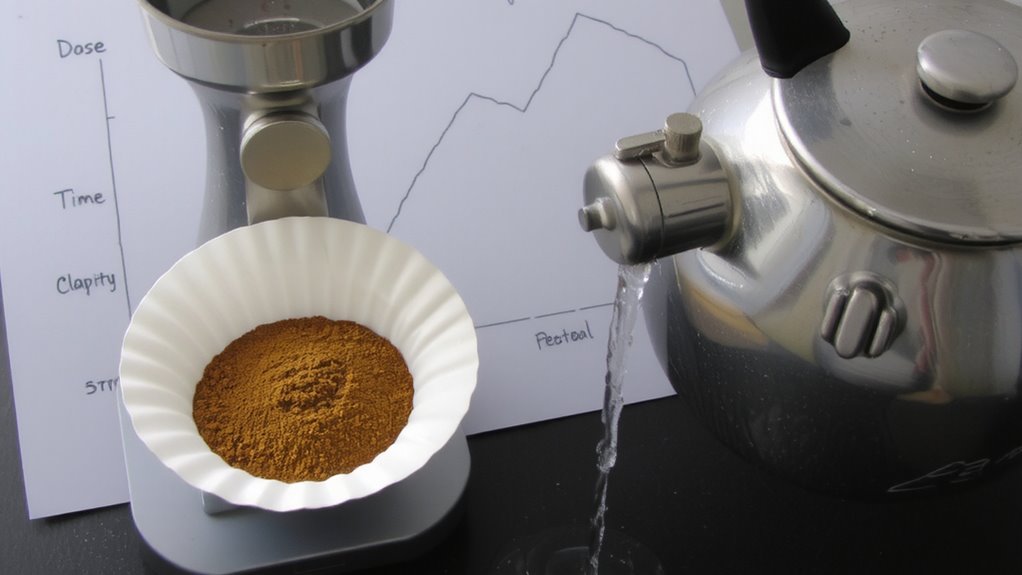
You might taste that sharpness and think grinding finer will fix it, but before you tweak your grind setting, try adjusting dose or brew time instead. Changing your coffee dose or extending contact time can improve extraction without risking clogging or uneven flow. A higher dose boosts strength and balance, while longer contact time increases extraction-both help reduce perceived sourness. Adjusting these variables also maintains clarity by preserving clean flavor definition. A consistent grind size from a high-quality burr grinder ensures even extraction and enhances control when making these adjustments. Here’s how:
| Factor | Effect on Brew |
|---|---|
| Increase dose | Richer body, fuller extraction |
| Decrease dose | Lighter, faster brew |
| Extend contact time | More solubles extracted |
| Shorten contact time | Cleaner, brighter cup |
| Adjust brew volume | Alters strength and balance |
Tweak dose or time first; only go finer if needed. This maintains consistent brew volume and avoids over-extraction.
Use Water Temperature to Tame Acidity
What if the acidity in your cup isn’t about grind or dose, but heat? Lowering your brew temperature slightly-say from 205°F to 195°F-can reduce aggressive extraction of sour compounds without sacrificing clarity. Hotter water pulls more acids quickly, especially if your beans are light-roasted or high-grown. Tweaking temperature gives you control, particularly when your water chemistry lacks balanced minerals. Soft or distilled water leads to flat, sour coffee, no matter the temp. Aim for a consistent mineral balance-brands like Third Wave Water or Moriamo offer profiles tuned for clarity and balanced acidity. Hard tap water, on the other hand, may over-extract and mute brightness. Match your temperature to your water chemistry: 195–200°F works well with balanced mineral content, taming sharpness while preserving sweetness. It’s a reliable fix when grind and dose aren’t the culprits.
Optimize Agitation for Even Extraction
Lowering the brew temperature can help manage brightness, but if your coffee still lacks clarity, the way you stir or move water through the bed may be uneven. Poor water flow leads to uneven extraction, muddying flavors even with the right grind and temp. To improve brew consistency, control agitation with deliberate pouring. Use a gooseneck kettle for precision and maintain steady, circular pours that saturate all grounds evenly.
| Method | Impact on Agitation | Best For |
|---|---|---|
| Pulse pouring | Low to moderate | High clarity brews |
| Full immersion | High | Full-bodied cups |
| Center pour | Low | Delicate light roasts |
| Spiral pour | Moderate | Balanced extraction |
| Stirring post-pour | High | Uniform saturation |
Dial In Your Grind for Balanced Clarity
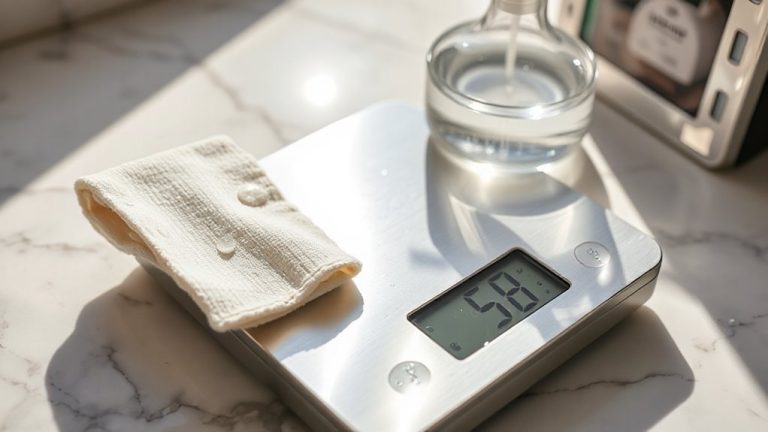
While water movement and temperature play key roles, the grind size is often the most direct lever for improving clarity in your filter brew. To achieve balanced clarity, focus on grind consistency and particle distribution-both heavily influenced by your grinder. Burr grinders, especially conical or flat steel types like the Baratza Encore or Fellow Ode, deliver more uniform particles than blade grinders. A tighter particle distribution prevents under- and over-extraction, which can muddy clarity or heighten sourness. If your coffee tastes sharp or hollow, your grind may be too fine with too many fines clogging the filter. If it’s flat or dull, it might be too coarse with boulders slipping through. Adjust in small increments, testing one change at a time. Always weigh your beans and calibrate fresh-clarity hinges as much on precision as on gear.
On a final note
You don’t need a finer grind to boost clarity-start by adjusting dose or brew time instead. A coarser grind with even saturation can improve clarity without tipping into sourness. Try lowering water temp slightly, around 195–200°F, to smooth sharp notes. Use controlled pours for consistent agitation. Pair these with a quality burr grinder like the Baratza Encore to fine-tune results. Small, deliberate changes yield cleaner, balanced cups.