How Flores Coffee Benefits From Volcanic Ash and Shade Trees
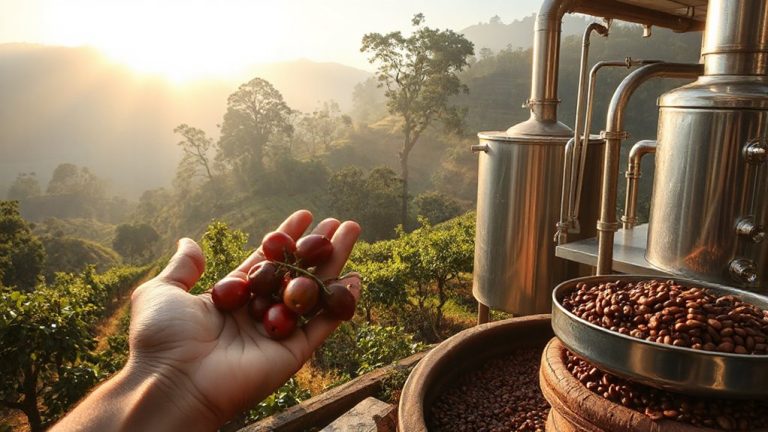
You get richer, more balanced coffee because Flores’ volcanic soil feeds plants steadily with potassium and magnesium, boosting sweetness while reducing fertilizer needs. Shade trees slow bean growth, increasing density and improving flavor clarity. Together, they cut acidity, support sustainability, and cut pest risks. The result? A cleaner, smoother cup with earthy depth. You’ll find these conditions across Flores’ highland farms-where nature and nurture shape every batch.
Notable Insights
- Volcanic ash enriches soil with potassium, phosphorus, and magnesium, boosting coffee plant health and bean sweetness.
- Young volcanic ash layers provide optimal mineral availability and soil structure for robust coffee root development.
- Volcanic soil retains nutrients and moisture efficiently, reducing runoff and supporting consistent coffee growth.
- Shade trees slow bean maturation, enhancing sugar development and producing denser, more flavorful coffee beans.
- Shade-grown systems protect biodiversity, improve soil health, and reduce erosion, promoting sustainable coffee farming.
Why Flores Coffee Grows Best in Volcanic Soil
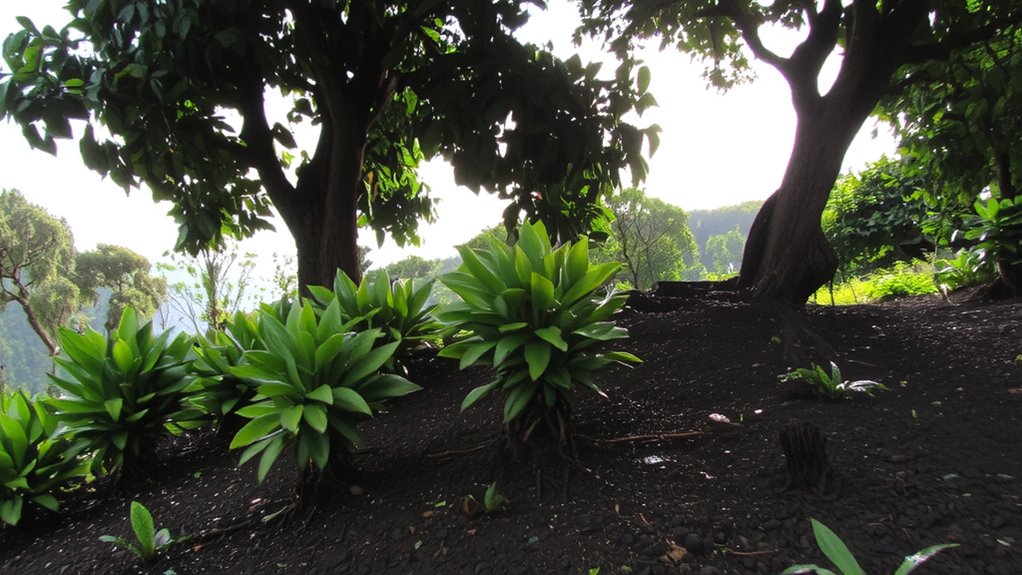
Flores Island’s volcanic soil gives its coffee a distinct edge, and you’ll taste the difference in every cup. The key lies in soil fertility-volcanic soil is rich in minerals like potassium, phosphorus, and magnesium, which support strong plant growth. This isn’t just about raw nutrients; it’s about nutrient retention, the soil’s ability to hold onto those resources and release them slowly to coffee roots. Compared to sandy or clay-heavy soils, volcanic loam balances drainage and moisture, reducing runoff while preventing root rot. That means consistent feeding for coffee plants, leading to more uniform bean development. You’ll find this especially important when growing Arabica varieties, which demand stable conditions. High nutrient retention also reduces the need for frequent fertilization, lowering input costs. So when you choose Flores coffee, you’re selecting beans shaped by natural advantages-not just flavor, but resilience, yield, and long-term sustainability rooted directly in the island’s geology.
How Volcanic Ash Boosts Flores Coffee’s Flavor
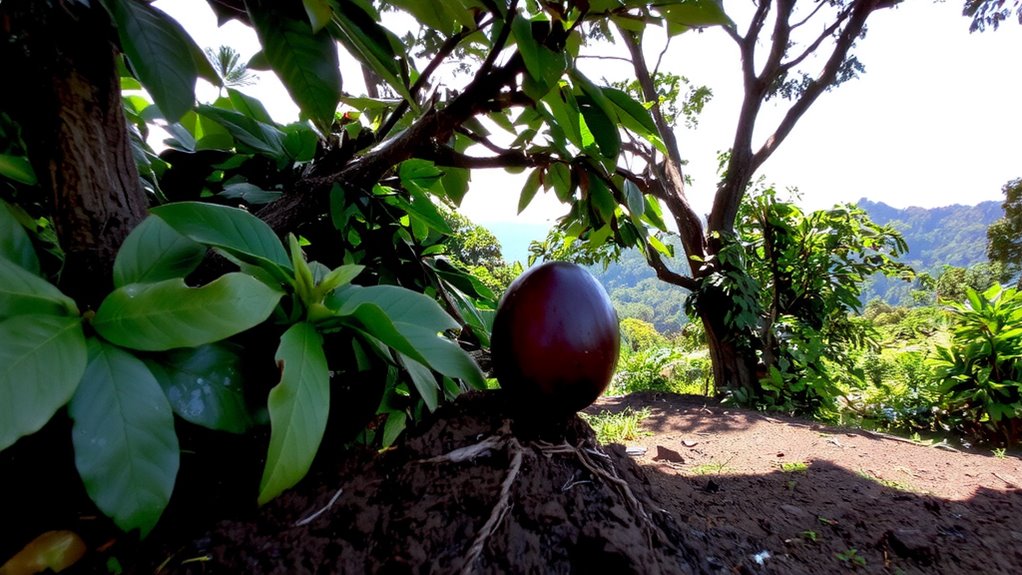
While volcanic soil sets the foundation, it’s the layer of volcanic ash that truly shapes Flores coffee’s unique taste profile. You get richer flavor because ash provides consistent mineral enrichment, delivering potassium, magnesium, and phosphorus directly to the plants. These minerals support bean development, enhancing sweetness and complexity in your cup. Ash also improves root aeration, allowing roots to breathe and absorb nutrients more efficiently. This means healthier plants and more uniform bean maturity, which translates to better roast consistency. Unlike dense clay soils, ash-lightened ground reduces compaction, minimizing root stress during rainy seasons. You’ll notice the difference not in acidity or body-those come later-but in depth of flavor. The result? Coffee that’s naturally balanced, with earthy tones and subtle fruit notes. For best results, look for beans from recent eruptions; younger ash layers tend to offer the highest mineral availability and ideal soil structure for peak flavor expression.
What Makes Flores Coffee Smooth and Low in Acidity?
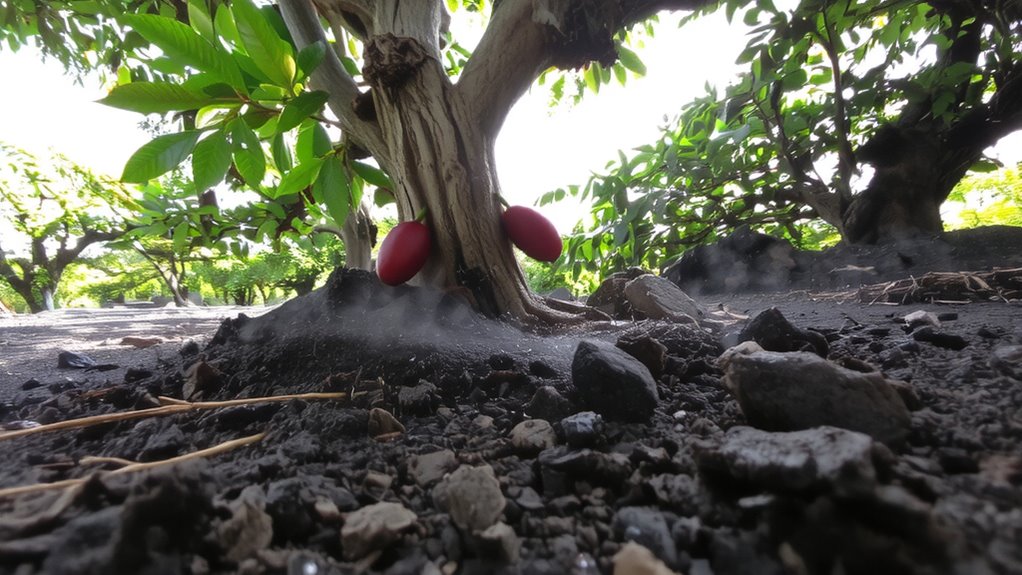
Since acidity in coffee often comes from how and where the beans grow, you’ll find Flores coffee naturally smoother because of its high-altitude farms and shaded growing conditions. The cooler temperatures slow bean development, increasing bean density, which leads to a more even extraction and balanced flavor. Dense beans also respond better to heat during roasting, reducing sharp or sour notes. Farmers use a careful roasting technique-often medium to medium-dark-to preserve sweetness while minimizing acidity. This approach avoids over-roasting, which can add bitterness. Compared to beans from lower elevations or direct sun, Flores beans have a naturally rounder profile. If you prefer smooth coffee without added milk or sugar, these characteristics make it a practical choice. Using a consistent grinder and scale helps bring out this inherent smoothness in your brew.
How Shade Trees Improve Flores Coffee Quality
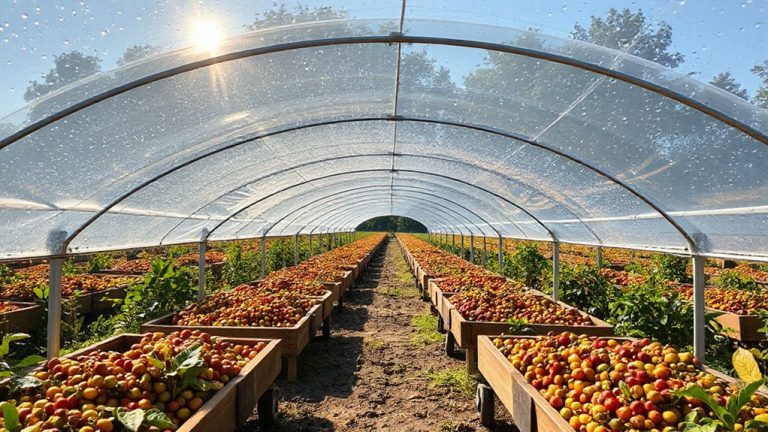
When grown under canopy shade, Flores coffee beans develop more slowly, giving them time to build complex sugars and denser structure-both key to a cleaner, more balanced cup. This process is enhanced by canopy biodiversity and agroforestry synergy, which stabilize microclimates and enrich soil naturally. You’ll notice better bean uniformity and enhanced flavor clarity when these factors align.
| Factor | Impact on Coffee Quality |
|---|---|
| Shade cover | Slows bean maturation, improving sugar development |
| Canopy biodiversity | Supports pest control and soil health |
| Agroforestry synergy | Increases resilience and nutrient cycling |
You don’t need specialty gear to brew quality shade-grown Flores coffee-just fresh grind, filtered water, and consistent brewing time. The beans’ inherent balance works well with pour-over, French press, or espresso. Choose medium to medium-dark roasts to highlight their natural sweetness without masking origin character.
Why Shade-Grown Farms in Flores Protect Nature
Shade-grown coffee farms in Flores don’t just shape flavor-they actively conserve the local ecosystem. When you grow coffee under tree canopies, you support biodiversity conservation by preserving habitats for birds, insects, and native plants. These shade trees reduce the need for chemical inputs, since natural predators control pests. You also improve soil moisture retention, meaning the ground stays hydrated longer, which is vital during dry spells. This setup reduces erosion and helps roots absorb nutrients more efficiently. Unlike full-sun farms that degrade soil and harm wildlife, shade systems mimic natural forests. You maintain ecological balance while still producing high-quality beans. Plus, leaf litter from shade trees acts as natural mulch, enriching the soil over time. For long-term sustainability, shade-growing proves more resilient and less dependent on artificial irrigation or fertilizers. It’s a practical approach that protects nature without sacrificing yield. You’re working with, not against, the environment-keeping Flores’s ecosystems intact.
How Flores Farmers Work With Nature for Better Coffee
Though you might think modern coffee farming relies on heavy machinery and chemicals, many farmers in Flores take a different path-one that works with natural processes to grow better beans. You’ll find they use crop rotation with vegetables like beans and corn to keep the soil rich and reduce nutrient loss. This practice strengthens the coffee plants without synthetic fertilizers. Instead of pesticides, they rely on natural pest control-shade trees attract birds and insects that eat coffee pests, cutting damage the eco-friendly way. These methods require careful planning and observation, but they lower costs and protect the environment. By working with nature, Flores farmers produce cleaner beans with consistent flavor, ideal for filter brewing or espresso. Their approach isn’t just sustainable-it’s practical, improving yield quality over time while maintaining soil health and biodiversity year after year.
On a final note
You get better coffee when you understand its origins. Flores beans thrive in volcanic soil, giving them smooth, low-acidity flavor. Shade trees protect the plants and boost quality naturally. If you’re brewing these beans, use a medium grind and water just under boiling for clarity. A pour-over or Chemex highlights their balanced profile. Avoid dark roasts-they mask the care farmers put in working with the land.