Innovative Uses of Byproducts Like Coffee Pulp Compost in Washed Operations
You turn coffee pulp into compost by mixing it with dry leaves or straw, letting it break down over 8–12 weeks in windrows. Farms in Colombia and Ethiopia use this to boost soil health, cut waste, and avoid synthetic fertilizers. It improves water retention, feeds microbes, and prevents pollution from runoff. With low costs and simple tools, it’s a practical upgrade for washed operations-there’s more to how top farms scale this effectively.
Notable Insights
- Coffee pulp compost transforms processing waste into a valuable soil amendment that enhances fertility and structure.
- Integrating compost into farm operations reduces reliance on synthetic fertilizers and lowers input costs sustainably.
- Properly composted pulp stabilizes organic matter, preventing water contamination from runoff and leaching.
- On-site compost systems support circular agriculture by turning waste into a resource for coffee farm resilience.
- Compost use meets growing market demand for eco-friendly, responsibly processed coffee with verifiable sustainability practices.
What Coffee Pulp Compost Is and How It’s Made
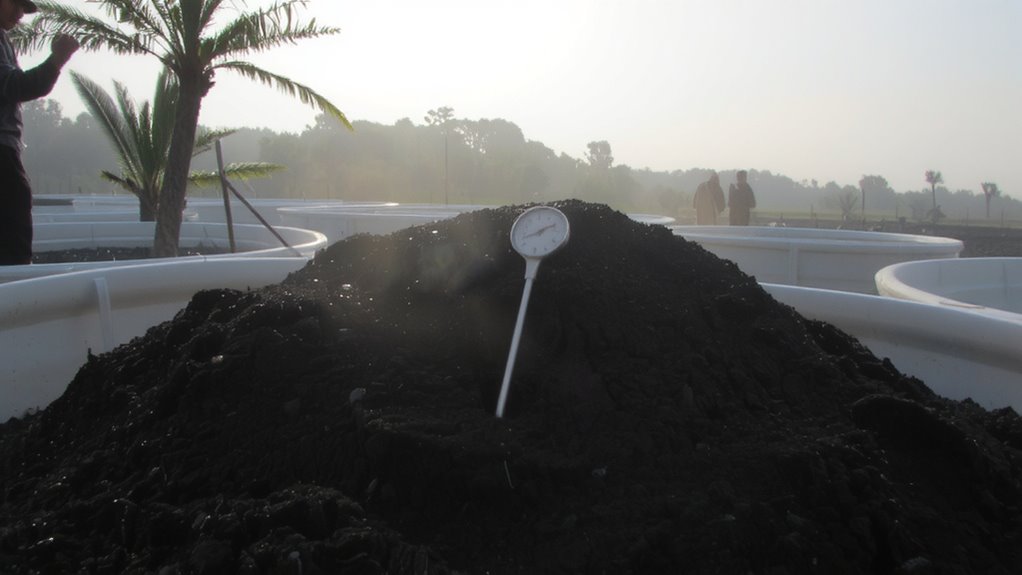
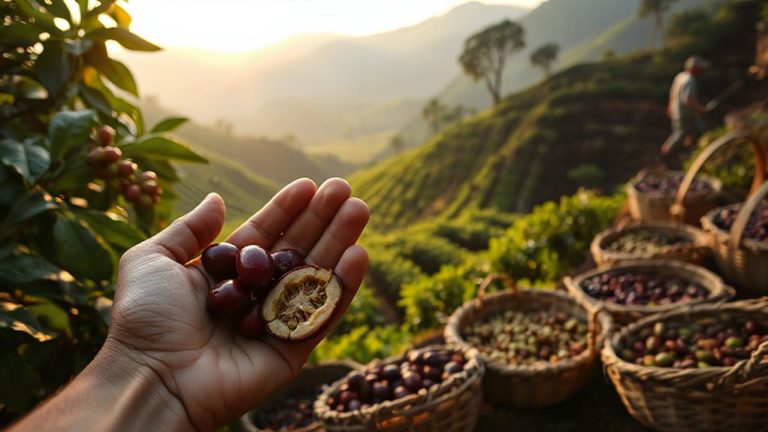
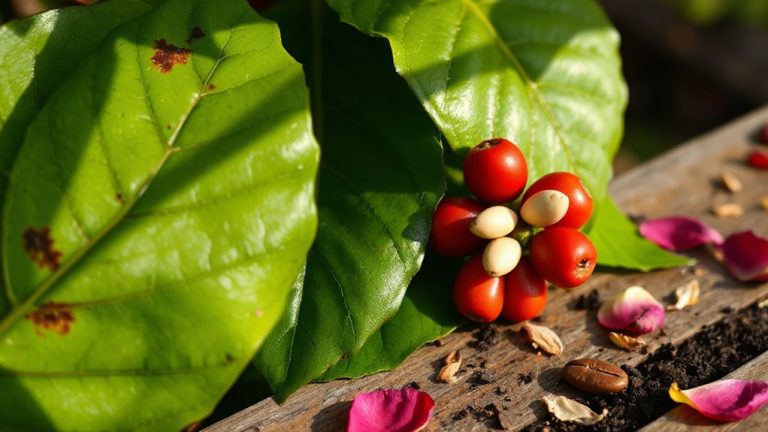
Coffee pulp-the fibrous, skin-like layer stripped from coffee beans after harvesting-is the starting point for coffee pulp compost. You get this waste in large amounts at washed coffee processing stations, especially from regions with high-volume coffee origins like Colombia or Ethiopia. To make compost, you mix the pulp with brown materials like dried leaves or straw to balance moisture and carbon levels, following basic compost science. The pile needs regular turning and monitoring for temperature and airflow to prevent souring or pests. In about 8–12 weeks, it breaks down into dark, crumbly compost. Don’t skip moisture control-it’s key. While faster than vermicomposting, improper ratios slow decomposition. This method works best at origin sites with space and consistent labor, not small urban setups. You’re turning waste into value, guided by practical compost science and local infrastructure.
How Coffee Pulp Compost Boosts Soil and Yields
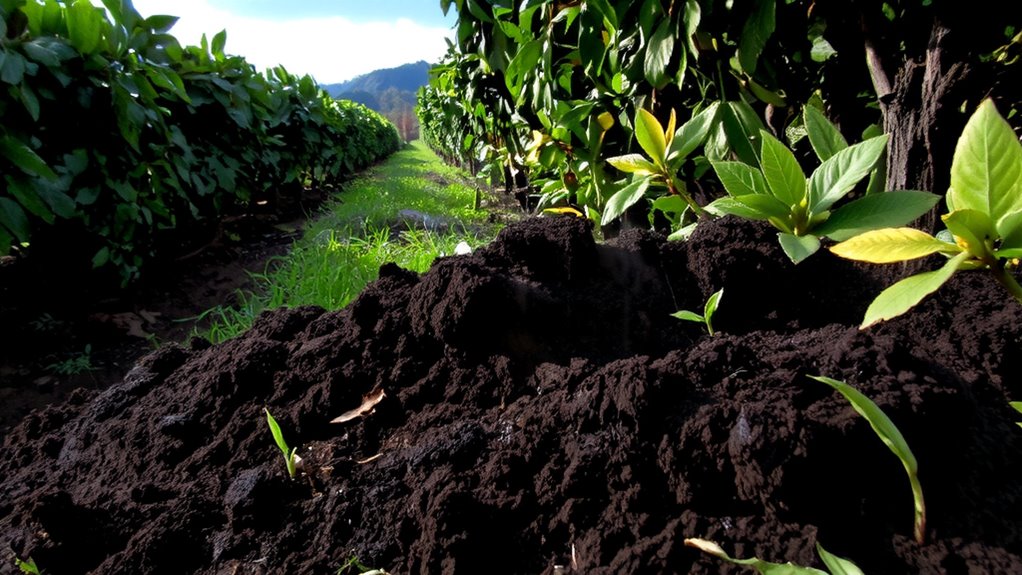
Think of your soil as a living bank account-every time you add organic matter, you’re making a deposit that pays off in fertility and structure. When you mix coffee pulp compost into your fields, you’re boosting soil structure by increasing aggregation and pore space, which helps roots grow and water move freely. This improved texture also enhances nutrient retention, meaning essential elements like nitrogen and potassium stay available for plants longer instead of washing away. You’ll notice less runoff and better moisture holding capacity, especially during dry spells. Over time, this leads to stronger coffee plants and more consistent yields. Unlike synthetic fertilizers that feed crops quickly but don’t improve long-term health, coffee pulp compost works gradually, building a resilient system. You don’t need heavy machinery-just spread it evenly during planting or maintenance. It’s a practical, low-cost upgrade most washed coffee farms can adopt with minimal disruption.
Why Washed Coffee Farms Choose Coffee Pulp Compost
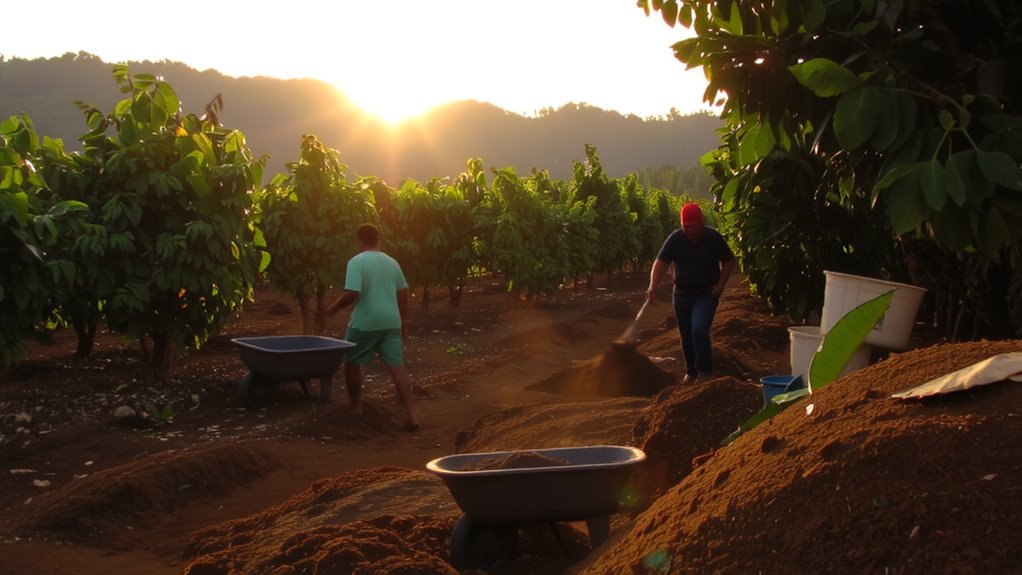
While most washed coffee farms produce pulp as a byproduct, turning it into compost makes practical sense when you’re looking to cut waste and boost soil health without relying on costly inputs. You’re not just managing residue-you’re upgrading it. Coffee pulp compost improves soil fertility naturally, feeding microbes and helping roots absorb nutrients more efficiently. Plus, it supports steady waste reduction, keeping organic matter out of waterways. Below is how it compares to alternatives:
| Benefit | Coffee Pulp Compost | Synthetic Fertilizer |
|---|---|---|
| Soil fertility impact | High (long-term improvement) | Moderate (quick but short-lived) |
| Waste reduction | Yes (on-site recycling) | No |
| Input cost | Low (uses farm byproduct) | High |
You’ll see better structure and moisture retention in your soil-all while lowering disposal and fertilizer expenses.
How Coffee Pulp Composting Reduces Waste and Pollution
Since coffee farms produce large volumes of pulp during processing, dumping it untreated can lead to runoff and water contamination, but composting turns that risk into a controlled, eco-friendly solution. You’re reducing waste by repurposing pulp instead of sending it to landfills, which directly cuts down on environmental impact. As microbes break down the material, harmful compounds are stabilized, supporting effective pollution control. The process prevents methane emissions from anaerobic decomposition and reduces leaching into local water sources. Unlike open dumping, composting manages moisture and organic load, making it a smarter operational choice. You don’t just minimize harm-you create value. This method aligns with sustainable farming standards and meets increasing market demand for responsibly processed coffee. With proper aeration and monitoring, you achieve reliable results without expensive infrastructure. It’s practical, scalable, and proven on farms from Colombia to Ethiopia.
How to Build a Coffee Pulp Composting System
If you’re working with coffee pulp on your farm, setting up a composting system doesn’t need to be complicated or costly. Start with a simple windrow system-long, low piles that allow easy turning and monitoring. Your system design should include space for raw pulp, active composting, and finished material. Keep piles about 1.5 meters wide and 1.2 meters high for ideal heat and breakdown. Airflow control is essential; turning piles weekly prevents odors and speeds decomposition. Use a front-end loader or manual forks, depending on scale. Mix pulp with dry browns like coffee chaff or sawdust to balance moisture. Cover piles with a tarp if heavy rain is expected. For larger operations, consider forced-air static piles with perforated pipes, though they cost more. Monitor temperature-ideally between 55–65°C-to guarantee pathogens break down. A well-managed system turns waste into compost in 8–12 weeks.
How Real Farms Profit From Coffee Pulp Compost
You’ve got the compost ready-after 8 to 12 weeks of turning, monitoring, and managing moisture, that coffee pulp is now a dark, crumbly soil booster. When you use it, you cut fertilizer costs and improve crop yields, leading to real cost savings. Farms in Colombia and Ethiopia apply it to coffee and vegetable plots, reducing dependency on chemical inputs. That boosts sustainability and opens new market opportunities-buyers pay more for eco-grown beans. Some farms even sell excess compost, creating a side revenue stream.
| Benefit | Example |
|---|---|
| Cost savings | Up to 30% less spent on fertilizers |
| Market opportunities | Premium pricing for organic-certified beans |
The results speak plainly: healthy soil, lower input costs, and better sales potential. You don’t need extra land-just smart reuse of waste.
On a final note
You can turn coffee pulp into compost to enrich soil and cut waste. It boosts yields, especially on washed coffee farms where organic matter improves soil structure. Building a compost system is simple-pile, turn, and monitor moisture. Compared to chemical fertilizers, it’s cheaper and reduces pollution. Farms like Finca Los Nietos in Honduras use it successfully. For best results, mix pulp with dry material and let it cure. This practical step adds value while supporting sustainable farming.