Cold Brew Oxidation: Why It Peaks at 3-5 Days, Then Fades
Freshly strained cold brew tastes better because it hasn’t started oxidizing yet. Exposure to air breaks down aromatic oils and bright flavors fast, dulling notes like citrus or chocolate. Light and warmth speed this up, so store your brew in an airtight, opaque container-like amber glass or stainless steel-at or below 40°F. Even then, flavor peaks within days. Smaller batches help you keep up with demand before quality drops too much. You’ll notice the difference right away-and how to keep it that way.
Notable Insights
- Freshly strained cold brew has the brightest flavor because oxidation begins immediately, degrading aromatic compounds.
- Exposure to oxygen breaks down volatile oils and phenolic compounds, causing flat, dull taste over time.
- Light and warmth accelerate oxidation, so storing cold brew in opaque, refrigerated containers slows flavor loss.
- Airtight, opaque containers like amber glass or stainless steel preserve freshness longer than clear or open ones.
- Even when refrigerated, cold brew peaks in flavor within 3–5 days due to ongoing oxidation.
What Is Oxidation and How Does It Affect Cold Brew?
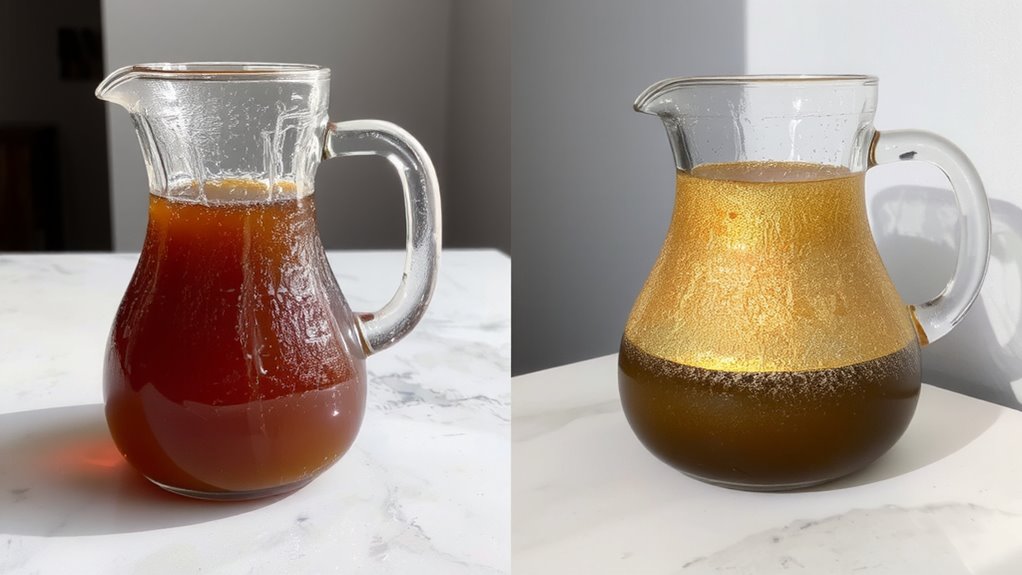
Ever wonder why your cold brew tastes flat after a few days? It’s due to oxidation, a form of chemical changes that happens when coffee compounds react with oxygen. Once your brew is exposed to air-after straining or pouring-flavor degradation begins. Oxygen breaks down delicate aromatic oils and alters phenolic compounds, leading to duller, less vibrant notes. Light and warmth speed this process, so storing your cold brew in a sealed, opaque container in the fridge helps slow oxidation. Stainless steel pitchers or amber glass bottles are better than open mason jars. While cold brew is more stable than hot coffee, it still degrades over time. You won’t get harmful byproducts, but the taste shifts noticeably beyond 48 hours. For best results, consume within two days. Airtight storage won’t stop chemical changes completely, but it limits exposure, preserving sweetness and clarity longer than loose setups.
How Long Does Cold Brew Stay Fresh After Straining?
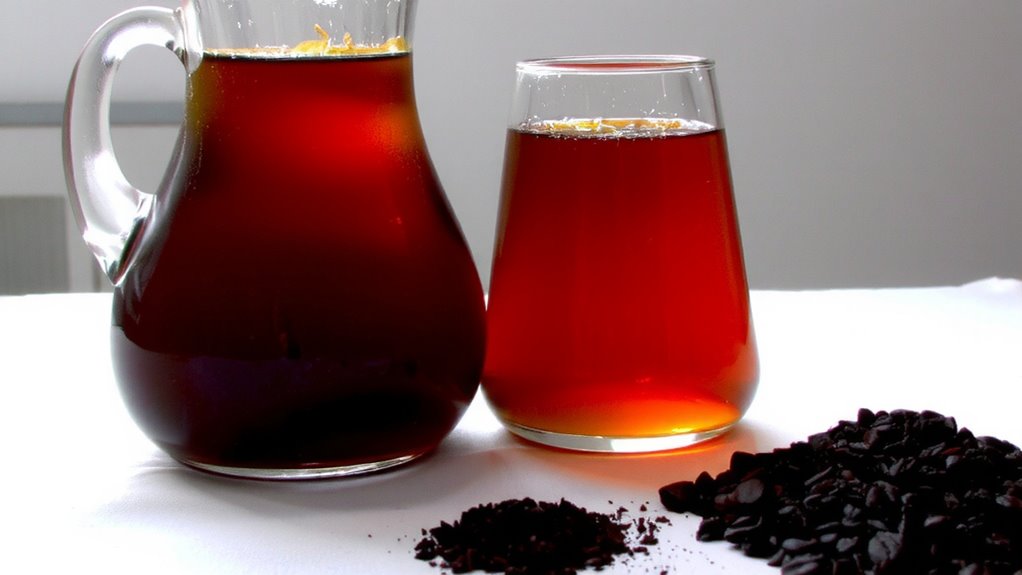
Cold brew starts losing freshness the moment it’s strained, and how quickly it degrades depends on storage conditions. Exposure to light exposure and frequent temperature fluctuations accelerates spoilage, dulling flavors within days. To maximize shelf life, store your cold brew in an airtight container in the fridge, away from the door to minimize temperature swings. Using a high-quality cold brew coffee maker can improve both flavor and consistency, setting the foundation for a fresher final product.
| Storage Method | Max Freshness Duration |
|---|---|
| Room temperature | 24 hours |
| Fridge, clear bottle | 3 days |
| Fridge, opaque bottle | 7 days |
| Fridge, mason jar | 5 days |
| Vacuum-sealed | 10 days |
Avoid transparent containers if your fridge has high light exposure. While some methods extend life slightly, flavor peaks within the first few days. Plan batches accordingly for best results.
Why Freshly Strained Cold Brew Tastes Better
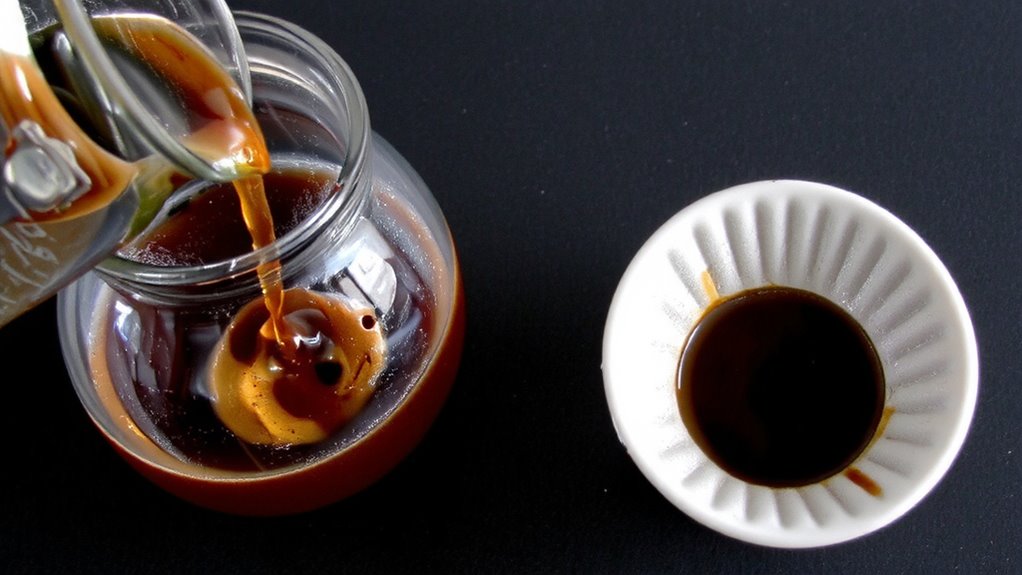
Because oxidation begins the moment coffee comes into contact with air, your cold brew starts changing chemically right after straining, and those fresh-off-the-batch flavors you enjoy begin fading fast. When you drink it immediately, you get peak flavor intensity and ideal aroma preservation-two qualities that degrade quickly over time. Freshly strained cold brew delivers bright, nuanced notes because volatile compounds responsible for scent and taste haven’t yet broken down. Using airtight glass containers helps slow oxidation, but it can’t stop it completely. For best results, strain and serve immediately or store for no more than 24 hours. Even refrigeration only delays flavor loss, not prevents it. If you want the truest taste of your beans, batch size matters-brew what you’ll drink fast. Flavor intensity and aroma preservation aren’t just subtle upgrades-they’re marks of freshness you can actually taste. A well-designed at-home cold brew maker can streamline the brewing and straining process to preserve these qualities more effectively.
How Oxidation Breaks Down Cold Brew’s Flavor
Oxygen starts altering your cold brew the moment it’s exposed to air, and those vibrant flavor compounds begin breaking down through oxidation. You’ll notice this as flavor degradation, where the bright, nuanced notes-like citrus or chocolate-fade fast. Aroma loss follows, dulling the rich scent that makes cold brew so inviting. These changes happen because oxygen reacts with oils and volatile compounds, especially in light or warm conditions. Even in the fridge, these reactions continue, just slower. Within a few days, your brew may taste flat or stale. Glass containers help slow oxidation compared to plastic, but they won’t stop it. The key is minimizing air contact and time. Flavor degradation isn’t just perception-it’s chemistry. You can’t prevent it entirely, but understanding it helps you prioritize fresh, small batches for the best taste. Using high-quality commercial cold brew coffee makers can improve consistency and extraction, preserving more of the delicate flavors sensitive to oxidation.
Best Storage Tips to Delay Oxidation
While you can’t stop oxidation completely, you can slow it down with smart storage choices. Minimize air exposure by transferring your cold brew to an airtight container, like a glass mason jar with a sealed lid or a stainless steel bottle designed for liquids. The less headspace, the better-fill it nearly to the top. Also, protect it from light exposure, which accelerates degradation. Store it in a dark cupboard or use opaque or amber-colored bottles that block UV rays. Avoid clear containers on open shelves. A refrigerator set at or below 40°F (4°C) further slows chemical reactions. Don’t leave your cold brew sitting out after brewing. Use it within 3–5 days for peak flavor, even with ideal conditions. Simple, consistent storage makes a real difference.
Why Smaller Batches Keep Cold Brew Fresher Longer
If you’re aiming to keep your cold brew tasting fresh, brewing smaller batches is one of the most effective steps you can take. Smaller batch size means less exposure to oxygen over time, slowing oxidation and improving flavor retention. Once cold brew is strained, it begins degrading-even in the fridge. The longer it sits, the flatter it tastes.
| Batch Size | Flavor Retention (Days) |
|---|---|
| 1–2 cups | 7–10 |
| 4 cups | 5–7 |
| 8 cups | 3–5 |
| 12+ cups | 2–4 |
You’ll notice a sharper, smoother taste with smaller batches consumed within a week. Larger volumes may seem convenient, but they rarely stay fresh long enough to justify the savings. For best results, brew what you’ll drink in 5–7 days. Use airtight glass or stainless steel containers and keep them cold. Practicality wins over volume when freshness matters.
On a final note
You’ll get the best flavor if you drink cold brew within 24 hours of straining. Oxidation starts degrading its taste soon after, dulling bright notes and mellowing sweetness. Store it in a sealed container in the fridge to slow the process, but avoid keeping it longer than 4–5 days. For lasting freshness, make smaller batches every few days instead of one large one. Glass jars or airtight carafes work better than open pitchers.