Cold Brew and Caffeine Content: How Steeping Time Affects Strength
You get most of your caffeine in the first 18–24 hours of steeping-after that, there’s no real boost. Going longer won’t make it stronger, just more bitter. A coarse grind and proper coffee-to-water ratio help extract caffeine efficiently without overdoing it. Cold brew is usually less caffeinated than hot coffee unless it’s a concentrate. For higher caffeine, adjust your dose or grind size instead of steeping longer. Time your brew right, and you’ll see how small changes add up.
Notable Insights
- Caffeine extraction in cold brew peaks between 18–24 hours, with little gain beyond that time.
- Steeping longer than 24 hours increases bitterness without boosting caffeine content significantly.
- Under-steeping below 18 hours results in weaker flavor and lower caffeine extraction.
- Grind size and coffee-to-water ratio heavily influence caffeine levels more than extended steeping.
- Cold brew generally has less caffeine per ounce than hot brew, unless made as a concentrate.
How Steep Time Affects Cold Brew Caffeine
While you might assume longer steeping always means stronger caffeine, the reality with cold brew is a bit more nuanced. Steep time does influence extraction, but only up to a point. Most caffeine is pulled within the first few hours, so extending beyond that won’t markedly boost potency. Instead, overly long steeps can over-extract bitter compounds, harming flavor profiles. This ties into common brewing myths-like equating dark, intense taste with higher caffeine-when strength and stimulation aren’t the same. For balanced results, aim for clarity and control. Use coarsely ground beans like those from a Baratza Encore grinder and filtered water. Steep between 12–18 hours at room temperature or in the fridge. Shorter times yield smoother, brighter concentrates; longer soaks add depth but risk harshness. Practical tweaks let you align your brew with taste and desired effects-no exaggeration needed. A well-chosen cold brew coffee maker can simplify this process and improve consistency across batches.
The 18–24 Hour Sweet Spot for Maximum Caffeine
You’ll get the most caffeine from your cold brew when you steep it for 18 to 24 hours, hitting the ideal window for full extraction without tipping into bitterness. Steeping less than 18 hours under-extracts, leaving behind caffeine and yielding a weak flavor profile. Beyond 24 hours, you risk over-extraction, which increases bitterness without adding more caffeine. Your brewing equipment matters-use a coarse grind and a jar or dedicated cold brew maker to guarantee even saturation. French presses work well too, but strain thoroughly to avoid sludge. Consistent water temperature (room temp or slightly cooler) helps maintain extraction balance. This time range suits most setups, whether you’re using a simple DIY system or commercial gear. The result is a smooth, strong concentrate with balanced notes and maximum caffeine. Stick to this range for reliable results every time. For those scaling up, investing in a commercial cold brew coffee maker can streamline production while maintaining consistent extraction.
Why Extra Steeping Won’t Increase Caffeine
Even if you let your cold brew steep longer than 24 hours, you won’t pull more caffeine from the grounds-most of it’s already been extracted by that point. You hit the caffeine solubility limits early in the steep, and after about 18–24 hours, extraction plateau effects take over. That means the coffee grounds release caffeine quickly at first, then slow dramatically. Extending time won’t force more out; the water simply can’t hold or pull substantially more caffeine. You’re not gaining strength-you’re just increasing bitterness and sediment. Cold water extraction is slow, but efficient within its window. If you want stronger cold brew, don’t over-steep. Instead, adjust your brew method later. Relying on longer steeping leads to muddy flavor and wasted time. Stick to the 24-hour max for best results-clean taste, ideal caffeine, and consistent outcomes every time. For even better results, consider using a high-quality at-home cold brew maker designed to optimize extraction and minimize sediment.
How Grind and Dose Impact Caffeine Extraction
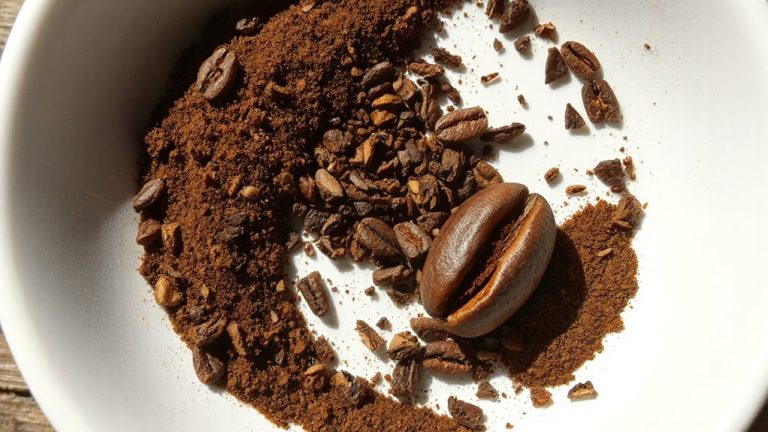
A finer grind and higher coffee dose directly increase caffeine extraction in cold brew, but each comes with trade-offs you need to contemplate. Smaller grind size exposes more surface area, boosting extraction efficiency, but too fine can cause over-extraction or clogging, especially with immersion methods. A coarse grind prevents sediment but may under-extract if steeped too short. Increasing dose (coffee-to-water ratio) raises caffeine yield, yet demands more coffee and can intensify bitterness.
| Factor | Effect on Caffeine Extraction |
|---|---|
| Finer grind | Increases extraction efficiency, higher caffeine |
| Coarser grind | Slower extraction, cleaner brew |
| Higher dose | More caffeine, stronger brew |
Balance grind size and dose based on your setup and taste. Use a burr grinder for consistency.
Cold Brew vs. Hot Brew: Caffeine Differences
Cold brew typically has less caffeine than hot brew when comparing standard servings, but the difference depends heavily on how you prepare it. Brew temperature plays a big role-hot water increases extraction efficiency, pulling more caffeine quickly from coffee grounds. That’s why a typical 8-ounce hot brew can deliver 70–140 mg of caffeine, while the same serving of cold brew might have 30–80 mg. Cold brew relies on time instead of heat, steeping for 12–24 hours at room or fridge temperature. This slower process extracts less caffeine overall and results in a smoother, less bitter cup. However, some cold brew concentrates use more coffee, which can reverse the trend and pack a stronger punch. Always check your coffee-to-water ratio and steep time, as these can outweigh the effects of brew temperature. The method you choose should match your taste and caffeine needs.
Adjust Time and Grind to Control Your Caffeine Hit
Since extraction depends on surface area and contact time, tweaking your grind size and steep duration gives you direct control over how much caffeine ends up in your cup. Use a finer grind to increase surface exposure-this speeds up extraction, so steep for 12–16 hours. Go coarse if you prefer milder strength or steep longer (up to 24 hours) without over-extracting. Cold brew typically uses room-temp or cold water, so brew temperature stays low, slowing extraction versus hot brew. That’s why time matters more here. Always use filtered water-water quality affects flavor clarity and extraction efficiency. Chlorine or minerals in tap water can hinder caffeine solubility and add off-tastes. A 1:4 coffee-to-water ratio works well for concentrates. Stir grounds before steeping to guarantee even saturation. With consistent variables, you can fine-tune your caffeine hit reliably batch after batch.
On a final note
You get the most caffeine from cold brew steeped 18–24 hours; longer won’t help. Use a medium-coarse grind like Baratza Encore’s setting 15 for balanced extraction. A higher coffee-to-water ratio, say 1:4, boosts strength. Remember, cold brew isn’t inherently stronger than hot-steeping time and grind matter more. Adjust these, not just time, to control your caffeine efficiently and avoid waste.