Cold Brew With Decaf Beans: Adjusting Time and Grind for Optimal Results
Use a coarse grind to prevent bitterness-decaf beans extract slower, so aim for 18–24 hours in cold, filtered water. Grind fresh with a burr grinder like the Baratza Encore for consistency. Choose Swiss Water or Sugar Cane EA decaf for cleaner flavor. Steep in a sealed mason jar or French press in the fridge. Avoid weak or off flavors by using fresh beans and proper ratios. You’ll get a smoother, richer result-and there’s more to fine-tune for your setup.
Notable Insights
- Use a coarse grind to prevent over-extraction, especially since decaf beans often require coarser settings due to lower density.
- Steep decaf grounds for 18–24 hours in cold, filtered water at 35°F–40°F for optimal flavor and minimal bitterness.
- Grind beans immediately before steeping with a burr grinder to ensure consistent particle size and fresh extraction.
- Choose high-quality decaf beans processed via Swiss Water or Sugar Cane EA for better flavor clarity and consistency.
- Store cold brew in an airtight container in the refrigerator for up to 10 days to maintain freshness and prevent oxidation.
Choose the Right Grind for Decaf Cold Brew
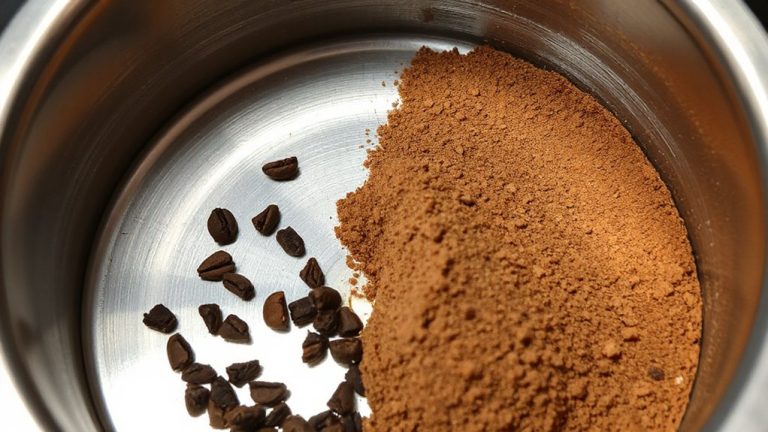
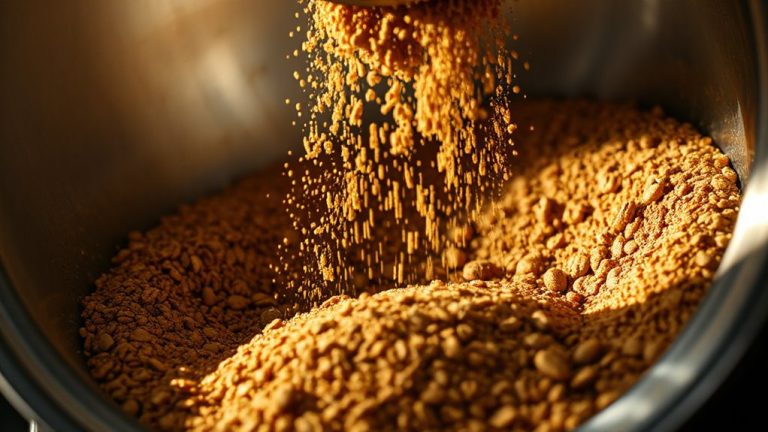
Grind size matters-especially when you’re making cold brew with decaf beans. You’ll want a coarse grind to slow the extraction rate, since cold brew steeps over many hours. If the grind’s too fine, you risk over-extraction-bitter, muddy coffee-even with decaf. A burr grinder gives you consistent results; blade grinders often create uneven particles, which leads to uneven extraction. Go for something like a Baratza Encore set on a coarse setting-it’s reliable and affordable. Coarse also reduces clogging when you filter the grounds later, whether you’re using a French press, cheesecloth, or a dedicated cold brew maker. Decaf beans can behave slightly differently due to processing, so maintaining proper grind size helps guarantee balanced flavor. Too fine, and you’ll pull too much from the decaf beans too slowly, harming clarity and smoothness. Keep it coarse, stay consistent, and you’re setting the foundation for clean, rich cold brew-no guesswork needed. For more tailored recommendations, check out the best grinders for cold brew to find a model that matches your brewing style.
Steep Decaf Beans for 18–24 Hours
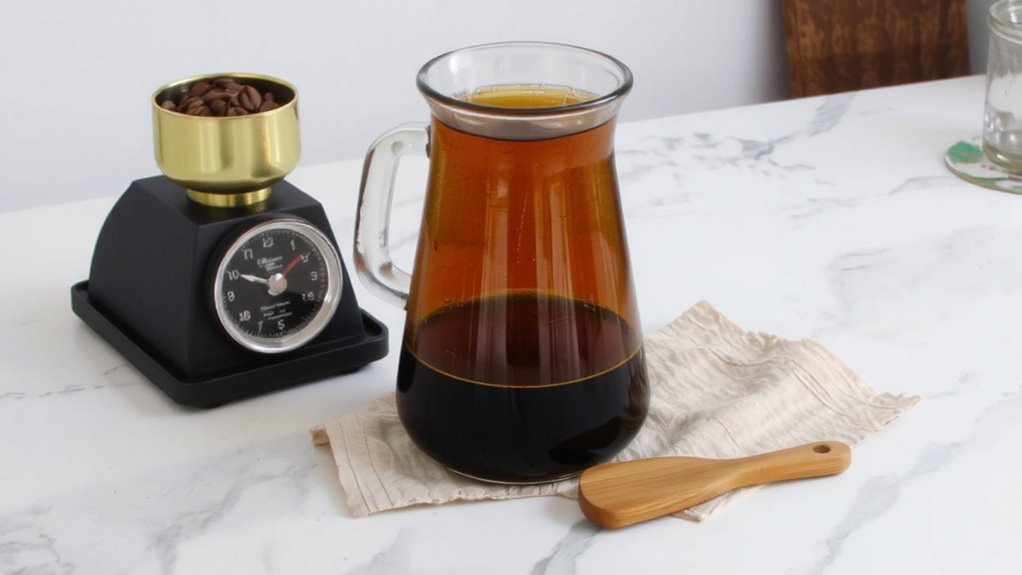
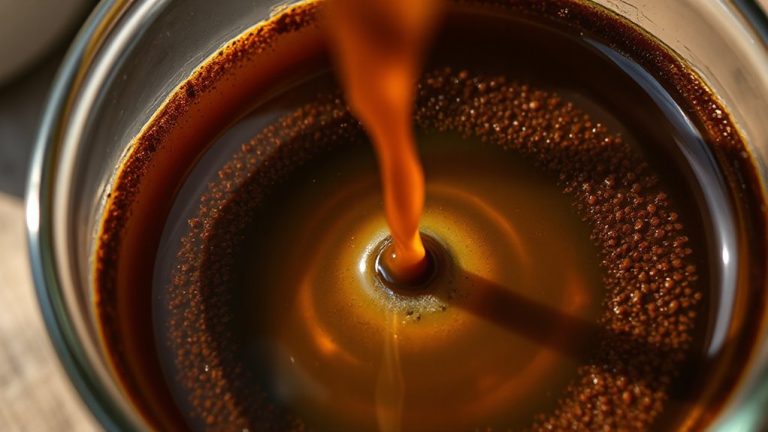
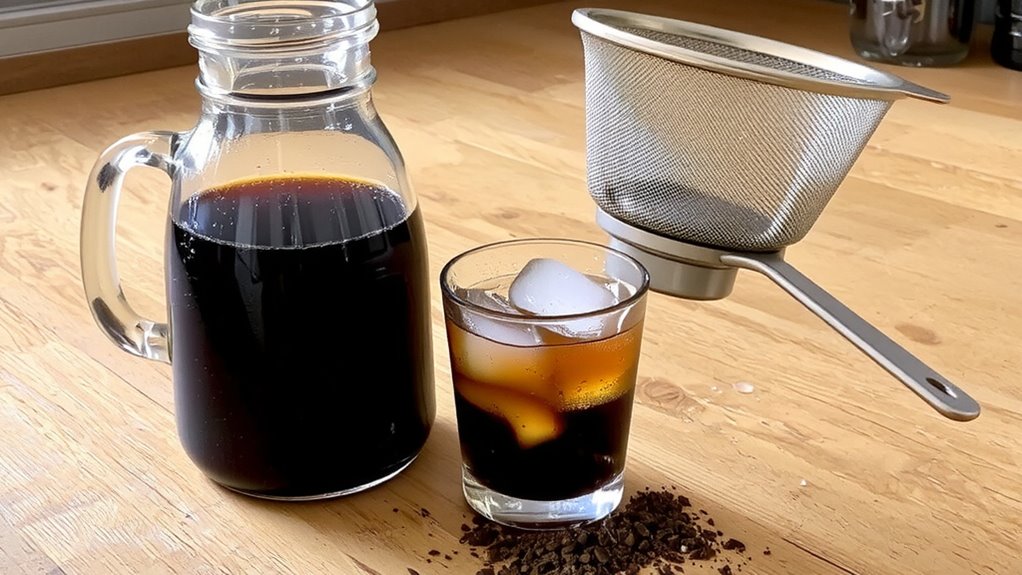
Once you’ve got your coarse-ground decaf beans ready, it’s time to start the steeping process-this is where cold brew really takes shape. Steep the grounds in cold, filtered water for 18 to 24 hours at a stable brew temperature between 35°F and 40°F (2–4°C), ideally in the fridge. This slow extraction minimizes decaf oxidation, which can dull flavor and create flat notes over time. A longer steep brings out more body and sweetness, but exceeding 24 hours risks over-extraction, especially with soluble-packed beans. Use an airtight container like a mason jar or French press to limit air exposure. Room-temperature steeping cuts time to 12–16 hours but increases oxidation risk and may yield a less balanced concentrate. For consistent results, stick to refrigerated steeping. This method gives you control, reduces spoilage chances, and preserves the clean profile decaf demands. A dedicated cold brew coffee maker can further enhance clarity and ease of filtration, especially when crafting large batches.
Pick the Best Decaf Beans for Smooth Flavor
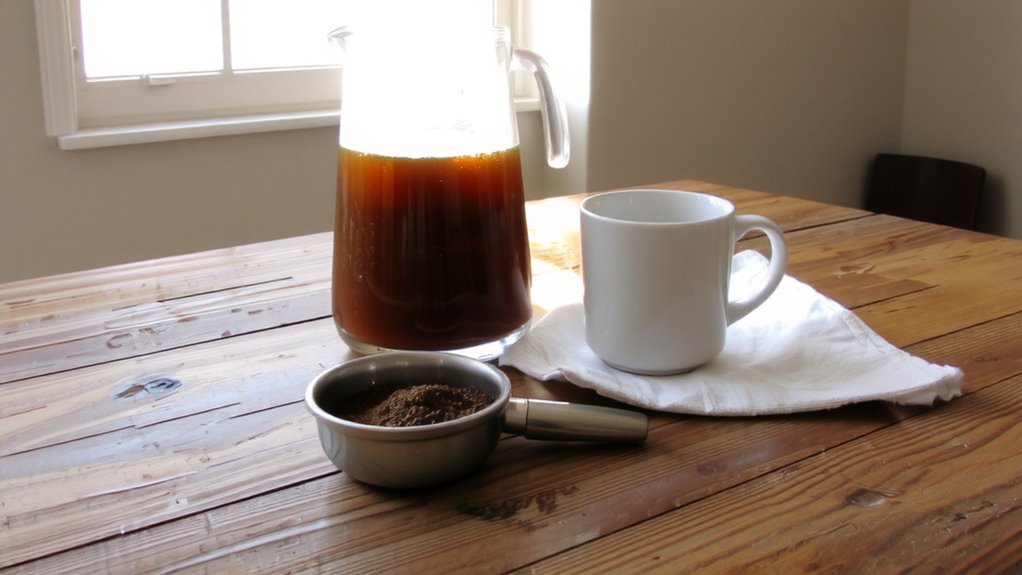
Flavor begins long before brewing-it starts with the bean you choose. Picking decaf beans with a smooth flavor profile makes all the difference. Look for single-origin beans; knowing the bean origin helps you anticipate taste. Latin American beans often bring mild, nutty notes, while African origins tend to be fruitier. Avoid overly dark roasts-they can mute the decaf bean’s natural qualities. Instead, opt for medium roasts to preserve clarity and balance.
| Origin | Flavor Profile | Decaf Method |
|---|---|---|
| Colombia | Chocolate, nutty | Swiss Water |
| Ethiopia | Berry, floral | Sugar Cane EA |
| Guatemala | Cocoa, spice | Swiss Water |
Choose transparent brands like Swiss Water Process or Purover, which highlight origin and processing. This combo guarantees cleaner, more consistent flavor. For those seeking top-quality options, consider trying some of the best coffee picks recommended for their rich flavor and ethical sourcing.
Prevent Bitter or Weak Decaf Cold Brew
Why does your decaf cold brew sometimes taste flat or harsh, even when you use quality beans? It often comes down to water quality and bean freshness. Poor water-high in minerals or chlorine-can distort flavor, making your brew bitter or dull. Always use filtered water for consistent, clean taste. Stale beans lack complexity and extract unevenly, leading to weak or off flavors. Grind right before steeping to preserve freshness. If it’s too weak, your grind may be too coarse or steep time too short; if bitter, the grind might be too fine or time too long. Adjust incrementally. Cold brew is forgiving, but precision matters. Balance time, grind, water quality, and fresh beans to avoid under- or over-extraction. Your ideal cup hinges on these four pillars-don’t overlook any.
Use the Best Equipment for Decaf Cold Brew
Consistency starts with equipment that supports control and simplicity. For decaf cold brew, your brewing vessel and water quality directly impact flavor clarity and balance. A dedicated, non-reactive container-like a glass mason jar or a food-grade plastic pitcher-keeps extraction neutral. Use filtered water to avoid off-flavors from chlorine or minerals. A fine-mesh sieve or a French press helps with easy separation, while a dedicated burr grinder guarantees uniform grounds.
| Equipment | Pros | Considerations |
|---|---|---|
| French Press | Built-in filter, easy use | Limited volume options |
| Mason Jar | Inexpensive, widely available | Requires separate straining |
| Toddy System | Designed for cold brew | Higher cost, bulkier storage |
| OXO Cold Brew | Adjustable brew size | Plastic construction |
Choose what fits your routine-and always start with fresh, cold, clean water.
Serve and Store Decaf Cold Brew Properly
While decaf cold brew is forgiving in storage, how you serve and keep it affects both taste and shelf life. Keep it refrigerated in an airtight container-glass jars or sealed pitchers work well-to slow oxidation and preserve flavor. Stored properly, it maintains quality for up to 7–10 days; beyond that, expect a decline in freshness and a sour edge. Avoid leaving it at room temperature for long-this speeds spoilage and shortens shelf life. When serving, aim for a chilled serving temperature around 40°F (4°C); pour over ice or cold milk for the smoothest experience. If you dilute it, do so just before drinking to avoid weakening the entire batch. Never store brewed cold brew near strong-smelling foods-coffee absorbs odors easily. Serve it fresh, keep it cold, and you’ll get the most from every cup.
Why Decaf Beans Need a Different Brew Method
Even though decaf beans look and smell like their caffeinated counterparts, they actually behave differently during brewing because the decaffeination process alters the bean’s structure. You’ll notice the changes when grinding and steeping-decaf beans often have lower bean density, which means they grind finer even on the same setting. That affects how water moves through them, speeding up or slowing down the extraction rate depending on your method. With cold brew, where time and grind size are critical, this can lead to over-extraction if you don’t adjust. A coarser grind helps slow extraction, preventing bitter, hollow flavors. Since decaf extracts differently, sticking to standard brew times without tweaking your approach usually underwhelms. So you’re better off treating decaf not just as “coffee without caffeine,” but as a distinct ingredient that needs its own cold brew strategy for balanced, smooth results.
On a final note
You’ll get the best decaf cold brew by using a coarse grind and steeping 18–24 hours-just like regular cold brew, but with beans that won’t keep you up. Choose Swiss Water Process decaf for cleaner flavor. Avoid over-steeping to prevent bitterness. Use a mason jar or Toddy system for easy brewing. Store concentrate in the fridge up to two weeks. Cold brew with decaf beans works well when you want smooth, low-acid coffee without caffeine.