Optimizing Grind Retention Reduction Strategies in Single-Dose Coarse Setups
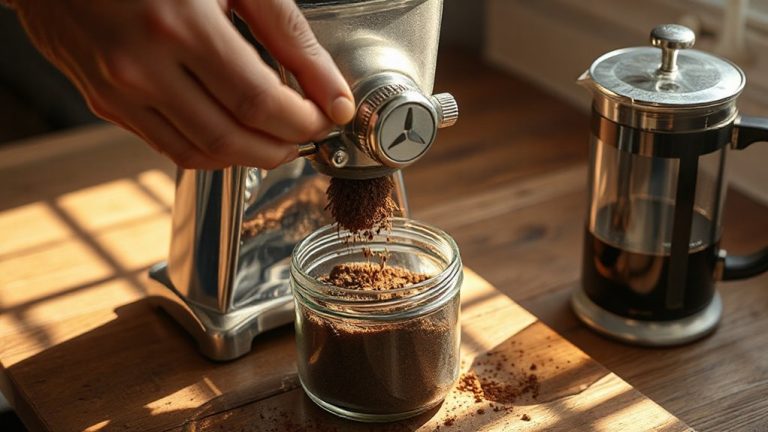
You lose dose accuracy and flavor when old grounds stick in your grinder, especially with coarse setups like French press. Choose low-retention grinders like the Forté or Maxi Doserless Pro-they’re built with smooth pathways and static-reducing materials. Use conical burrs like the Mythos One or flat sets with proper alignment to minimize edge retention. Grind coarser to reduce clinging, especially in dry conditions. Fight static by wiping the chute with a dryer sheet or using a Zero Static device. Transfer grounds immediately after grinding-delaying causes more clumping and loss. Weigh every dose with a 0.1-gram scale for precision. Clean the grinder weekly with a stiff brush to clear buildup and maintain performance. The right routine keeps flavors fresh and doses consistent-small tweaks make a clear difference if you use single dosing regularly.
Notable Insights
- Use grinders with low-retention designs like Forté or Maxi Doserless Pro to minimize leftover grounds in coarse setups.
- Opt for conical burrs such as those in the Mythos One, which reduce retention through consistent grinding and shape.
- Grind coarser with precise burr alignment to decrease static cling and prevent grounds from sticking in crevices.
- Apply anti-static methods like dryer sheets or Zero Static devices to improve ground dispersion and reduce clumping.
- Dose immediately after grinding and clean regularly with a stiff brush to maintain accuracy and minimize retention buildup.
How Grind Retention Ruins Dose Accuracy and Flavor
Grind retention-the leftover coffee grounds stuck in the grinder after dosing-might seem minor, but it directly impacts your brew. When old grounds linger, they mix with fresh ones, causing grind inconsistency and skewing your dose. That means some shots pull longer or shorter than intended, hurting shot-to-shot reliability. Worse, retained grounds stale fast, introducing off-notes and accelerating flavor degradation. You’re not just losing coffee-you’re compromising quality. This is especially noticeable in coarse setups like for batch brew or French press, where grinders struggle to fully clear chambers. Even a few grams of retention can warp your extraction, dulling brightness and muddying sweetness. If you’re chasing accuracy or dialing in single-dose brews, retained grounds sabotage both precision and taste. The result? Inconsistent brews, even with perfect technique. Fixing retention isn’t about perfection-it’s about control.
Pick a Grinder Built to Minimize Retention
You’ll want to start with a grinder designed to keep retention low, especially if you’re using coarse settings for methods like batch brew or French press. Grinders like the Forté or the Maxi Doserless Pro are built with this in mind. Their blade design reduces pockets where grounds can get trapped, and their material composition-often using hard plastics or specific metals-discourages static and clinging. Look for models with smooth internal pathways and minimal crevices. Metal burrs with low-static coatings help too, but housing shape matters just as much. Avoid grinders with large bean hoppers or complex chutes; they tend to hold more residual coffee. Instead, pick ones with direct drop or short exit paths. These features add up, especially when running single doses. Even small improvements in blade design and material composition can cut retention by grams-critical when every bit counts. A key factor in minimizing waste is choosing from the top recommended grinders based on performance and design.
Grind Coarser With the Right Burrs to Reduce Sticking
A fair number of grinders struggle with grounds sticking when set too fine, especially with humid beans or low-static setups. You’ll see this happen more with flat burrs that lack precise burr alignment, causing uneven retention around the edges. To reduce sticking, grind coarser-especially if you’re using a quality grinder like a Niche Zero or DF64, where particle uniformity stays high even at wider settings. These burrs maintain consistency without sacrificing brew quality, so you don’t waste coffee. Look for grinders with adjustable burr alignment to fine-tune contact and minimize gaps where grounds get trapped. While conicals like the Mythos One resist sticking better due to their shape and consistent particle uniformity, proper maintenance still matters. You’ll get better flow, less retention, and more repeatable results when you match the grind setting to your burr type-not just force it finer. For more insights on selecting the best equipment, check out our Best Mill Grinders buying guide.
Stop Static Clumping With Simple Anti-Static Fixes
Even with the right grind setting and well-aligned burrs, you might still find clumps of coffee flying out of the portafilter or sticking to the grinder chute-especially in dry environments. Static buildup disrupts ground dispersion and worsens particle separation, leading to uneven shots and retention. The good news? Simple anti-static fixes help. Try wiping the grinder chute with a dryer sheet-it reduces static fast and costs next to nothing. Some users tape a small piece inside the bin for ongoing effect. Ground dispersion improves noticeably, with beans breaking apart cleanly instead of clumping. A light mist of water on grounds works, but too much harms extraction. For a durable solution, devices like the Grounded af5 or Zero Static add moisture control without mess. They’re pricier but cut clumping long-term. These fixes won’t replace proper setup, but they make a real difference in dry climates or low-humidity spaces where static hits hardest.
Dose Immediately to Prevent Grounds From Sticking
Once grounds sit exposed in the grinder chute or bin, especially in dry conditions, they’re more likely to stick due to static buildup and moisture loss. That’s why dose timing matters-delaying transfer increases retention as grounds cling to surfaces. You’ll lose more coffee the longer you wait, especially with coarse grinds that generate more static. For minimal waste, use immediate transfer: dose straight into your portafilter or container right after grinding. This reduces exposure and limits static cling. Models like the DF64 or Lagom P66 make this easier with quick-release mechanisms and low-retention chutes. While batch grinding might seem convenient, it worsens retention without immediate transfer. Adjusting dose timing takes little effort but improves consistency. If you’re using a grinder with a wide chute or plastic components, immediate transfer becomes even more critical. Stick to this habit, and you’ll keep more grounds where they belong-at the puck, not stuck in the path.
Use Scales and Tools for Exact Single Doses
That extra gram can make a difference, so weighing each dose is the most reliable way to stay consistent. For precision dosing, a quality digital scale with 0.1-gram accuracy-like the Acaia Pearl or Scale Bean Mini-is essential. These tools help you hit the exact weight every time, reducing guesswork and waste. Don’t forget tool calibration: regularly check your scale with a certified weight to guarantee readings stay accurate. An uncalibrated scale drifts, leading to inconsistent shots even if your technique is perfect. Pair the scale with a dosing funnel or collar to catch overflow, especially with portafilters that lack built-in ridges. While some rely on volumetric grinders, they’re prone to variation due to bean density and roast changes. Scales give you real-time feedback, letting you adapt fast. When every gram counts, precision dosing backed by proper tool calibration isn’t just helpful-it’s necessary for repeatable results. For a full overview of top-performing models and features to consider, check out the best coffee scales buying guide.
Clean Your Grinder to Prevent Old Grounds Buildup
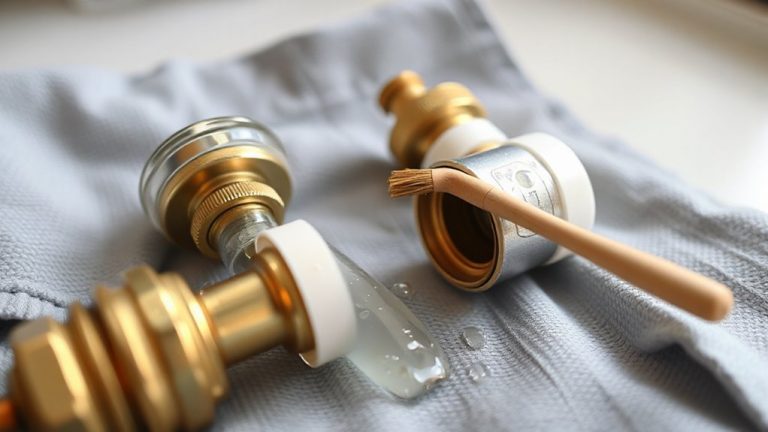
You’ve weighed your dose and know exactly how much coffee you’re using, but if your grinder hasn’t been cleaned recently, that precision can go to waste. Old grounds trapped in the burrs or chamber can mix with your fresh dose, skewing flavor and consistency. For coarse setups, where retention is already a concern, this contamination amplifies off-notes and uneven extraction. Regular brush maintenance clears residual particles, especially in hard-to-reach spots around the burr carrier. Use a stiff nylon brush weekly-or after every few uses-to dislodge buildup without damaging surfaces. Beyond cleanliness, this practice supports airflow optimization, helping expelled chaff and fines exit efficiently. Poor airflow dulls grind sharpness and increases static, worsening retention. Grinders like the Niche Zero or Eureka Mignon Silenzio benefit greatly from this upkeep, maintaining performance over time. A clean grinder isn’t just about hygiene-it’s core to accurate dosing and repeatable results. Stay consistent: brush, inspect, and verify.
On a final note
You’ll get better shot consistency by cutting grind retention. Pick a grinder like the DF64 or Niche Zero-they’re built low-retention. Go coarser when possible; it reduces clogging, especially with flat burrs. Use anti-static mods like the Kruve Shaker or a carbon brush to stop grounds from clinging. Dose right after grinding, and weigh every time with a fast-response scale. Clean your grinder monthly to avoid old buildup. Small steps make a real difference.