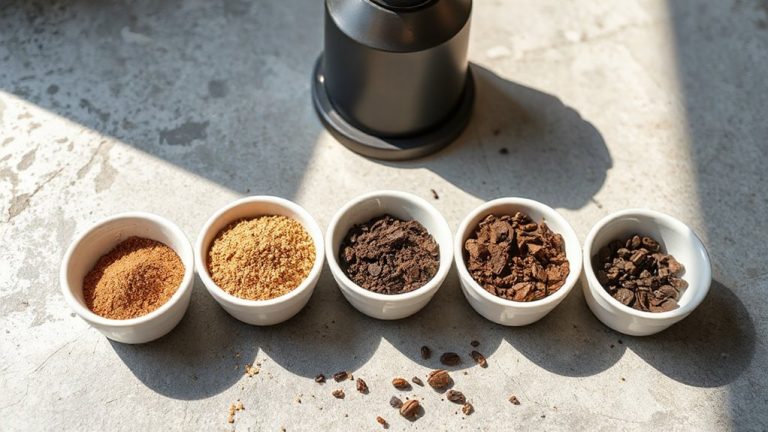
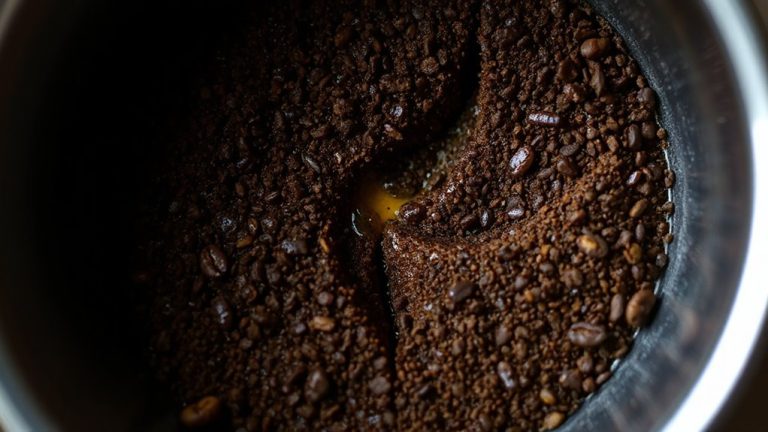
Exploring Historical Evolution of Moka Pot Grind Expectations Since 1945
You’ve probably been using a coarse grind since mid-century habits favored pre-ground coffee and blade grinders, but moka pots evolved. Built-in grinders in the 1980s helped, though they often ran too coarse. As espresso culture grew, so did demand for finer, more consistent grinds. Burr grinders like the Baratza Encore made medium-fine, even extraction achievable. Now, TikTok and Reddit communities standardize results around a table salt–like grind. You’ll see how small tweaks changed everything.
Notable Insights
- Early moka pot use (1945–1960s) relied on hand-crank grinders producing medium-fine coffee, similar to table salt, for basic extraction.
- Aluminum moka pots dominated initially, but uneven heat distribution affected brewing, influencing tolerance for varied grind sizes.
- The 1980s saw built-in grinders in machines, introducing better grind consistency, though factory settings were often too coarse.
- Rising espresso culture shifted expectations, prompting users to adopt finer grinds for richer, more concentrated moka pot coffee.
- Online communities like Reddit and TikTok standardized medium-fine grinds, advocating burr grinders for precision and repeatability.
Post-War Tech and the First Moka Pot Grinds
While espresso machines were still a luxury few could afford after World War II, the Moka pot quickly became a staple in home kitchens, thanks to its simple design and reliable performance. You relied on basic stove-top pressure, not complex machinery, to brew strong, espresso-like coffee. Early models, often made with aluminum, wore down over time, but stainless steel durability soon improved longevity and heat distribution in later versions. You likely used a hand-crank grinder, shaping early user habits centered on consistency and routine. Coffee was ground to medium-fine, but not as fine as modern standards, since clogging was a common issue. You learned fast that tamping wasn’t needed and overfilling the basket caused uneven extraction. Moka pots demanded attention to water level, heat control, and grind size-practical details that shaped daily rituals. These habits laid the foundation for today’s home brewing methods. For those seeking convenience without sacrificing quality, pre-ground coffee for moka pots became an increasingly popular option as commercial roasters began tailoring grinds specifically for this iconic brewer.
How Built-In Grinders Affected Moka Grind Quality
Because consistency matters most when brewing with a Moka pot, built-in grinders started changing how evenly your coffee extracts. Older setups required a separate grinder, often leading to mismatched grind sizes and poor results. With built-in grinders, especially from the 1980s onward, you got more control right in the machine. Brands like De’Longhi and Gaggia added basic conical burr grinders that improved grind consistency, though not perfectly. You still have to watch grinder calibration-many default too coarse, which under-extracts your coffee. A poorly calibrated unit creates uneven particles, leading to bitter and weak spots in your cup. While convenient, built-in grinders usually can’t match high-end standalone models. Still, they reduced guesswork for average users. For best results, tweak the setting toward finer, check output regularly, and clean the burrs. It’s not ideal, but it’s a step up from blade grinders or pre-ground.
Why Coffee Drinkers Started Demanding Finer Moka Grinds
When moka pot users began tasting the difference a finer grind made, they quickly realized it wasn’t just about strength-it was about extraction. You started wanting more from your brew, especially as espresso influence spread through cafes and home kitchens. That rich, concentrated shot wasn’t just stylish-it set a new standard for flavor extraction. With a finer grind, water spends more time interacting with coffee, pulling out deeper notes and balancing bitterness. Too coarse, and your coffee tastes weak or tea-like; too fine, and it risks clogging or over-extracting. But just right? You get a bolder, more aromatic cup that mirrors espresso’s complexity without needing an expensive machine. This shift didn’t happen overnight, but as palates evolved and exposure to specialty coffee grew, so did demand for finer, more precise grinds tailored to maximize what the moka pot could realistically achieve.
How Burr Grinders Enabled Better Moka Pot Coffee
Precision is the name of the game, and burr grinders brought it to the moka pot. Before they became common, blade grinders made uneven particles, leading to clogged filters or weak coffee. With a burr grinder, you get reliable grind consistency-every batch has uniform size, so water flows evenly through the coffee. That means stronger, cleaner flavor without the bitterness. You’re in control: adjusting the setting lets you fine-tune results without guesswork. Plus, burr durability matters-metal burrs last years, even with daily use, while cheaper models wear down and lose accuracy. Brands like Baratza Encore or 1Zpresso Q2 offer solid performance under $200. Sure, they cost more upfront than blade grinders, but the payoff in taste and longevity is clear. For moka pot use, durability and consistency aren’t luxuries-they’re essentials. With the right burr grinder, your coffee just got a serious upgrade. The shift toward best coffee grinders has also elevated expectations for espresso and pour-over quality.
When Moka Pots Got an Espresso Makeover
While they weren’t designed to replicate espresso, moka pots started getting treated like espresso machines once home baristas realized a finer grind and tamp could boost pressure and concentration. You’re not making true espresso, but that extra resistance helps improve pressure extraction, bringing you closer to that rich, intense shot. A finer, consistent grind-think slightly coarser than espresso but tighter than traditional moka settings-lets you build more pressure safely. Some even saw a hint of espresso crema, though it’s thinner and fleeting compared to machine-made crema. Aluminum models like the Bialetti Classic handle this better with care, but avoid over-tamping or you’ll risk pressure buildup. It’s not foolproof: too fine and you clog the filter, too much pressure and you strain the pot. Still, with the right grind size and light tamp, you can noticeably deepen body and flavor, making your moka pot work harder without new gear. For best results, using best coffee for espresso can enhance the richness and complexity of your moka pot brew.
How TikTok and Reddit Upgraded Moka Grind Standards
You’ve probably seen those videos where someone measures grind size with a ruler or tamp force with a digital scale-thanks to TikTok and Reddit, moka pot prep isn’t just following the old rules anymore. TikTok trends have pushed finer, more consistent grinds, often using conical burr grinders like the Baratza Encore. Users swear it reduces bitterness and improves crema. Reddit reviews back this up, with r/MokaPot threads filled with side-by-side comparisons of grind settings and brew times. Many now treat the moka pot like a mini espresso machine, insisting on precision over guesswork. Others caution that too fine a grind risks clogging or over-extraction, especially with cheaper blade grinders. Still, the consensus leans toward medium-fine, similar to table salt. These online communities have made experimentation accessible, pushing home brewers to upgrade gear and technique-without needing a $500 machine.
What Experts Now Say About Moka Grind Size
You might be surprised to learn that most coffee experts now recommend a medium-fine grind for moka pots-about the texture of table salt-as it strikes the best balance between extraction and pressure. Too fine, and you risk clogging and over-extraction; too coarse, and your brew’ll taste weak. Grind consistency is essential-uneven particles lead to uneven extraction, so a burr grinder is preferred over blade models. A uniform particle distribution guarantees water passes evenly through the coffee, improving flavor. While some still use finer or coarser settings based on personal taste, the medium-fine standard works reliably across most moka pot sizes and stovetops. You’ll get richer, cleaner coffee with fewer bitter or sour notes. Just avoid espresso-fine grinds-they’re too dense and restrict flow. Stick with consistency, dial in your grind, and adjust slightly based on your machine and beans.
On a final note
You now know moka pot grind expectations have shifted from coarse to finer, near-espresso sizes since 1945. Early blade grinders limited quality; burr grinders changed the game. Modern users, influenced by TikTok and Reddit, prioritize consistency. Experts like James Hoffmann recommend fine to medium-fine grinds for fuller flavor without gushing. Use a quality burr grinder, like the Baratza Encore, and adjust based on your pot’s performance.