Dissecting “Espresso Roast” Myths Through Independent Fine Grind Trials
You don’t need a special “espresso roast” to make great espresso-any bean works if you adjust the grind, dose, and temperature. Dark roasts extract easier due to lower density, while light roasts preserve origin flavors but need finer grinds and higher heat. Freshness within 3–21 days post-roast is critical. Your grinder’s consistency matters more than the roast label. Machine stability and proper tuning make the real difference. The right setup reveals what your beans can truly do.
Notable Insights
- “Espresso roast” is a marketing term; any bean can be used for espresso with proper roast and brew settings.
- Dark roasts extract more easily due to lower density, reducing channeling risks during fine grind trials.
- Light roasts preserve origin flavors but require finer grinds and precise temperature control for proper extraction.
- Grind consistency and freshness are more critical than roast level for achieving balanced espresso shots.
- No universal roast suits all machines; dialing in requires adjusting grind, dose, and temperature per bean and roast.
What “Espresso Roast” Really Means: And Why It’s Misunderstood
Roast level-not bean type-defines what makes an “espresso roast.” You’ll often hear people say certain beans are “for espresso,” but that’s marketing talk. In reality, any coffee bean can work for espresso if roasted and brewed correctly. The key is the roast profile: darker roasts are traditionally used because they reduce acidity and increase body, which many associate with classic espresso taste. However, light-roast espresso is common in specialty cafes using beans labeled for filter. This causes confusion, as roast labeling rarely follows a standard. One brand’s “espresso roast” might be another’s medium-dark. That inconsistency fuels marketing confusion, leading consumers to believe they need specific beans when they often just need the right roast. Check roast dates and notes, not just labels. Choose based on how the coffee tastes when pulled as espresso, not the bag’s claim. Exploring top picks for espresso can help guide your selection based on expert tastings and performance.
How Roast Level Impacts Espresso Extraction in Fine Grind Trials
You’ve probably noticed how often espresso recipes call for dark-roasted beans, but that preference isn’t just tradition-it directly affects how your coffee extracts when finely ground. Darker roasts have lower bean density, so they’re easier to extract quickly under high pressure. That’s why they work well in fine grind trials: they allow more even water flow and resist channeling. Lighter roasts are denser, requiring higher water temperature or longer time to extract fully, which can be tricky in fast espresso shots. If you’re using a dense, light roast, you’ll likely need to adjust your grinder finer and increase water temperature to avoid under-extraction. Medium roasts strike a balance, offering moderate bean density and more flexibility across machines. Your machine’s temperature stability and grind consistency play a big role-especially when pushing finer settings. Matching roast level to your equipment setup helps you hit target extraction without guesswork. For those exploring optimal flavor profiles, choosing the right beans is just as crucial as grind and temperature, and top-quality picks can make a noticeable difference in shot consistency and taste-consider trying some of the best espresso beans recommended by experts.
Dark vs. Medium vs. Light: Which Roast Tastes Best in Espresso?
What makes one roast level taste better than another in espresso? It boils down to flavor profile and how brewing temperature interacts with the beans. Dark roasts offer bold, smoky notes but can mute origin characteristics. Medium roasts balance sweetness and acidity, often yielding a rounder shot. Light roasts preserve more origin traits, though they risk under-extraction if not tuned correctly. Your machine and technique influence results-higher brewing temperature may help light roasts but scorch dark ones. For those exploring top-performing beans, best coffee beans for espresso can make a significant difference in shot quality and flavor consistency.
| Roast Level | Flavor Profile | Best Brewing Temperature |
|---|---|---|
| Light | Bright, floral, citrusy | 90–94°C (194–201°F) |
| Medium | Balanced, nutty, chocolate | 88–92°C (190–198°F) |
| Dark | Bold, smoky, bitter-sweet | 86–90°C (187–194°F) |
Choose based on your taste and gear limits.
Grind Size and Freshness: The Hidden Drivers of Espresso Quality
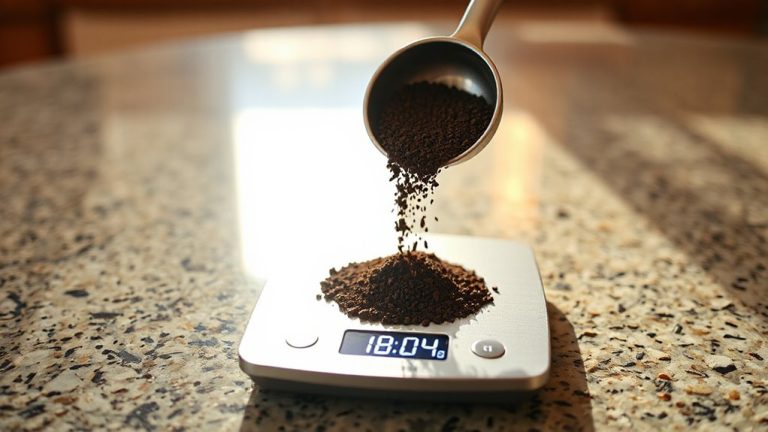
A single shot of espresso can make or break your coffee experience, and two often-overlooked factors-grind size and bean freshness-play a bigger role than most realize. If your grind’s too coarse, you’ll get weak, sour shots; too fine, and it’s bitter and stalled. Dialing in matters, especially with lighter roasts or dense beans from certain bean origin regions like Ethiopia or Kenya. Freshness is just as critical-coffee loses CO2 and flavor fast, so aim to use beans 3–21 days post-roast. Stale beans won’t extract evenly, no matter your water temperature or machine. While gear like the Fiorenzato F64 or Eureka Mignon helps maintain consistency, none of it compensates for old or poorly ground beans. Adjusting grind size daily-and tamping with precision-gives you control. Water temperature stability, especially on PID-controlled machines, supports this, but can’t fix foundational flaws in grind or freshness.
What Actually Makes a Great Espresso Shot
Getting the grind and freshness right sets the stage, but a great espresso shot depends on more than just well-stored beans and a consistent grinder. Your machine’s water temperature plays a key role-most pros use 92–96°C to balance extraction without scorching. Too low, and your shot tastes sour; too high, it burns. Bean origin matters too: dense beans from Ethiopia may need hotter water, while softer Brazilian beans extract faster at slightly lower temps. Dialing in means adjusting grind, dose, and temp together.
| Factor | Why It Matters |
|---|---|
| Water Temperature | Affects extraction rate and flavor balance |
| Bean Origin | Influences ideal temp and grind size |
| Grind Consistency | Guarantees even extraction and stable flow |
You’ll need to tweak settings per bean batch-there’s no universal “perfect” profile.
On a final note
You don’t need a special “espresso roast” to make great espresso. Our fine grind trials show roast level matters less than freshness, grind size, and machine consistency. Medium roasts often balance sweetness and acidity, while dark roasts add body but risk bitterness. Light roasts can work but demand precise timing. A burr grinder like the Baratza Sette improves control. Fresh beans, dialled-in grind, and steady technique beat label gimmicks every time. Focus on process, not packaging.