Diagnosing Sour Espresso: Identifying Under-Extraction and Low Brew Temperature
Your espresso tastes sour because it’s likely under-extracted or brewed too cool. A coarse grind, short shot time (under 25 seconds), or low temperature (below 195°F) leaves out sweetness. Hard or soft water can hurt extraction and machine performance-use filtered or balanced water like Third Wave Water. Check your grind size, dose (18–20g), tamping, and machine heat stability. Fixing these often resolves sourness fast.
Notable Insights
- Sour espresso often results from under-extraction, where acids dissolve but sugars and body do not.
- A coarse grind or short brew time below 25 seconds can cause under-extraction and sour flavors.
- Low brew temperature under 195°F fails to extract sweetness and contributes to sour, thin shots.
- Water that is too soft or unbalanced reduces extraction efficiency and affects flavor development.
- Uneven tamping, incorrect dose, or machine scaling can lead to channeling and inconsistent extraction.
Why Is My Espresso Sour?
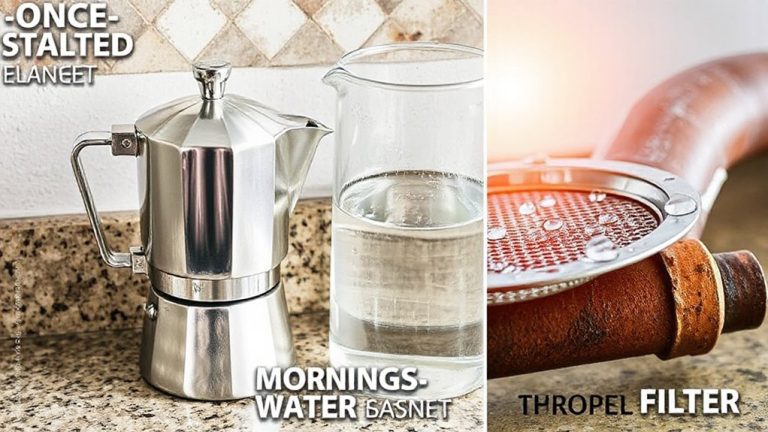
Why does your espresso taste sour? It might not be just your technique-factors like water hardness and bean age play key roles. If your water is too soft, it lacks minerals needed to properly extract flavors, leading to a sharp, underdeveloped taste. On the other hand, overly hard water can cause bitterness or clog machines, so aim for balanced, medium-hard water. Use a test strip or a $20 digital TDS meter to check. Also, fresh beans matter: stale beans, even if recently ground, lose CO2 and solubles over time, reducing extraction efficiency. Beans more than 2–3 weeks past roast often taste flat or sour, especially in espresso. Store beans airtight, avoid freezing, and buy in smaller batches. Check both your water and how old your beans are-you might fix the sourness without changing your grinder or machine at all.
How Under-Extraction Makes Espresso Sour
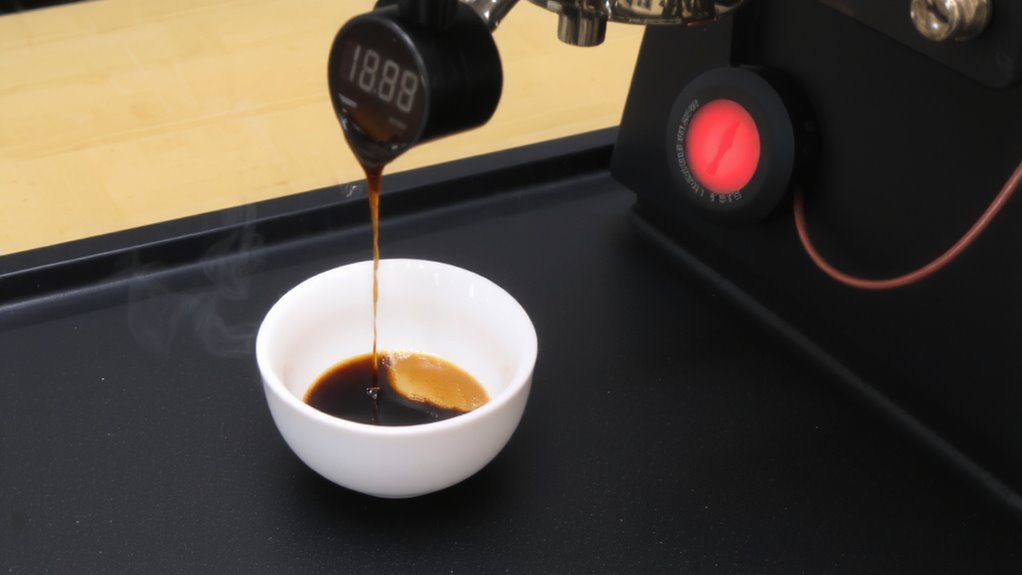
While extraction might seem like a minor detail, it’s actually the core reason your espresso tastes sour. When you under-extract, water doesn’t dissolve enough of the coffee’s sugars and body, leaving acidic notes dominant. You’re fundamentally pulling too short a shot or using too coarse a grind, so bright, sharp flavors take over without balance. This creates a clear flavor imbalance-think lemony or vinegar-like tones without the roundness or sweetness that proper extraction brings. For example, a 15-second shot at 18 grams might pull all acid and no depth. The issue isn’t the bean-it’s your process. You need to adjust grind size finer, increase brew time to 25–30 seconds, or check dose and tamping. Fixing under-extraction smooths out harshness and brings out chocolate, nutty, or caramel notes. It’s not about eliminating acidity entirely but achieving harmony. Correct extraction means balanced, rich espresso every time.
Can Low Brew Temperature Cause Sour Espresso?
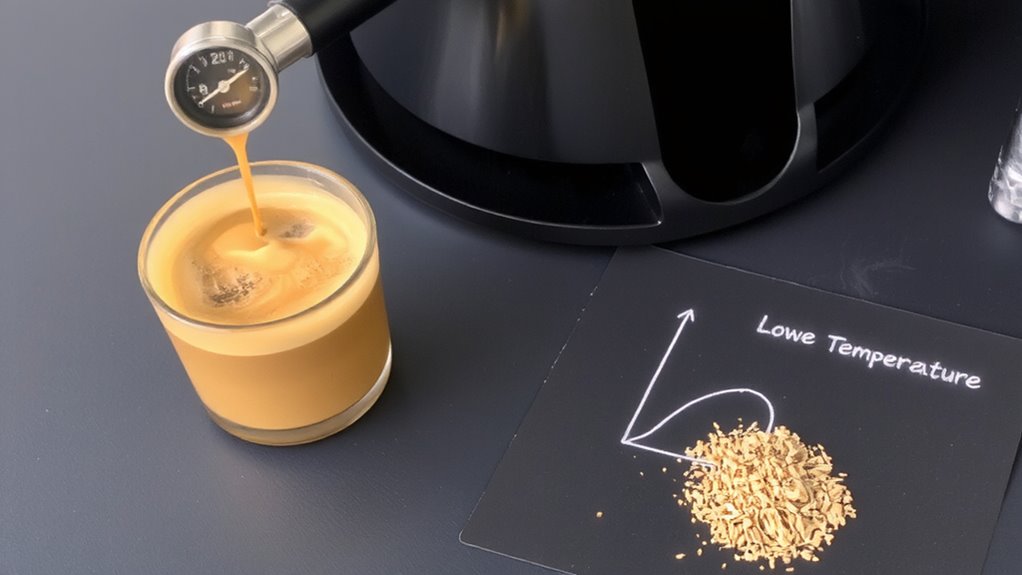
Could your machine’s brew temperature be why your espresso tastes sour? Yes-it absolutely can. If your machine runs too cool, below 195°F, it won’t extract enough sweetness or body, leaving sharp, sour notes. You’re not pulling enough solubles, just like under-extraction from poor grind or timing. Machines with poor thermal stability-like some entry-level models or older machines-struggle with consistent heat. That lack of brew stability means shots vary, often tasting sour one time and balanced the next. Water quality also plays a role: soft or mineral-deficient water reduces heat transfer and extraction efficiency, making low temps worse. Hard water can scale the heating element, hurting temperature control over time. Check your machine’s specs-prosumer gear like the Breville Dual Boiler or Rocket R58 offer better heat consistency. If your machine can’t hold stable temps, upgrading or descaling regularly may help.
Fix Sour Espresso: Grind, Dose, Time
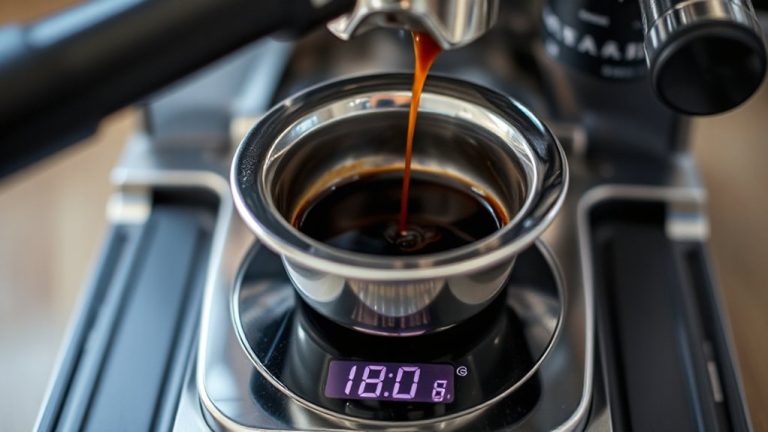
Your machine’s temperature matters, but even with perfect heat, sour espresso usually points to extraction issues you can adjust right at the grinder. If your shots pull too fast-under 25 seconds-your grind’s likely too coarse. Try a finer setting to increase resistance and extend contact time. A good starting point for most machines is a fine grind resembling table salt. Dose consistently, typically 18–20g for a double basket, and apply even tamping pressure to avoid channeling. Uneven tamping leads to inconsistent extraction, amplifying sourness. Water quality also plays a role; hard water causes scale and alters extraction, while soft or poorly filtered water lacks essential minerals. Use filtered water with balanced mineral content-like Third Wave Water or a quality home filter. Adjust one variable at a time: grind first, then dose, then time. Track changes to isolate what works. For more precise control, consider using a burr grinder with best mill grinders for consistent particle size.
Diagnose Sour Espresso in 5 Steps
If you’re getting sour espresso, the issue likely stems from under-extraction, and checking these five factors will help you pinpoint the cause quickly. First, assess your grind size-too coarse leads to fast flow and sour shots. Adjust incrementally. Second, check your dose; too little coffee disrupts contact time. Third, evaluate tamping pressure-uneven or weak tamping creates channeling, reducing extraction. Use a calibrated tamper if possible. Fourth, consider brew temperature; below 195°F under-extracts easily. Verify your machine’s thermostat. Finally, test your water quality. Soft or unbalanced water prevents proper solubility, hurting extraction. Use a TDS meter and consider filtered or specialty coffee water. Each variable interacts, so change one at a time. Log adjustments. With systematic testing, you’ll fix sour shots efficiently and improve shot consistency.
On a final note
Your espresso tastes sour because it’s likely under-extracted or brewed too cool. Fix this by grinding finer, increasing dose, or extending brew time. Check machine temperature-dial in around 90–96°C. Machines like the Breville Bambino heat quickly but can run cool; a Rancilio Silvia offers more stability. Adjust one variable at a time. Use fresh beans and clean equipment. Taste matters most-trust your palate, not just timing.