How Central Kenya’s Fertile Soils Boost Coffee Sweetness and Body
You’re getting sweeter, fuller-bodied coffee because Central Kenya’s volcanic soil is rich in potassium and magnesium, which boost sugar development and dense bean structure. The pH between 5.5 and 6.5 helps roots absorb nutrients efficiently, while good drainage prevents rot. Grown at high altitudes, the slow-maturing beans develop more complexity. When roasted medium, they retain oils that enhance body. Farms in Nyeri and Kiambu show this best-there’s more to how these factors combine than meets the cup.
Notable Insights
- Central Kenya’s volcanic soil, rich in potassium and magnesium, enhances sugar development and bean density, contributing to sweeter, fuller-bodied coffee.
- The soil’s optimal pH (5.5–6.5) ensures efficient nutrient uptake, supporting healthy root systems and consistent bean quality.
- High organic matter and volcanic minerals improve moisture retention and nutrient cycling, boosting plant vigor and bean sweetness.
- Elevated altitudes combined with fertile soil slow bean maturation, increasing sugar concentration and structural density for a syrupy mouthfeel.
- SL28 and SL34 varietals thrive in this environment, expressing pronounced berry and chocolate notes enhanced by nutrient-rich, well-drained volcanic soil.
What Makes Central Kenya’s Soil Perfect for Coffee?
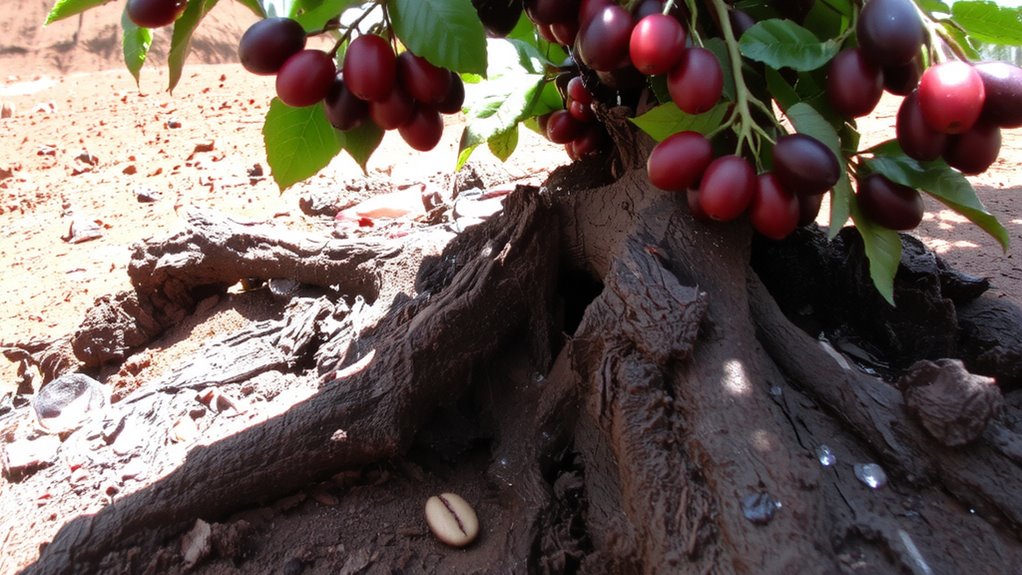
While not all regions in Kenya share the same growing conditions, Central Kenya’s volcanic soil gives coffee farmers a clear advantage. You’ll find the soil pH here stays in the ideal 5.5 to 6.5 range, which helps coffee plants absorb nutrients efficiently. This balanced acidity supports strong root development and consistent yields. The soil’s high organic content, built up from years of decomposed vegetation and volcanic matter, retains moisture and supplies essential nutrients without heavy reliance on fertilizers. Unlike regions with sandy or compacted soils, Central Kenya’s earth offers better drainage and aeration, reducing root rot risks. For you, this means more reliable harvests and healthier plants over time. While other areas may require soil amendments, Central Kenya’s natural conditions already meet key criteria for quality coffee production. The combination of ideal soil pH and rich organic content makes it a practical choice for sustainable, high-yield farming.
How Volcanic Soil Creates Sweeter, Brighter Beans?
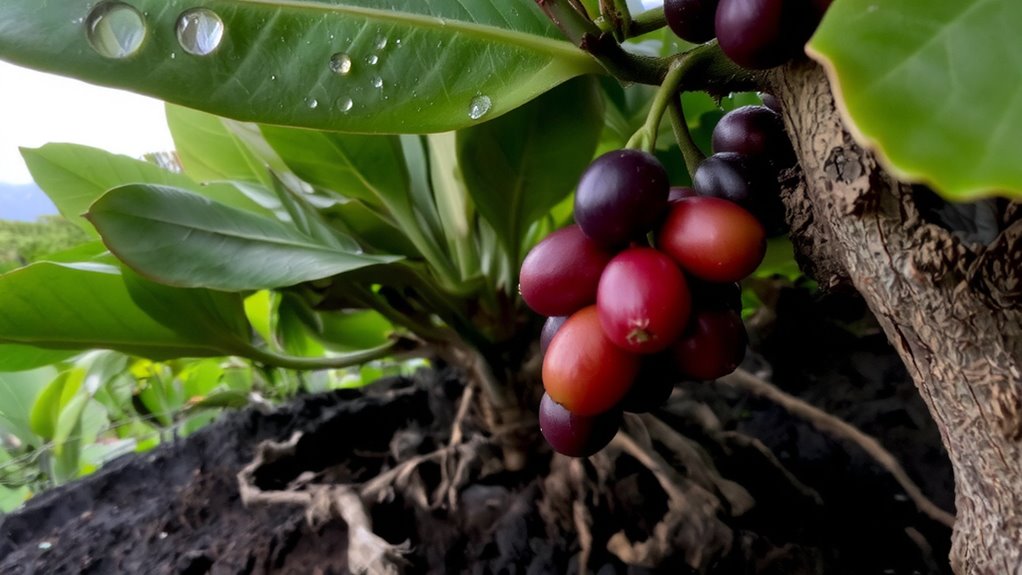
A surprising number of Kenya’s top-rated coffees come from farms rooted in volcanic soil, and there’s a clear reason why: the mineral-rich earth directly influences bean development. You’ll notice sweeter, brighter flavors in your cup because the soil’s high mineral density feeds essential nutrients like potassium and magnesium into coffee plants. These minerals support strong bean structure and sugar development during growth. Volcanic soils also promote efficient nutrient cycling, meaning organic matter breaks down effectively and continuously replenishes the soil. That steady supply helps plants stay healthy and productive over time, reducing need for synthetic fertilizers. Unlike compacted or sandy soils, volcanic loams retain moisture and nutrients without waterlogging roots-ideal for consistent crop quality. If you’re sourcing beans or planning a grow, prioritize farms on ancient volcanic sites. The natural fertility gives beans a flavor edge that processing alone can’t replicate, making them especially rewarding when brewed with precise water control.
How Altitude and Rainfall Shape Coffee Flavor in Central Kenya?
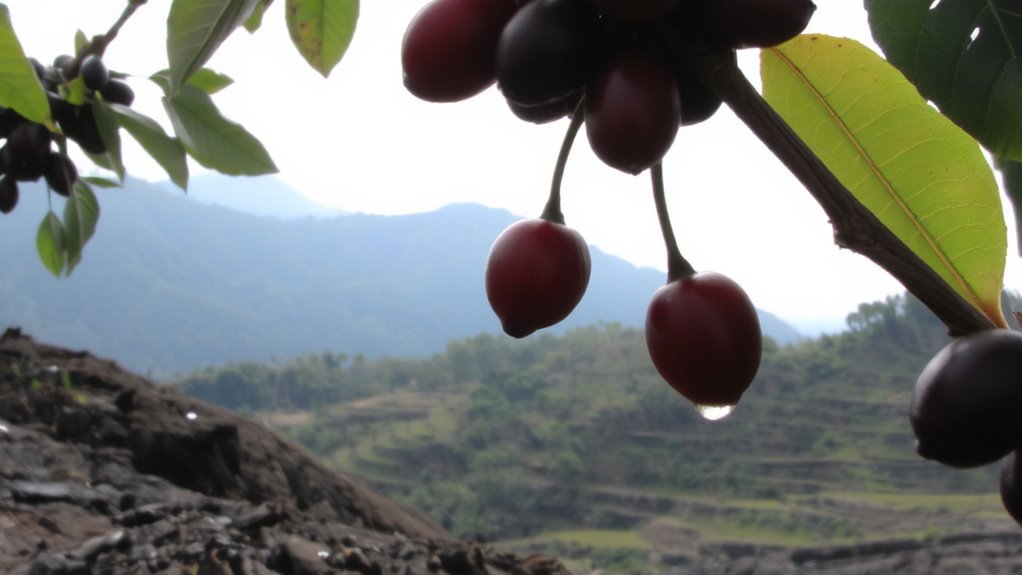
What makes Central Kenya’s coffee taste so distinct? You’re tasting the terroir influence of high altitudes and reliable rainfall. Grown between 1,400 and 2,000 meters, the beans develop slowly, boosting sugar concentration and acidity. This altitude slows ripening, letting flavors mature evenly. Rain isn’t just plentiful-it’s predictable. The region sees two wet seasons, supporting healthy flowering and bean swelling. But too much rain during harvest can delay drying, risking mold. You’ll notice climate variation affects crop timing, not just taste. Farmers use raised beds to dry beans fast, reducing risk. When you brew beans from Nyeri or Kirinyaga, you’re getting a flavor shaped less by chance and more by ideal conditions. The elevation gives brightness, the rains add complexity-both essential to the cup. It’s not magic. It’s environment meeting practice. That’s consistent quality.
Why Central Kenya’s Coffee Has a Syrupy Body?
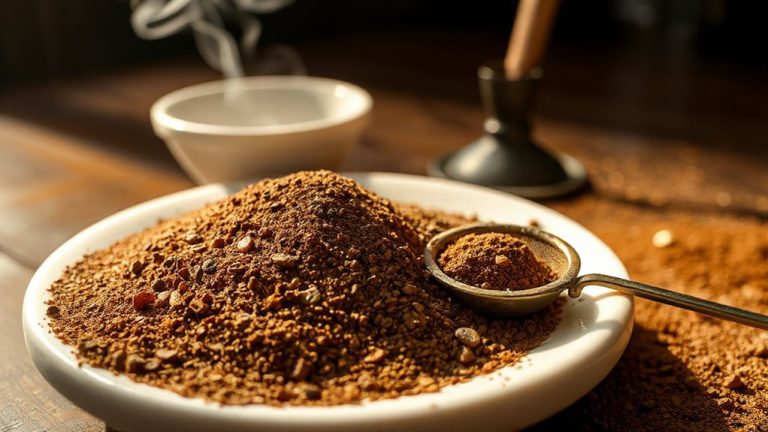
How does Central Kenya’s coffee end up with that rich, syrupy body you feel coating your palate? It starts with high bean density-those hard, tightly packed beans from high-altitude farms respond well to even roasting. When beans are dense, they roast more evenly, letting you pull out sweetness without tipping into harshness. A medium roast profile is key here; too light and the body feels thin, too dark and you lose clarity. Roasters aiming for syrupy texture often stop just past first crack, locking in moisture and oils that boost mouthfeel. This combo-dense beans and a precise roast-creates a concentrated, velvety result. You’ll notice it especially in single-origins from regions like Nyeri or Kiambu. If you’re brewing at home, use a pour-over or flat-bottom filter to highlight that full body without over-extracting. The gear matters, but so does starting with quality, properly roasted beans.
What Gives Kenyan Coffee Its Berry and Chocolate Notes?
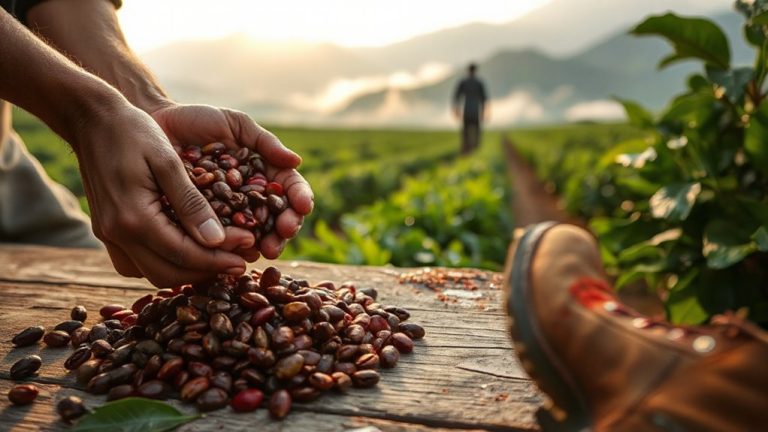
That bright berry punch and deep chocolate undertone in your Kenyan coffee don’t just happen by accident-they’re the result of a mix of smart farming, careful processing, and specific varietals grown in Central Kenya’s rich volcanic soils. The bean varietals, like SL28 and SL34, are known to thrive here and naturally develop these complex flavors. When harvested ripe and processed quickly, they carry more sugar, which boosts fruitiness. Fermentation techniques play a key role-most mills use wet fermentation for 18–36 hours, helping enhance those berry notes while smoothing into cocoa-like depth. You’ll notice this best when brewing with a pour-over or French press, which highlight clarity and body. While extended fermentation can deepen sweetness, it risks sourness if not controlled. These methods, combined with high-altitude growing, make the flavor profile both bold and balanced-ideal for those who prefer coffee with character, but not excess.
What Makes Central Kenya’s Coffee Unique?
Grow the right beans in the right soil, and something special happens-Central Kenya proves it every harvest. You get coffee with bright acidity, full body, and a sweet, winey finish, thanks to volcanic soils rich in nutrients and consistent high-altitude farming. What makes it unique isn’t just terroir-it’s how farmers handle bean fermentation. Most use a wet method, carefully controlling fermentation time to enhance flavor clarity and avoid off-notes. This precision helps develop the juicy fruit tones Central Kenyan beans are known for. Then, roasting techniques come into play. Light to medium roasts preserve the bean’s natural complexity, highlighting blackcurrant and citrus notes without burning off delicate acids. Over-roasting kills the nuance, so experienced roasters monitor temps closely. If you’re brewing at home, look for recent roast dates and avoid dark oils on the beans. Equipment like a decent burr grinder and gooseneck kettle will help you extract the best without muddying the flavors.
On a final note
You get sweeter, fuller-bodied coffee from Central Kenya because its volcanic soil, high altitude, and steady rainfall boost bean density and sugar development. For best results, grind fresh and use a pour-over or vacuum brewer to highlight its bright acidity and syrupy texture. Avoid dark roasts-they mute the berry and chocolate notes. Light to medium roasts from Nyeri or Murang’a regions preserve clarity and depth, giving you a balanced, flavorful cup.